
Film
The Crusades
Cecil B. DeMille's 1935 epic transforms the Third Crusade into sweeping historical spectacle, with Loretta Young and Henry Wilcoxon at the centre of romance, faith, and clashing empires. It's pageantry on a massive scale—gorgeous sets, thousands of extras, moral certainty that feels quaint now. Made for those who love old Hollywood ambition and don't mind that history takes a backseat to drama.
If you liked this
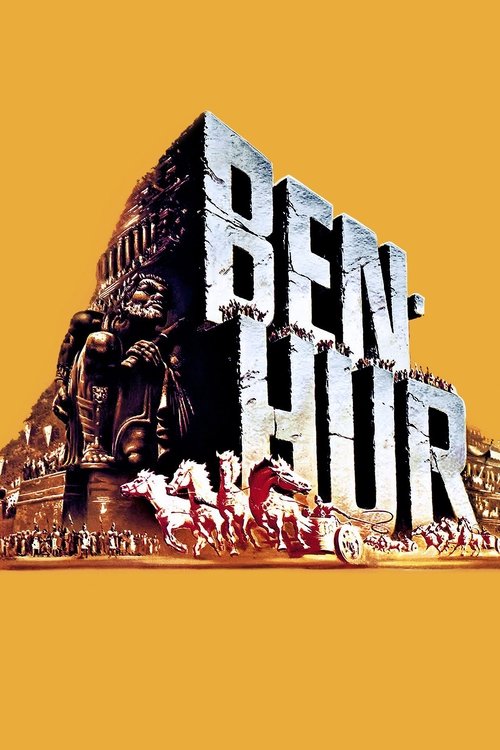
Ben-Hur1959
Charlton Heston in another biblical epic with similar scale, religious devotion, and that same DeMille-influenced grandeur. The chariot race alone justifies the runtime.
But Three and a half hours, and the pacing is deliberate. If you need constant action, you'll find stretches of talk and spectacle without momentum.
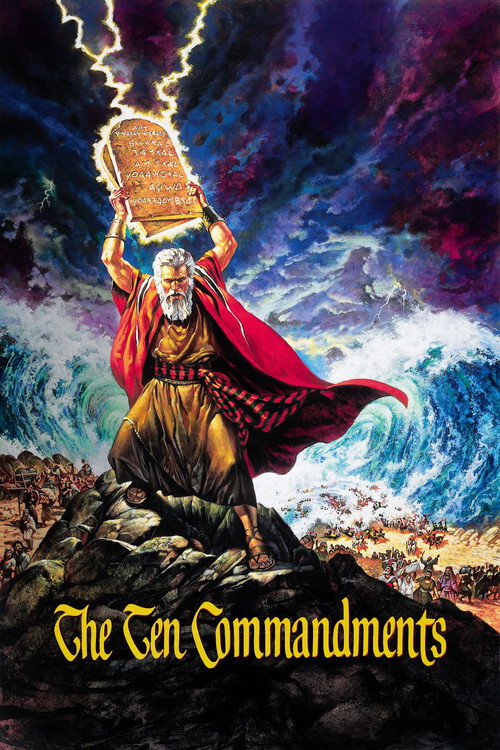
The Ten Commandments1956
DeMille's own masterpiece: bigger budget, bigger cast, bigger everything. If you loved The Crusades' ambition, this is where he perfected the formula with Charlton Heston and the Red Sea.
But Even more glacial than The Crusades. Some of the acting is theatrical to the point of parody. Nearly four hours.
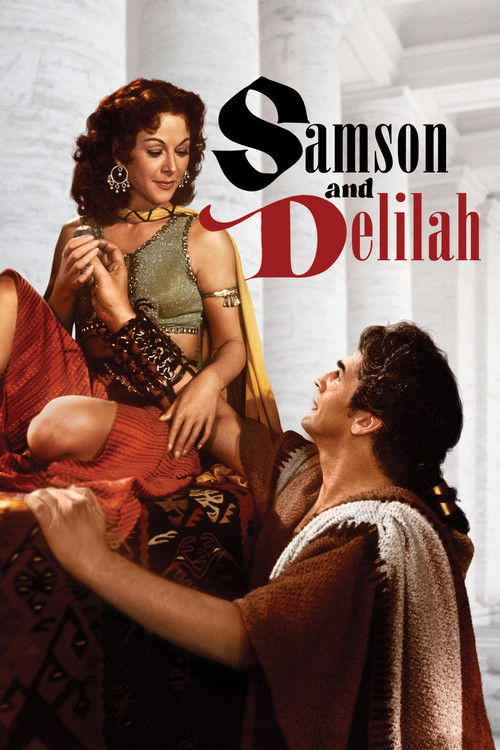
Samson and Delilah1949
DeMille again, same era of epic-making. Hedy Lamarr and Victor Mature, lavish Technicolor sets, a story of faith and desire colliding. Shorter and tighter than The Crusades.
But The gender politics are rigid even by 1949 standards. Delilah exists mostly to tempt and betray.
Not sure tonight? Get a pick in a minute, starting from The Crusades
The wildcard
Something you would not have found on your own.
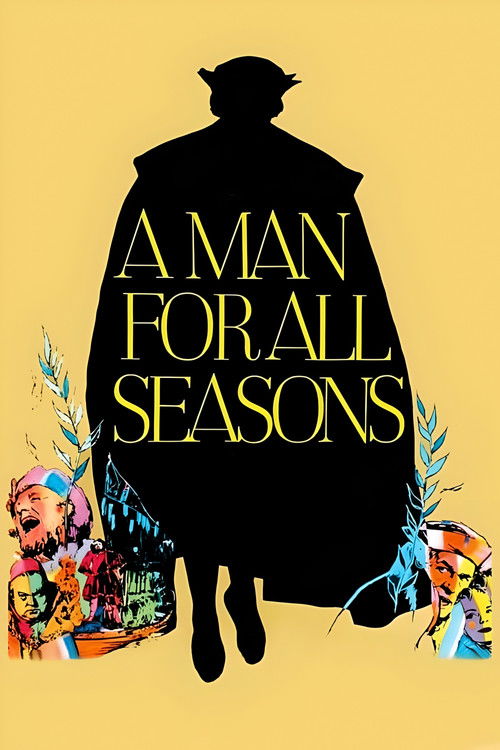
A Man for All Seasons1966
Both dramatise historical figures choosing faith over pragmatism, but More's story interrogates that choice where Richard's celebration of it. One is a hammer, one is a scalpel.
Paul Scofield as Thomas More defending faith against state power. Like The Crusades, it's about conviction and compromise, but it's a chamber drama with philosophical weight. Politics and principle in dialogue, not spectacle.
But Restrained and talky. If you want sweeping battles and Technicolor romance, this is the opposite—intimate, austere, almost austere to the point of coldness.
More like this (8)
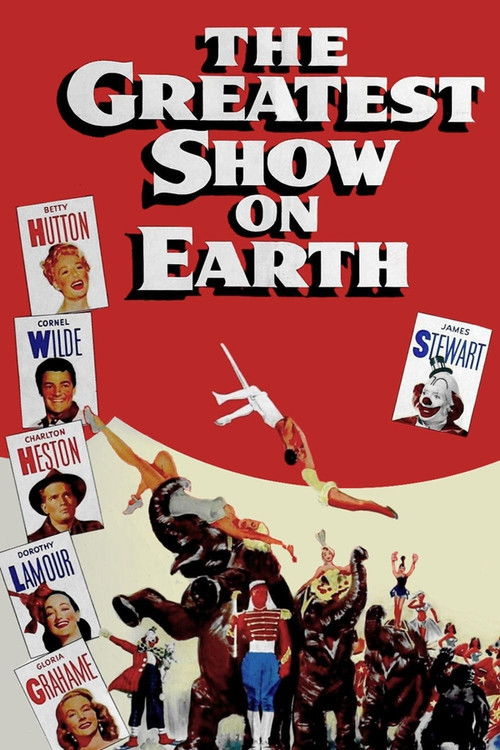
The Greatest Show on Earth1952
DeMille's only Best Picture winner. A circus train disaster movie with genuine spectacle and an all-star cast. Proves his gift worked outside biblical epics too.
But The plotting is thin and the romance subplot drags. It's more about the set pieces than character depth.
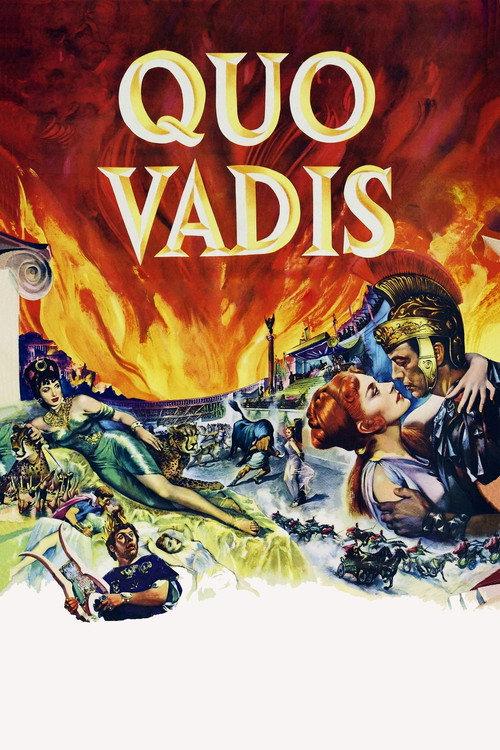
Quo Vadis1951
Another ancient-world epic with similar sweep and Christian martyrdom themes. Robert Taylor and Ava Gardner in Rome during Nero's reign. Lush and ambitious without quite being DeMille.
But Long, reverent, and the love story can feel stodgy. Not as visually inventive as The Crusades despite the bigger budget.
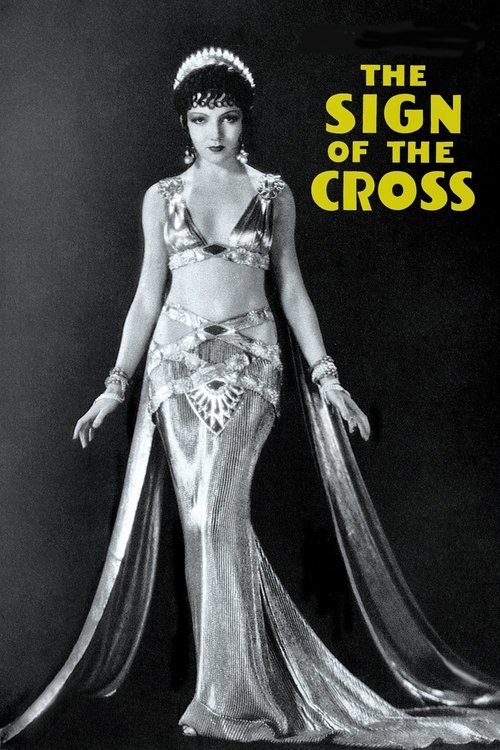
The Sign of the Cross1932
Earlier DeMille, same studio and sensibility. Fredric March as a Roman officer caught between duty and a Christian girl. Corruption, faith, spectacular crowd scenes—it's DeMille's template.
But The print quality can be rough. Some sequences feel dated even by 1932 standards, and the pacing is slack.
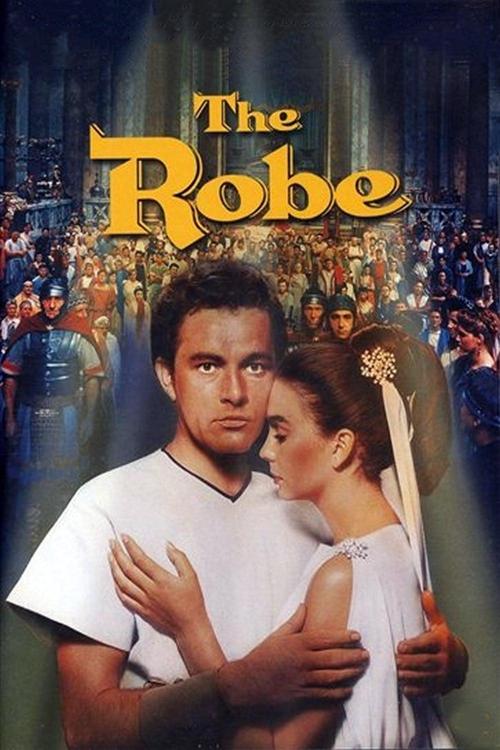
The Robe1953
Richard Burton in early Cinemascope, another faith-and-empire story set in biblical times. It has grandeur and genuine theological tension beneath the spectacle.
But Burton's performance is mannered, and the second half sags. The message overwhelms the story.
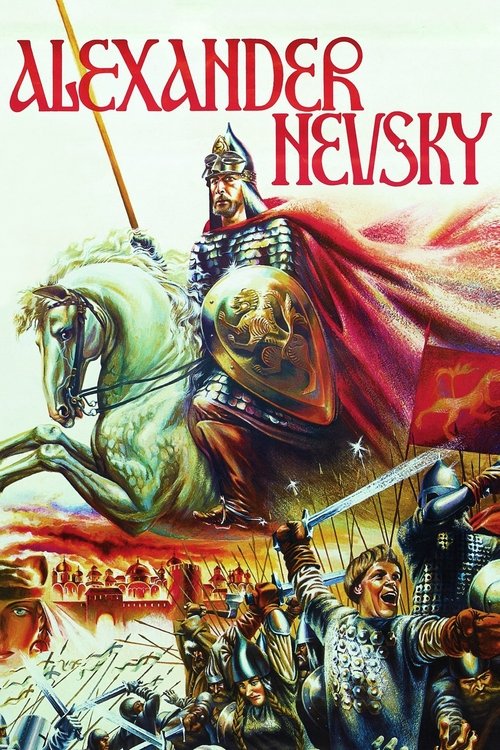
Alexander Nevsky1938
Eisenstein's Soviet epic about defending Russia from invaders. Operates on DeMille's scale but with a totally different artistic vision. The Battle on the Ice is cinema.
But It's propaganda, beautifully made but unmistakable. Eisenstein's style is radical and can feel theatrical if you're not prepared for it.
Intolerance: Love's Struggle Throughout the Ages1916
D.W. Griffith's monumental predecessor to everything DeMille did. Four stories across history, all about persecution. Four hours of 1916 filmmaking at maximum ambition.
But Silent, no score, fragmentary plotting. It's a historical artifact first and entertainment second. Demanding viewing.

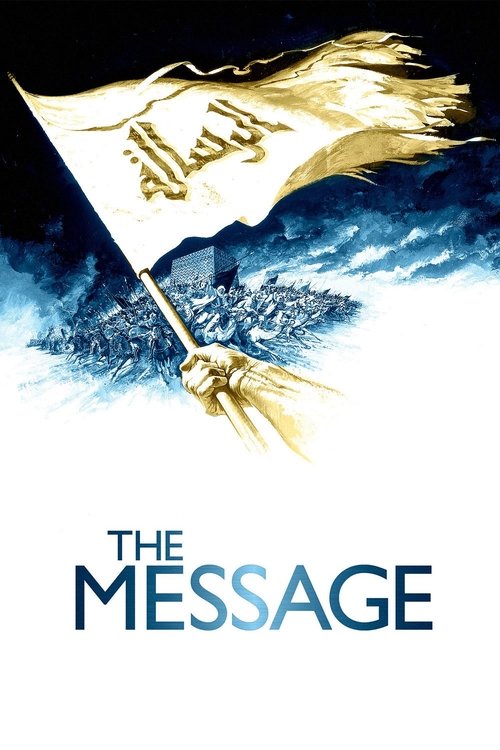
The Message1976
Same DNA as The Crusades—a religious epic defending the faith of its makers—but from the opposite side of the Crusades themselves. Remarkable to watch them speak to each other.
An Islamic epic about the Prophet Muhammad that matches DeMille's ambition and conviction without a single frame of spectacle wasted. Made by Moustapha Akkad with an enormous cast and sets. Sincere, ambitious, completely unafraid.
But Three hours. The theology and history are as much the point as the drama. Shot partly in English, partly in Arabic. Not made for Western audiences' comfort.
Metropolis1927
Both are films where production design and spectacle ARE the story, where the physical world matters more than individual characters. Cost and ambition as their own kind of meaning.
Fritz Lang's silent German futurism looks nothing like The Crusades but operates at identical scale and philosophical ambition. Vast sets, thousands of extras, a vision of society in crisis. Visually overwhelming.
But Silent film, experimental pacing, the politics are muddled and sometimes uncomfortable. It's avant-garde wrapped in a blockbuster budget, which alienates both audiences.

People
Cast
 Loretta YoungBerengaria, Princess of Navarre
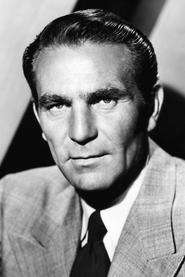 Henry WilcoxonRichard, King of England
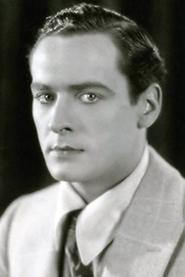 Ian KeithSaladin
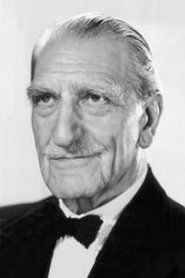 C. Aubrey SmithThe Hermit
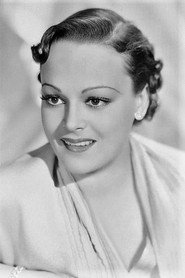 Katherine DeMilleAlice, Princess of France
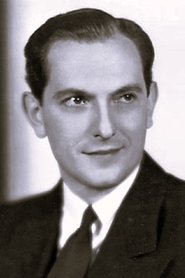 Joseph SchildkrautConrad, Marquis of Montferrat
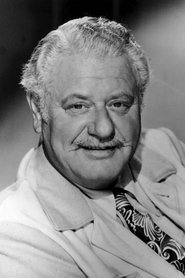 Alan HaleBlondel
 C. Henry GordonPhilip the Second, King of France
 George BarbierSancho, King of Navarre
 Montagu LoveThe Blacksmith
- Ramsay HillJohn, Prince of England
 Lumsden HareRobert, Earl of Leicester
Directing
- Cecil B. DeMilleDirector
Writing
- Harold LambLyricist
- Leo RobinLyricist
- Dudley NicholsScreenplay
- Harold LambScreenplay
- Waldemar YoungScreenplay