
Film
The Message
A 1976 epic about the early days of Islam, told through the eyes of the Prophet Muhammad's companions rather than Muhammad himself (never shown on screen). Sweeping, reverent, and genuinely ambitious in scope—a spiritual historical drama that treats its subject with uncommon seriousness. For viewers who want cinema that takes faith as drama, not decoration.
Should you watch it?
Watch it if you like sweeping historical epics built around a slow-burning faith and the patient craft of big desert landscapes, where the drama lives in ordinary people choosing sides.
Skip it if you want a tight, fast-moving story, since at 178 minutes this moves at a stately pace and keeps its central figure at a respectful distance.
What it asks of you: A long, unhurried sitting of nearly three hours, with quiet councils and street-level tension carried by a restrained, dignified tone rather than sensation.
Not sure? Find tonight's pick in a minute.
If you liked this
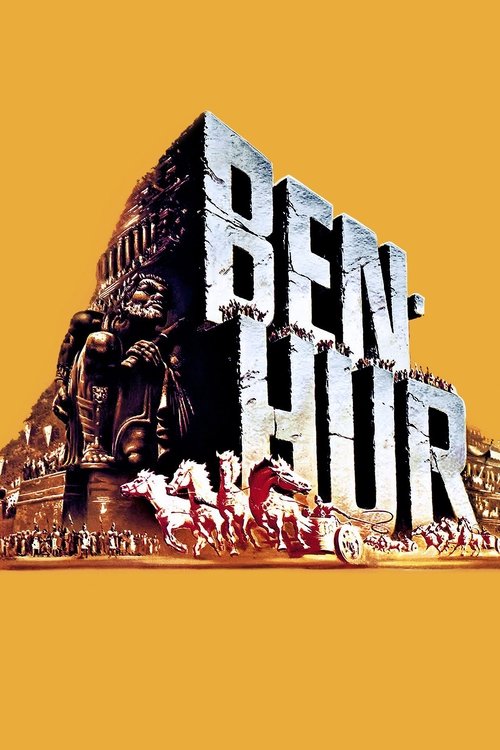
Ben-Hur1959
A monumental historical epic about spiritual conviction tested by empire, with action sequences and human stakes that still move. The chariot race alone justifies the runtime, and the faith questions linger after.
But Nearly four hours, and the pacing can feel stately. Some of the acting registers as theatrical by modern standards.
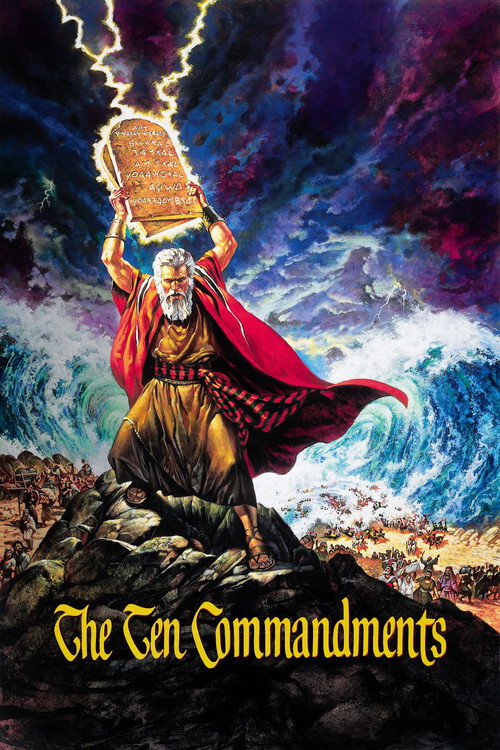
The Ten Commandments1956
DeMille's maximalist approach to religious history—divine spectacle, parting seas, the weight of receiving law on a mountain. If you want epic scale matched to spiritual material, this is the template The Message follows.
But Campy in places, and the acting style is decidedly of its era. The second half sags compared to the first.
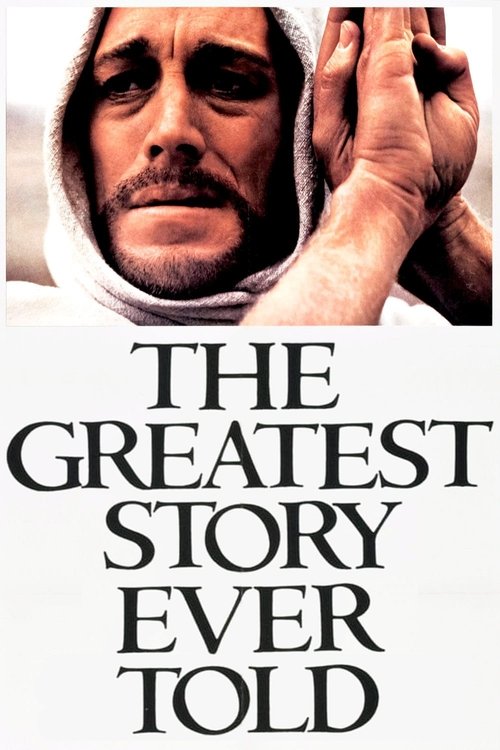
The Greatest Story Ever Told1965
Another reverential historical epic about faith in crisis, shot in widescreen landscapes that make belief feel geographically real. Similar ambition to The Message, with genuine quieter moments alongside spectacle.
But Unevenly acted and occasionally stiff. The three-hour-plus runtime tests patience in stretches.
Not sure tonight? Get a pick in a minute, starting from The Message
The wildcard
Something you would not have found on your own.
Stalker1979
Both films treat spiritual calling as the engine of narrative rather than plot—characters move toward something they believe in despite opposition and doubt. Both move slowly because belief moves slowly.
Tarkovsky's metaphysical science-fiction film about a guide leading pilgrims toward a mysterious Room that promises spiritual fulfillment. Like The Message, it's meditative on faith, calling, and whether the destination or the journey matters more. Utterly different surface, identical spiritual DNA.
But Soviet science fiction, deliberately paced, entirely interior. Some will find the philosophical register more demanding than the historical one; patience is non-negotiable.

More like this (8)
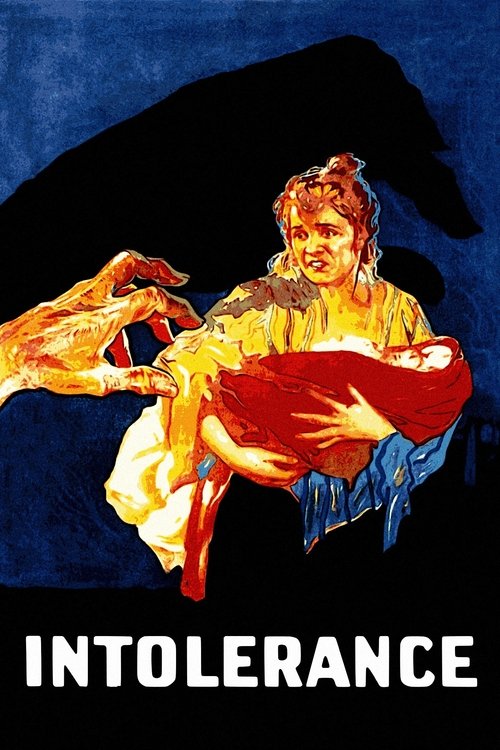
Intolerance: Love's Struggle Throughout the Ages1916
D.W. Griffith's silent masterpiece interweaves four historical moments, including Babylon under siege. Visually staggering and morally urgent—a film about how power crushes faith across centuries.
But It's silent and nearly four hours. The Babylonian sequence, while extraordinary, is the section most will connect with.
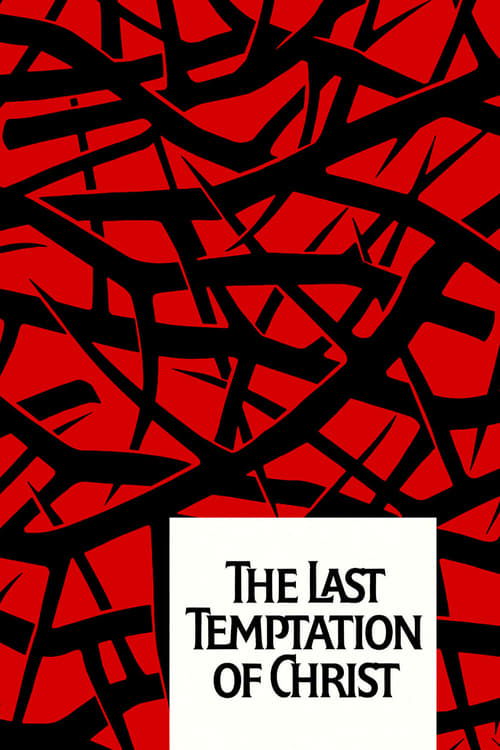
The Last Temptation of Christ1988
Scorsese's fierce, intimate examination of spiritual doubt and calling. Not reverent in the way The Message is, but equally serious about the cost of prophecy and the humanity of the prophet.
But Deliberately provocative and divisive. Some will find the theological questions it raises uncomfortable rather than illuminating.
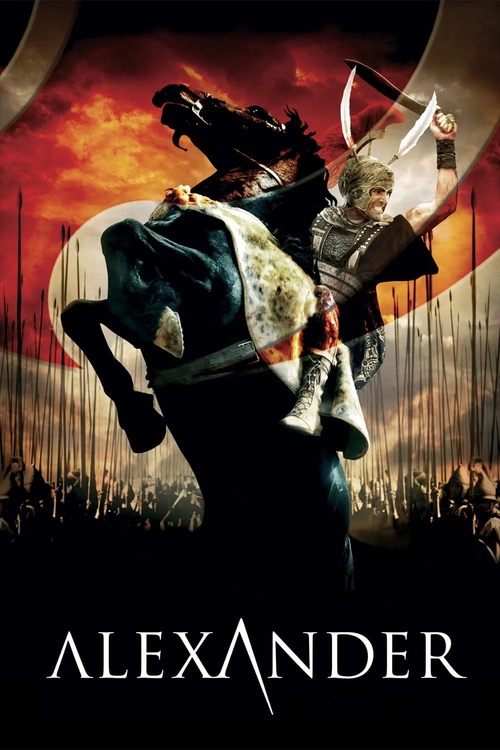
Alexander2004
Oliver Stone's ambitious historical epic about a world-changer attempting to unite cultures through conquest. Similar scale and similar interest in how individual will reshapes the map and the faiths of nations.
But Widely considered bloated and narratively confused. The editing choices feel arbitrary and the runtime (nearly three hours) tests its own material.
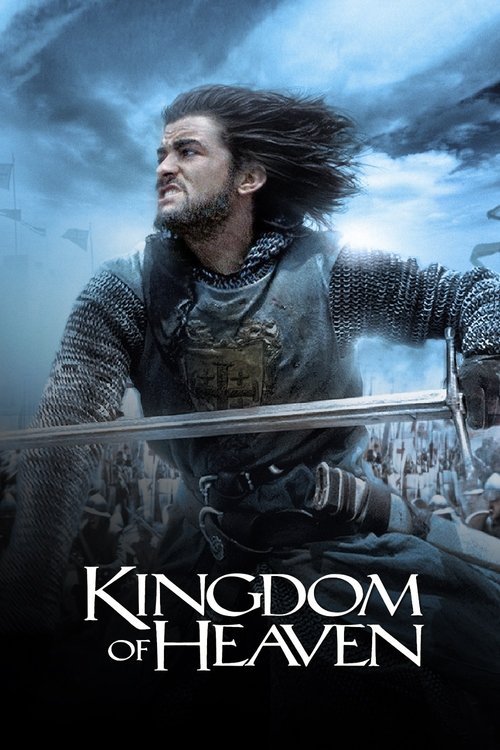
Kingdom of Heaven2005
Ridley Scott's Crusades epic, thoughtful about faith, honor, and the gulf between religious conviction and institutional power. The director's cut especially rewards attention and offers genuine moral complexity.
But Long and sometimes ponderous. The theatrical cut is genuinely worse; the director's cut improves it significantly but also asks more time from you.
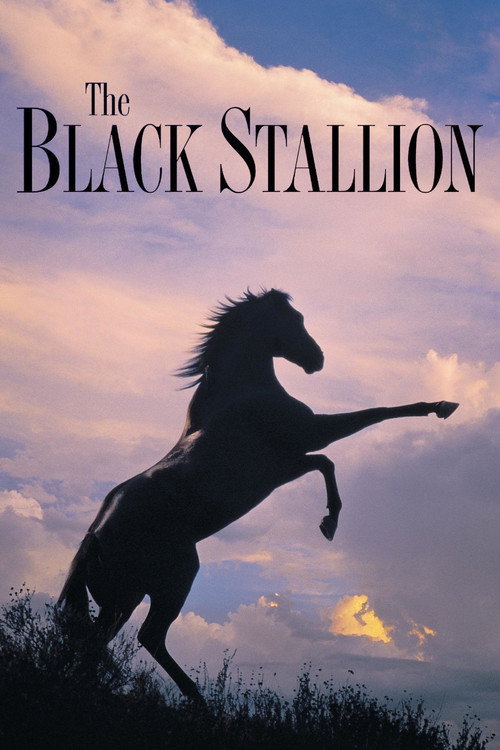
The Black Stallion1979
Not historical, but spiritually similar: a film about human-animal connection and personal transformation shot with profound visual poetry. If The Message's visual reverence appeals, this approaches its own subject with the same grace.
But It's fundamentally a children's film with a slower pace than most adventure stories. Some may find that register underwhelming.
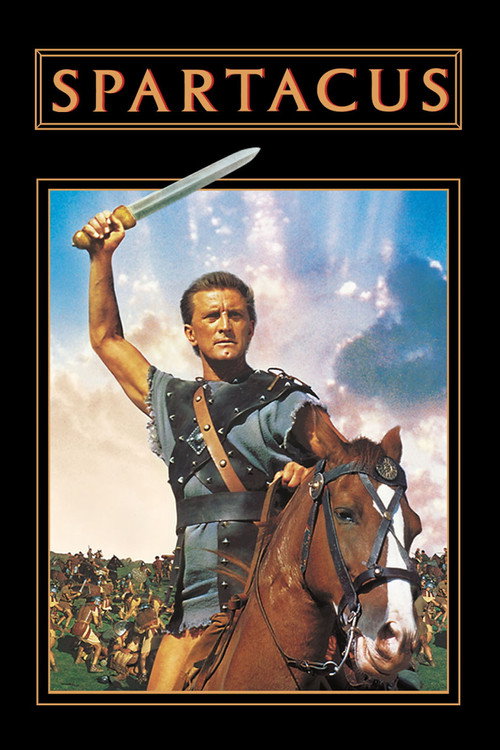
Spartacus1960
Kubrick and Kirk's epic about a man leading a revolt against empire, fighting for believers and faith. Historical sweep, moral clarity, and the weight of leading people toward something larger than yourself.
But At nearly three and a half hours, it's a commitment. The early scenes are stronger than the later ones.
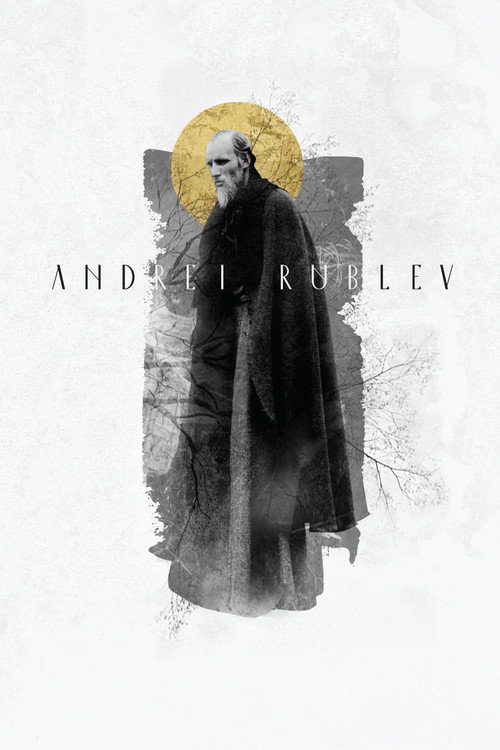
Andrei Rublev1966
Both films see religious devotion as incompatible with comfort or ease—both protagonists are tested by the world's refusal to accommodate their faith. Both treat art and belief as inseparable from suffering.
Tarkovsky again, but this time a biography of the Russian icon painter wrestling with faith, art, violence, and whether creating beauty in a brutal world matters. A three-hour meditation on artistic calling that carries the weight of The Message's spiritual seriousness into medieval Orthodox Christianity.
But Black and white, Soviet, deliberately austere. Long passages without dialogue. Taxing rather than entertaining, and some viewers will resent that choice.
The Battle of Algiers1966
Both trace how individual callings become movements. Both show belief as something that spreads through community and costs. Both are historical epics that care more about collective faith than individual heroism.
Pontecorvo's docudrama about Algeria's war for independence from France. Not religious, but structurally identical to The Message: it's about how a movement grows from conviction, how individuals sacrifice for collective belief, and how power responds to moral opposition. Shot with documentary urgency and narrative clarity.
But Explicitly about colonialism and resistance—not everyone approaches that history from the same place. The film takes sides, which some will read as propaganda rather than history.

People
Cast
 Anthony QuinnHamza
 Irene PapasHind
 Michael AnsaraAbu Sufyan
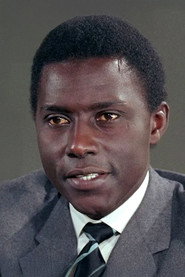 Johnny SekkaBilal
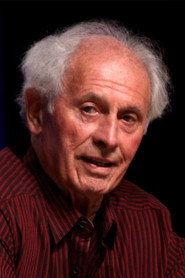 Michael ForestKhalid
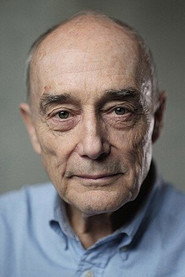 Garrick HagonAmmar
- Nicholas AmerSuheil
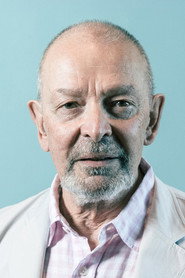 Damien ThomasZaid
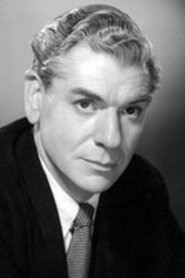 André MorellAbu-Talib
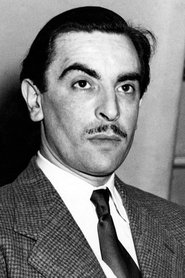 Martin BensonAbu-Jahal
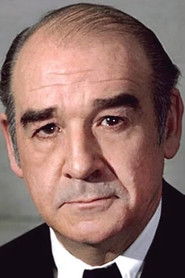 Robert BrownOtba
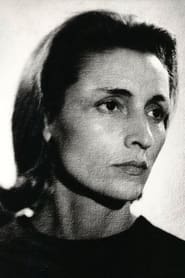 Rosalie CrutchleySomaya
Directing
- Moustapha AkkadDirector
Writing
- A.B. Jawdat El-SahharWriter
- A.B. Rahman El-SharkawiWriter
- H.A.L. CraigWriter
- Mohammad Ali MaherWriter
- Tawfiq Al-HakimWriter
Production
- Harold BuckProducer
- Moustapha AkkadProducer
- Mohammed Al-SanousiProducer's Assistant