
Film
The Greatest Story Ever Told
George Stevens' mammoth 1965 epic renders the life of Jesus with Max von Sydow in austere lead, supported by an ensemble of Hollywood heavyweights. It's a reverent, stately affair—three hours of desert vistas, theological dialogue, and earnest grandeur. For viewers who want cinema scaled to match their subject matter, or who cherish old-fashioned biblical epics.
Should you watch it?
Watch it if you like reverent, sprawling Hollywood epics where the camera lingers over crowds and landscapes and the story is told plainly, the way a pageant would.
Skip it if you find over three hours of stately, hushed storytelling a trial, or you want the gospel reshaped with modern irony rather than delivered straight.
What it asks of you: A long, unhurried run of wide, slow scenes and stretches of quiet, with crowds and sermons building gradually; it wants an evening, not a background glance.
Not sure? Find tonight's pick in a minute.
If you liked this
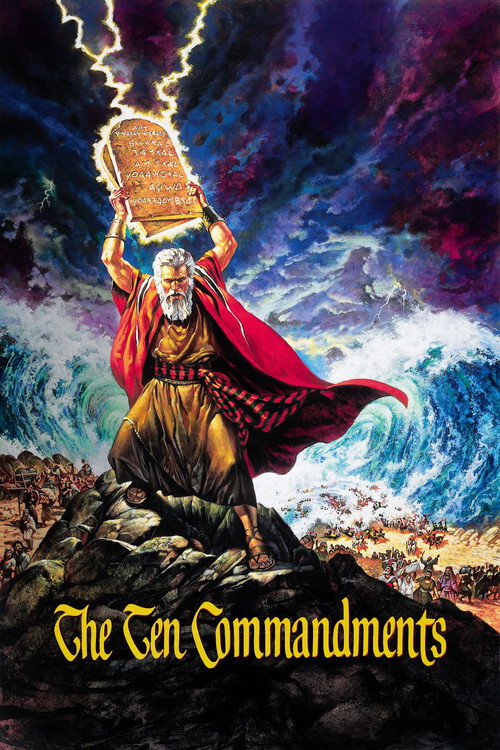
The Ten Commandments1956
DeMille's earlier biblical blockbuster with the same monumental ambition, technical scale, and cast-of-thousands spectacle. If you're drawn to sprawling religious epics made when studios still believed in them.
But The pacing creaks; some sequences feel interminable, and the acting in early scenes can seem campy by modern standards.
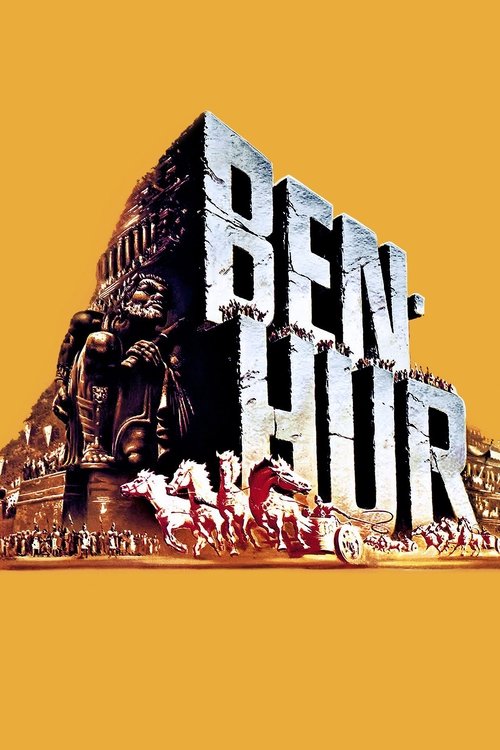
Ben-Hur1959
Another biblical epic from the same era, with vast production values, a star ensemble, and three hours of commitment. Chariot races and spiritual awakening woven together with genuine narrative momentum.
But It's an adventure story wearing religious clothing rather than a direct examination of faith. If you want theology, look elsewhere.
The Last Temptation of Christ1988
Scorsese's controversial retelling finds doubt and human struggle in Christ's story, the inverse of Stevens' certainty. Provocative, intellectually restless, visually hypnotic—it argues with the subject rather than reverencing it.
But Genuinely offensive to many. The sexual and violent content is deliberate; Scorsese wants discomfort. Not a devotional film.
Not sure tonight? Get a pick in a minute, starting from The Greatest Story Ever Told
The wildcard
Something you would not have found on your own.
A Prophet2009
Both trace the formation of faith through ordeal and hierarchy. The narrative skeleton is a mirror held up.
Audiard's prison drama is structured like a conversion narrative: a younger man enters an enclosed world, is tested by a charismatic figure, undergoes spiritual transformation. The engine is identical—faith through suffering, redemption through submission—but told in contemporary grit.
But French, subtitled, and morally ambiguous. The 'religion' here is prison survival and loyalty, not Christianity. It refuses sentimentality.

More like this (7)
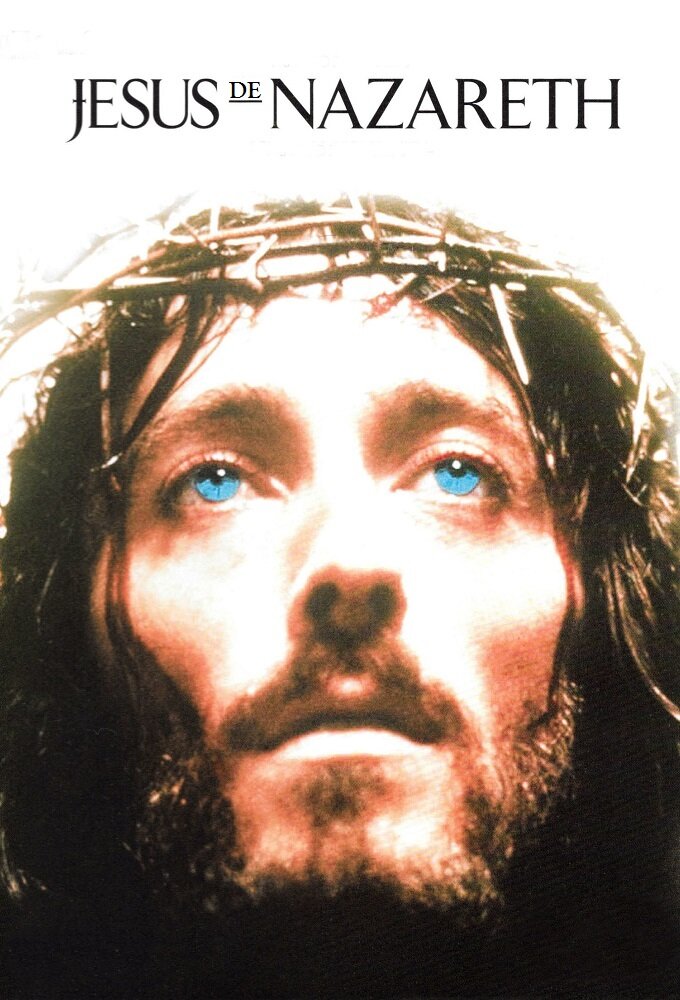
Jesus of Nazareth1977
Zeffirelli's television miniseries finds a middle path: high production values, thoughtful pacing, sumptuous locations, and a script that trusts viewers to sit with moral complexity. Robert Powell's performance is quietly powerful.
But Nearly six hours of material, originally broadcast across multiple nights. Demands patience, though the payoff rewards it.
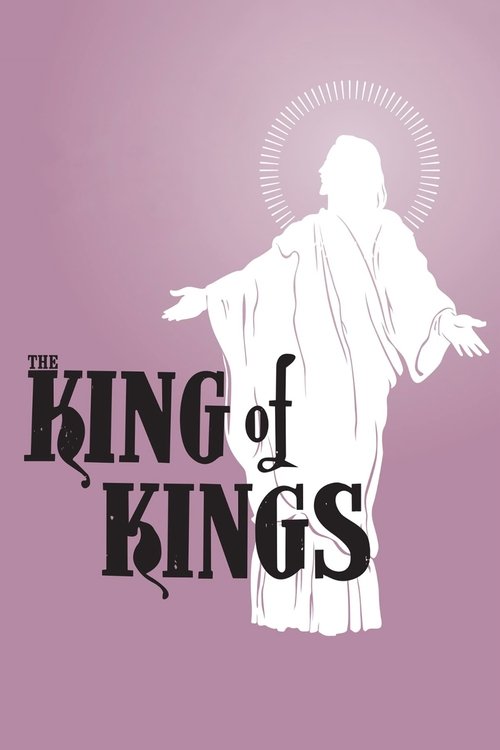
The King of Kings1927
Cecil B. DeMille's silent-era predecessor to Ten Commandments, with extraordinary visual compositions and genuine spiritual mystery in the lack of dialogue. A reminder of how differently cinema once approached the sacred.
But Silent film, naturally. Viewing it requires acceptance of that language; some find it alienating, others transcendent.
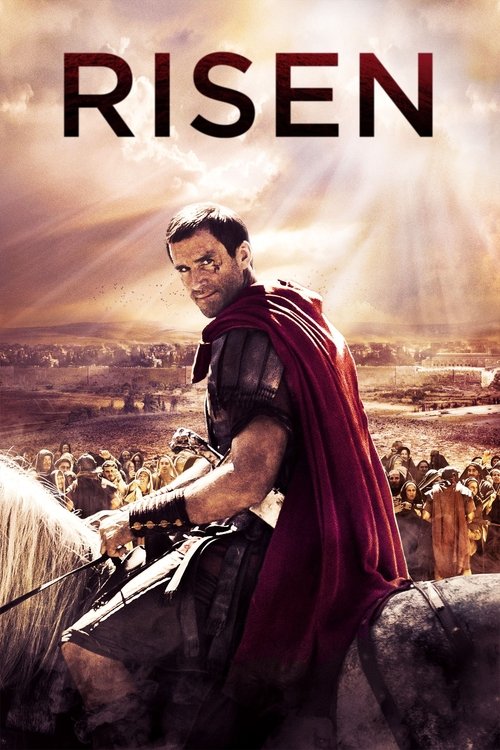
Risen2016
A solid historical-thriller approach: a Roman soldier investigates Christ's disappearance after the crucifixion. Uses faith as a genuine mystery rather than a given, and finds real tension in doubt.
But Relatively small-scale compared to the epics; more procedural than visionary. Respectful but straightforward.
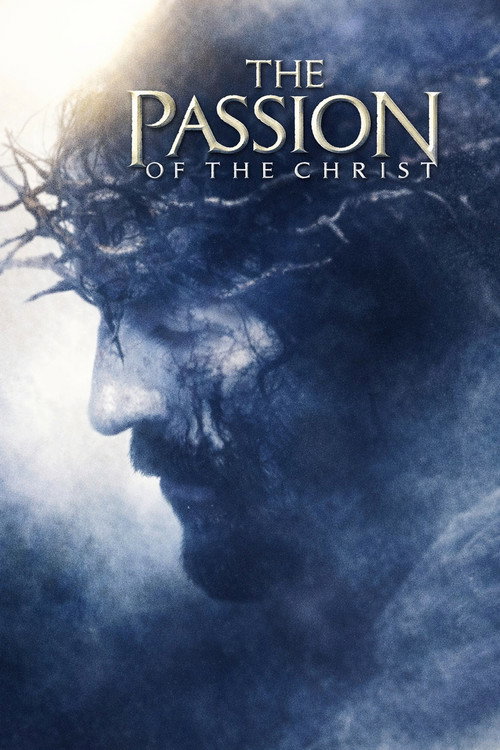
The Passion of the Christ2004
Gibson's unflinching focus on the final hours is graphically visceral in a way Stevens would never have attempted. If you want cinema that does not flinch from suffering, this commits entirely to that path.
But The sustained brutality is nearly unwatchable for many viewers. Not an inspirational experience; it is an ordeal by design.
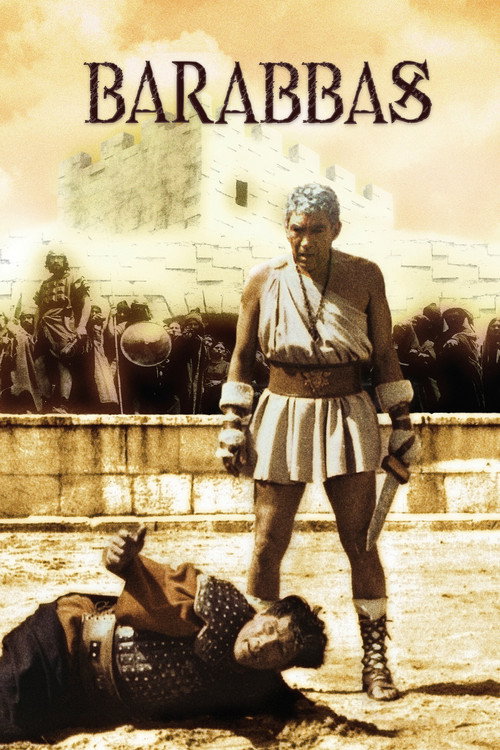
Barabbas1961
A lesser-known biblical epic that takes the criminal freed in Christ's place and follows his subsequent life. Unusual angle, solid cast, and the kind of film they simply don't make anymore.
But Inconsistent in quality and more dated in feel than its contemporaries. A curiosity rather than a major work.
The Seventh Seal1957
Both use vast landscapes and ensemble figures to explore faith, but Bergman doubts where Stevens affirms. Structurally, they are opposite poles.
Bergman's medieval knight plays chess with Death while plague ravages the land. It doesn't tell Christ's story; it asks the questions that Greatest Story answers with certainty. Visual, austere, unforgettable—a spiritual inquiry rather than spiritual comfort.
But Deliberately bleak and ambiguous. If you want reassurance, Bergman offers none. The pacing is meditative to the point of seeming static.

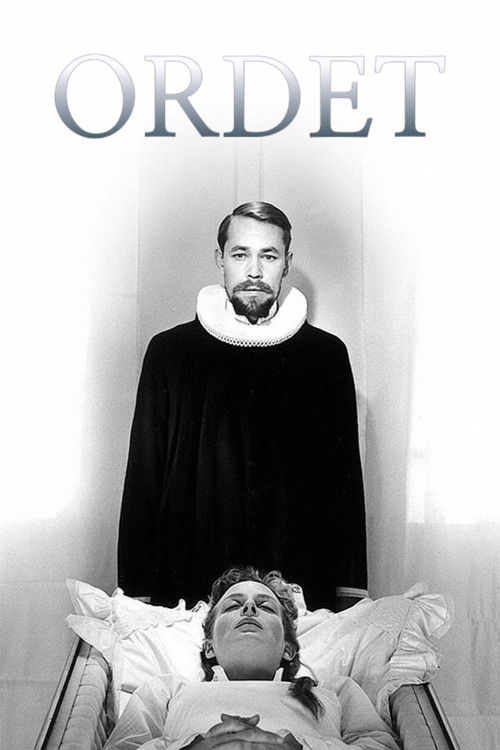
Ordet1955
Both believe cinema can carry the weight of faith, but Dreyer trusts silence and Bergman's shadow-work where Stevens used CinemaScope and star power. Same conviction, opposite aesthetics.
Dreyer's Danish miracle-film about a modern rural family split by faith and doubt, culminating in an act of grace. Shot in stark black-and-white, deeply felt, theologically serious. Religious cinema at its most restrained and most powerful.
But Nothing happens visually. It is entirely interior and dialogue-driven. If you need spectacle, this offers only light and faces.
People
Cast
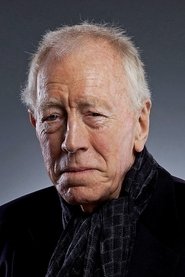 Max von SydowJesus
 Michael Anderson Jr.James the Younger
 Carroll BakerVeronica
 Ina BalinMartha of Bethany
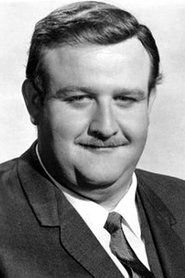 Victor BuonoSorak
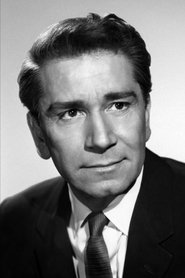 Richard ConteBarabbas
 Joanna DunhamMary Magdalene
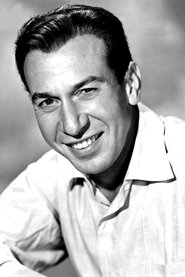 José FerrerHerod Antipas
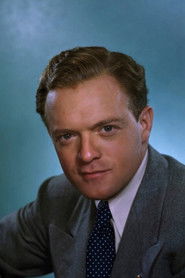 Van HeflinBar Amand
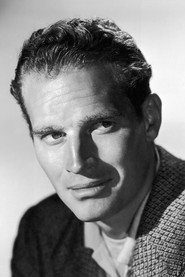 Charlton HestonJohn the Baptist
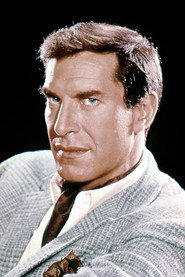 Martin LandauCaiaphas
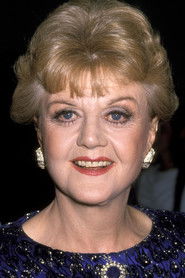 Angela LansburyClaudia
Directing
- George StevensDirector
- David LeanSecond Unit Director
- Jean NegulescoSecond Unit Director
- Paul BaxleySecond Unit Director
Writing
- Fulton OurslerNovel
- George StevensScreenplay
- James Lee BarrettScreenplay
Production
- Lynn StalmasterCasting
- George StevensProducer
- George Stevens Jr.Producer
Recommended by
The Robe, Jesus Christ Superstar, The Bible: In the Beginning..., The Passion of the Christ, Joseph: King of Dreams, Samson and Delilah, King of Kings, A Man Called Peter, The Agony and the Ecstasy, The Message, Pontius Pilate, Barabbas, The Silver Chalice, Jesus of Nazareth, The King of Kings, Sodom and Gomorrah, Golgotha, The Bible, The Holy Family, The Story of Ruth, David and Bathsheba, The Gospel of John, Ben-Hur, Christmas with The Chosen: The Messengers, The Sword and the Cross