Television series
The Bible
A sweeping ten-hour dramatization of Biblical stories from Genesis through Revelation, blending live-action performances with CGI spectacle. It treats scripture as high-stakes narrative cinema—plagues, exoduses, revelations rendered with the scale of prestige television. Aimed at believers seeking familiar stories made cinematic, and the broadly curious who've never quite read the book.
Should you watch it?
Watch it if you love sweeping, reverent retellings of scripture where the spectacle of parting seas and floods carries the weight, and you don't mind a dramatized take that leans on big set pieces over quiet character study.
Skip it if you want a loose, skeptical or fresh reading of the stories, since this stays close to the sacred text with a devout, earnest tone and little room for ambiguity or irony.
What it asks of you: Ten one-hour episodes that move briskly from one famous story to the next, so expect a sampler of scenes rather than deep, slow-built arcs, and an earnest, grand register throughout.
Not sure? Find tonight's pick in a minute.
If you liked this
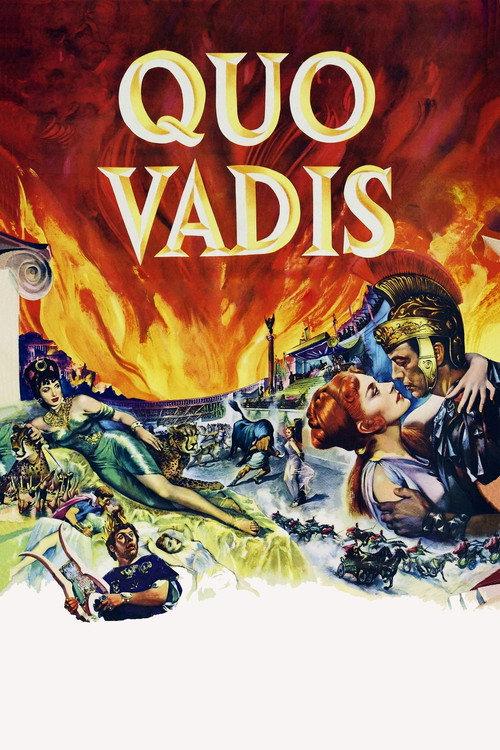
Quo Vadis1951
Massive historical epic about early Christians in Nero's Rome, with genuine grandeur and visceral stakes. If you loved the production design and violence of The Bible, this is the template.
But It's three hours of 1950s pacing and a love story subplot that grinds the momentum to a halt.
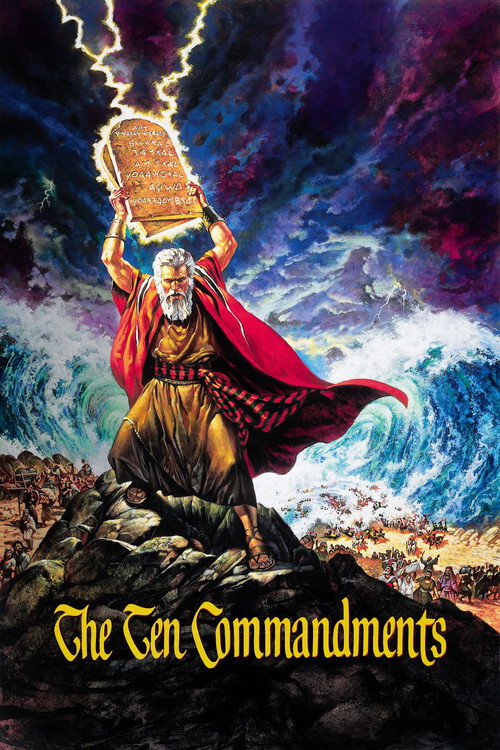
The Ten Commandments1956
DeMille's definitive Biblical spectacle—parting seas, plagues, and Charlton Heston's absolute conviction. The archetype The Bible is fundamentally trying to be, just bigger and slower.
But Four hours long, and the earnestness can feel quaint compared to modern melodrama.
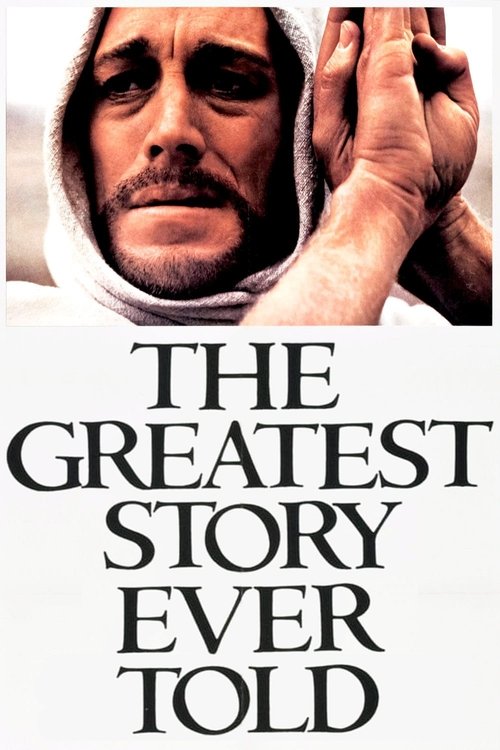
The Greatest Story Ever Told1965
Another epic Jesus retelling with a stellar cast and landscape cinematography that genuinely moves. Treats the material with reverence without losing the human drama underneath.
But Glacially paced by modern standards, and some casting choices feel dated now.
Not sure tonight? Get a pick in a minute, starting from The Bible
The wildcard
Something you would not have found on your own.
Natsume's Book of Friends2008
Both are episodic explorations of the invisible world intersecting the visible one; both treat their source material (folklore, scripture) as living, not settled. The difference is scale—one whispers where the other shouts.
A Japanese anime about a boy who sees spirits and mediates between supernatural and human worlds. Like The Bible reframed as gentle folk narrative—less spectacle, more accumulated humanity and moral complexity.
But It's extremely slow, visually modest, and requires comfort with anime aesthetics and storytelling patience.

More like this (7)
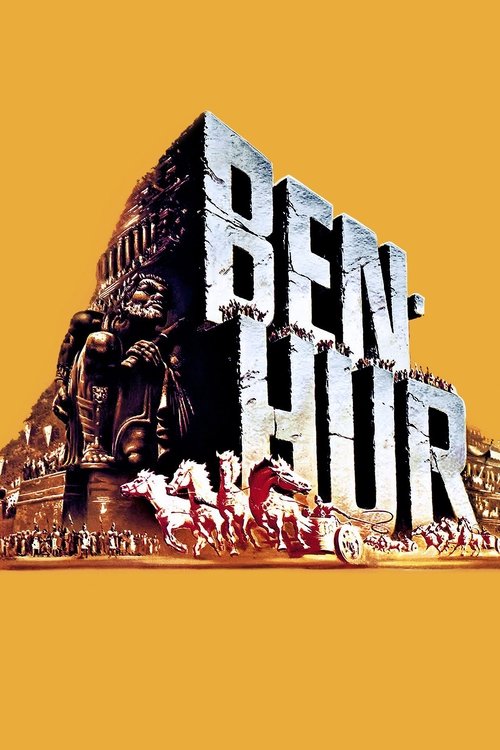
Ben-Hur1959
Chariot races, sword fights, and Biblical Rome rendered with jaw-dropping practical effects. This is narrative drive married to spectacle—thrilling even if you know the story.
But It's a revenge thriller that happens to have Christianity in the third act, not a religious text adaptation.
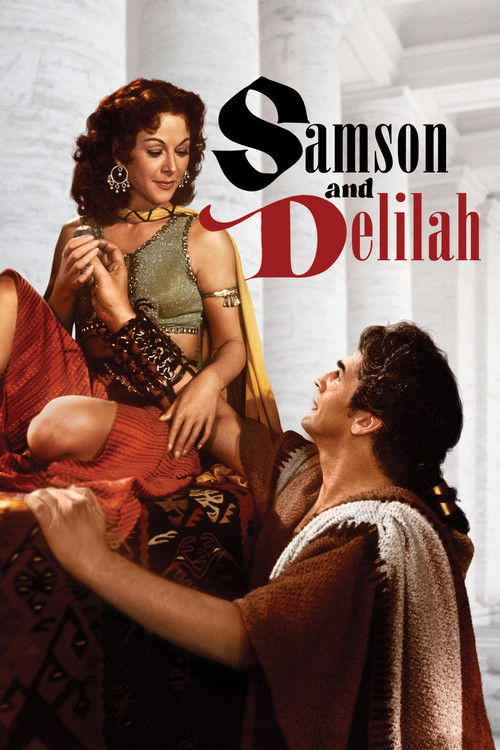
Samson and Delilah1949
Hedy Lamarr and Victor Mature in Technicolor sin and redemption. Pure Hollywood Bible—melodramatic, sensual, utterly committed to the pulp of it all.
But The gender politics are appalling by any standard, and the dialogue is arch even for 1949.
The Last Temptation of Christ1988
Scorsese's Jesus is a man struggling with doubt and desire, not a icon. Spiritually serious, formally ambitious, and genuinely unsettling in ways The Bible never attempts.
But Deliberately blasphemous in ways that will genuinely upset religious viewers. It exists to provoke, not to comfort.
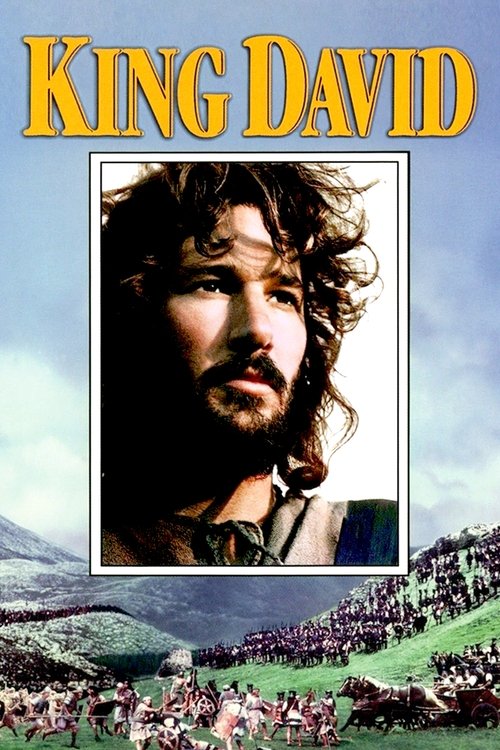
King David1985
Richard Gere as a flawed, sensual David. Treats the Biblical figure as a real man—ambitious, violent, sexual—rather than a saint. Surprisingly dark.
But Wildly uneven in tone and quality; sometimes it knows what it's doing, sometimes it's just confused.
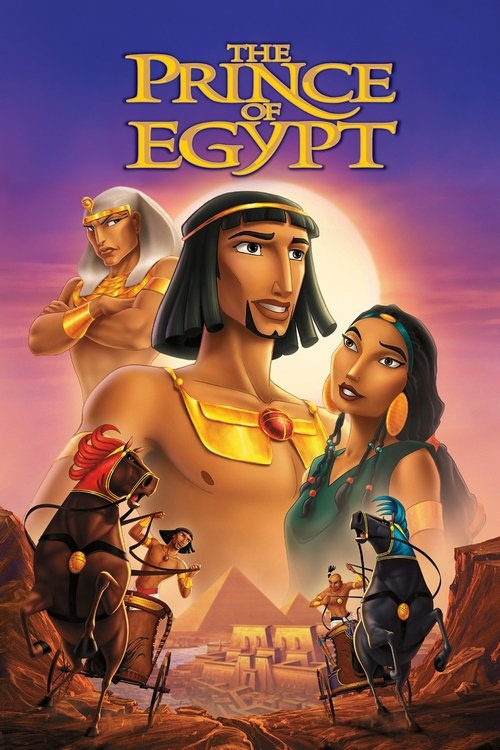
The Prince of Egypt1998
DreamWorks' animated Moses is genuinely moving and visually stunning. The Exodus sequence alone is worth your time, and the emotional core never feels cheap.
But It's animation, which some audiences dismiss reflexively, and the musical numbers will either delight or exhaust you.
Intolerance: Love's Struggle Throughout the Ages1916
D.W. Griffith's four-era narrative montage includes Babylon and Christ's ministry. Technically revolutionary for 1916, and the ambition is staggering even if it doesn't quite work.
But Silent film grammar takes adjustment, and the Babylon section overwhelms the Biblical material. Also, Griffith's a complicated figure whose other work is genuinely harmful.

The OA2016
Both treat spiritual transformation as visible, cinematic, and real. Both believe the invisible made tangible is television's great possibility. The Bible uses spectacle; The OA uses strangeness.
Mysterious, visually inventive, spiritually ambitious television about resurrection and consciousness. It looks nothing like The Bible but reaches for the same metaphysical yearning through science fiction language.
But It's deliberately obscure, demands active attention, and was cancelled on a cliffhanger that Netflix never resolved.