
Television series
The OA
Brit Marling's slow-burn mystery follows a young blind woman who reappears after seven years missing — sighted, changed, and reciting an origin story so strange that everyone around her, and possibly the audience, has to choose whether to believe it. It starts as trauma drama and ends somewhere genuinely cosmic. This is for viewers who'll surrender to full sincerity rather than wait for a wink.
If you liked this
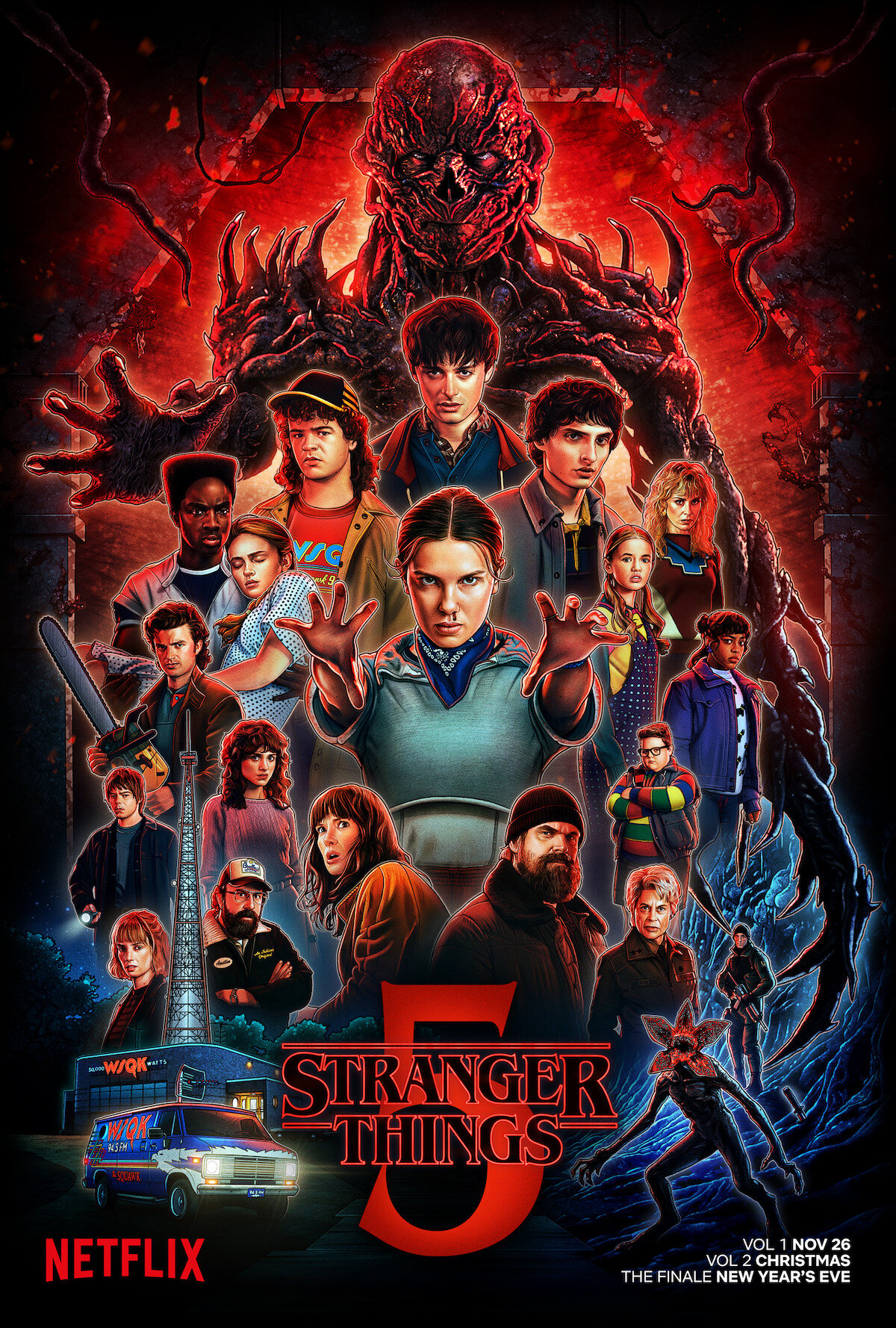
Stranger Things2016
Netflix's other missing-kid, hidden-dimension mystery, but glossier, faster, and built for pure enjoyment rather than existential demand — a great gateway if you want the wonder without the philosophical homework.
But Leans on nostalgia and jump-scares rather than sincerity; its answers stay comfortably in genre, never metaphysical.
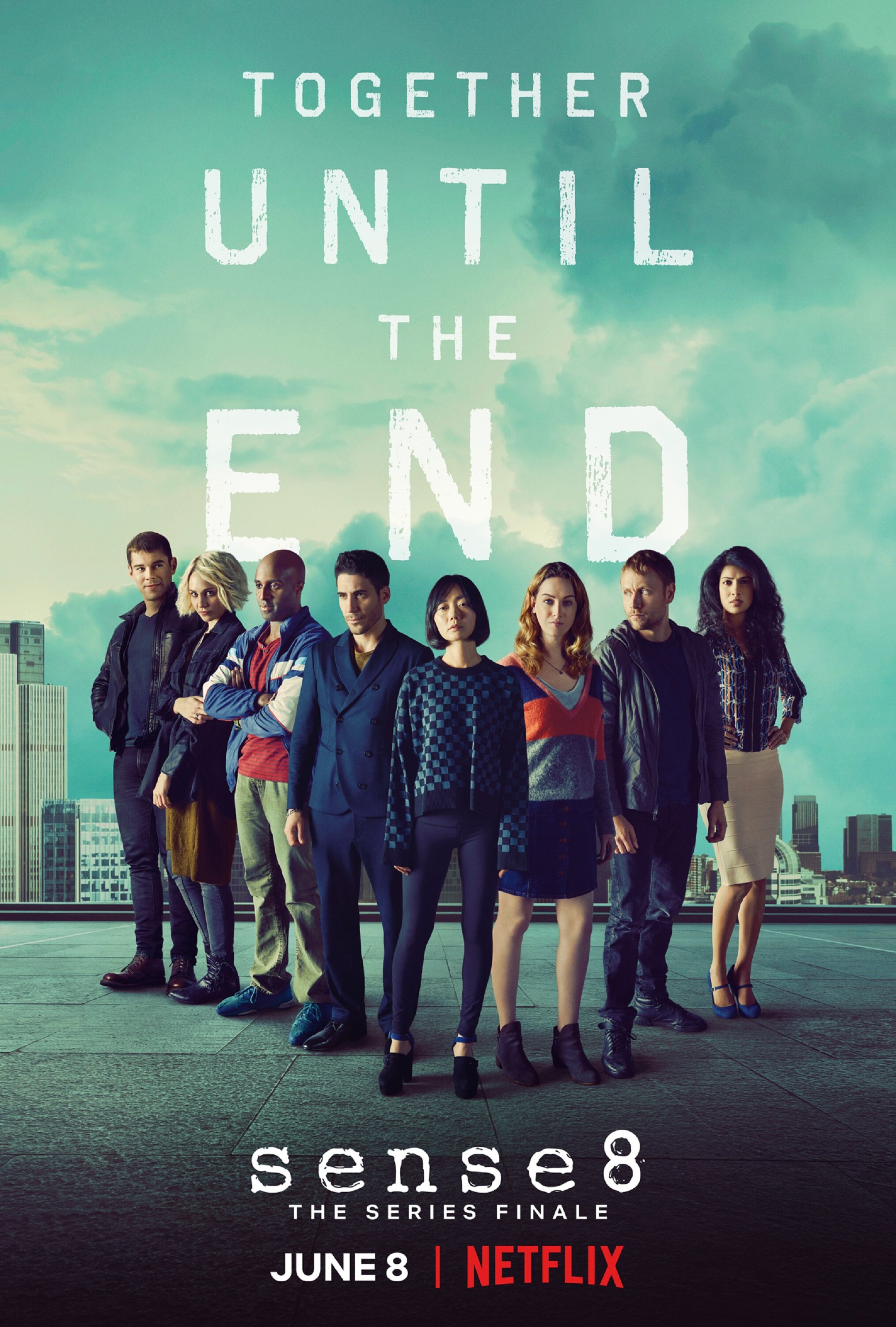
Sense82015
Marling's spiritual cousin in ambition — eight strangers on different continents linked by an inexplicable bond, filmed with the same wide-eyed conviction that connection can be literal, not just a metaphor.
But Even more sprawling and unresolved, and its cancellation leaves bigger threads dangling than The OA ever did.
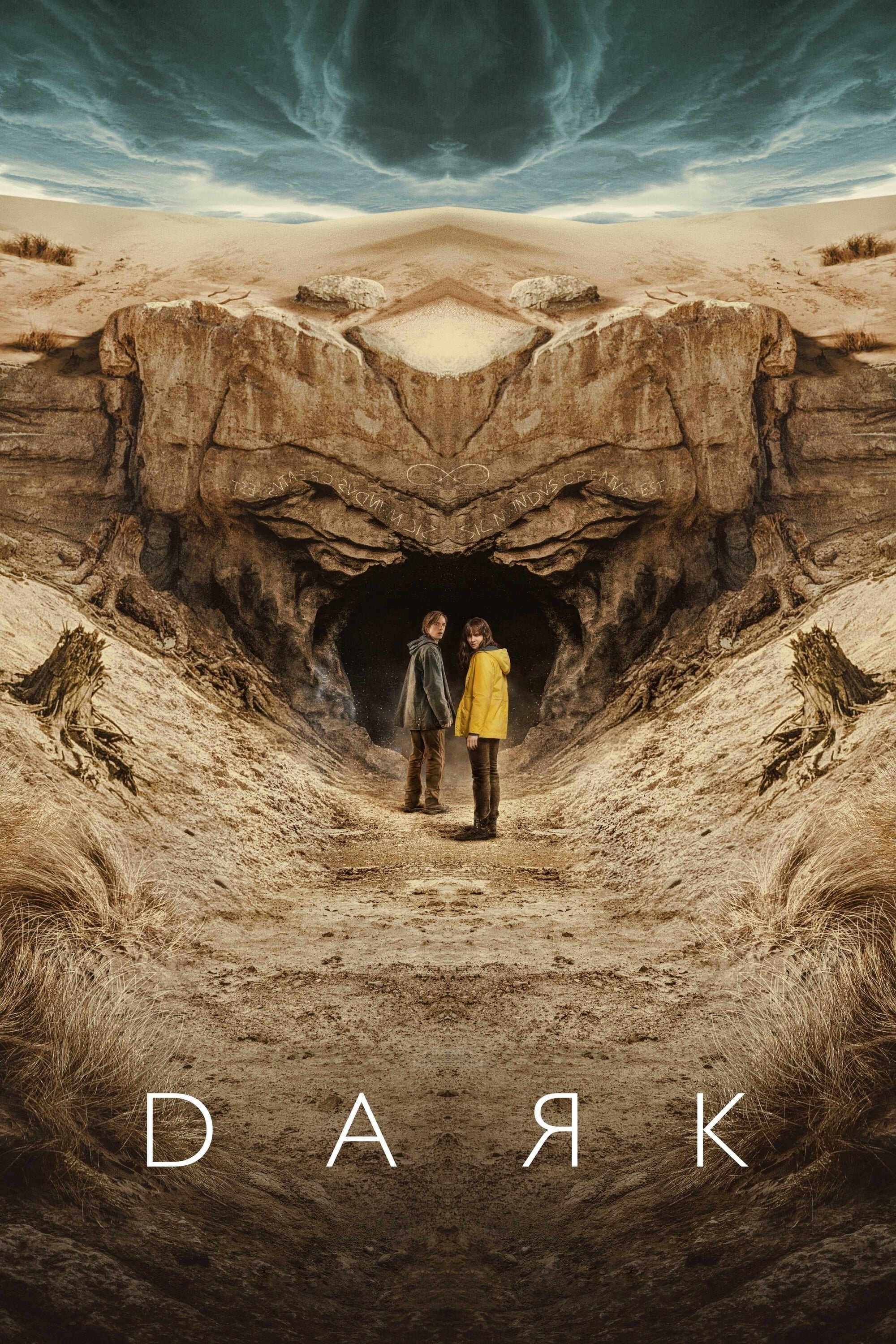
Dark2017
Trades the group-therapy intimacy for a genealogical time-travel puzzle box, but shares the same total commitment to internal logic and a small town discovering cosmic implications in local grief.
But Colder and more clinical, more diagram than feeling, and the tangled timelines demand serious sustained attention.
The wildcard
Something you would not have found on your own.
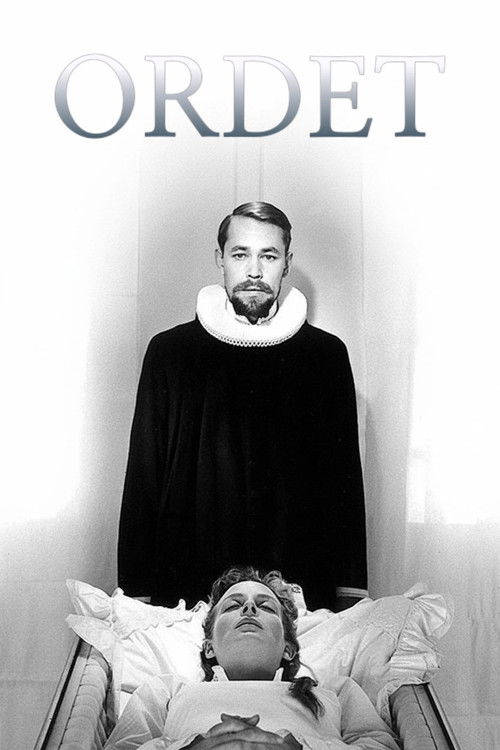
Ordet1955
This is the arthouse ancestor of the demand The OA makes: believe the impossible thing happening in front of you, or don't watch. Dreyer asks it with a corpse and a prayer instead of a wormhole.
Carl Theodor Dreyer's black-and-white Danish drama about faith, doubt, and a literal miracle performed in a farmhouse living room, staged with total, unblinking sincerity and not a trace of irony.
But Slow, austere, and religious in a way modern viewers may find alienating rather than moving.
More like this (8)
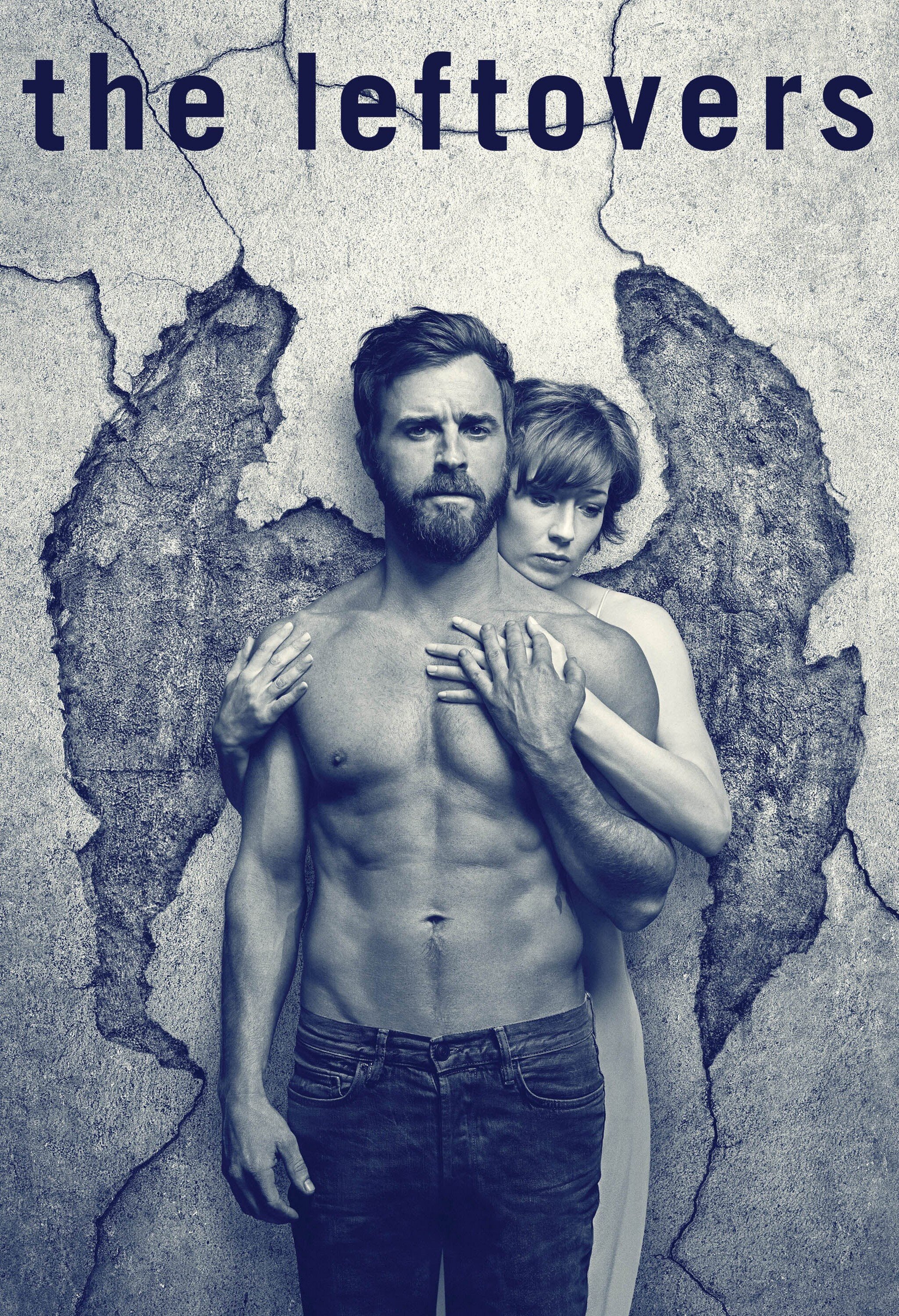
The Leftovers2014
Drops the sci-fi machinery entirely but keeps the exact question the OA is obsessed with: what do you do with an experience no one else believes happened to you?
But No tidy mythology to hold onto, and its patience with unresolved grief can feel genuinely punishing at times.
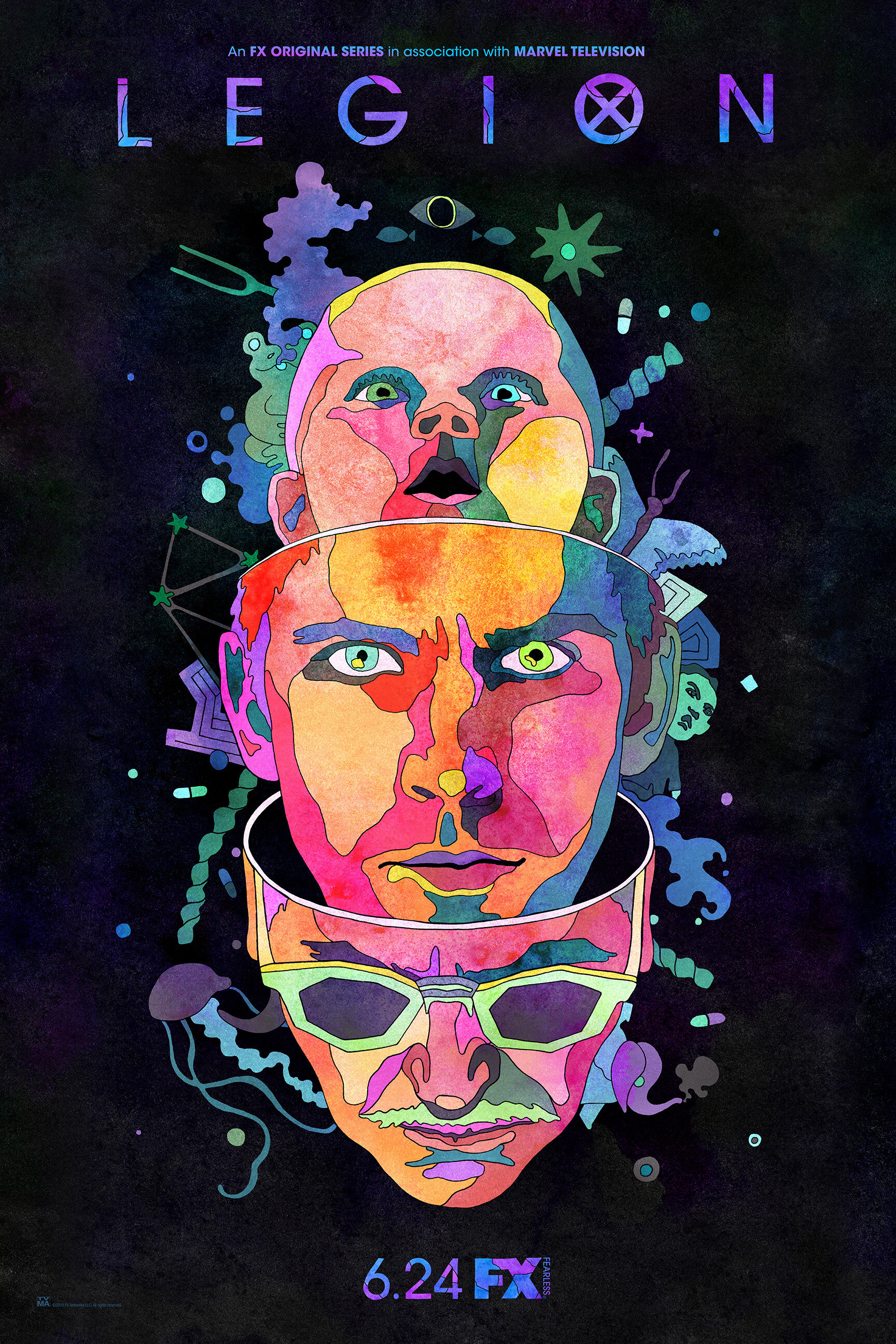
Legion2017
Reality bends around a traumatized, unreliable protagonist, shot with swirling visual confidence and the same refusal to explain itself that made The OA so divisive and so loved.
But Much stranger and messier tonally, closer to a fever dream than a story — patience runs thin fast.
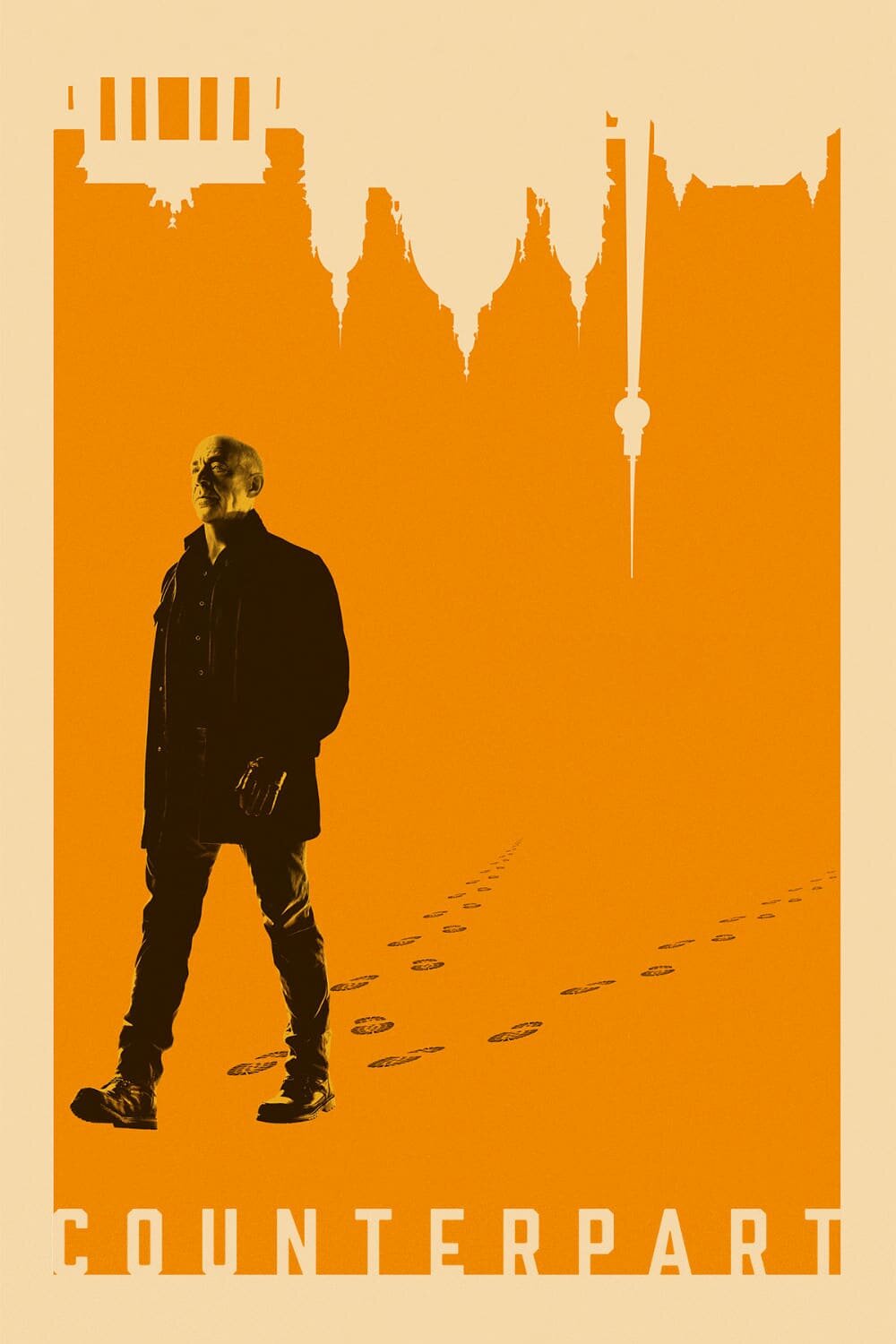
Counterpart2017
Parallel selves and secret programs dressed as a spy thriller, quietly insisting the fantastical stuff is really about identity and the choices that make you who you are.
But More procedural and less emotionally raw; its central metaphor runs colder than the OA's aching warmth.
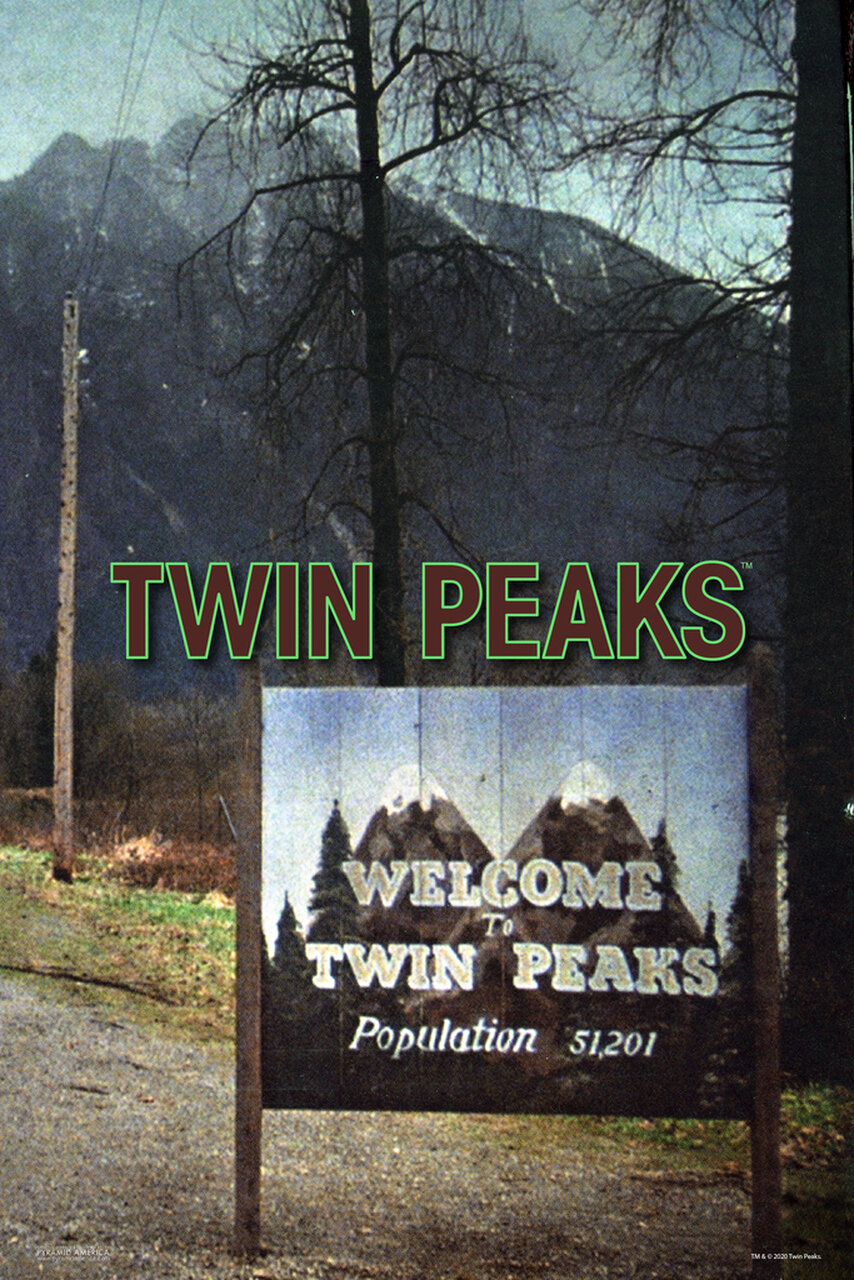
Twin Peaks1990
The show that taught television it could be sincerely, unashamedly strange — small-town mystery fused with dream logic, decades before interdimensional visions became a Netflix pitch.
But Its pace and tone are very much of their era: glacial by modern standards, and weirder in a droll, deadpan way.
Russian Doll2019
Faster, funnier, and looped rather than linear, but it lands on the same question about what death and connection actually mean — and means it just as much.
But Trades the OA's earnest wonder for comic bite; tonally it's a very different, sharper-edged animal.

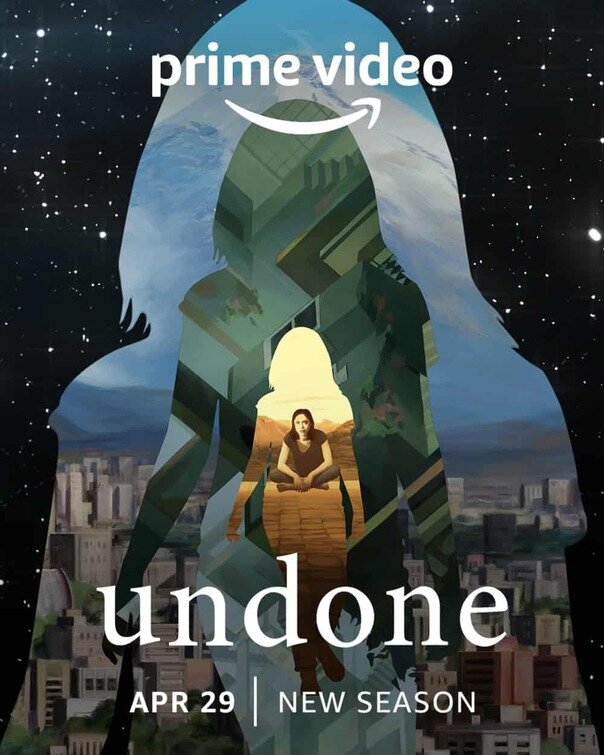
Undone2019
Animated, an hour shorter per episode, but built on the exact same dare: a young woman's ability might be trauma, might be real, and the show never tells you which.
But Only one short season of story before it wraps, and the rotoscoped animation style takes some adjustment.
Room2015
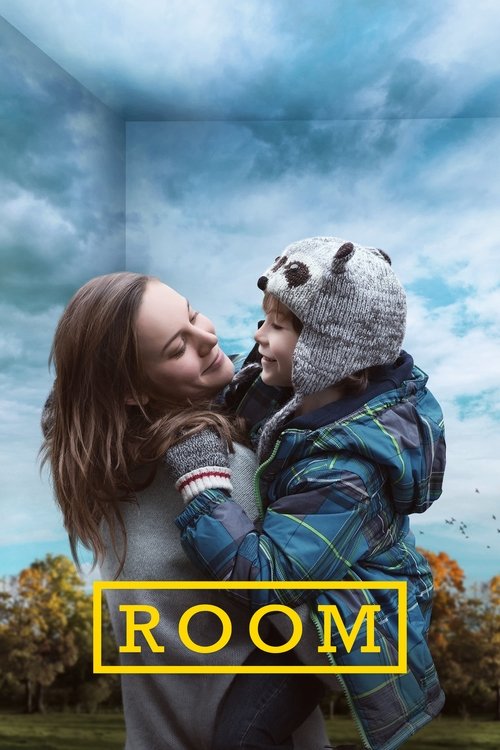
Same captor, same captivity, same disbelieving world on the other side of the door — but told straight, in two hours, with the metaphysics entirely removed. It shows you what the OA's plot looks like without its faith.
A young woman held captive for years escapes with her son and has to reintegrate into a world that treats her survival as either a miracle or a lie — the OA's core engine, stripped of every sci-fi trapping.
But Grounded and unflinching where The OA turns transcendent; there's no cosmic payoff, just the hard work of coming back.
Manifest2018
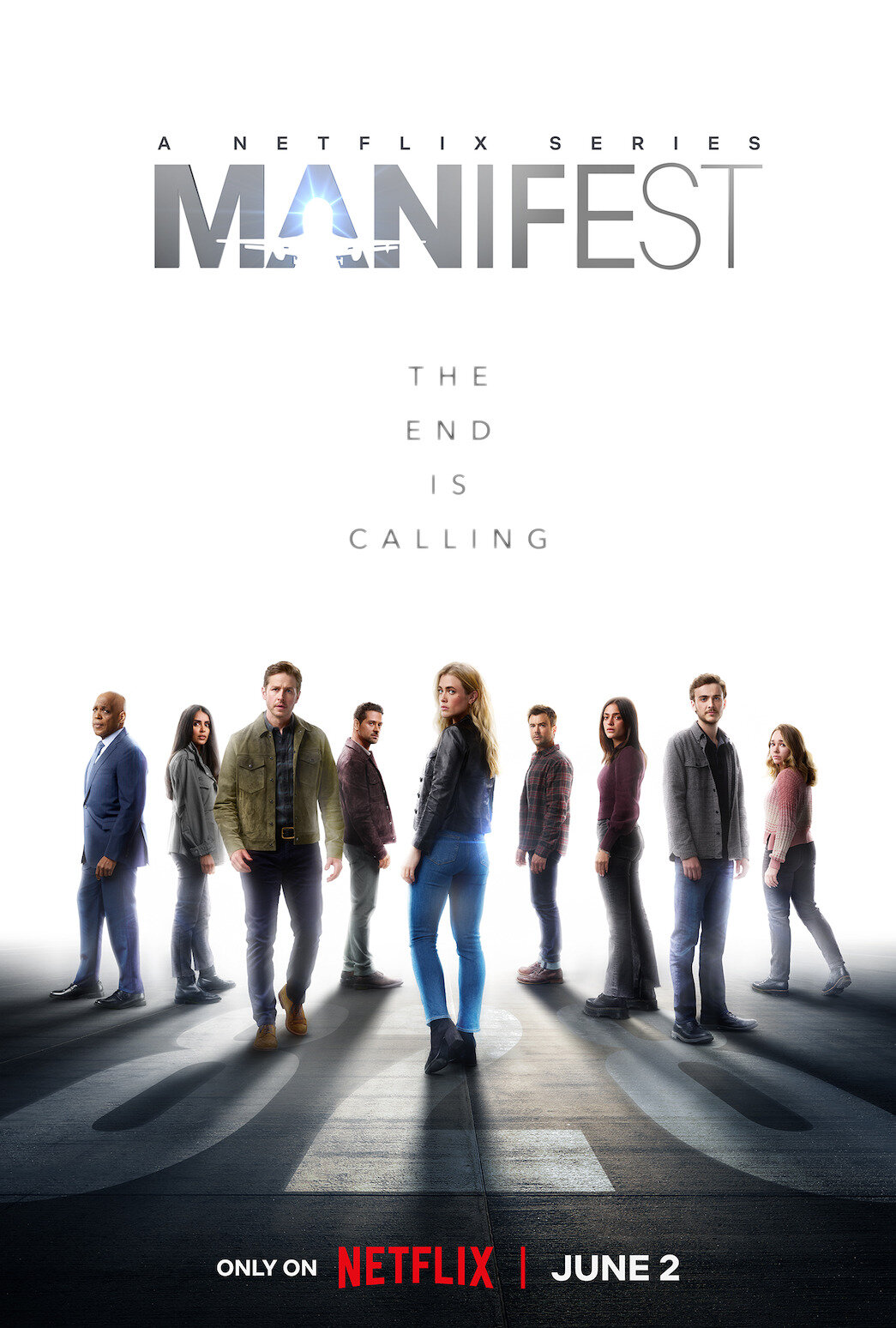
It's the same disappearance-and-return mystery running on network-procedural fuel instead of prestige-arthouse conviction — proof the engine works even dressed in primetime trash.
People vanish, then return changed and carrying a secret metaphysical truth nobody else can see — the OA's premise remade as glossy, melodramatic network television with commercial breaks and cliffhangers.
But Broader, soapier, and far less interested in ambiguity; it wants you gripped, not unsettled or philosophically stranded.
People
Cast






Writing
- Brit MarlingCreator
- Zal BatmanglijCreator
Production
- Allison WilkeAssociate Producer
- Audrey EbbsAssociate Producer
- Brennan ParksAssociate Producer
- Melanie MarnichCo-Executive Producer
- Carey Len SmithCo-Producer
- Alison EngelExecutive Producer
- Blair FetterExecutive Producer
- Brad PittExecutive Producer
- Brit MarlingExecutive Producer
- Dede GardnerExecutive Producer
- Jeremy KleinerExecutive Producer
- Michael SugarExecutive Producer
- Nina WolarskyExecutive Producer
- Sarah EsbergExecutive Producer
- Zal BatmanglijExecutive Producer
- Ashley ZaltaProducer
- Jill FootlickProducer