
Television series
Grand Army
Grand Army follows five Brooklyn high schoolers navigating trauma, inequality, and coming of age at one of America's largest public schools. It's raw and urgent, tackling sexual assault, racism, and economic hardship with unflinching honesty. For viewers who want YA that doesn't look away from real consequences.
Should you watch it?
Watch it if you like ensemble teen drama that takes its characters' online lives, class pressures and sexual politics as seriously as their homework, and you don't mind a raw, restless style that refuses to tidy things up.
Skip it if you want a tidy, self-contained season; it's dense, loud and busy with overlapping storylines, and its nine episodes can feel crowded when the tone swings hard between sharp humour and anguish.
What it asks of you: Nine episodes of roughly 53 minutes, with attention needed to keep track of five overlapping lives, and a willingness to sit with discomfort rather than be rescued from it.
Not sure? Find tonight's pick in a minute.
If you liked this
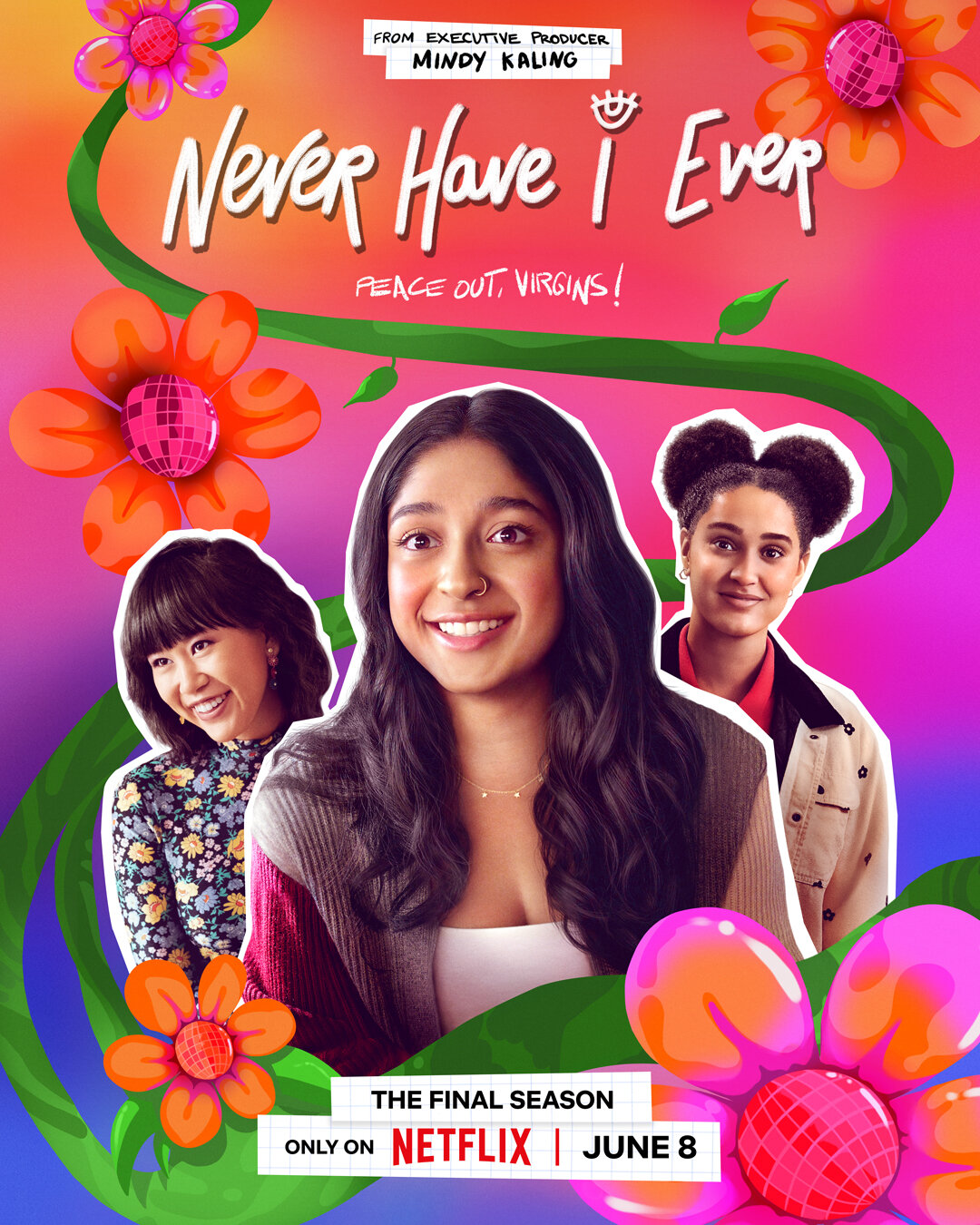
Never Have I Ever2020
Funny, self-aware high school comedy that treats its characters' struggles—identity, family pressure, grief—with genuine weight. Devi's voice is irresistible, and the show earns its emotional beats.
But Can veer toward sitcom lightness when Grand Army stays heavy. Doesn't engage with systemic issues the same way.
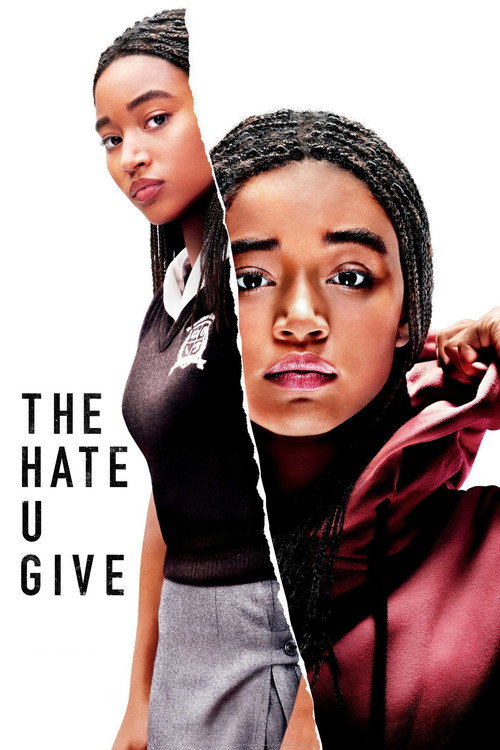
The Hate U Give2018
Starr witnesses police brutality and must find her voice. Angry, beautiful, structurally brilliant—it captures the specific terror of code-switching and the cost of survival.
But A film, not a series, so less time to sit with characters. Some will find the ending too neat given its premise.
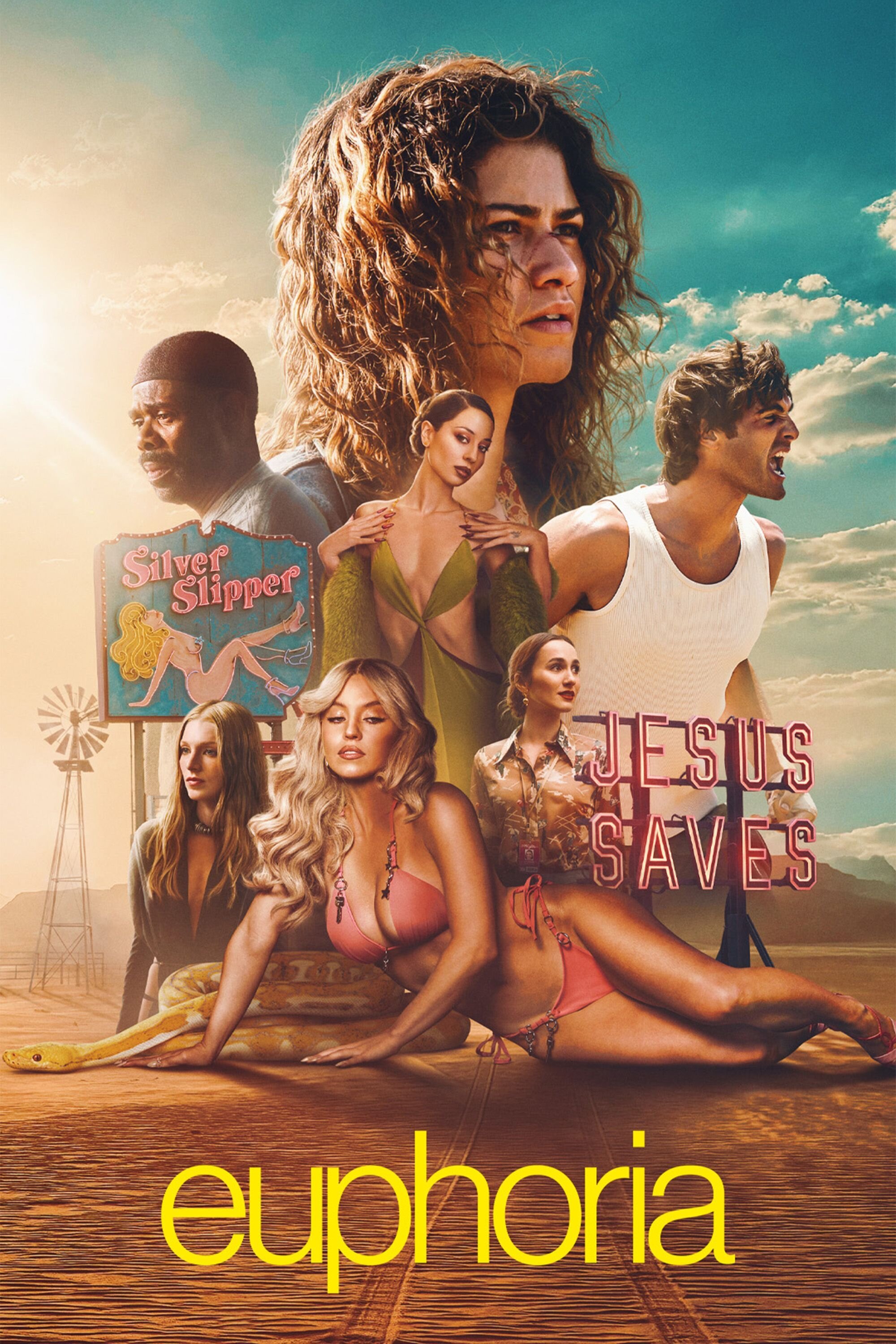
Euphoria2019
Uncompromising portrait of Gen Z fracture: addiction, abuse, trauma, identity. Visually audacious and emotionally devastating. If you want TV to hurt, it delivers.
But Much more stylized and music-driven than Grand Army. Extremely dark; some find the aesthetic can overshadow character.
Not sure tonight? Get a pick in a minute, starting from Grand Army
The wildcard
Something you would not have found on your own.
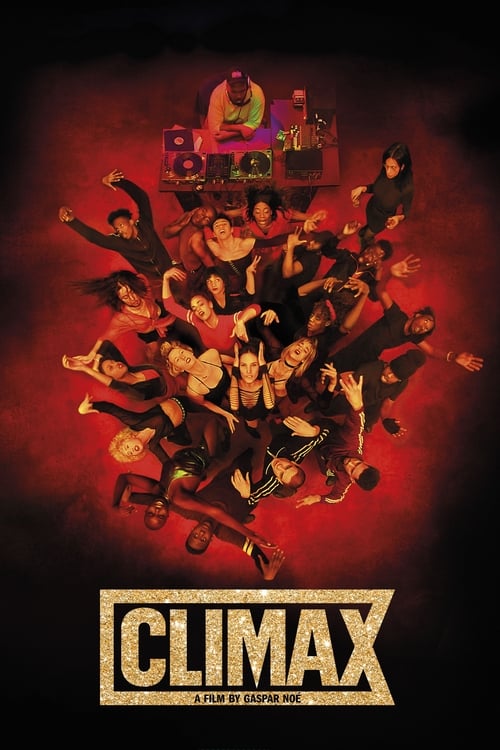
Climax2018
Both use ensemble casts to explore how quickly safety collapses. Where Grand Army examines systemic betrayal, Climax watches immediate physical violation. Both refuse to soften the aftermath.
Gaspar Noé's nightmare about dancers trapped in a rehearsal space while their sangria is spiked. Assaultive, hypnotic, and structurally audacious. A film about violation and spiraling that doesn't look away.
But Deliberately difficult—long takes, no plot in traditional sense, sexually graphic violence. French-language. Designed to be uncomfortable.
More like this (8)
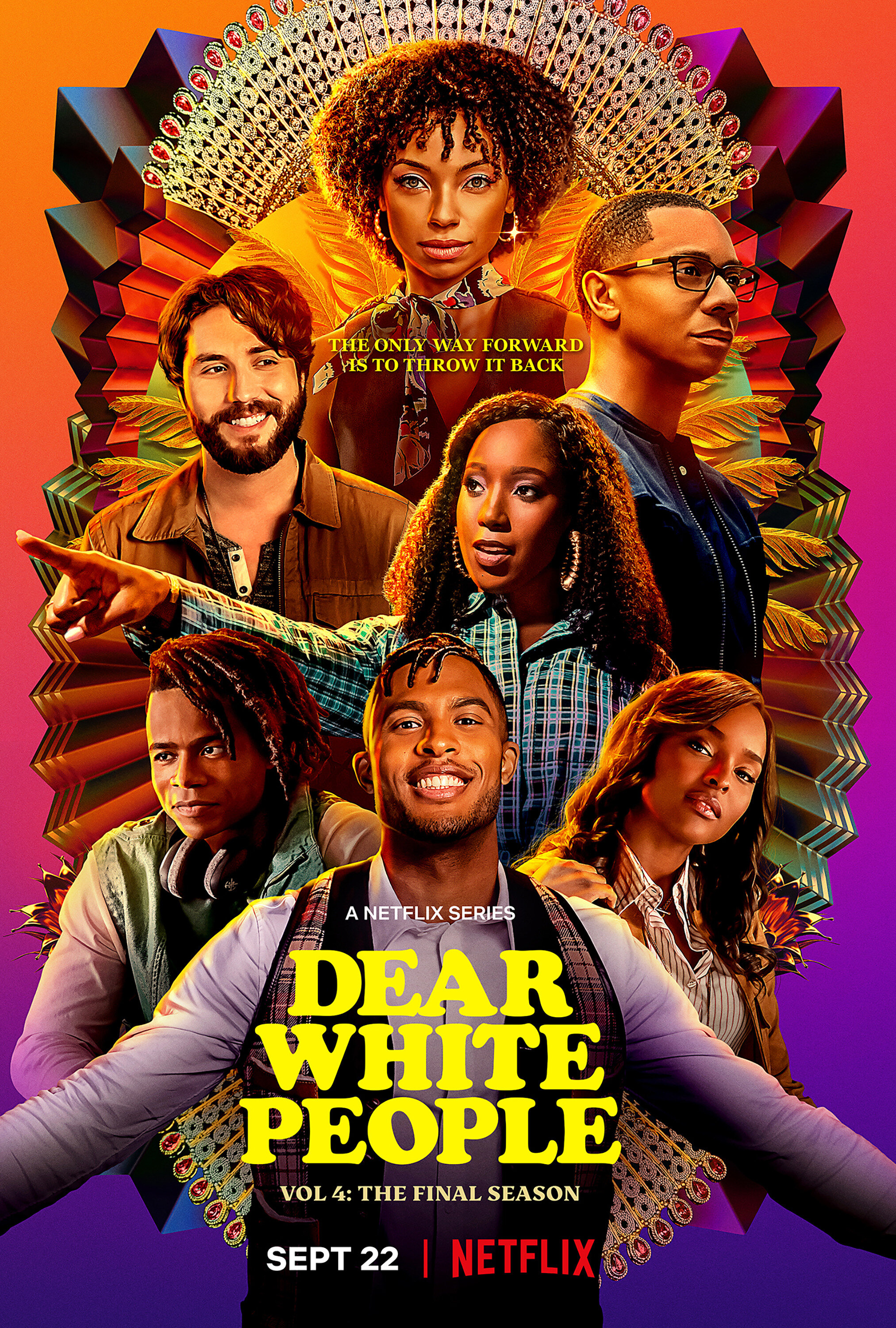
Dear White People2017
Sharp ensemble navigating race, class, and identity at an Ivy League college. Biting dialogue, structural ambition, and genuine tenderness beneath the satire.
But More satirical and less grounded than Grand Army. The college setting is different territory.
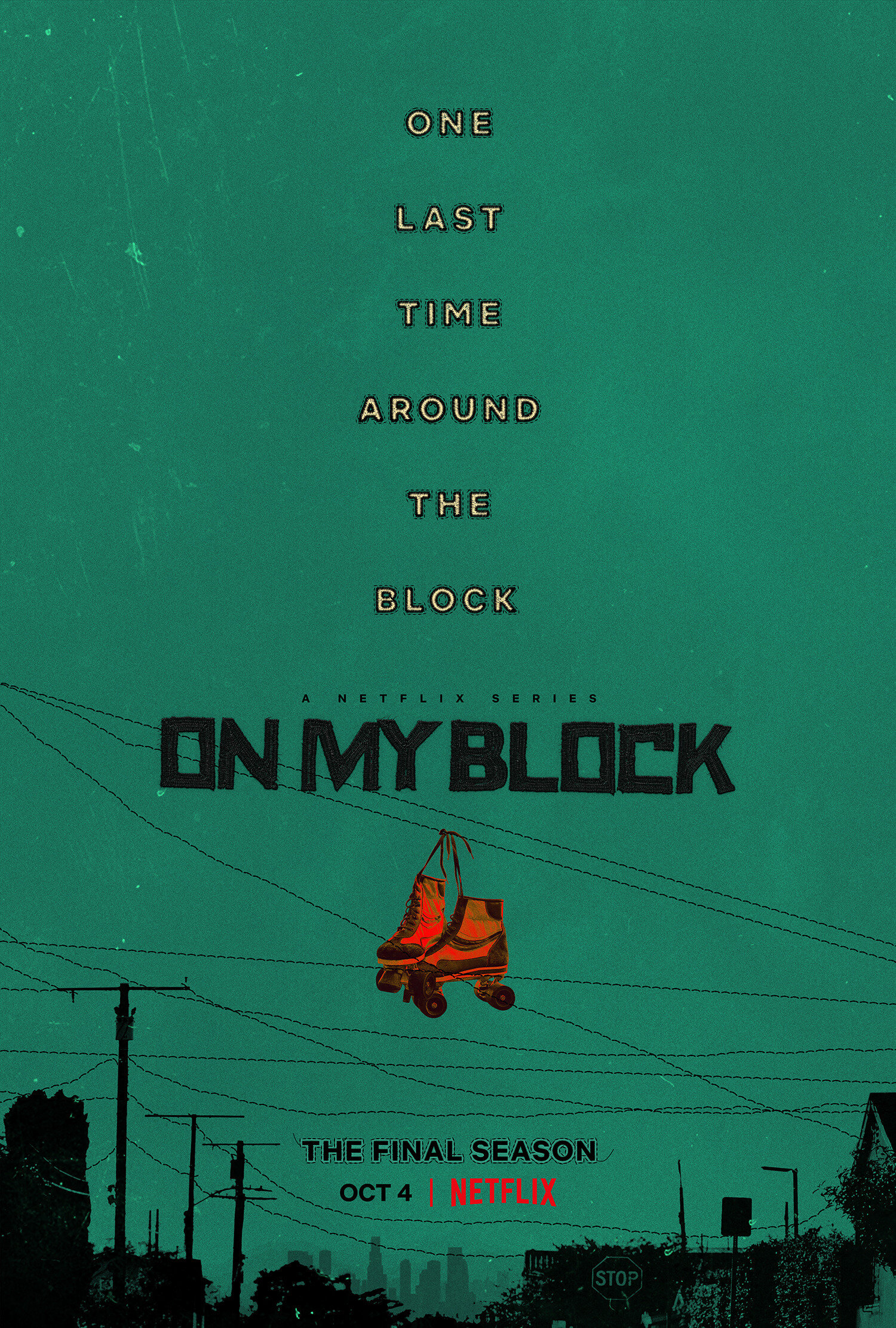
On My Block2018
Four LA teens facing gang violence, economic hardship, and the weight of their neighborhood. Funny and tragic in the same breath. Feels lived-in and specific.
But Ended on a cliffhanger that was never resolved. Lighter in tone than Grand Army, though still serious.
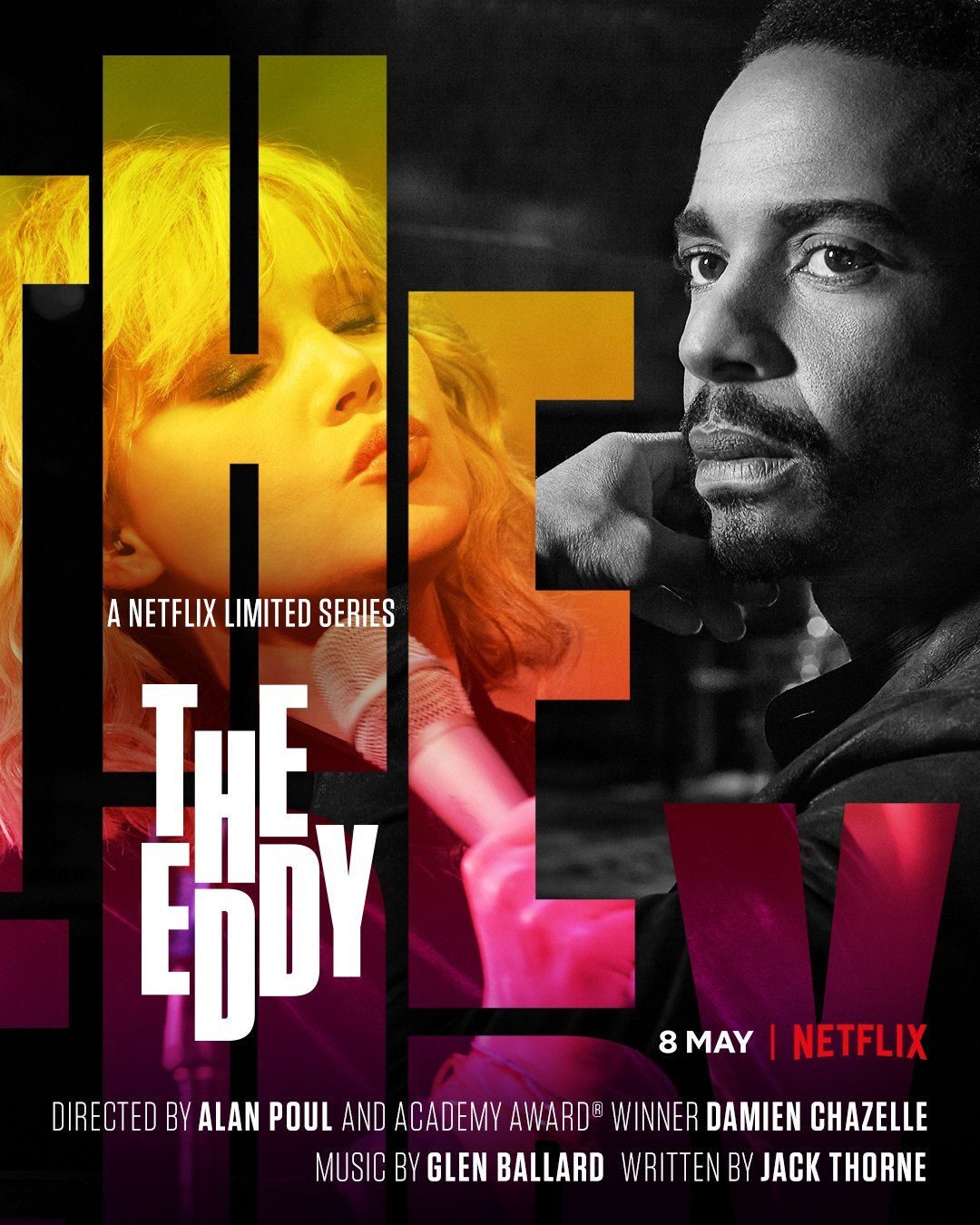
The Eddy2020
Damien Chazelle's Paris-set jazz series. Each episode directed by a different hand; visually restless and formally inventive. Captures the chaos of real lives colliding.
But More oblique than Grand Army. Some found it frustratingly nonlinear; the plot takes a back seat to atmosphere.
Pose2018
Queer Black and Latinx ballroom culture in 1980s Harlem and New York. Joyful, defiant, and heartbreaking. Celebrates beauty and community under duress.
But Period piece, so different aesthetic and setting. Ends on its own terms rather than the violent realism Grand Army trades in.

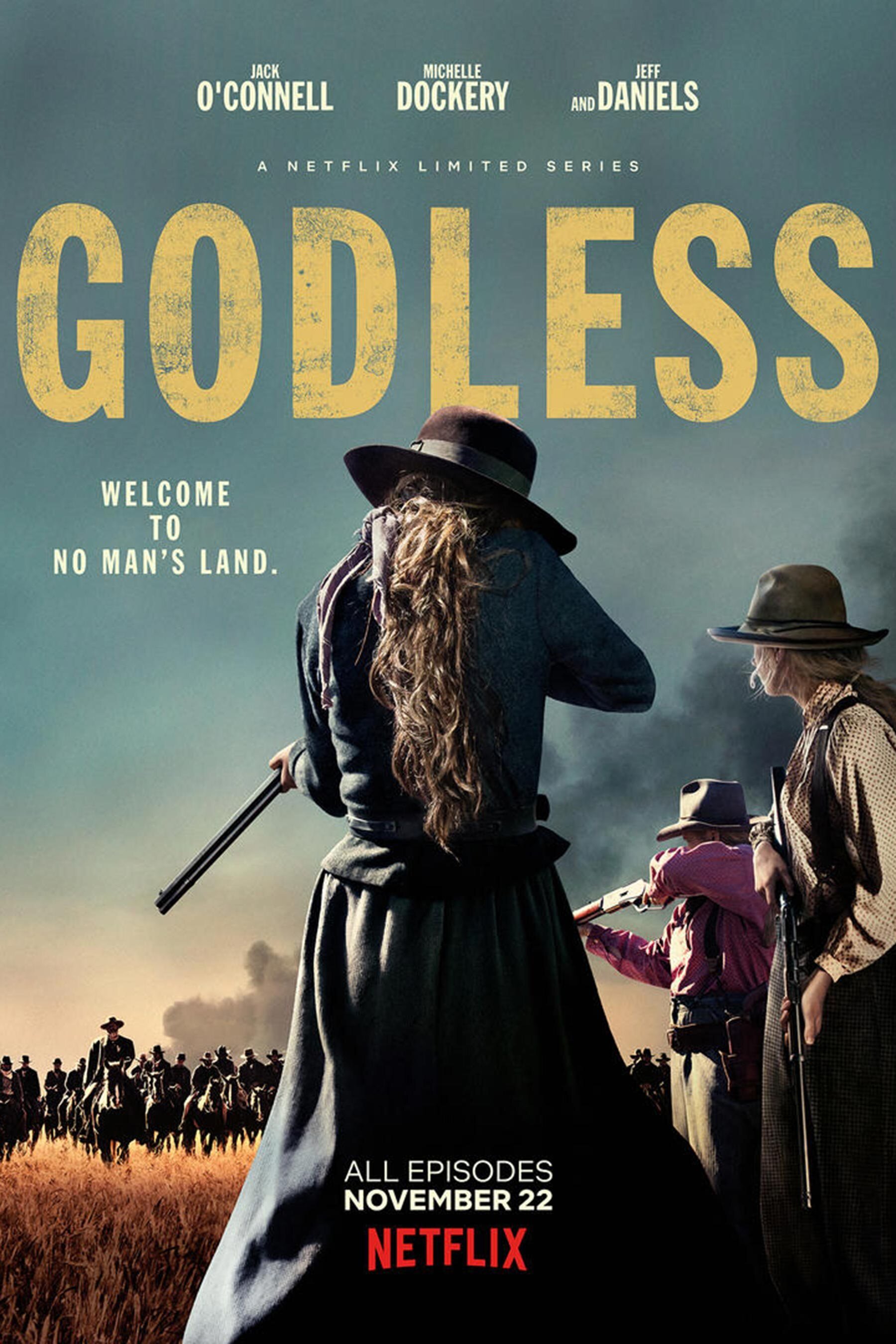
Godless2017
Western where a town run by women confronts a ruthless mining clan. Morally complex, visually gorgeous, and genuinely tense. Women carry the story without apology.
But Period western, totally different genre and era. Doesn't engage with modern institutional oppression.
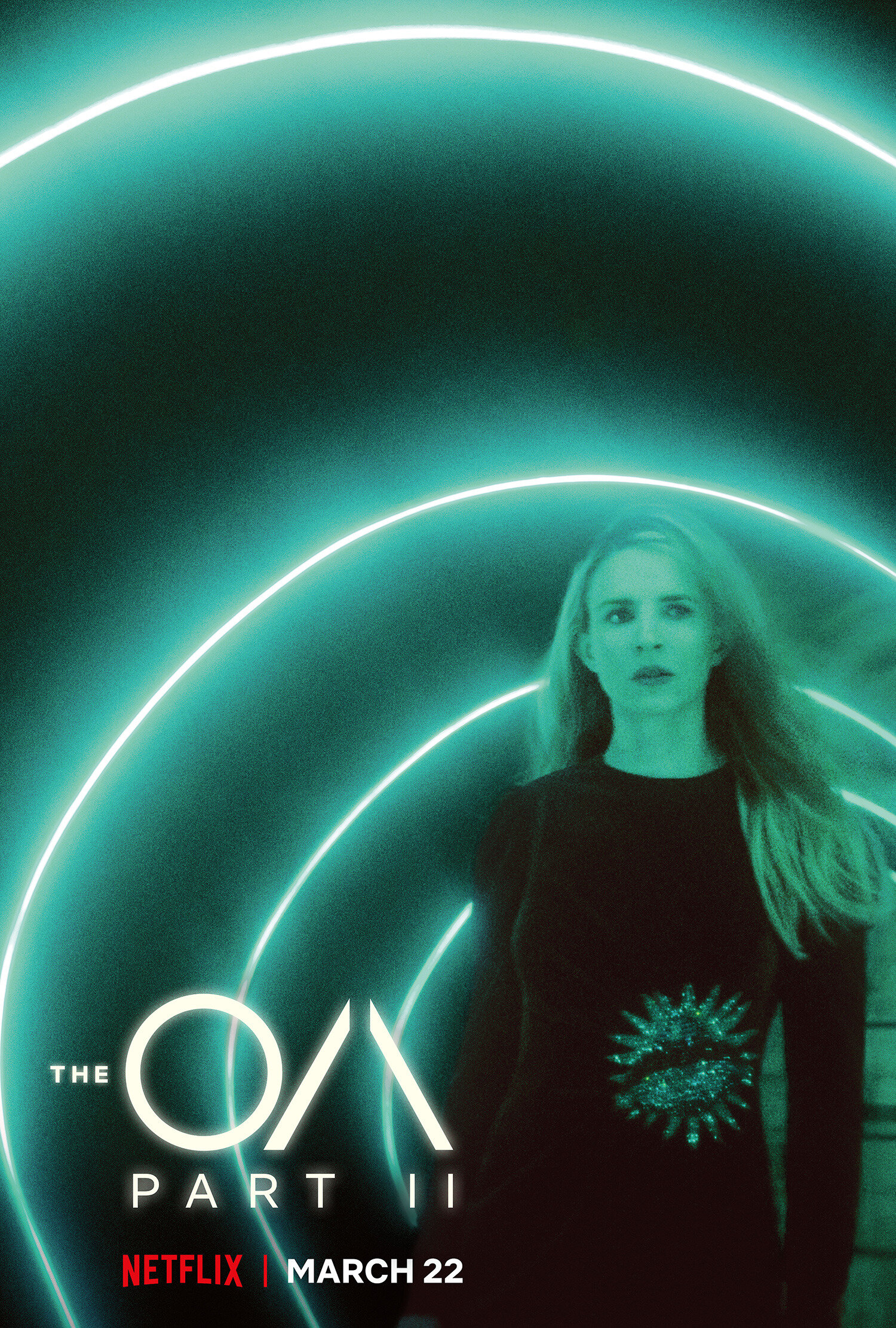
The OA2016
Blind woman returns sighted and gathers five strangers to stop an interdimensional threat. Bizarre, ambitious, genre-bending. Takes genuine creative risks.
But Cancelled after two seasons on a cliffhanger. Far more fantastical than Grand Army's grounded realism. Cult following means high expectations.
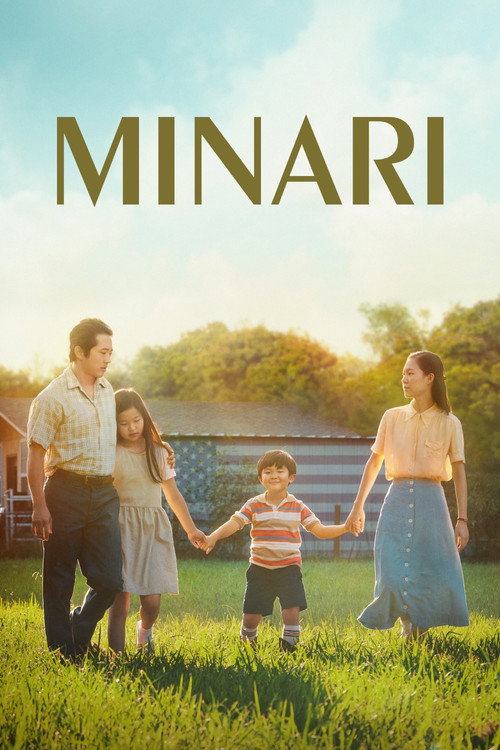
Minari2021
Both track how kids inherit their parents' impossible choices. Grand Army's students carry their families' trauma into school; Minari's protagonist watches his family's sacrifice and cannot save them. Systemic inequality wearing a human face.
Korean family immigrates to Arkansas to farm. Intimate, funny, and quietly devastating. Shows how survival and belonging are not the same thing, even within family.
But Slow, meditative pacing. Subtitled. The conflict is emotional and economic, not dramatic—nothing explodes. Requires patience.
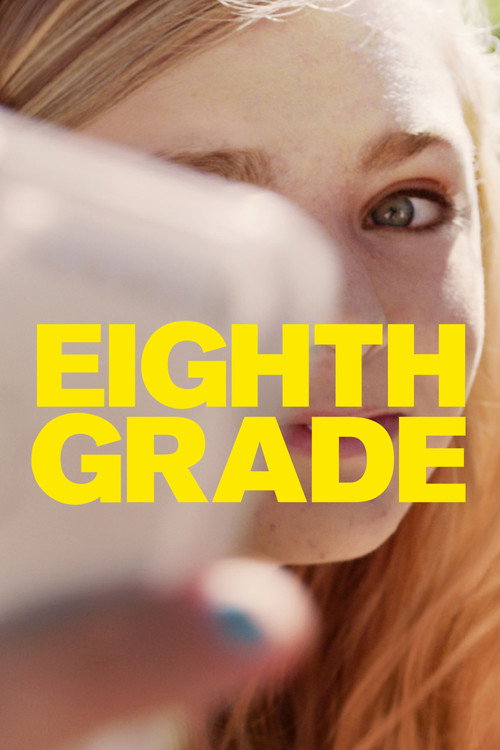
Eighth Grade2018
Both capture adolescence at a specific historical moment—when visibility is currency and exposure is inevitable. Grand Army's students live with their crises publicly; Kayla creates crisis in private and broadcasts it. Digital permanence is the engine in both.
Bo Burnham's mortifying, hilarious portrait of Kayla, a 13-year-old filming YouTube advice videos for followers who don't exist. Agonizing and exact. Captures social media shame and the death of childhood.
But Secondhand embarrassment is the entire genre. No plot, no climax—just accumulated small devastations. Can feel slight if you're in the wrong mood.
People
Cast






Writing
- Katie CappielloCreator
- Ming PeifferStory Editor
- Randy McKinnonStory Editor
Production
- Hilary BettisCo-Producer
- Taja PerkinsCo-Producer
- Beau WillimonExecutive Producer
- Elizabeth KlingExecutive Producer
- Jordan TappisExecutive Producer
- Joshua DonenExecutive Producer
- Katie CappielloExecutive Producer
- Nicolette DonenExecutive Producer
- Chris HatcherProducer