
Film
Don't Worry Darling
A stylish 1950s sci-fi thriller about a woman in a perfect suburban company town who begins noticing disturbing inconsistencies in her reality. Olivia Wilde directs with immaculate production design and a genuine sense of creeping dread, anchored by Florence Pugh's increasingly unsettled performance. It's a slow-burn mystery that rewards attention to detail.
Should you watch it?
Watch it if you love a glossy, unsettling puzzle box where the production design and a sense of something rotten under the pastel surface do most of the storytelling, and you don't mind a plot that leans on mood over logic.
Skip it if you want a tightly reasoned thriller; the mystery is built on atmosphere and unease, and some of its explanations are likely to feel thin or rushed if you're looking for airtight clues.
What it asks of you: Around two hours, with a slow, watchful build that spends long stretches on polished surfaces and small social unease before the tension starts to tighten and sharpen.
Not sure? Find tonight's pick in a minute.
If you liked this
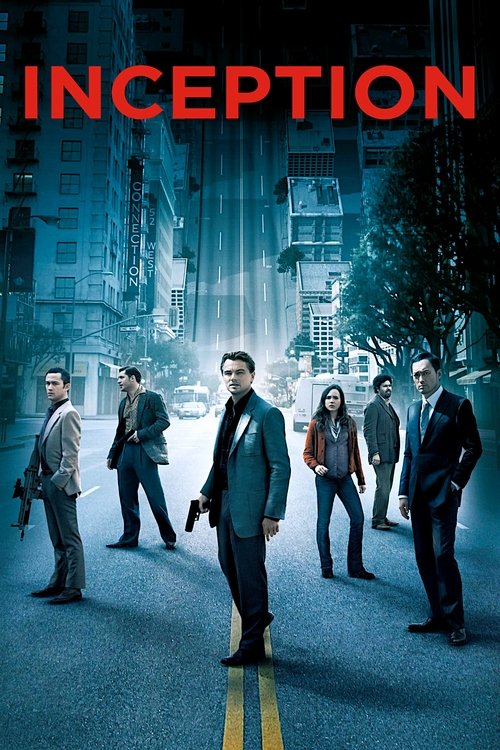
Inception2010
A labyrinthine puzzle about questioning reality itself, with the same glossy production values and mounting paranoia. Both trap their protagonists in constructed worlds and demand you piece together the truth.
But Nearly three and a half hours of exposition-heavy dialogue can feel like homework, and the ending deliberately refuses to satisfy everyone.
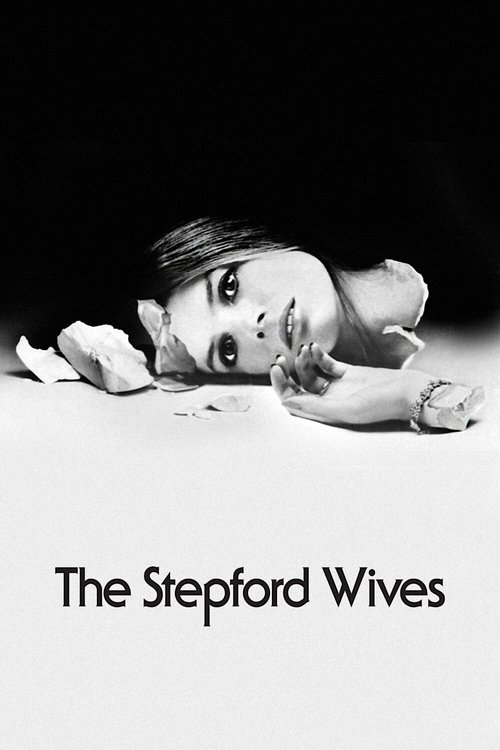
The Stepford Wives1975
The original template for suburban horror: a woman realizes her new community is built on a sinister secret that denies female autonomy. It has the same DNA as Don't Worry Darling but with sharper satirical teeth.
But The pacing is deliberately slow, and some of the gender politics, though intentional, feel dated in execution rather than deliberately retro.
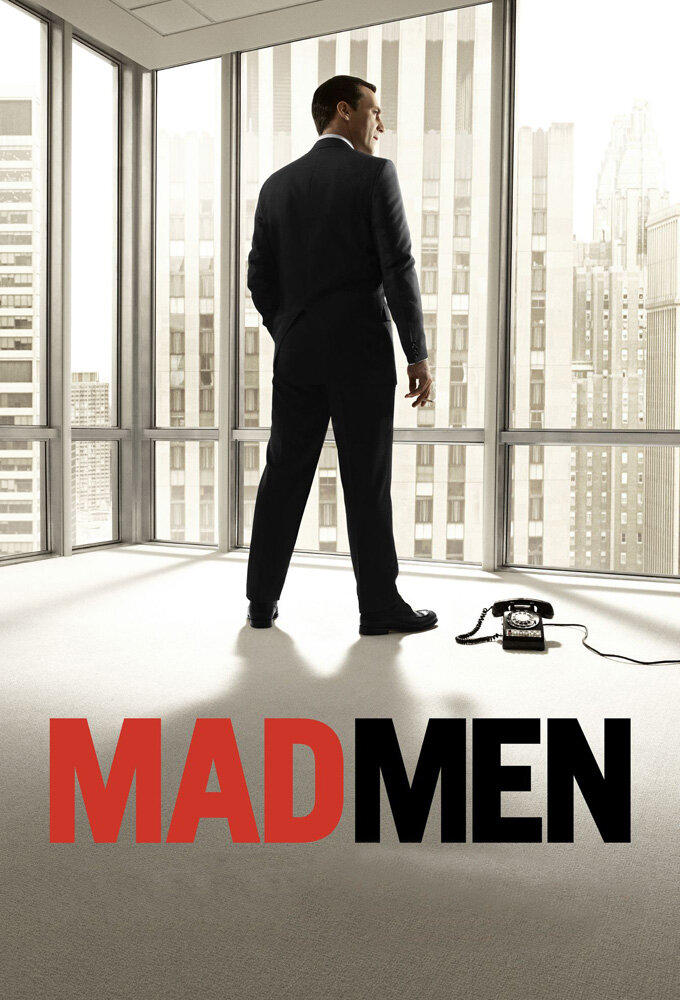
Mad Men2007
A meticulous exploration of 1950s masculine fantasy and the women trapped within it. The show shares Don't Worry Darling's visual precision and its interest in how surface perfection masks psychological rot.
But Seven seasons is a significant time commitment, and the show prioritizes character observation over plot momentum in ways that frustrate some viewers.
Not sure tonight? Get a pick in a minute, starting from Don't Worry Darling
The wildcard
Something you would not have found on your own.
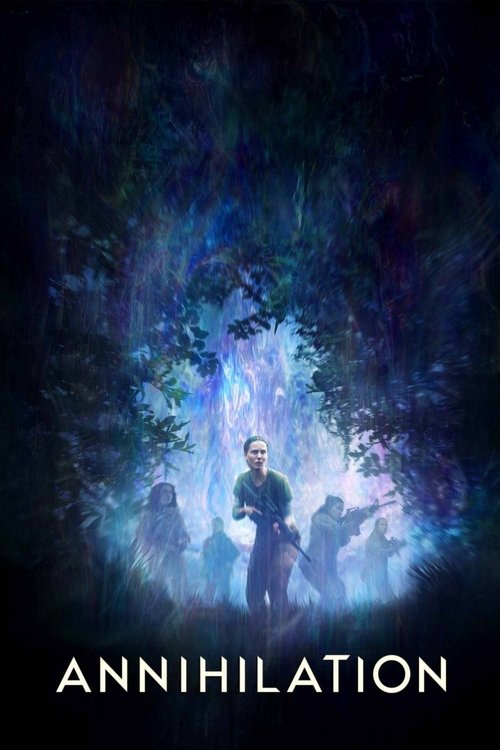
Annihilation2018
Both films use feminine bodies as the focal point for exploring worlds designed by powerful men, where beauty conceals a logic fundamentally hostile to the protagonist's autonomy.
Like Don't Worry Darling, it's a woman descending into a beautiful, meticulously constructed reality that operates by incomprehensible rules. Both use visual precision and slow-burn horror to ask what it costs to see the truth.
But The final act becomes genuinely abstract and sci-fi in ways that alienate viewers wanting clear answers or conventional resolution.
More like this (8)
Mulholland Drive2001
David Lynch's Los Angeles nightmare plays similar games with reality and identity. Both films trust the audience to notice details and draw conclusions, with a devastating final-act recontextualization.
But It's genuinely difficult on first viewing and deliberately refuses conventional narrative clarity—some find that rewarding, others exhausting.

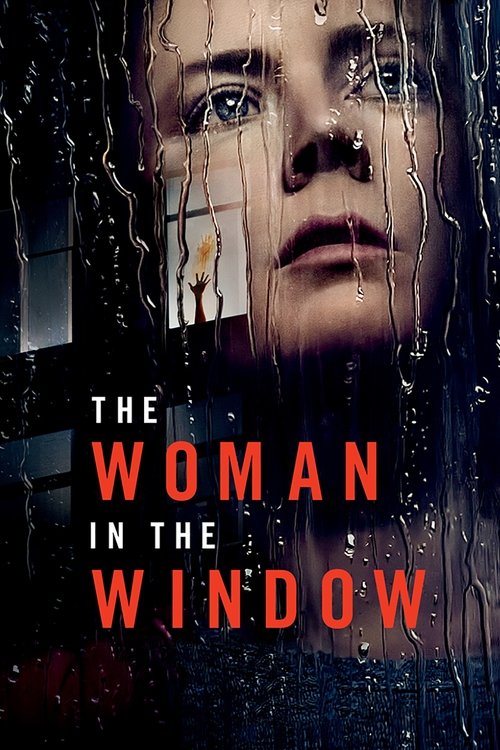
The Woman in the Window2021
A woman observing a picture-perfect neighborhood from her window becomes convinced something terrible is happening. Same unreliable-narrator unease and gorgeous cinematography applied to domestic paranoia.
But The twist relies on information withheld from the audience in ways that feel slightly cheap on reflection.
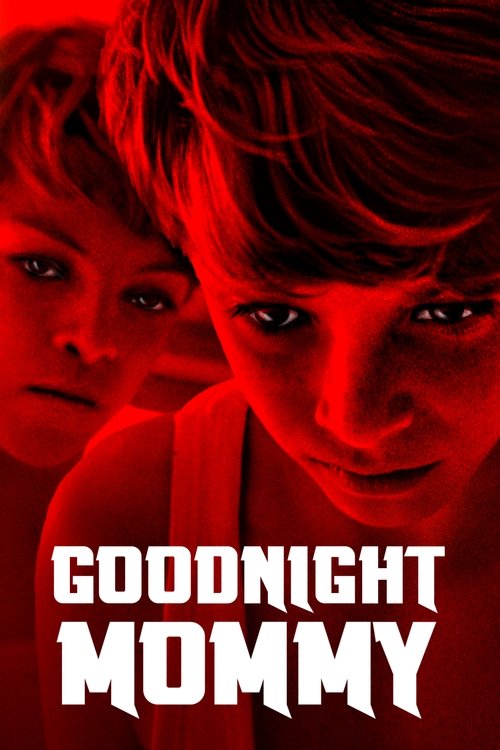
Goodnight Mommy2015
An Austrian horror-thriller about children who become convinced something is wrong with their mother after facial surgery. Shares the unsettling inversion of domestic safety and visual precision.
But It's genuinely disturbing and nihilistic—much darker in tone than Don't Worry Darling, with an ending that leaves no moral comfort.
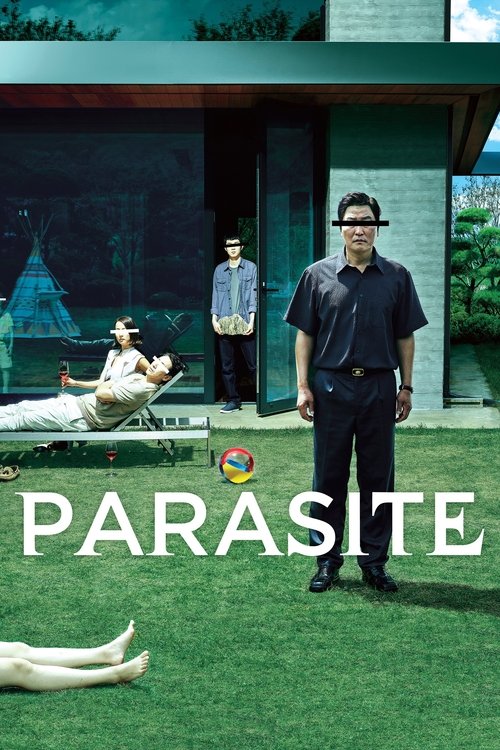
Parasite2019
A masterwork about class performance and the elaborate fiction people construct to belong. Same obsession with surface perfection concealing darker truths, though approached from a different angle.
But The tonal shifts between comedy, thriller, and tragedy confuse viewers looking for consistency, and the subtitles demand active engagement.
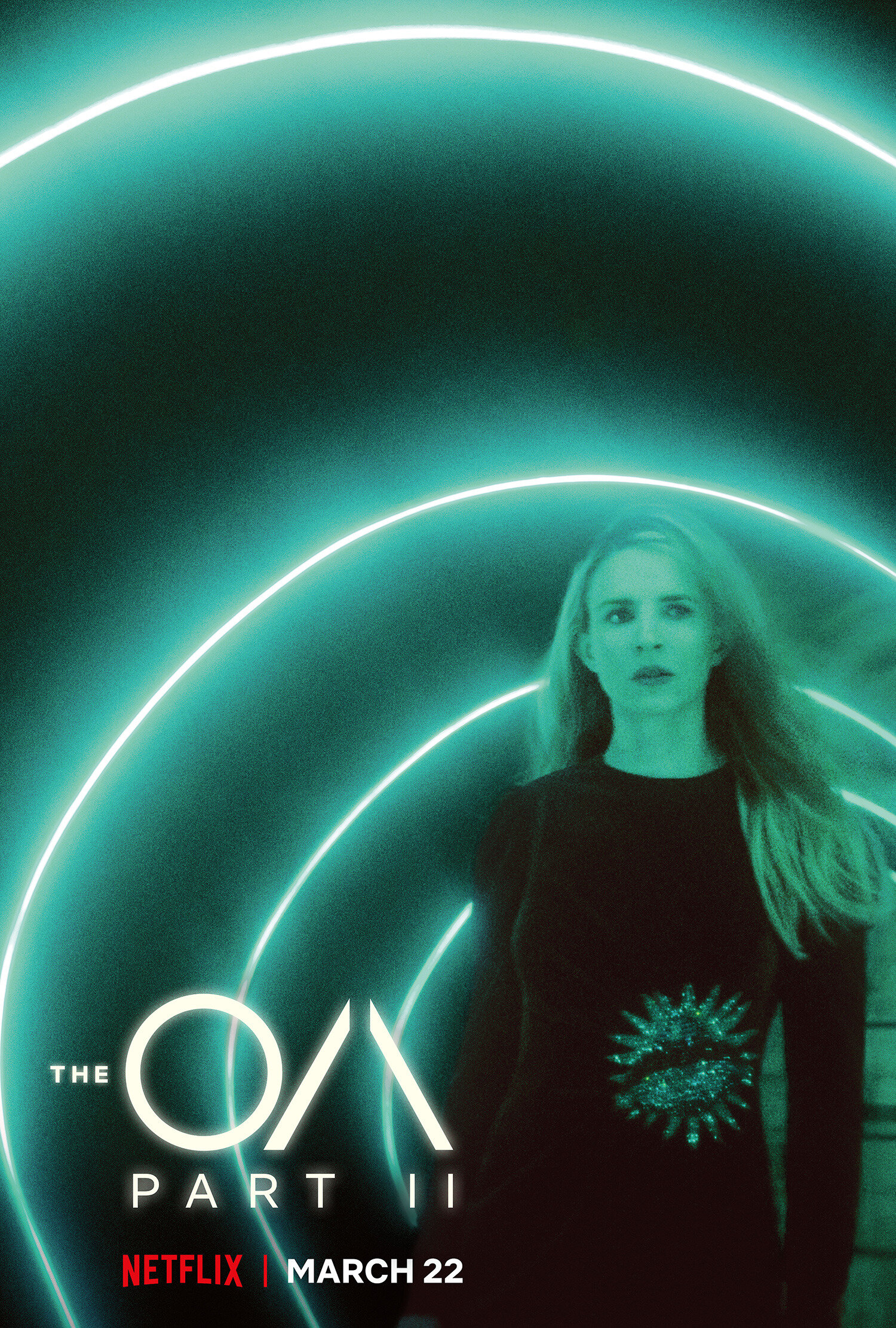
The OA2016
A surreal mystery about a woman who vanishes and returns changed, refracting reality through multiple dimensions. Both celebrate visual density and ask audiences to question what they're seeing.
But It was cancelled after two seasons on an unresolved note, and the narrative gets increasingly abstract in ways that alienate rather than intrigue some viewers.
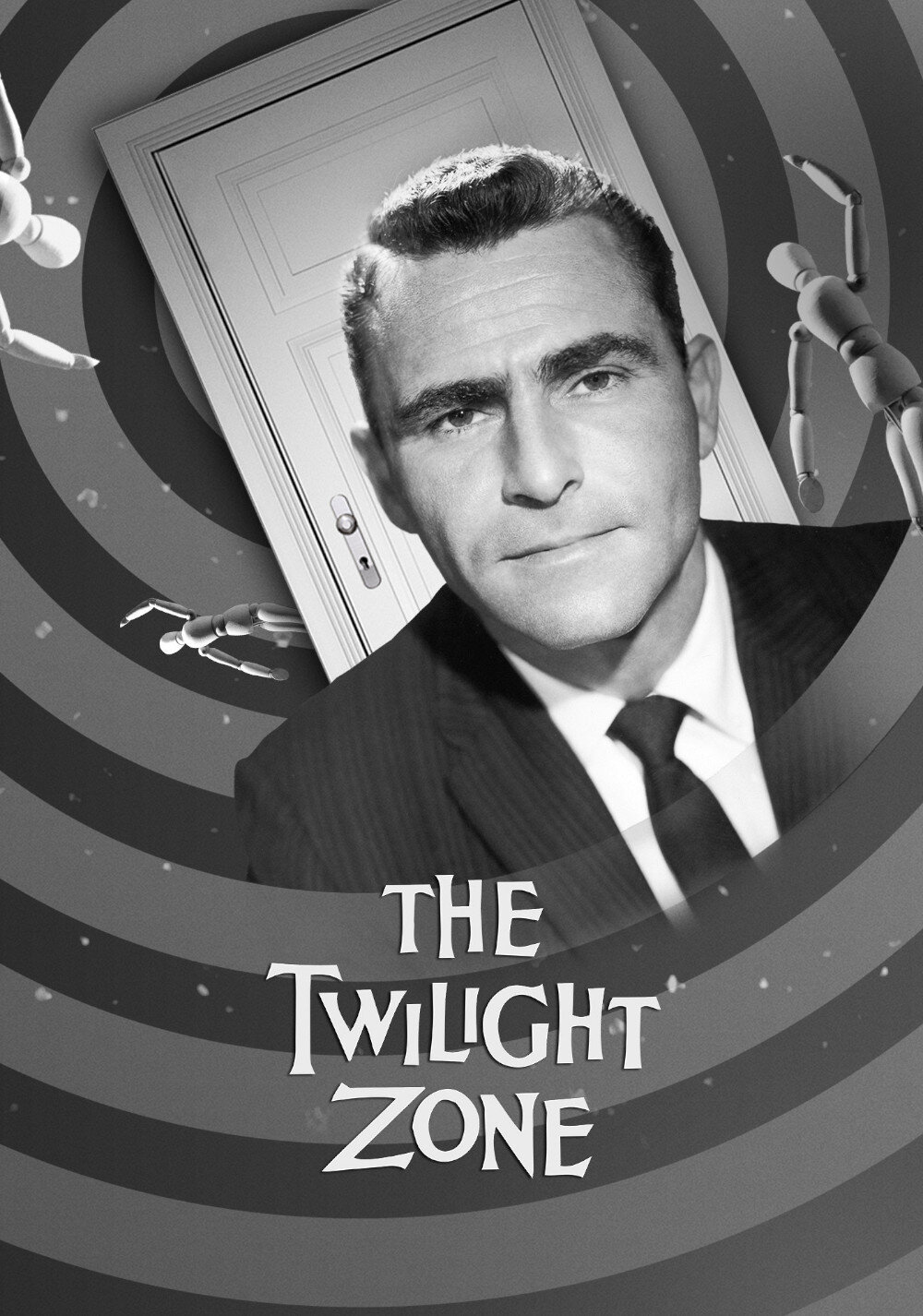
The Twilight Zone1959
The definitive template for reality-bending suspicion. Episodes like 'It's a Good Life' and 'The Midnight Sun' nail that unsettling sense of a normal world that's fundamentally wrong.
But At 25 minutes per episode, the pacing feels rushed compared to modern television, and not all 156 episodes hit the mark.
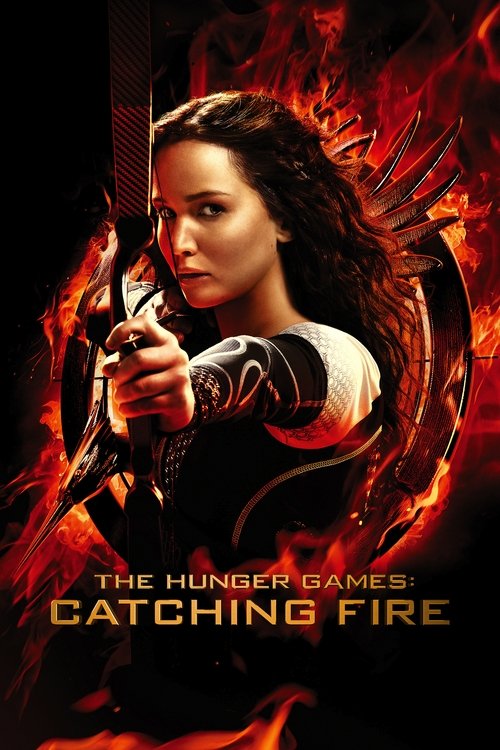
The Hunger Games: Catching Fire2013
Both center a woman's moment of recognizing that the pleasant structure of her reality was designed to manipulate her, and that knowledge demands resistance.
A woman realizing her entire world is a controlled stage for someone else's experiment. Same slow realization that safety is an illusion and rebellion demands understanding the architecture of oppression.
But It's embedded in a four-film franchise, so starting here requires context, and the YA conventions feel tonally different from Don't Worry Darling's ambiguous dread.
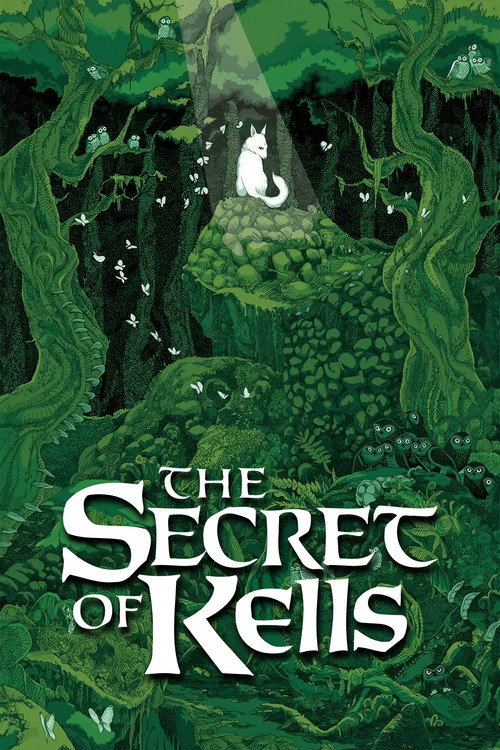
The Secret of Kells2009
Both films demonstrate that visual perfection and sinister content can coexist, and both trust audiences to feel unease through composition and design rather than jump scares or dialogue.
An animated Irish fantasy where a beautiful, detailed world contains genuine darkness. Both films are stunning to look at while exploring what lives beneath surfaces, and both value visual storytelling over exposition.
But It's a children's film with a completely different tonal register—whimsical and folkloric rather than paranoid—so the connection might feel too oblique.
People
Cast
 Florence PughAlice
 Harry StylesJack
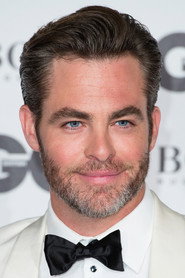 Chris PineFrank
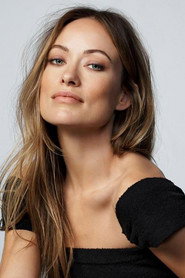 Olivia WildeBunny
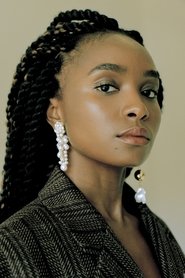 KiKi LayneMargaret
 Gemma ChanShelley
 Nick KrollDean
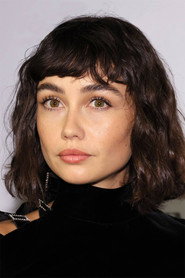 Sydney ChandlerViolet
 Kate BerlantPeg
 Asif AliPeter
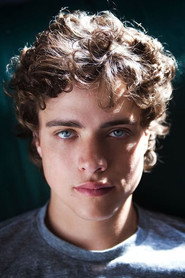 Douglas SmithBill
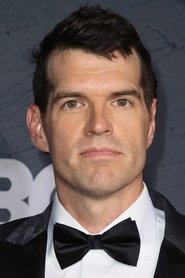 Timothy SimonsDr. Collins
Directing
- Olivia WildeDirector
- Jonas SpaccarotelliFirst Assistant Director
- Mark Anthony LittleFirst Assistant Director
- Brendan LeeSecond Assistant Director
- Micheal Edward KingSecond Second Assistant Director
Writing
- Katie SilbermanScreenplay
- Carey van DykeStory
- Katie SilbermanStory
- Shane van DykeStory
Production
- Allison JonesCasting
- Emily BuntynCasting Associate
- Alex G. ScottExecutive Producer
- Carey van DykeExecutive Producer
- Catherine HardwickeExecutive Producer
- Celia KhongExecutive Producer
- Richard BrenerExecutive Producer
- Shane van DykeExecutive Producer
- Rich KingExtras Casting
- Levi VincentExtras Casting Assistant
- Chris BaughLocation Manager
- Katie SilbermanProducer
- Miri YoonProducer
- Olivia WildeProducer
- Roy LeeProducer