
Film
The Hunger Games: Catching Fire
A sequel that justifies its existence. *Catching Fire* deepens the political machinery beneath the Games' spectacle, trades teenage romance for genuine moral stakes, and commits to the idea that Katniss is a symbol whether she wants to be or not. It's sharper, angrier, and more architecturally satisfying than its predecessor. For anyone who loves dystopian fiction with teeth.
Should you watch it?
Watch it if you want a dystopian story where the politics of spectacle matter as much as the archery, and you don't mind a middle act that spends time on the cost of being a public face.
Skip it if you were hoping for the sharp, bloody survival of the first film, because this sequel is slower and talkier, lingering over politics and parties.
What it asks of you: Around two and a half hours, with a slow build before the story lurches into gear, so settle in and let the early scenes breathe.
Not sure? Find tonight's pick in a minute.
If you liked this
The Hunger Games2012
Establishes the world and Katniss's character with real economy. If you haven't seen it, start here—*Catching Fire* assumes you know who everyone is and what the Games are. The first film earns the second.
But The action is genuinely confusing to follow; handheld cameras and quick cuts obscure what's happening in combat. Some find the premise exploitative rather than critical.
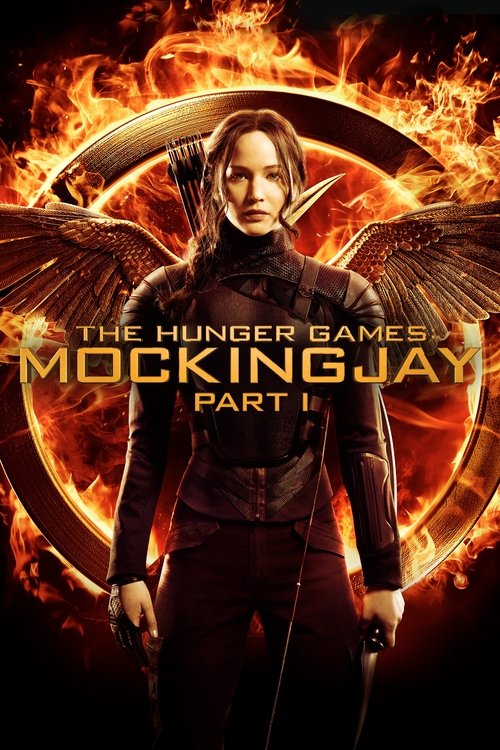
The Hunger Games: Mockingjay - Part 12014
Completes the trilogy. Where *Catching Fire* sowed seeds of rebellion, this one watches them grow into organized resistance. The tone darkens considerably, and the propaganda warfare becomes the real subject.
But It's deliberately slower and more propagandistic than the first two films. If you want spectacle, this one delivers introspection instead. The ending is a setup, not a conclusion.
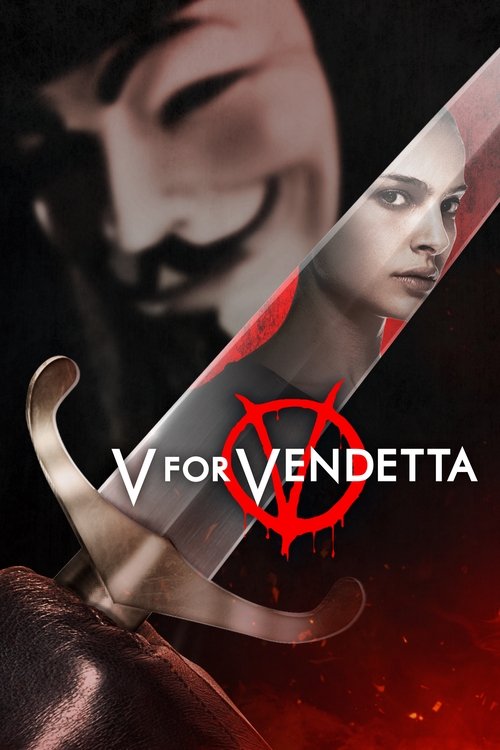
V for Vendetta2006
Another revolution-through-symbols story, but told from the insurgent's perspective. A masked operative uses spectacle and terror to awaken a populace. The visual language of rebellion and the cost of becoming what you're fighting against.
But Heavy-handed in places, and the politics are more pulp than nuanced. The action is occasionally incoherent, and some moments feel dated now.
Not sure tonight? Get a pick in a minute, starting from The Hunger Games: Catching Fire
The wildcard
Something you would not have found on your own.
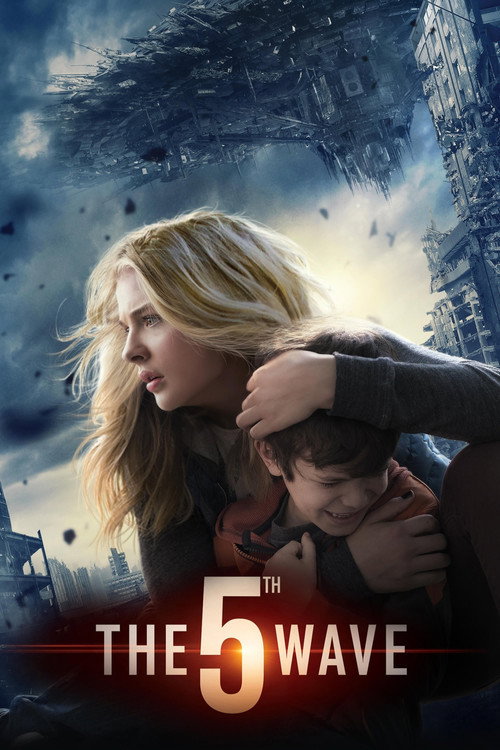
The 5th Wave2016
Both explore how systems use young people as propaganda, and both feature protagonists learning that compliance might be more dangerous than rebellion.
Alien invasion story where the real enemy isn't the extraterrestrials but the way fear makes humans turn on each other. Chloë Grace Moretz is a reluctant soldier learning to trust no one. The twist questions whether survival means becoming a monster.
But Young adult sci-fi that doesn't always land its ambitions. The romance subplot intrudes. The third act feels rushed and the ending is oddly incomplete.
More like this (7)
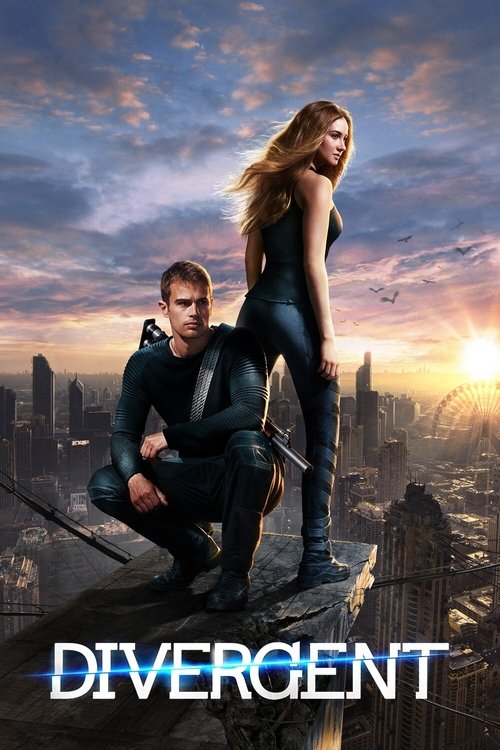
Divergent2014
Same era, same machinery: young woman discovers her power, becomes a symbol, the system tries to control her. Shailene Woodley brings a different energy than Lawrence—quieter, more uncertain. Solid worldbuilding with genuine surprises.
But The love triangle is more intrusive here. The faction system is less convincing as social structure than Panem's hierarchy. Middle chapter syndrome sets in by the end.
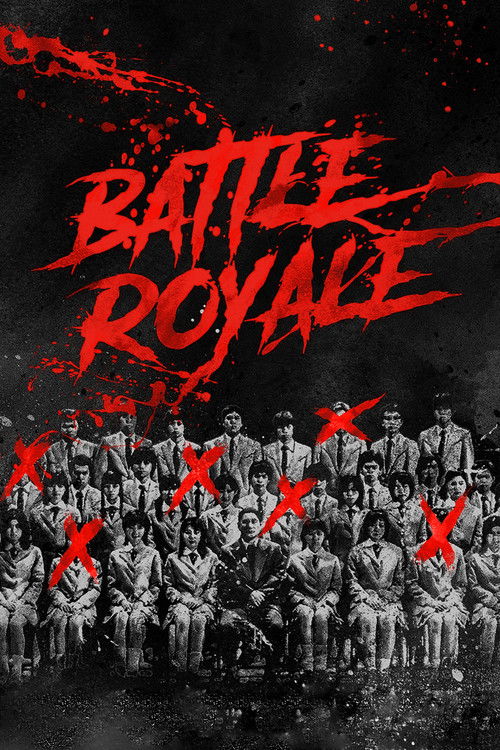
Battle Royale2000
The spiritual grandparent of *Hunger Games*. Japanese students forced to fight to the death on an island. Nasty, funny, tragic, and genuinely unpredictable. Proves the premise works in other hands and other registers.
But Extremely violent, including toward children. Subtitled. The tonal whiplash between comedy and brutality will alienate anyone wanting consistent tone.
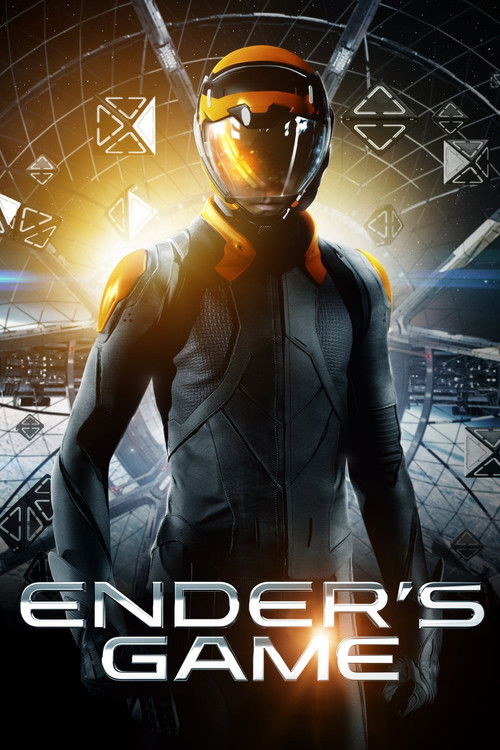
Ender's Game2013
Child soldier trained in secrecy for a war they don't understand, then forced to reckon with what they've done. Explores the manipulation of youth for state purposes. The twist lands, and the moral weight lingers.
But The film condenses a dense novel and loses some philosophical depth. Visually it's sometimes sterile. Orson Scott Card's politics complicate viewing for some.
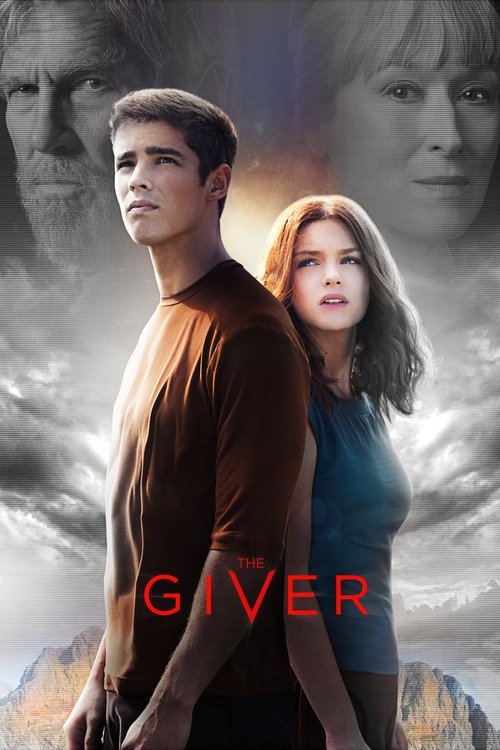
The Giver2014
Another carefully controlled society where one young person begins to see the truth underneath. Gentler than *Catching Fire*, but with the same preoccupation with how systems suppress individual consciousness and memory.
But Surprisingly lifeless. Jeff Bridges is good but underused. The adaptation flattens the book's emotional complexity into something bland and safe.
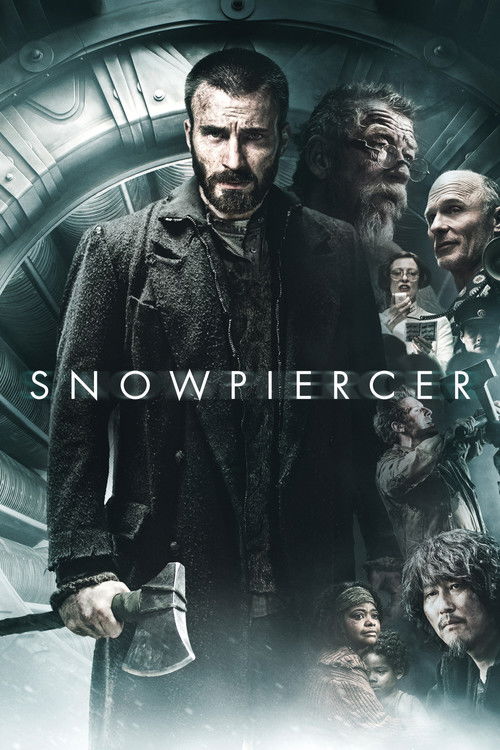
Snowpiercer2013
A society stratified by train class system. Revolution gestates in the tail cars. Bong Joon-ho's direction is precise and angry; the class warfare is the entire point, not subtext. Visually inventive and morally uncompromising.
But Deliberately theatrical and stylized—some find it overwrought rather than bold. The second act drags. The ending is philosophically bleak rather than triumphant.
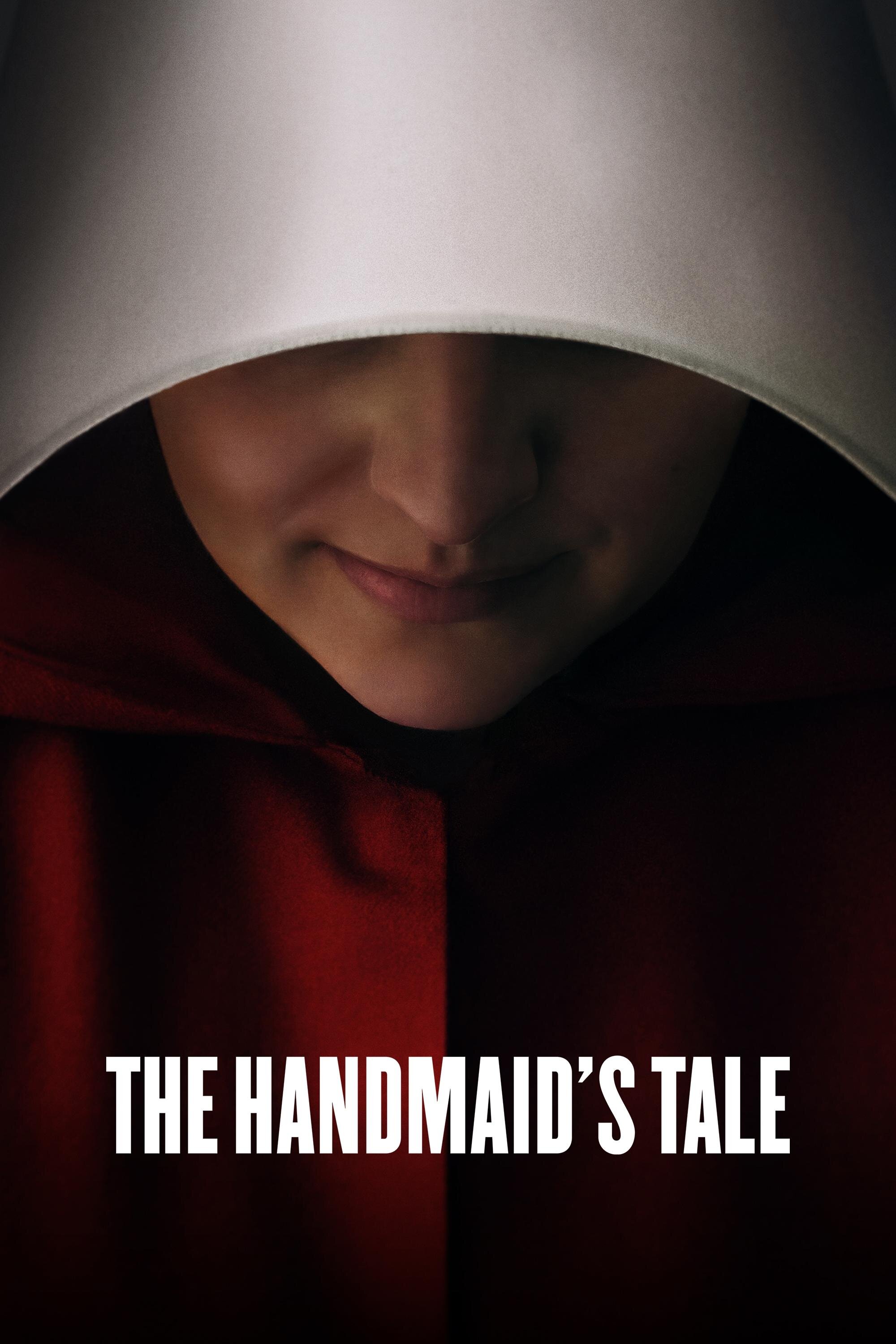
The Handmaid's Tale2017
Both are concerned with how oppressive systems deploy symbolism and spectacle to maintain control. Both center women who discover their own power as a threat to that order. But where *Catching Fire* offers hope through collective action, *Handmaid's* offers none.
A theocratic state uses terror and ritual to control women's bodies and futures. Elisabeth Moss's Offred moves from compliance to quiet resistance. Handsomely made, deliberately paced, and structurally obsessed with power's machinery. Essential.
But Relentlessly dark and misogynistic by design. The second season loses momentum. It requires emotional stamina—watching it shouldn't be casual.
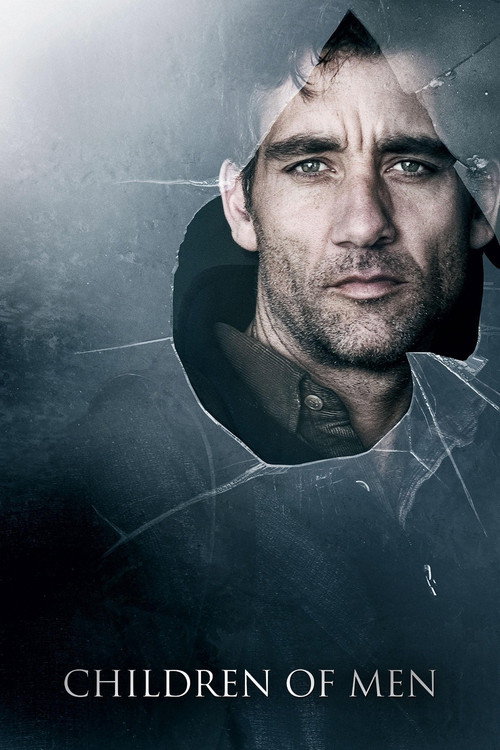
Children of Men2006
Both films ask what it costs to be a symbol. Both feature protagonists forced into iconography against their will. But *Children of Men* offers no rebellion to join—only the weight of being the last hope, which is lonelier and scarier.
Humanity is infertile; a young pregnant woman becomes a symbol of hope in a collapsing world. Long, unbroken takes create unbearable tension. Cuarón crafts a political thriller about what people will do for the future, and whether symbols are worth the bodies underneath them.
But Formally experimental in ways that can feel cold or alienating. Deliberately grim with no catharsis. Some find the politics muddled rather than pointed.
People
Cast
 Jennifer LawrenceKatniss Everdeen
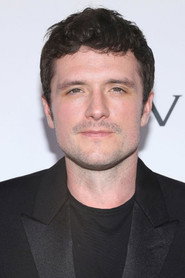 Josh HutchersonPeeta Mellark
 Liam HemsworthGale Hawthorne
 Woody HarrelsonHaymitch Abernathy
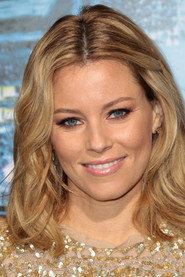 Elizabeth BanksEffie Trinket
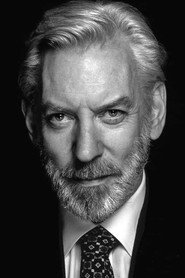 Donald SutherlandPresident Coriolanus Snow
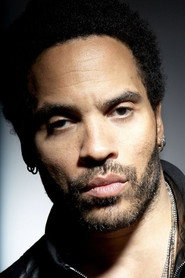 Lenny KravitzCinna
 Philip Seymour HoffmanPlutarch Heavensbee
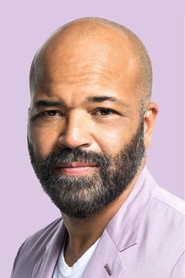 Jeffrey WrightBeetee Latier
 Stanley TucciCaesar Flickerman
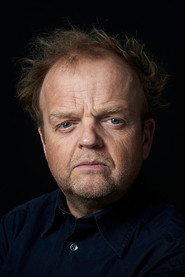 Toby JonesClaudius Templesmith
 Willow ShieldsPrimrose Everdeen
Directing
- Francis LawrenceDirector
- Aldric La'Auli PorterFirst Assistant Director
- Ana Maria QuintanaScript Supervisor
- John R. SaundersSecond Assistant Director
- Chad StahelskiSecond Unit Director
Writing
- Suzanne CollinsNovel
- Michael ArndtScreenplay
- Simon BeaufoyScreenplay
Production
- Debra ZaneCasting
- John McAlaryCasting Associate
- Tannis VallelyCasting Associate
- Aldric La'Auli PorterCo-Producer
- Bryan UnkelessCo-Producer
- Donna SloanExecutive In Charge Of Production
- Allison ShearmurExecutive Producer
- Joseph DrakeExecutive Producer
- Louise Rosner-MeyerExecutive Producer
- Suzanne CollinsExecutive Producer
- Ken LavetLocation Manager
- Jon KilikProducer
- Nina JacobsonProducer
- John SanchezProduction Coordinator
- Adam McCarthyProduction Supervisor
- Louise Rosner-MeyerUnit Production Manager
Recommended by
Don't Worry Darling, Chaos Walking, Into the Badlands, The Hunger Games: The Ballad of Songbirds & Snakes, The Hunger Games: Mockingjay - Part 1, The Hunger Games: Mockingjay - Part 2, The Twilight Saga: New Moon, Maze Runner: The Scorch Trials, The Darkest Minds, Allegiant, Insurgent, The Hunger Games: Sunrise on the Reaping, The Twilight Saga: Breaking Dawn - Part 2