
Film
The Hunger Games: Mockingjay - Part 1
The Hunger Games shifts from competition to revolution. Katniss becomes the face of a rebellion she didn't choose, caught between Capitol propaganda and the district's own ruthless manipulation. It's slower, heavier, and less interested in spectacle than survival—a war film dressed in dystopian clothes, asking what it costs to be a symbol.
Should you watch it?
Watch it if you want the political machinery of a revolution, with propaganda reels, backroom alliances and a heroine who resents being used as a face, and you are happy to wait for the big set pieces.
Skip it if you came for the arena fights of the first two films, since this one is mostly bunkers, speeches and filmed messaging, and its pace drags whenever the action pauses.
What it asks of you: Patience for a long stretch of talk and waiting before anything explosive happens, at just over two hours, with a grim and gloomy mood throughout that rarely lifts.
Not sure? Find tonight's pick in a minute.
If you liked this
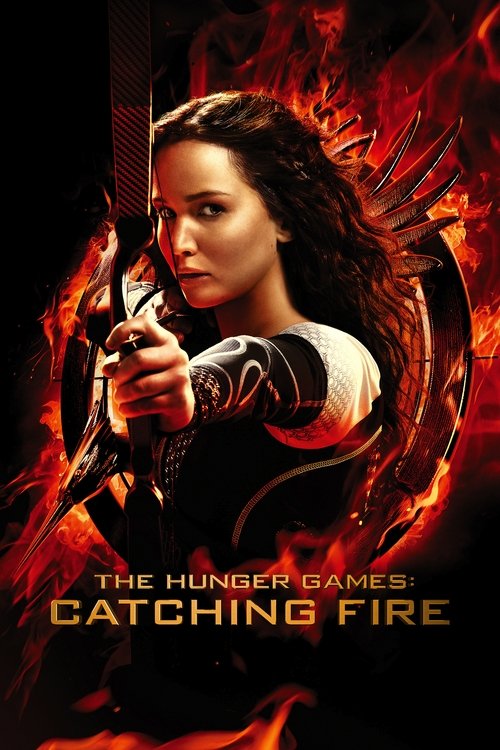
The Hunger Games: Catching Fire2013
The direct predecessor that sets up every conflict here. If Mockingjay resonates, you'll want to see how Katniss got to this breaking point and understand the Quarter Quell that haunts her.
But It's also a Hunger Games film, so if the premise wore thin on you, this won't suddenly surprise you with its bones.
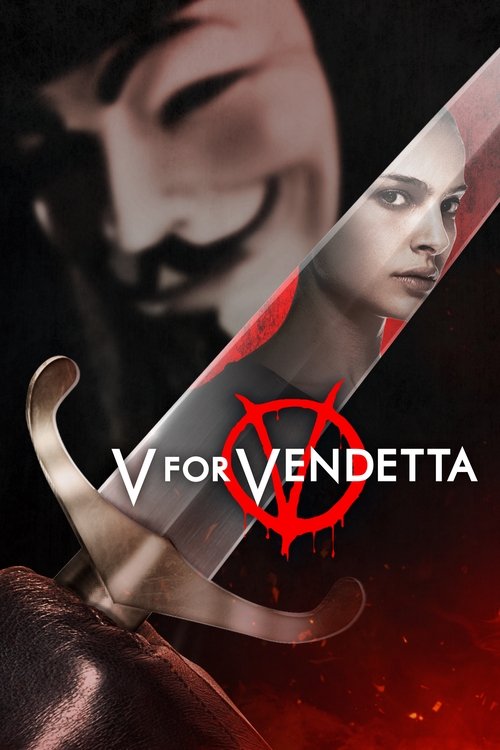
V for Vendetta2006
Both are about reluctant symbols used by revolutions. Like Katniss, V's hero grapples with becoming propaganda—and with whether the cause justifies the cost. Sharp political teeth.
But It's more stylised and graphic than Mockingjay, leaning into comic-book cool rather than moral exhaustion.
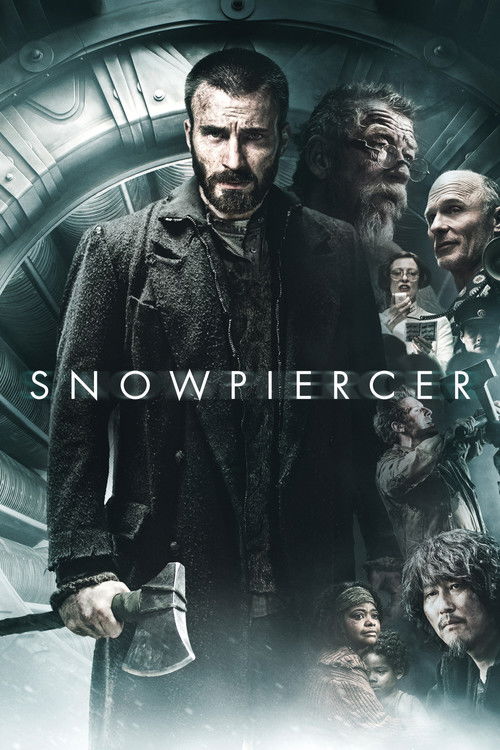
Snowpiercer2013
Class warfare on a train. Like Mockingjay, it's a rebellion film that doesn't trust either side completely, and it's fascinated by how power systems perpetuate themselves even after revolution.
But Much grimier and more violent. The tone is bleaker, the action closer and nastier, the ending harder to swallow.
Not sure tonight? Get a pick in a minute, starting from The Hunger Games: Mockingjay - Part 1
The wildcard
Something you would not have found on your own.
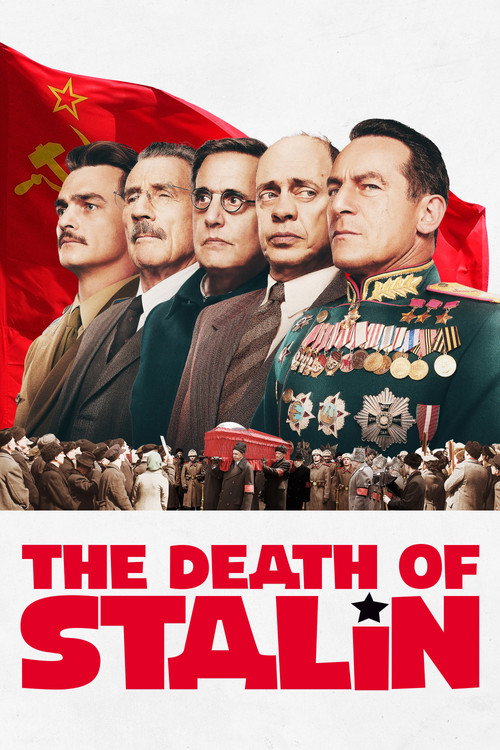
The Death of Stalin2017
Both examine how revolutions create symbols and then struggle to control them. But Death of Stalin sees the absurdity where Mockingjay sees tragedy.
A dark comedy about power, propaganda, and the machinery of revolution eating its own children. Both films are fascinated by how symbols and ideologies matter less than who controls the narrative. Except this is wickedly funny while being absolutely serious.
But It's a British comedy in black-and-white, set in 1950s USSR. If you want the emotional register of Mockingjay, this trades it for savage satire.
More like this (7)
The Hunger Games: Mockingjay - Part 22015
The direct sequel. Part 1 ends on genuine questions about Katniss and the rebellion; Part 2 answers them. They're better watched as one long film.
But It doubles down on the slow-burn political thriller approach. If Part 1 felt padded, Part 2 won't feel tighter.
Divergent2014
Released the same year, same dystopian YA rebellion DNA. Tris faces similar pressure to become a symbol, though with more action and a different ideological bent.
But It's lighter in tone and more interested in spectacle. The philosophical weight Mockingjay carries doesn't register the same way.
Children of Men2006
A rebellion film that trusts you to feel the weight of resistance without spelling it out. The cinematography is stunning, the stakes feel real, and it asks hard questions about hope.
But It's bleak, handheld, often chaotic. No clear heroes or easy answers. If you want rousing uplift, this isn't it.
All the Light We Cannot See2023
A wartime story about ordinary people caught in propaganda and occupation. It has Mockingjay's interest in how individuals are used by forces bigger than themselves, with gorgeous cinematography.
But It's a miniseries rather than a film, and it's set in WWII. The pacing and scale are entirely different.
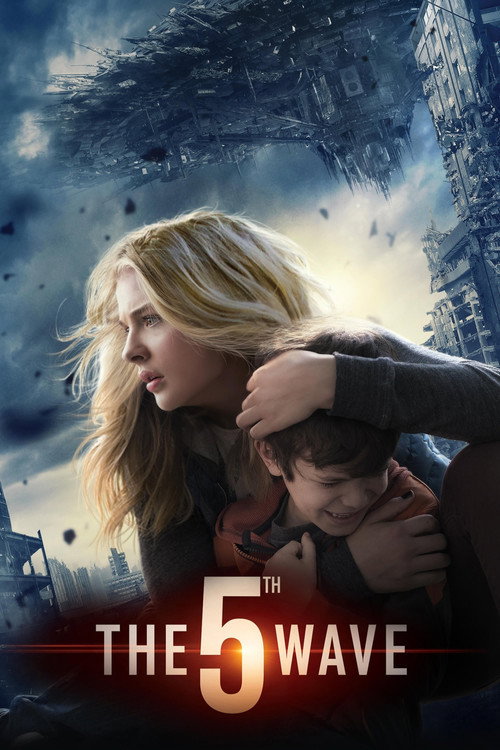
The 5th Wave2016
Another YA dystopia about young people figuring out who to trust when invasion and conspiracy are everywhere. It has similar paranoia and the same cast-as-symbol theme.
But It's more of a conventional action film and less interested in the moral complexity. The execution is slicker but shallower.
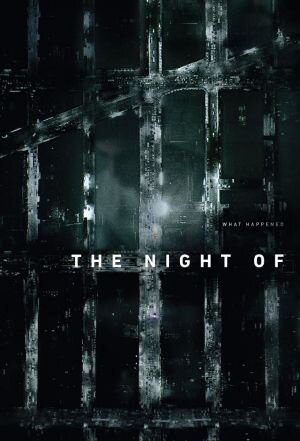
The Night Of2016
Both are about being trapped by forces that treat you as a symbol rather than a person. But this one is a legal and moral investigation, not a war.
An eight-hour investigation into how institutions—law, media, power—use individuals to serve their needs. Like Katniss, the protagonist is caught in a machinery designed to consume him. Absolutely gripping and devastatingly human.
But It's a crime thriller, not a war film. Slower, intimate, set in contemporary New York. No rebellion, no dystopia. If you need spectacle or sci-fi worldbuilding, you won't find it.
Come and See1985
Both are anti-war films dressed as action stories. Both ask whether a cause, no matter how just, justifies what it demands of the young people fighting it.
A Soviet film about a boy drawn into war during WWII. It's the film that understands the true cost of revolution—not emotionally, but viscerally. Mockingjay asks what rebellion costs; this one shows you without mercy or comfort.
But It's brutal, traumatic, and genuinely difficult to watch. Not a film for escape. Shot in 1985 Eastern Europe on actual battlefields. The tone is as far from cathartic as cinema gets.

People
Cast
 Jennifer LawrenceKatniss Everdeen
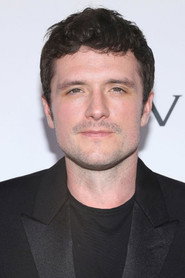 Josh HutchersonPeeta Mellark
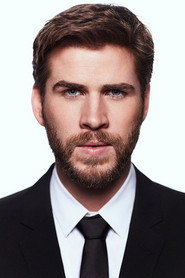 Liam HemsworthGale Hawthorne
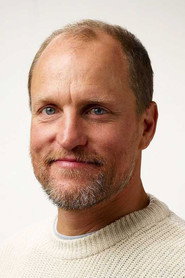 Woody HarrelsonHaymitch Abernathy
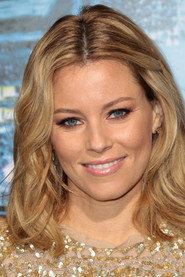 Elizabeth BanksEffie Trinket
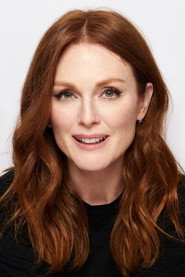 Julianne MoorePresident Alma Coin
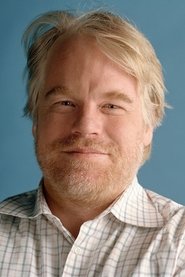 Philip Seymour HoffmanPlutarch Heavensbee
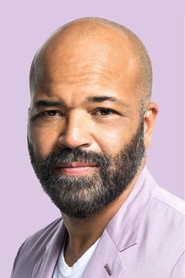 Jeffrey WrightBeetee Latier
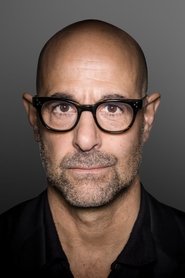 Stanley TucciCaesar Flickerman
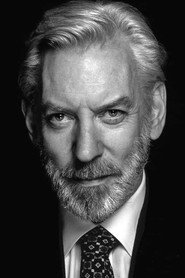 Donald SutherlandPresident Coriolanus Snow
 Willow ShieldsPrimrose Everdeen
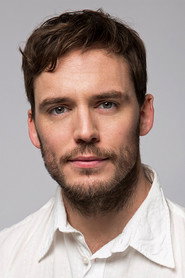 Sam ClaflinFinnick Odair
Directing
- Francis LawrenceDirector
- Christopher SurgentFirst Assistant Director
- Ana Maria QuintanaScript Supervisor
- Douglas PlasseSecond Assistant Director
- Charles GibsonSecond Unit Director
Writing
- Suzanne CollinsAdaptation
- Suzanne CollinsNovel
- Danny StrongScreenplay
- Peter CraigScreenplay
Production
- Debra ZaneCasting
- Bryan UnkelessCo-Producer
- Donna SloanExecutive In Charge Of Production
- Allison ShearmurExecutive Producer
- Jan FosterExecutive Producer
- Joseph DrakeExecutive Producer
- Suzanne CollinsExecutive Producer
- Anna L. CoatsLocation Manager
- Arnaud KaiserLocation Manager
- Ken LavetLocation Manager
- Klaus Große DarrelmannLocation Manager
- Mac GordonLocation Manager
- Jon KilikProducer
- Nina JacobsonProducer
- Jan FosterUnit Production Manager