
Television series
The Booth at the End
A mysterious figure in a diner booth offers desperate people exactly what they want—for a price. They must complete an impossible task, then return to describe every detail. This intimate, philosophical series explores how far ordinary people will go when offered their heart's desire, built entirely on conversations and moral reckoning. Hypnotic and deeply unsettling.
Should you watch it?
Watch it if you like a slow-burn moral puzzle where each small, ordinary request slides toward something you would never agree to, and you enjoy watching people argue with their own consciences over a cup of coffee.
Skip it if you want plot momentum and clear answers, since each short episode is mostly a single bargain played out in quiet, talky scenes with little action between the dialogue.
What it asks of you: Ten short episodes of half an hour each, unhurried and dialogue-heavy, with a dark undertow that asks you to sit with discomfort rather than be rescued from it.
Not sure? Find tonight's pick in a minute.
If you liked this
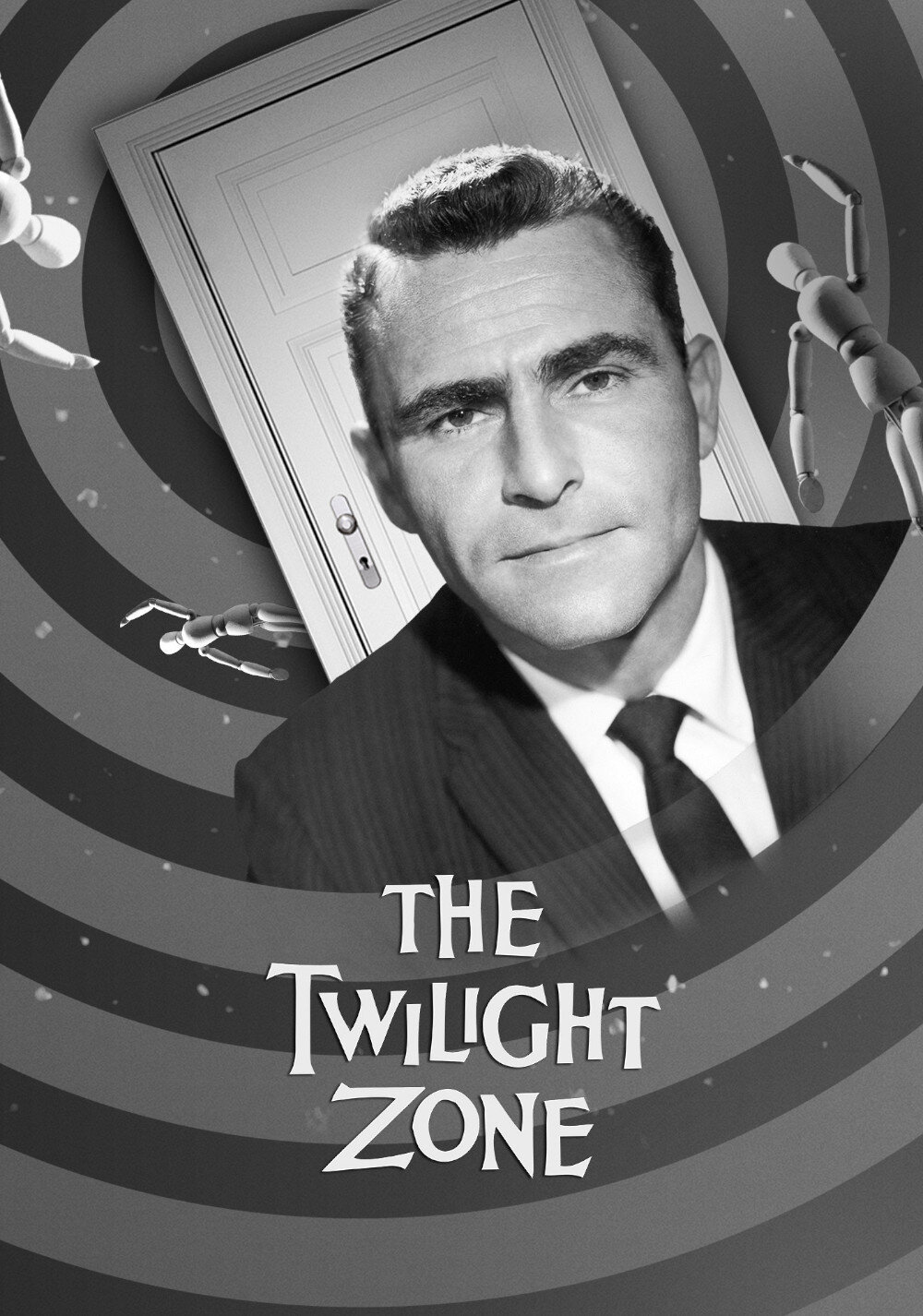
The Twilight Zone1959
Each episode presents a moral puzzle wrapped in genre trappings, where characters' desires trap them into impossible choices. The same DNA of consequence and irony runs through both.
But The 1959 original moves faster and hits harder, which some find more satisfying than *The Booth at the End's* slower burn.
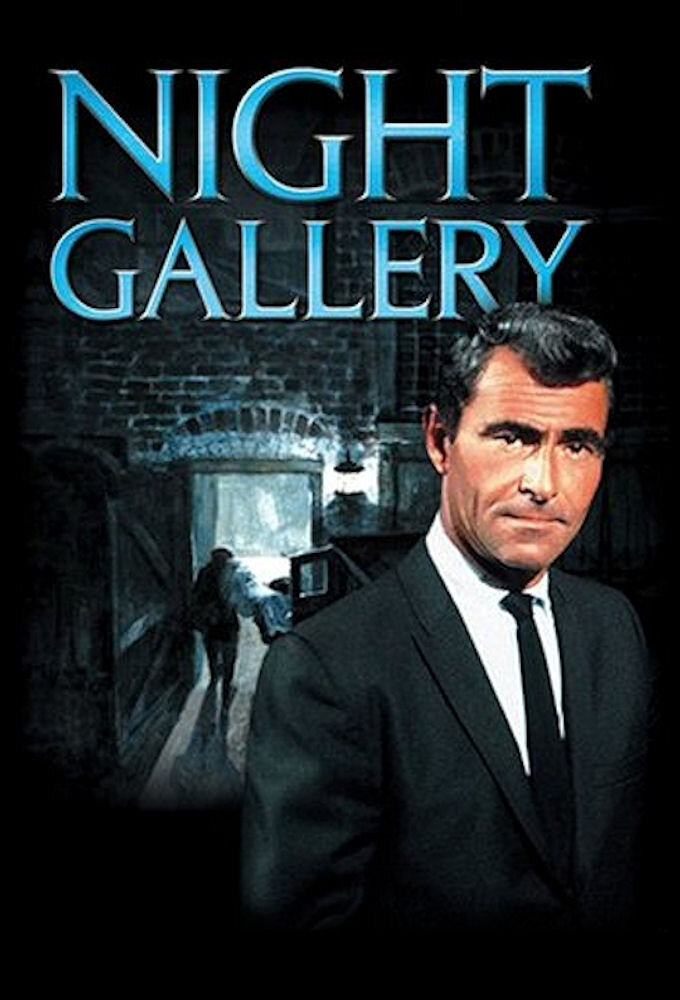
Night Gallery1969
Rod Serling's darker follow-up trades sci-fi for the supernatural and psychological, dwelling in dread and moral ambiguity. It has the same taste for characters who've made their bargains.
But Uneven—some episodes are masterful, others feel padded or dated. It requires patience to find the gems.
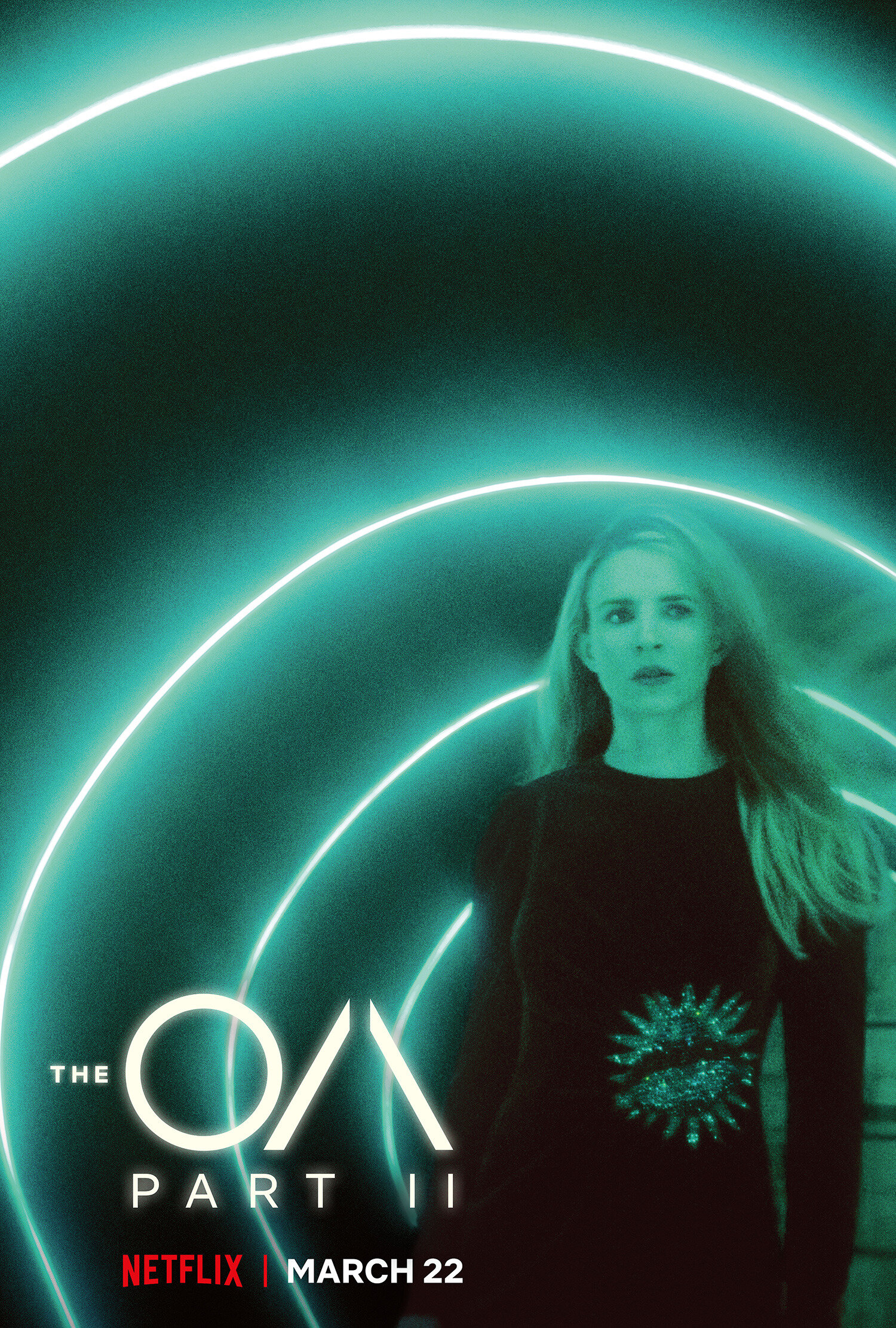
The OA2016
A mysterious figure guides damaged people through inexplicable trials toward transformation. Both explore how trauma and desire make us vulnerable to forces we don't understand.
But Cancelled after two seasons on a cliffhanger. If unresolved narratives infuriate you, this will sting.
Not sure tonight? Get a pick in a minute, starting from The Booth at the End
The wildcard
Something you would not have found on your own.
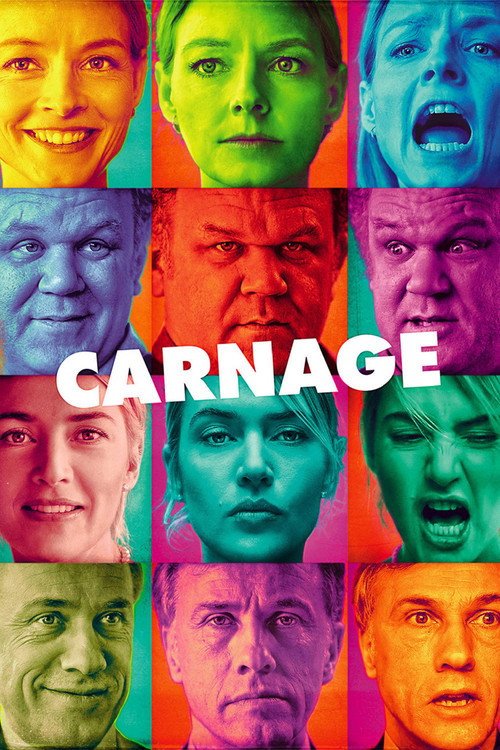
Carnage2011
Both trap characters in small spaces and watch them negotiate impossible moral propositions with nowhere to escape their own choices.
Four parents meet after their children fight in the park to discuss civilized resolution—then civility collapses. Like *The Booth*, it's a chamber piece about how quickly moral certainty evaporates when stakes rise.
But Roman Polanski directing four actors in one apartment for 80 minutes. If you need space and movement, this is claustrophobic by design.
More like this (8)
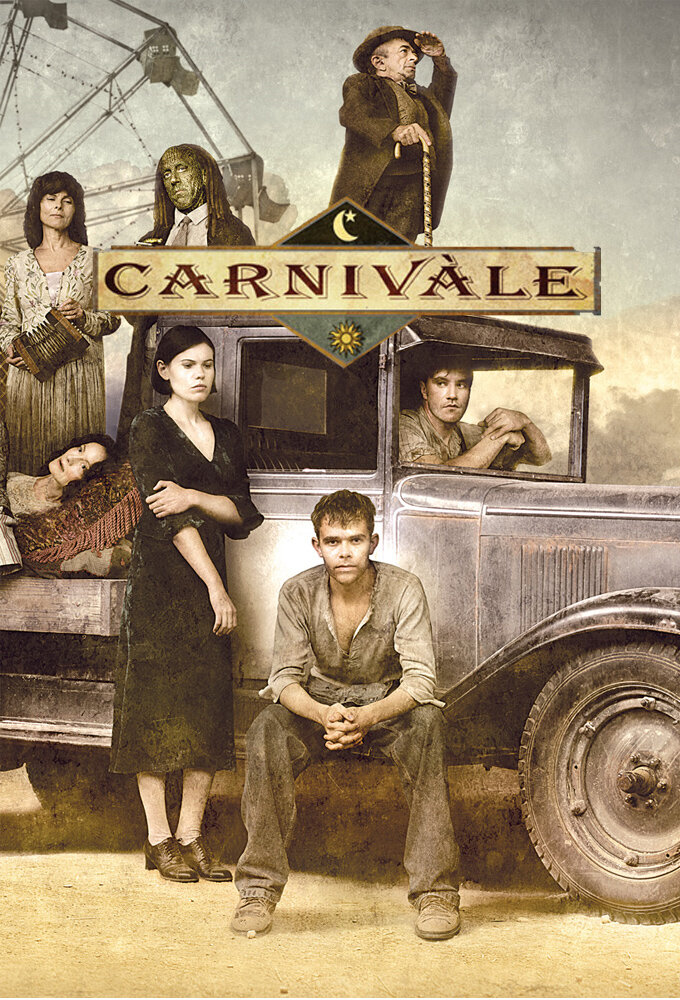
Carnivàle2003
A Depression-era carnival becomes the stage for a metaphysical battle between good and evil. Like *The Booth*, it's obsessed with what people will sacrifice for hope or power.
But Also cancelled mid-story, and the mythology gets baroque enough to frustrate viewers who need clarity.
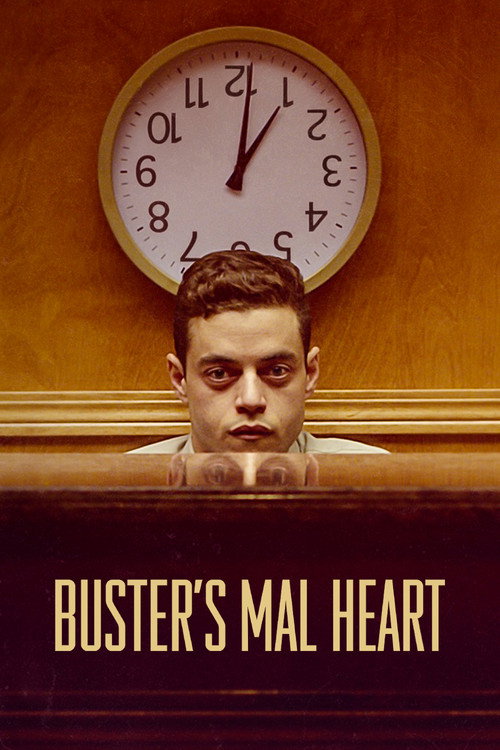
Buster's Mal Heart2017
A man spirals through fractured timelines, each version making increasingly disturbing choices. It shares *The Booth's* focus on internal moral collapse rather than external action.
But Deliberately fragmented and ambiguous. If you need a film to explain itself, this will feel like a riddle you can't solve.
The Ballad of Little Jo1993
A woman assumes a new identity to survive in the Old West, each lie building on the last. Both stories explore how far deception can take you before it becomes inescapable.
But Quiet and literary in a way that can feel slow. It's more interested in reflection than resolution.

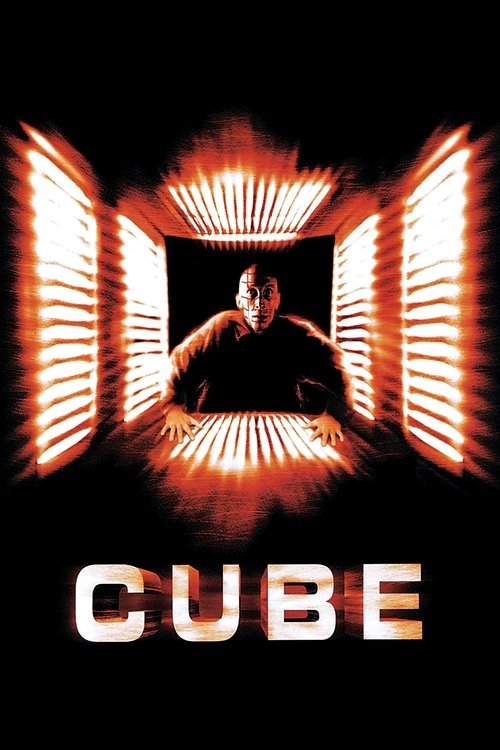
Cube1998
Strangers trapped in a maze of rooms must solve impossible puzzles to escape. Both films pit desperate people against scenarios designed to reveal what they're truly willing to do.
But Low-budget effects and plotting that doesn't always hold up. The premise carries it more than the execution does.
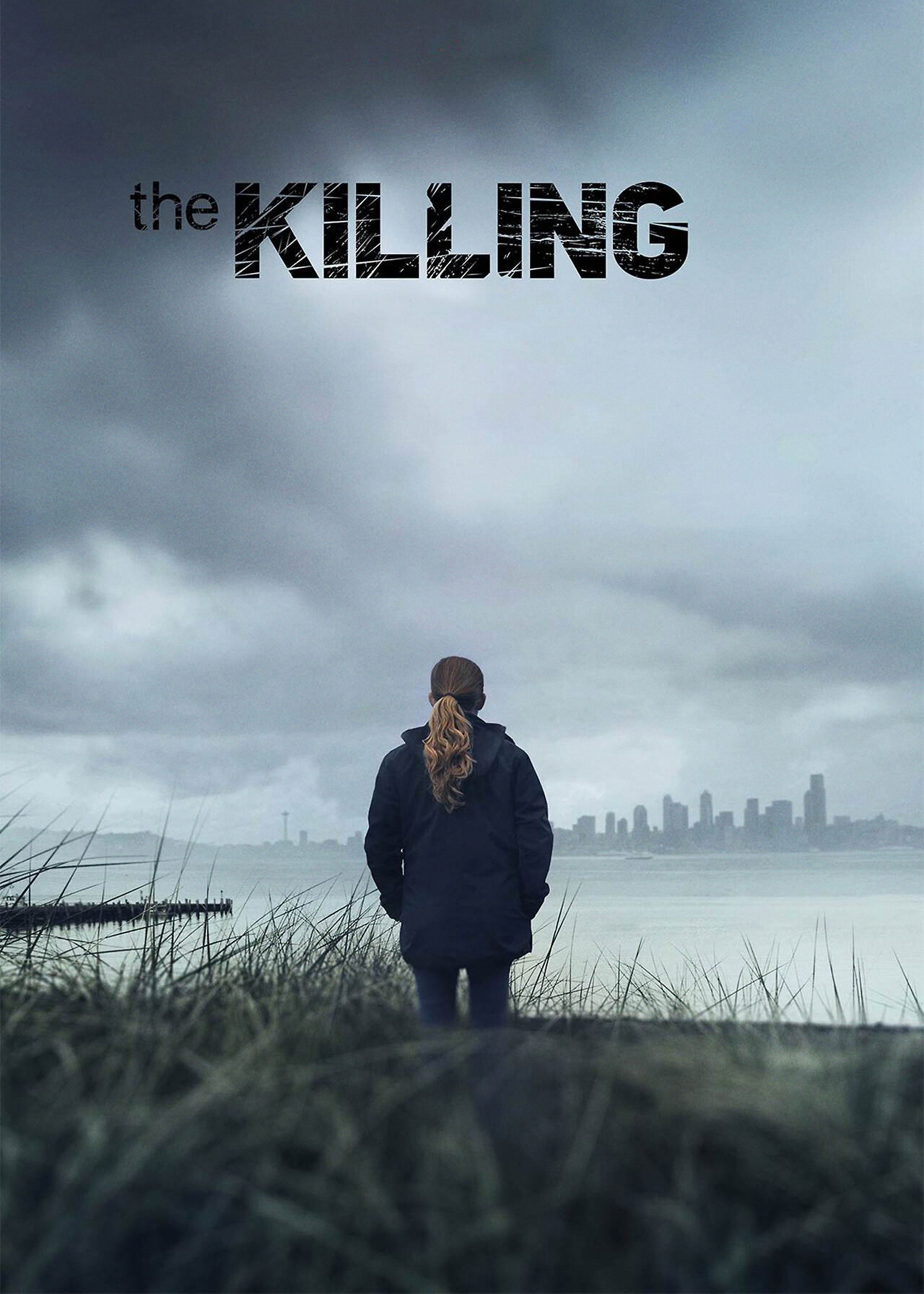
The Killing2011
Each season unfolds a single murder investigation in real time, exploring how ambition and compromise erode ordinary people. Same fascination with incremental moral deterioration.
But Methodical to the point of exhaustion for some viewers. Also, the final season divides fans.
In the Mood for Love2000
Two neighbours discover their spouses are having an affair and become entangled in longing and restraint. Wong Kar-wai's study of desire held in check mirrors *The Booth's* tension between want and action.
But A visual poem rather than a plot. If you watch for narrative momentum, you'll find it frustratingly static.

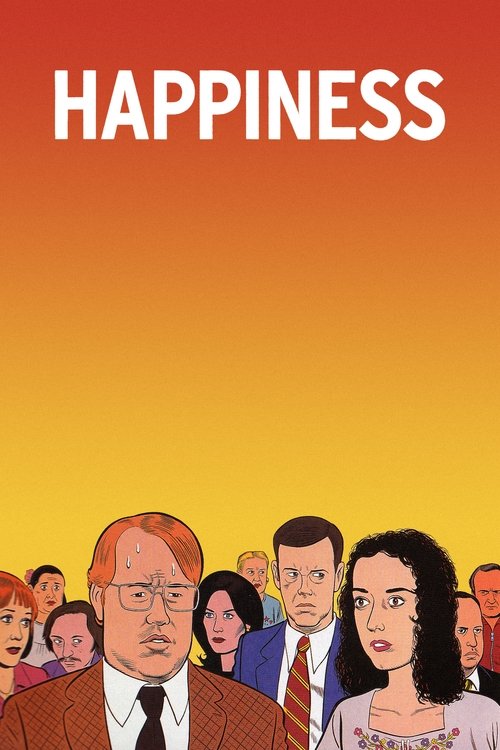
Happiness1998
Both refuse to judge their characters even when those characters do terrible things. Empathy becomes the most uncomfortable thing on offer.
Todd Solondz's dark comedy follows interconnected characters pursuing their desires—sex, success, love—and the damage they inflict in pursuit. It asks the same question as *The Booth*: what price are we willing to pay?
But Deeply, genuinely disturbing. It touches on child abuse and pedophilia with unflinching detail. This is not entertaining; it's harrowing.
Sans Soleil1983
Both are structured as a series of encounters with a mysterious presence (The Man, the absent filmmaker) who asks us to sit with unanswerable questions about desire and consequence.
Chris Marker's essay-film meditates on memory, travel, and time through a cascade of images narrated by a letter from an absent filmmaker. It's philosophical and formally radical in ways *The Booth* aspires to be—built on voice, mystery, and moral questions without answers.
But Not a narrative. Difficult, fragmented, requires active interpretation. Some find it profound; others find it deliberately obscure.

People
Cast
Writing
- Christopher KubasikCreator
Production
- Rodrigo X. GonzalezAssociate Producer
- Vahan ParetchanAssociate Producer
- Asa HolleyCo-Producer
- John RadulovicExecutive Producer
- Lou FusaroExecutive Producer
- Noel BrightExecutive Producer
- Steven A. CohenExecutive Producer