
Television series
Sanctuary
Sanctuary is a creature-of-the-week adventure series wrapped around a genuine mythology. Dr. Helen Magnus runs a secret facility protecting abnormal beings—some monstrous, some misunderstood, all caught between worlds. It's procedural scaffolding for something richer: a show about responsibility, acceptance, and what we owe to the vulnerable. Surprisingly earnest and visually inventive for Syfy.
If you liked this
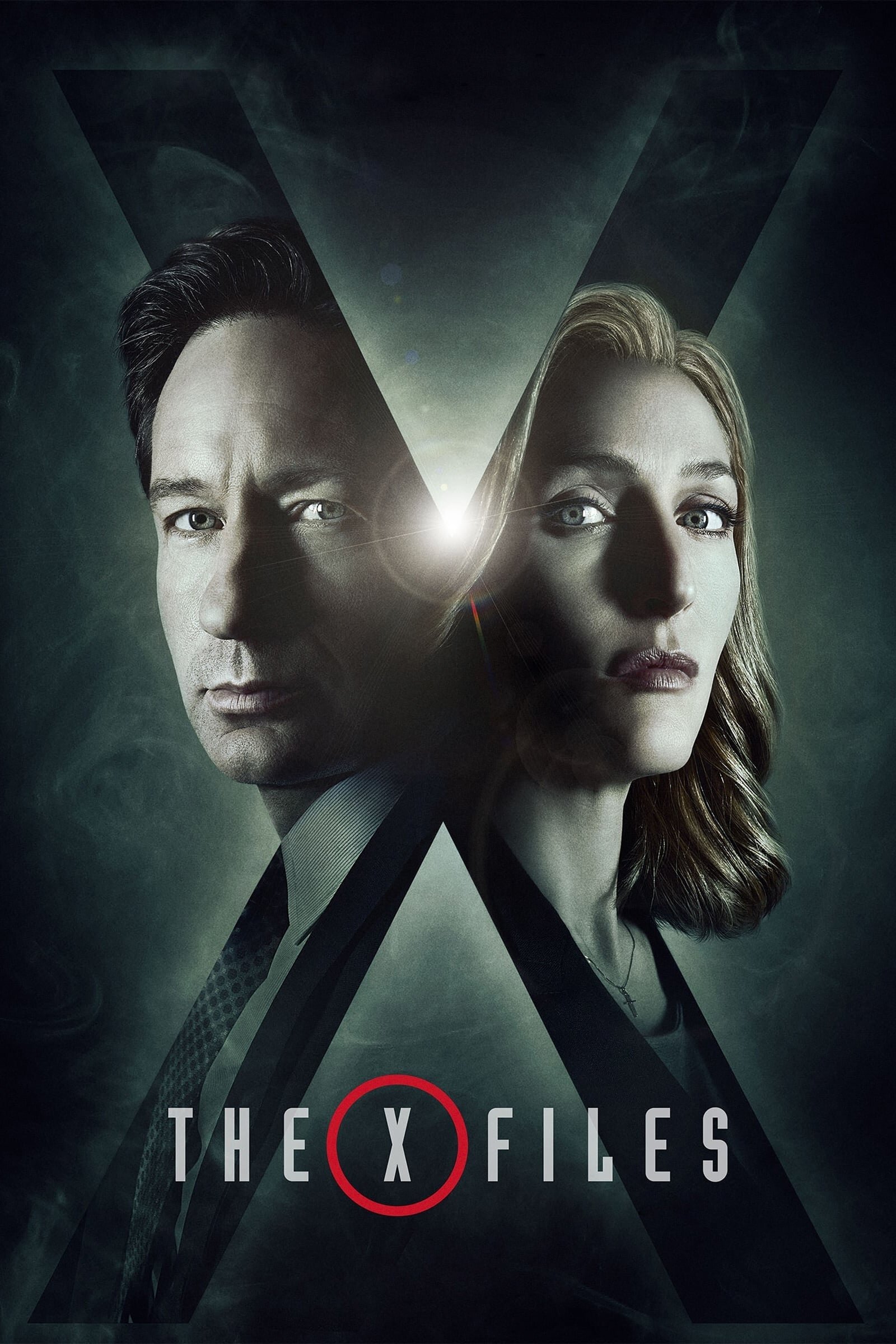
The X-Files1993
The closest spiritual ancestor: mysterious cases, a hidden world layered beneath reality, protagonists who believe in protecting rather than exploiting. The mythology deepens as trust between partners grows.
But Early seasons can feel repetitive—monster-of-the-week fatigue hits hard. Some episodes are genuinely dull filler.
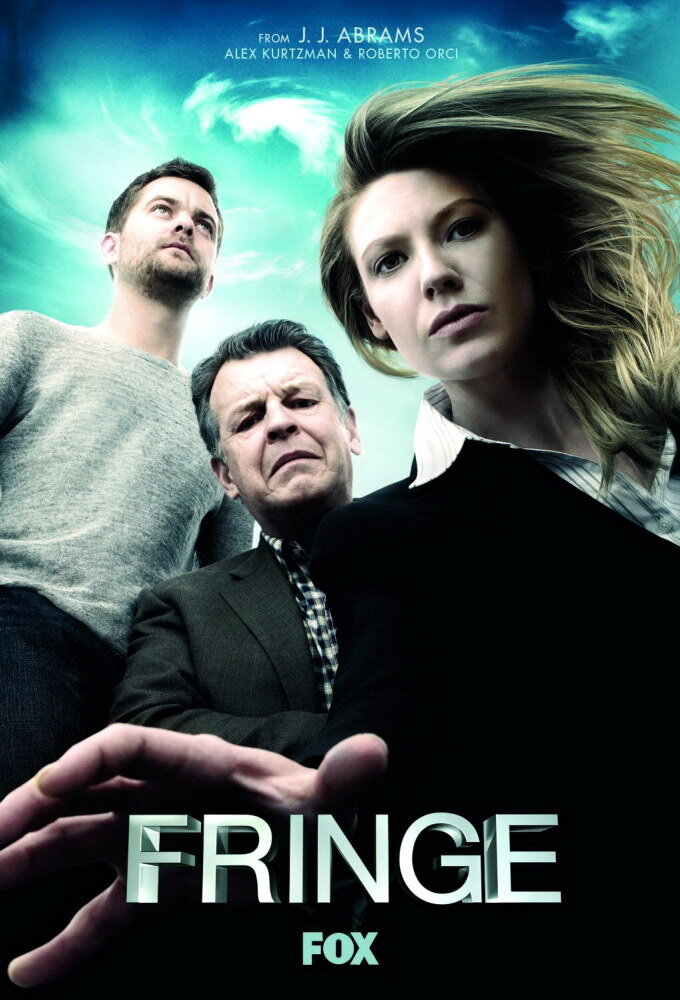
Fringe2008
Parallel universes, strange creatures, a team bonding over impossible science. Both shows mine wonder from the question: what if the world is stranger than we admit? Similar tonal balance between adventure and genuine weirdness.
But Fringe drags in places and asks you to care about dense mythology you didn't ask to learn. Not everyone has patience for that.
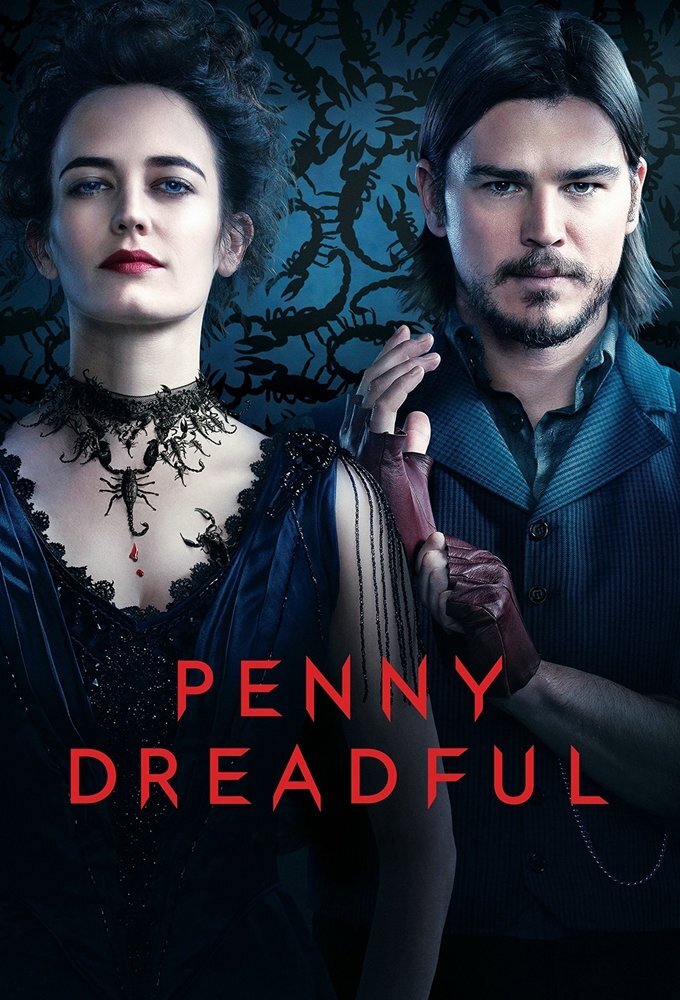
Penny Dreadful2014
Gothic atmosphere, ensemble cast with real chemistry, literary monsters treated as tragic figures rather than threats. It shares Sanctuary's instinct to humanize what most shows would simply slay.
But Much darker and slower-paced. If you want Sanctuary's adventure and momentum, Penny Dreadful's brooding will feel like a slog.
Not sure tonight? Get a pick in a minute, starting from Sanctuary
The wildcard
Something you would not have found on your own.
Warehouse 132009
Both are Syfy shows about secret organizations protecting dangerous anomalies. But Warehouse 13 treats the work as adventure; Sanctuary treats it as burden. Different emotional registers, same structural DNA.
Secret government agents catalog and protect dangerous artifacts. Structurally identical to Sanctuary in its best instincts—a found family protecting the world's weirdness—but grounded in Americana and archeology rather than biology. Shorter seasons, tighter plotting, more fun.
But Lighter tone means less emotional weight. If you want genuine stakes and darkness, this is too cheerful. Also plays fast and loose with logic for jokes.
More like this (8)
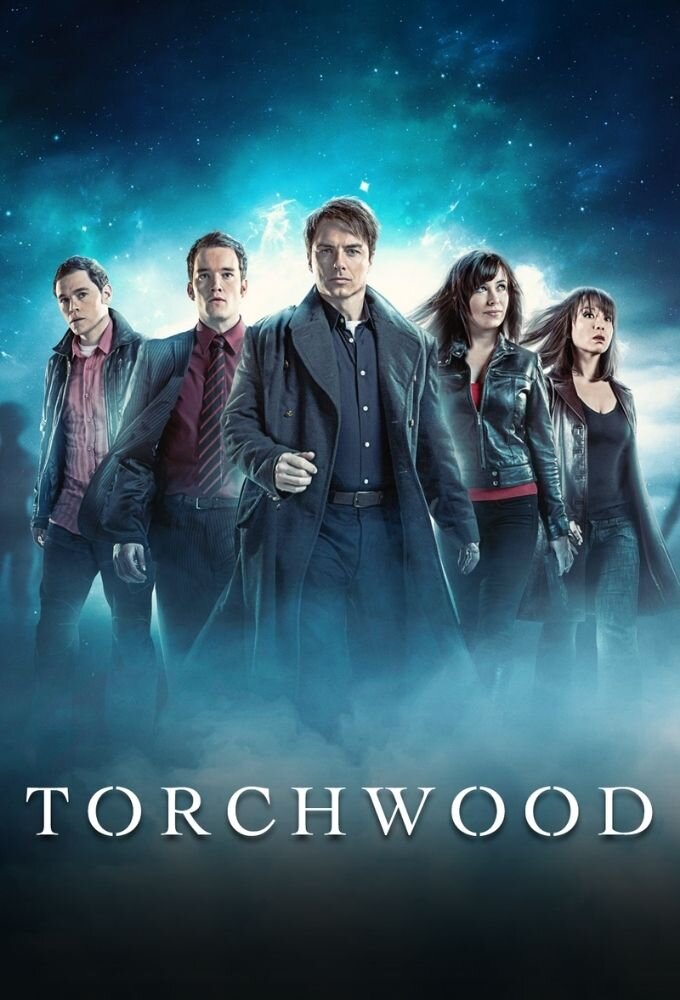
Torchwood2006
A secret organization protecting Earth from alien threats while its members navigate personal chaos. Tone shifts wildly—from absurd comedy to genuine grief—but the core appeal is the same: found family doing impossible work.
But Uneven writing and tonal whiplash can be jarring. Some episodes are embarrassing; you'll want to skip ahead.
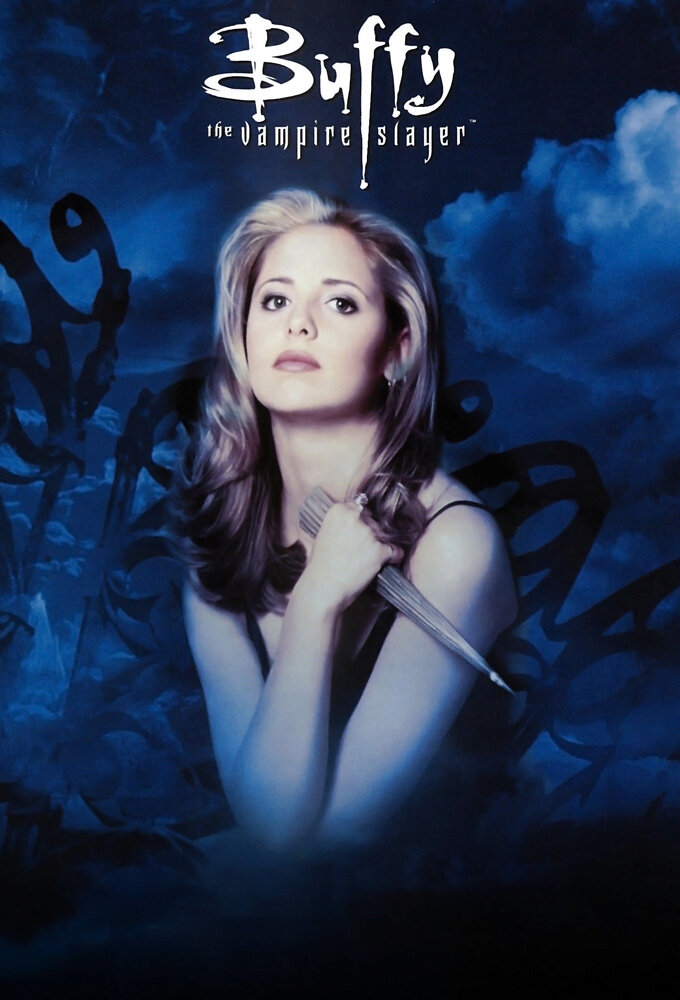
Buffy the Vampire Slayer1997
The template for monsters-as-metaphor. Like Sanctuary, it asks what responsibility we have to creatures we fear. Strong ensemble, genuine humor, and the willingness to let character matter as much as plot.
But Starts very campy and takes seasons to find its voice. Early episodes feel more comedy than drama, which might not be what you want.
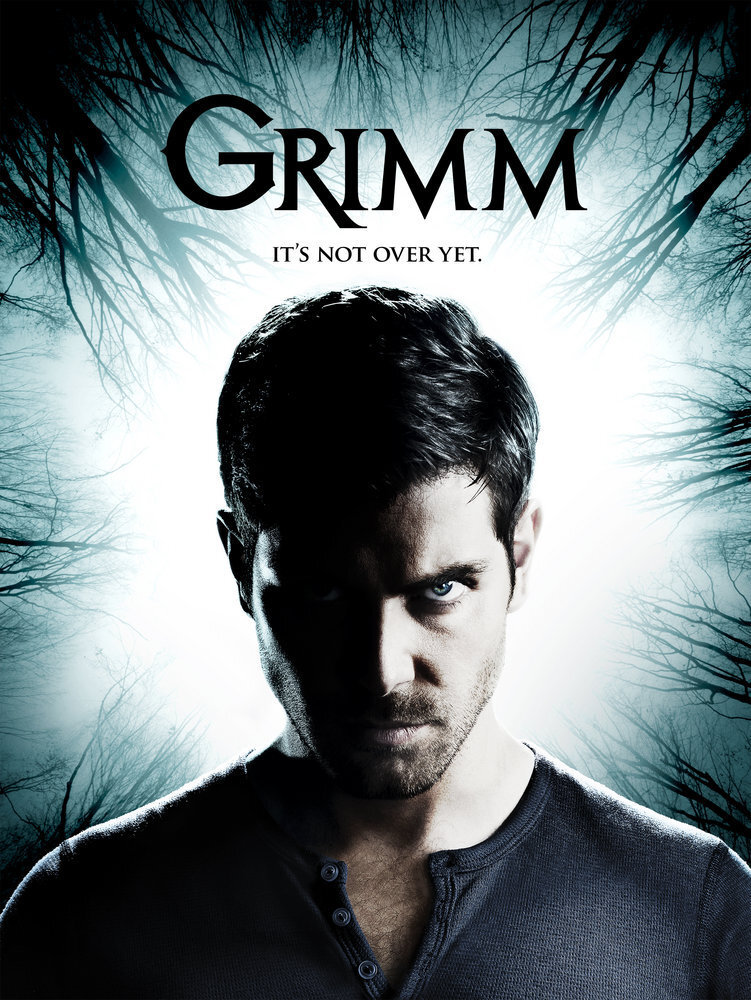
Grimm2011
Portland-based detective discovers a hidden world of supernatural creatures living nearby. Creature lore builds steadily, procedural structure with mythology underneath. Fun paranoia: everyone around you might be something else.
But Seasons wear on it. By year four the plot feels stitched together from scraps. It's a show that should have ended earlier than it did.
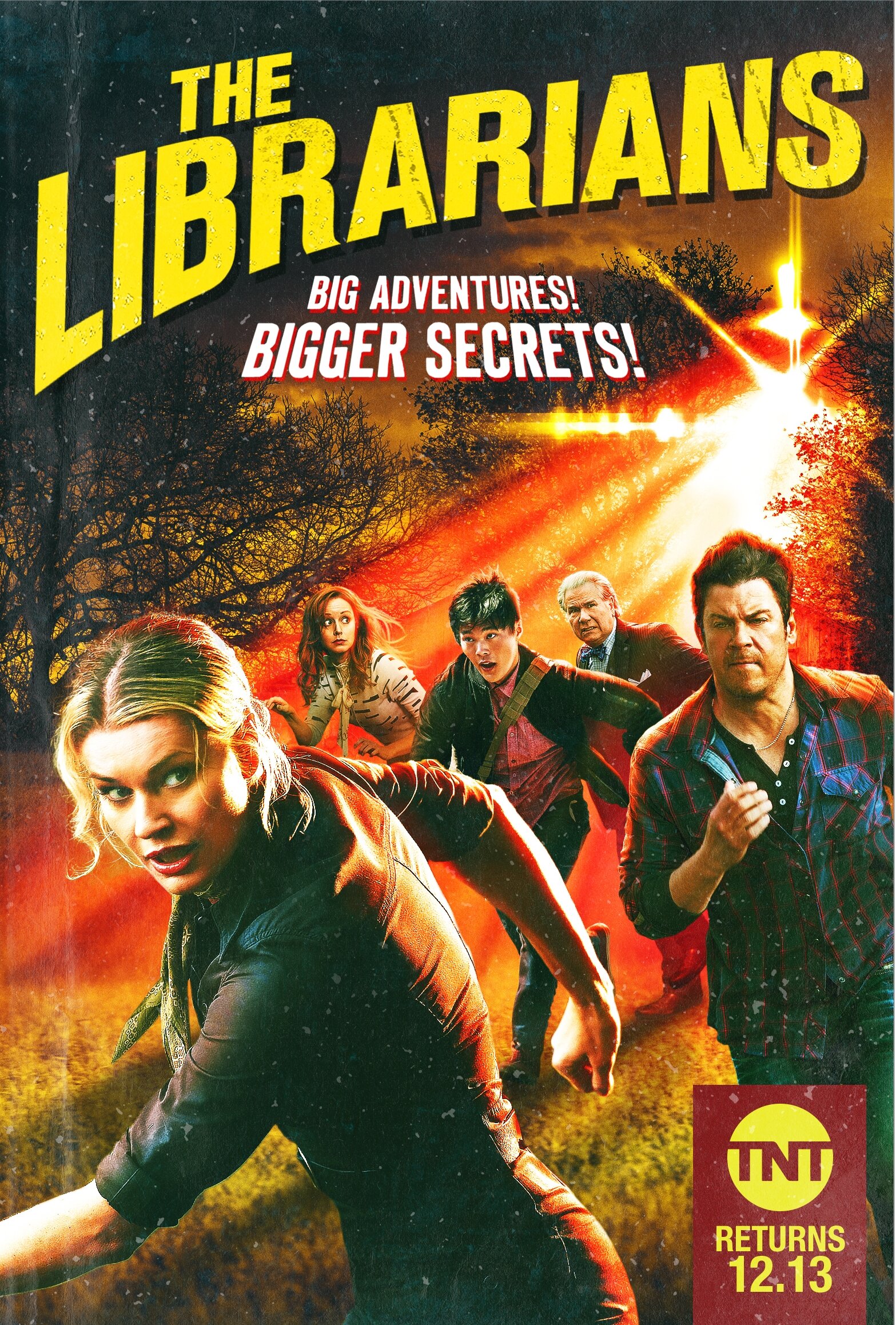
The Librarians2014
A ragtag team discovers a secret organization protecting magical artifacts and supernatural threats. Lighter and goofier than Sanctuary but shares the adventurous spirit and the found-family warmth. Genuinely fun.
But Relies heavily on quips and banter. If you find that tiresome, it becomes noise. Also: uneven quality episode-to-episode.
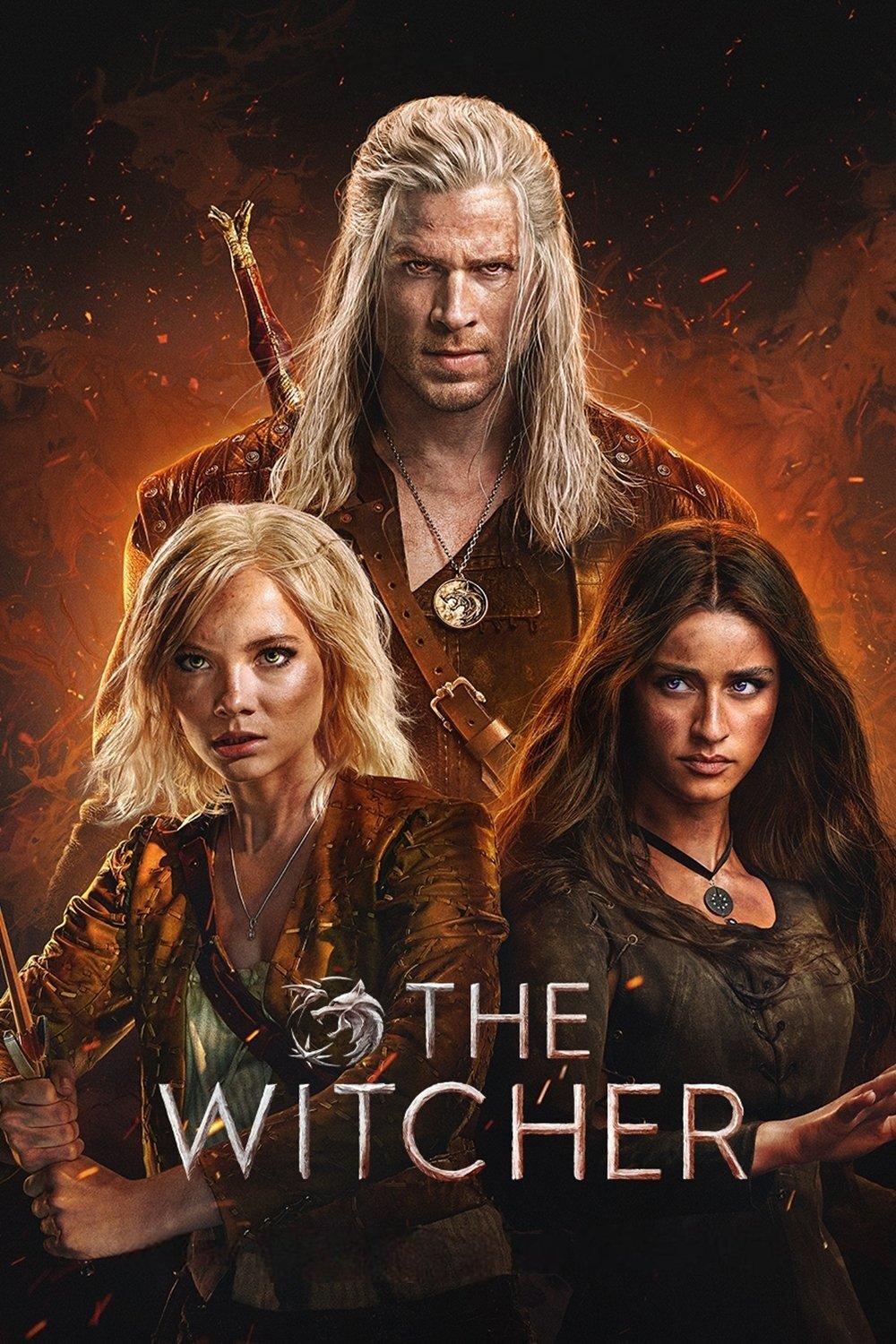
The Witcher2019
A monster hunter navigates moral complexity: not all creatures are evil, not all humans are good. Dense lore, practical creature design, and a protagonist caught between worlds trying to do right. Darker take on similar DNA.
But Chronology is confusing; the show trusts you to piece together timelines. Brutal violence and sexual content. Some find the pacing glacial.
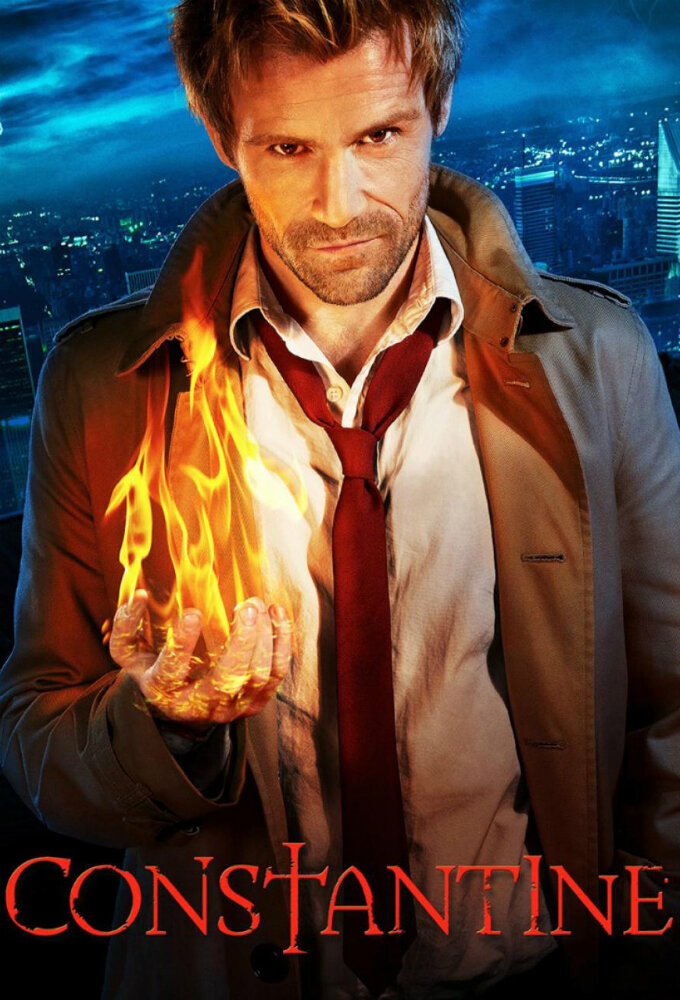
Constantine2014
Occult detective protecting the vulnerable from supernatural forces. Shares Sanctuary's mix of procedural cases and deeper mythology. Dark, atmospheric, with a protagonist who's competent but morally compromised.
But Cancelled after one season. Ends on unresolved threads. Some find it derivative of better shows; others say the premise is strong but execution faltered.
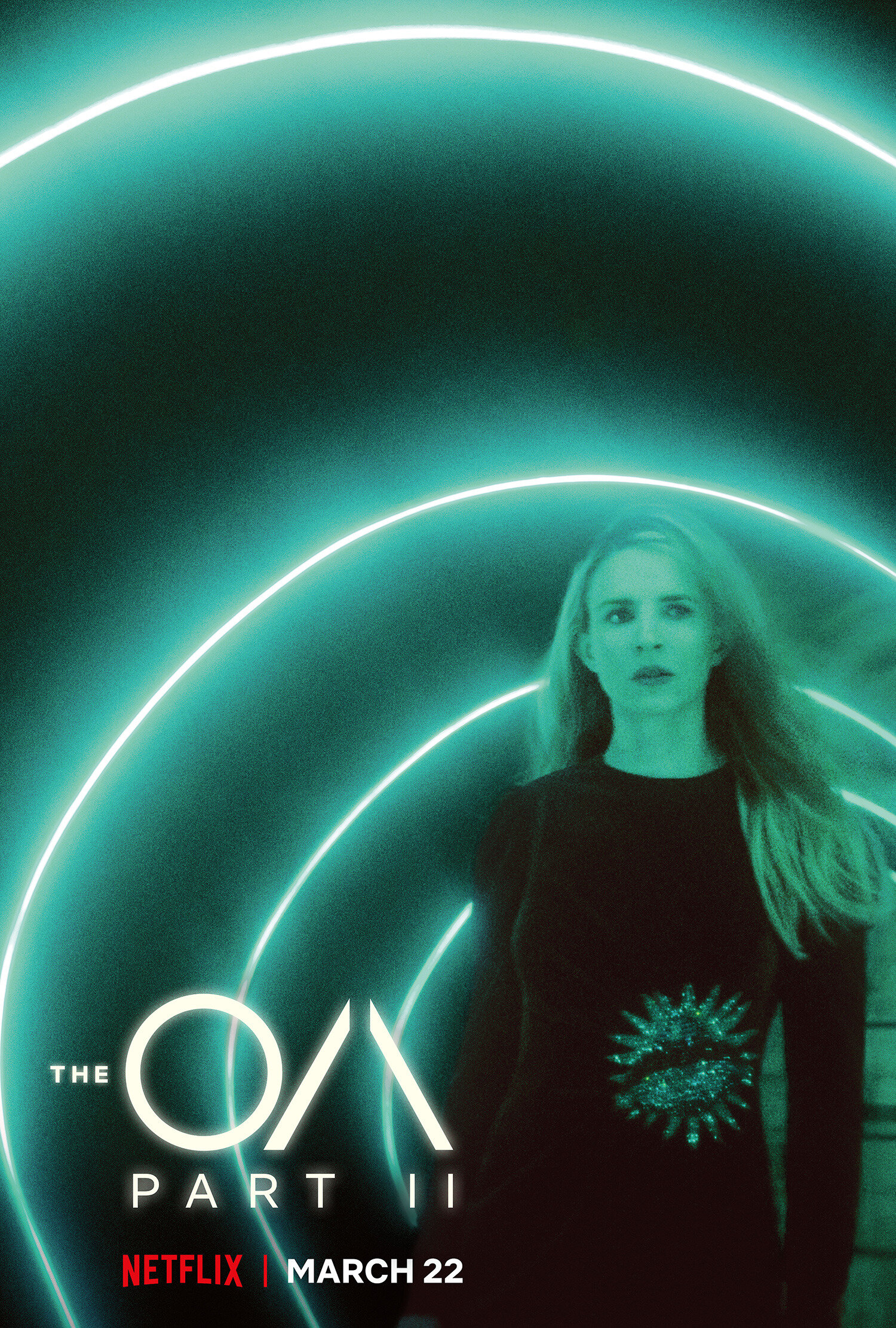
The OA2016
Both center on a brilliant woman leading a small team to protect vulnerable beings and uncover hidden worlds. But where Sanctuary is grounded science-fiction, The OA is surrealist nightmare. Different visual languages for the same theme.
Woman returns from captivity with inexplicable abilities and recruits ordinary people into a mission they don't understand. Surreal, visually audacious, genuinely strange in ways mainstream TV rarely attempts. The ensemble has real chemistry despite the weirdness. Theatrical and committed.
But Cancelled after two seasons on cliffhangers. Dense, elliptical storytelling means you'll rewind constantly. Not for viewers who need straightforward narrative or resolution.
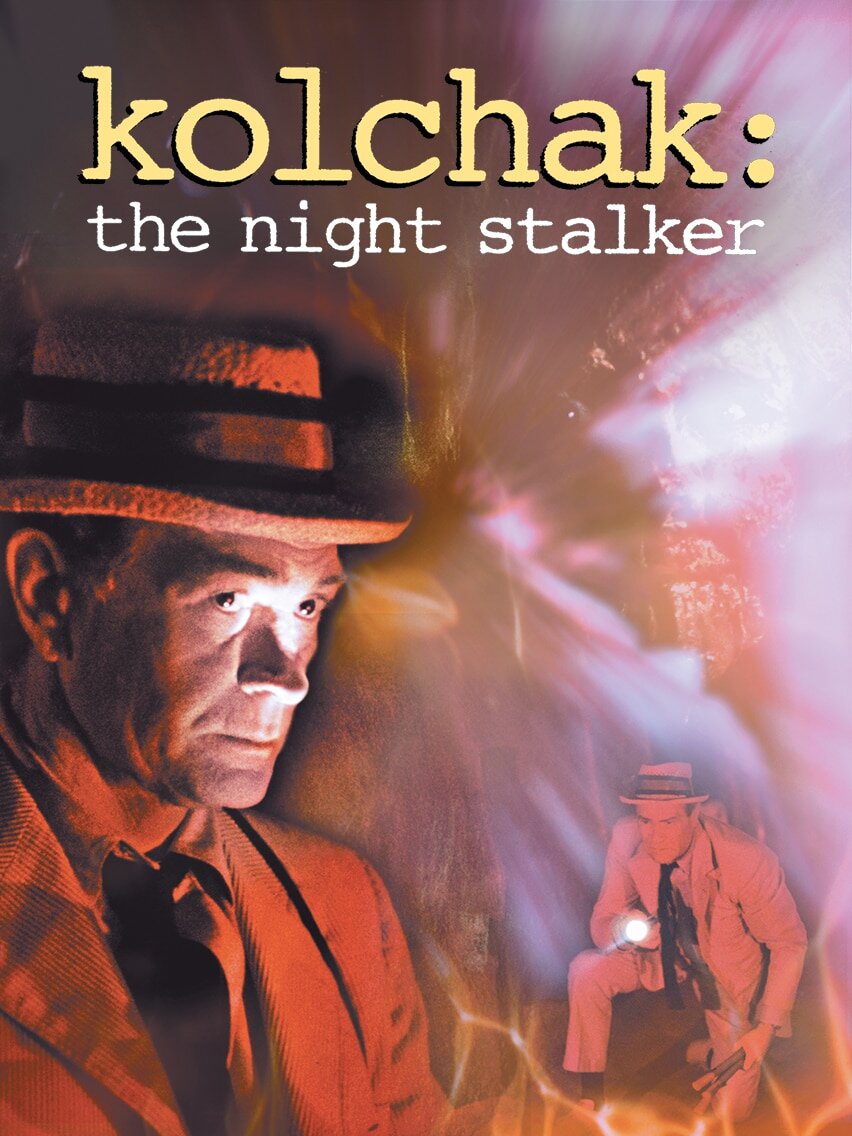
Kolchak: The Night Stalker1972
Sanctuary remakes Kolchak's DNA with better effects and ongoing mythology, but loses something of Kolchak's scrappy, improvised tone. Wildcard because it shows the source material—what Sanctuary built from, and what got lost in refinement.
Weekly supernatural cases investigated by one dogged reporter in the 1970s. The granddaddy of creature-of-the-week television. Shot on practical sets with practical effects that somehow feel more real than modern CGI. Dryly funny and surprisingly eerie.
But Genuinely slow by modern standards. No continuous mythology, no character arcs—just cases. If you need narrative momentum and plot development, this will feel like treading water.
People
Cast

Writing
- Damian KindlerCreator
Production
- Amanda TappingExecutive Producer
- Damian KindlerExecutive Producer
- Martin WoodExecutive Producer
- N. John SmithExecutive Producer
- Sam EganExecutive Producer