
Television series
Fringe
Fringe starts as an X-Files knockoff about an FBI division investigating bio-weird crimes, then spirals into one of the most ambitious sci-fi mythologies TV has attempted — parallel universes, memory, identity, and a father-son relationship that becomes the emotional spine of the whole thing. Clunky early on, genuinely moving by its third season. Patient viewers who want dread laced with heart will be rewarded.
If you liked this
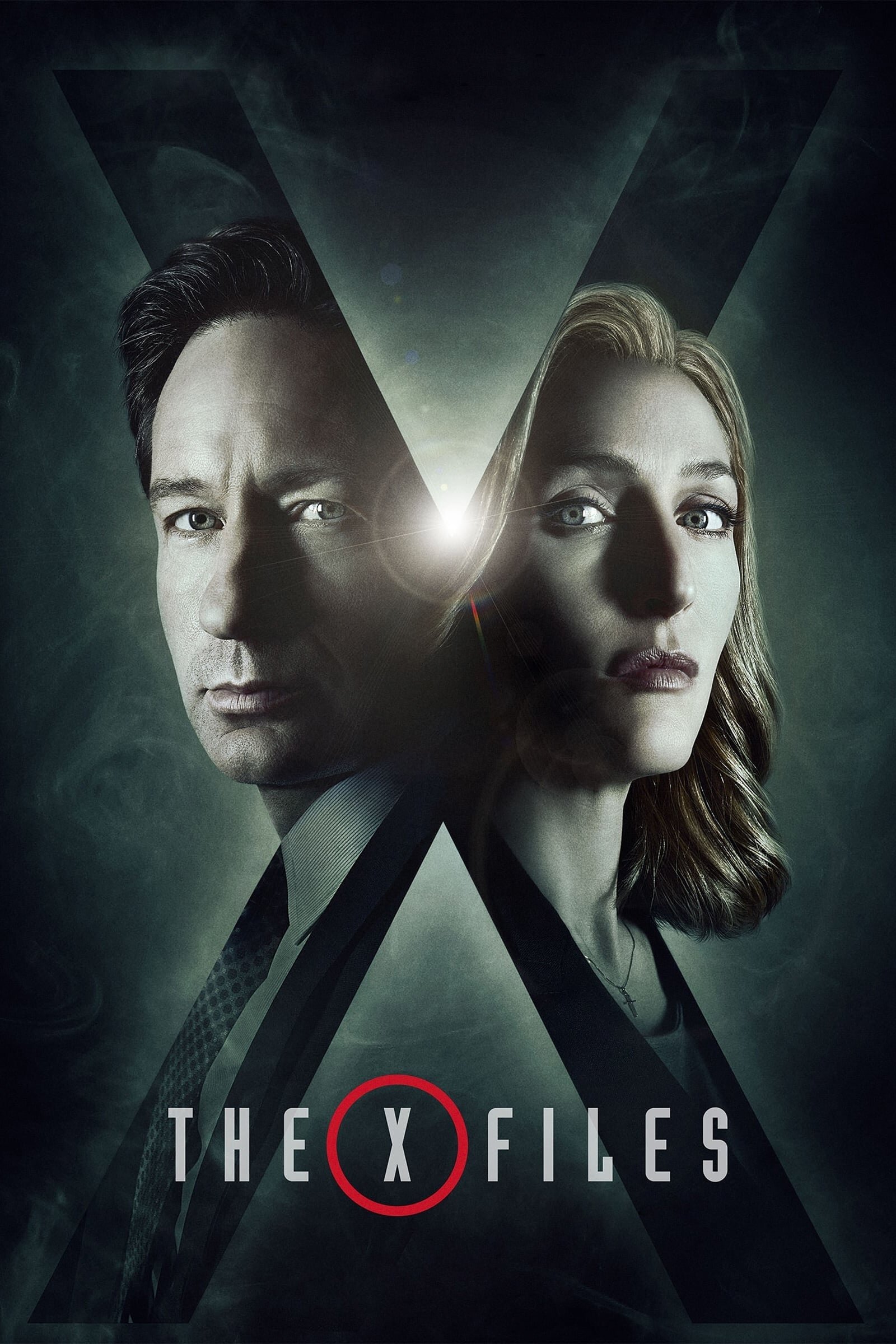
The X-Files1993
Fringe is basically fan mail to The X-Files, so go to the source: Mulder and Scully invented the FBI-agents-chasing-impossible-things template, with terrific standalone episodes and a slow-burn partnership that still aches decades later.
But Nine seasons of wildly uneven quality, a mythology that eventually buckles under its own weight, and effects and makeup that show their age.
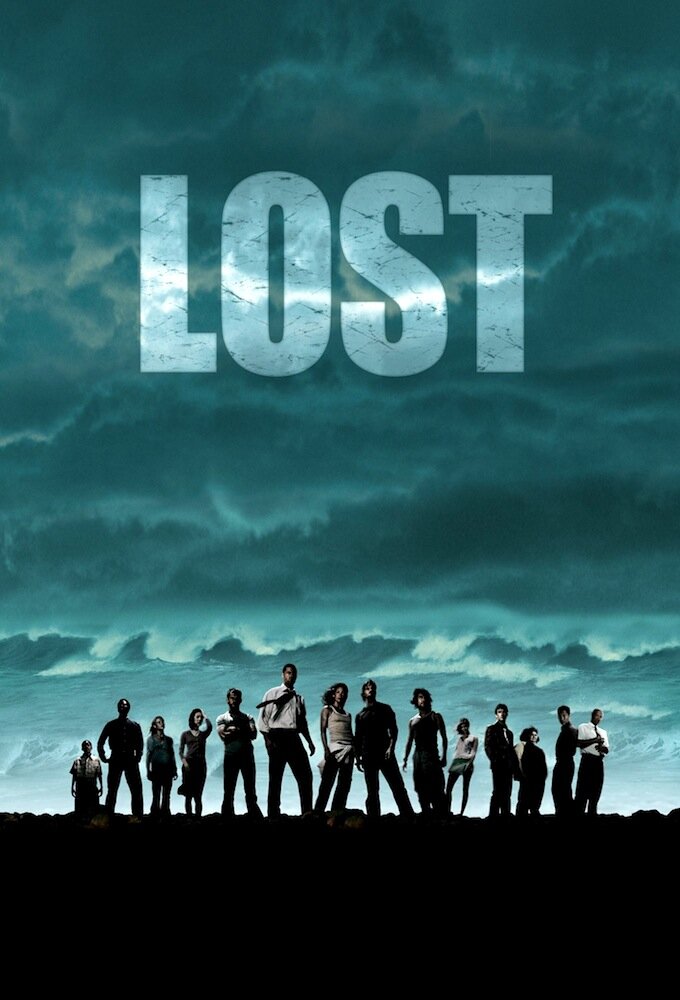
Lost2004
Same creative DNA (J.J. Abrams), same appetite for sprawling mythology, wounded fathers, and time-bending mystery. If you loved chasing Fringe's bigger picture, Lost rewards obsessive theorizing even harder.
But The ending divides people forever, and the flashback structure can feel like stalling once you're desperate for answers.
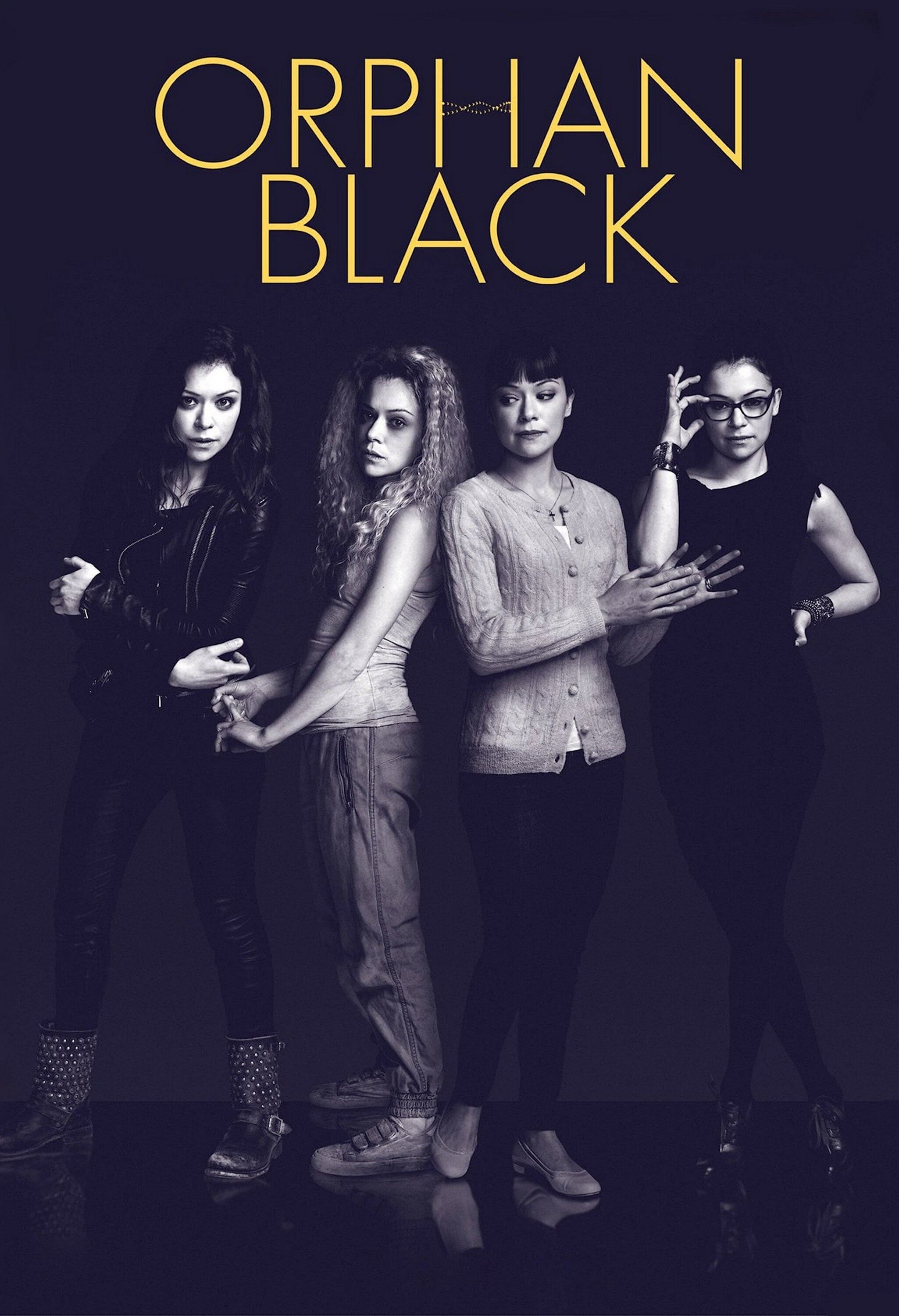
Orphan Black2013
A woman discovers she's one of many clones caught in a corporate conspiracy — paranoid, tender, and anchored by Tatiana Maslany playing a dozen distinct people. Same identity-as-mystery engine that powers Fringe's best arcs.
But The science gets shakier as it goes, and the ensemble of clones occasionally strains believability even within its own rules.
The wildcard
Something you would not have found on your own.
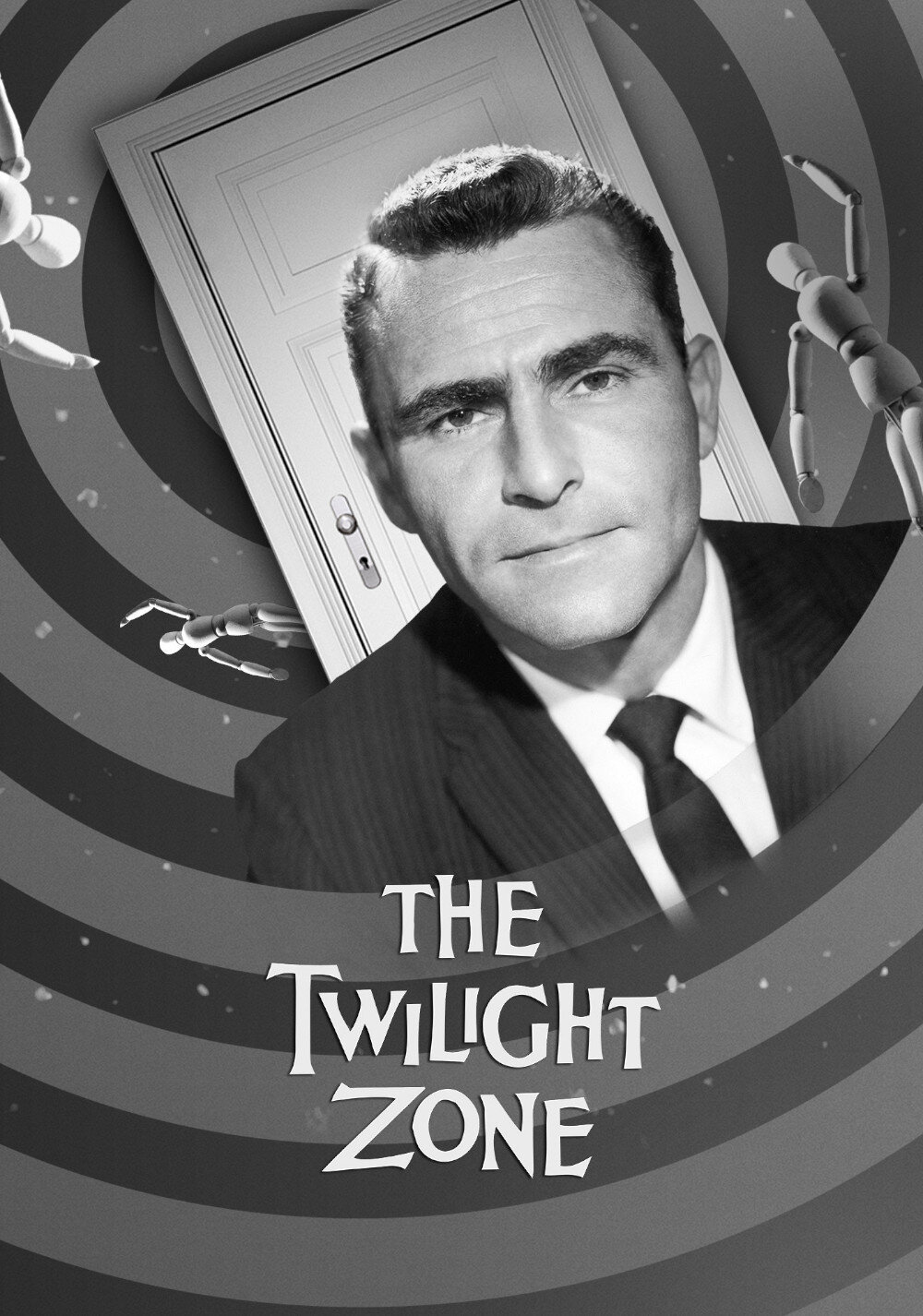
The Twilight Zone1959
Fringe's monster-of-the-week structure is basically an extended riff on this show's short sci-fi parables — same appetite for using strange science to ask what makes us human, just compressed into 25 minutes instead of a season-long mythology arc.
Black-and-white perfection: each episode is a self-contained twist of morality and dread, decades before Fringe borrowed the trick of hiding big ideas inside small, spooky stories.
But Anthology format means no ongoing characters to attach to, and some twists are now so famous they've lost their sting.
More like this (8)
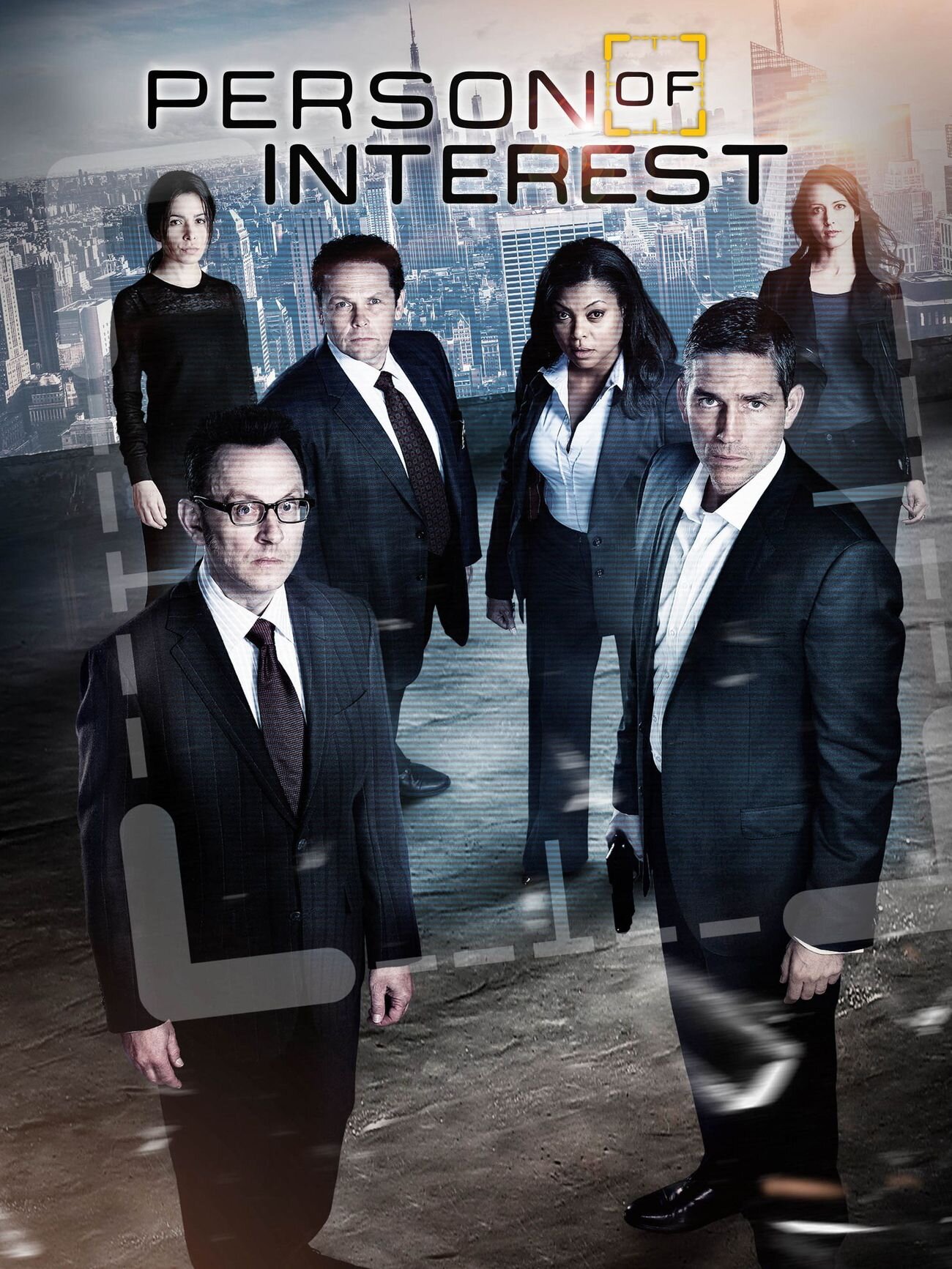
Person of Interest2011
Starts as a vigilante procedural, quietly becomes one of the smartest sci-fi shows about surveillance and free will ever aired on network TV — same trick as Fringe, hiding mythology inside case-of-the-week plots.
But Early seasons lean hard on formula before the real story kicks in properly around season two.
Warehouse 132009
A lighter, campier cousin: a secret government agency chasing supernatural artifacts instead of fringe science, with the same odd-family-at-work warmth that made Walter's team so lovable.
But Tone is much sillier and lower-stakes — don't expect the dread or emotional gut-punches Fringe delivers.
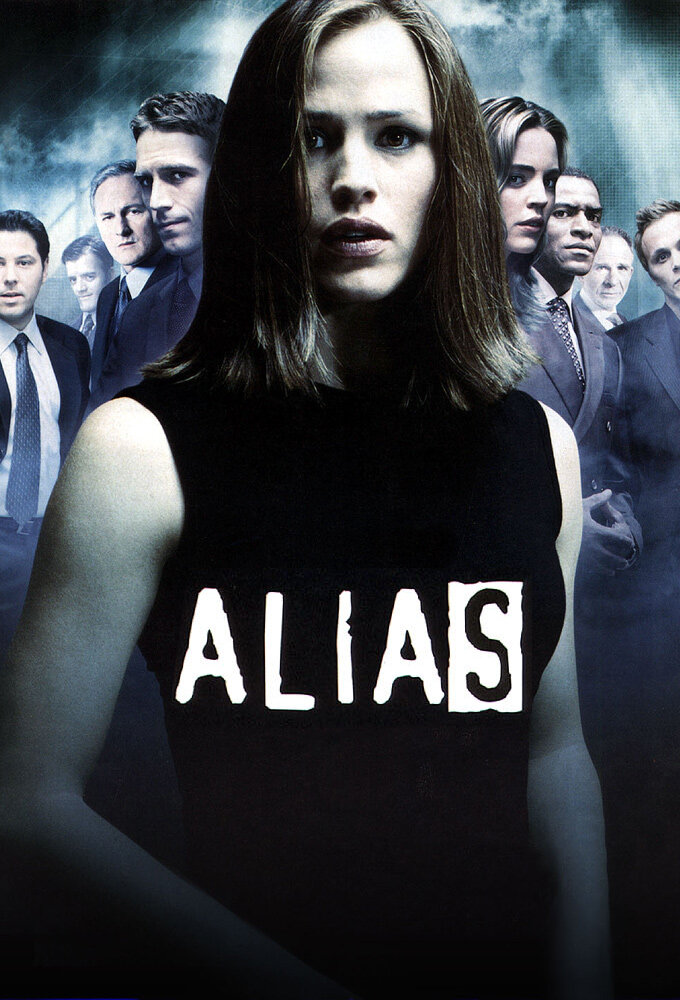
Alias2001
J.J. Abrams' earlier spy thriller has the same skeleton: a young woman pulled into her estranged parent's secret double life, mythology piling up season by season, action tangled with family betrayal.
But The plotting gets increasingly baroque, and some seasons retcon earlier ones almost beyond recognition.
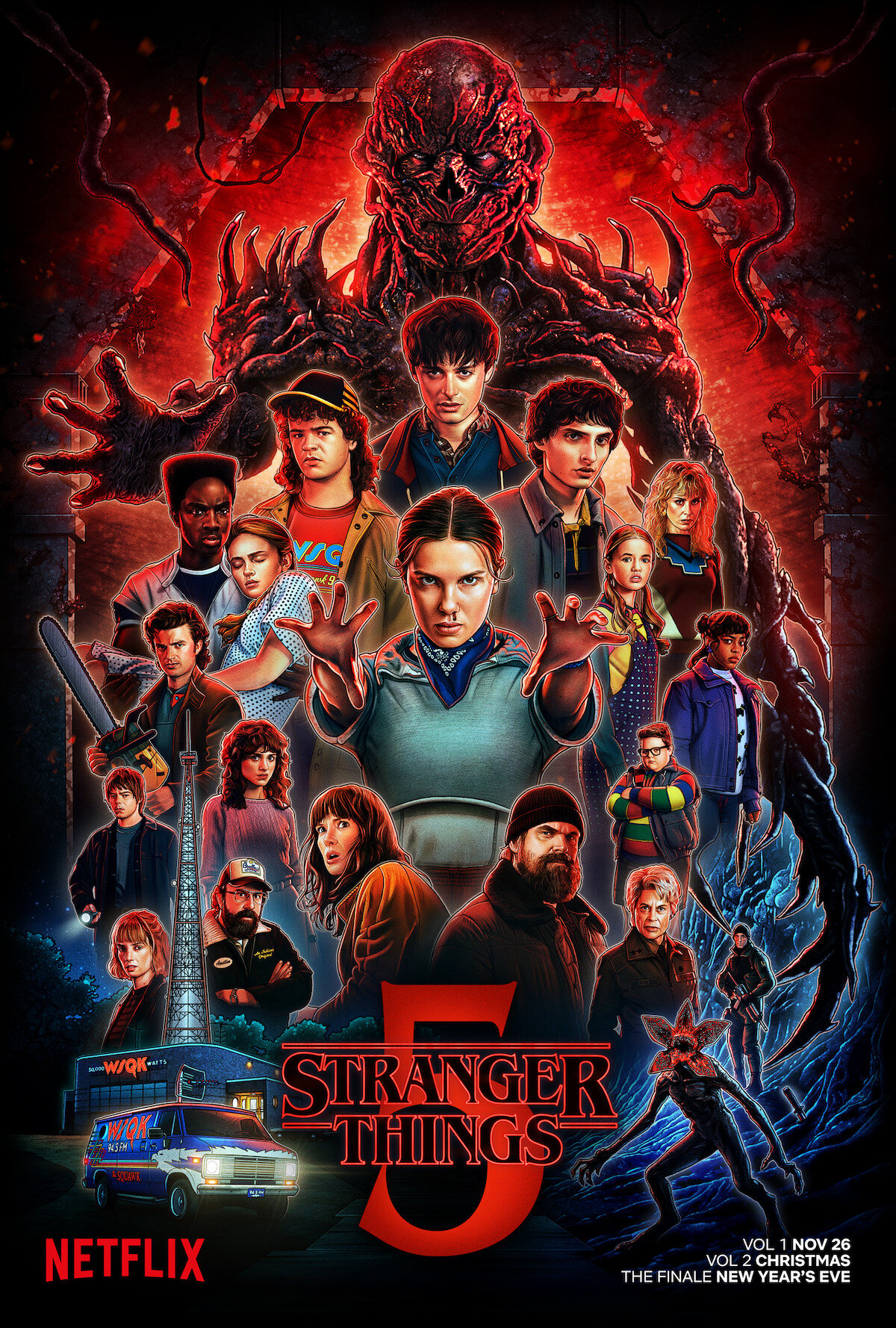
Stranger Things2016
Take Fringe's parallel-dimension dread and put it in an '80s coat: a hidden lab, a torn-open universe, and a found family fighting something that shouldn't exist. Same wonder, more nostalgia.
But Leans much younger and more adventure-movie than Fringe's procedural, adult tone — expect less FBI, more bike chases.
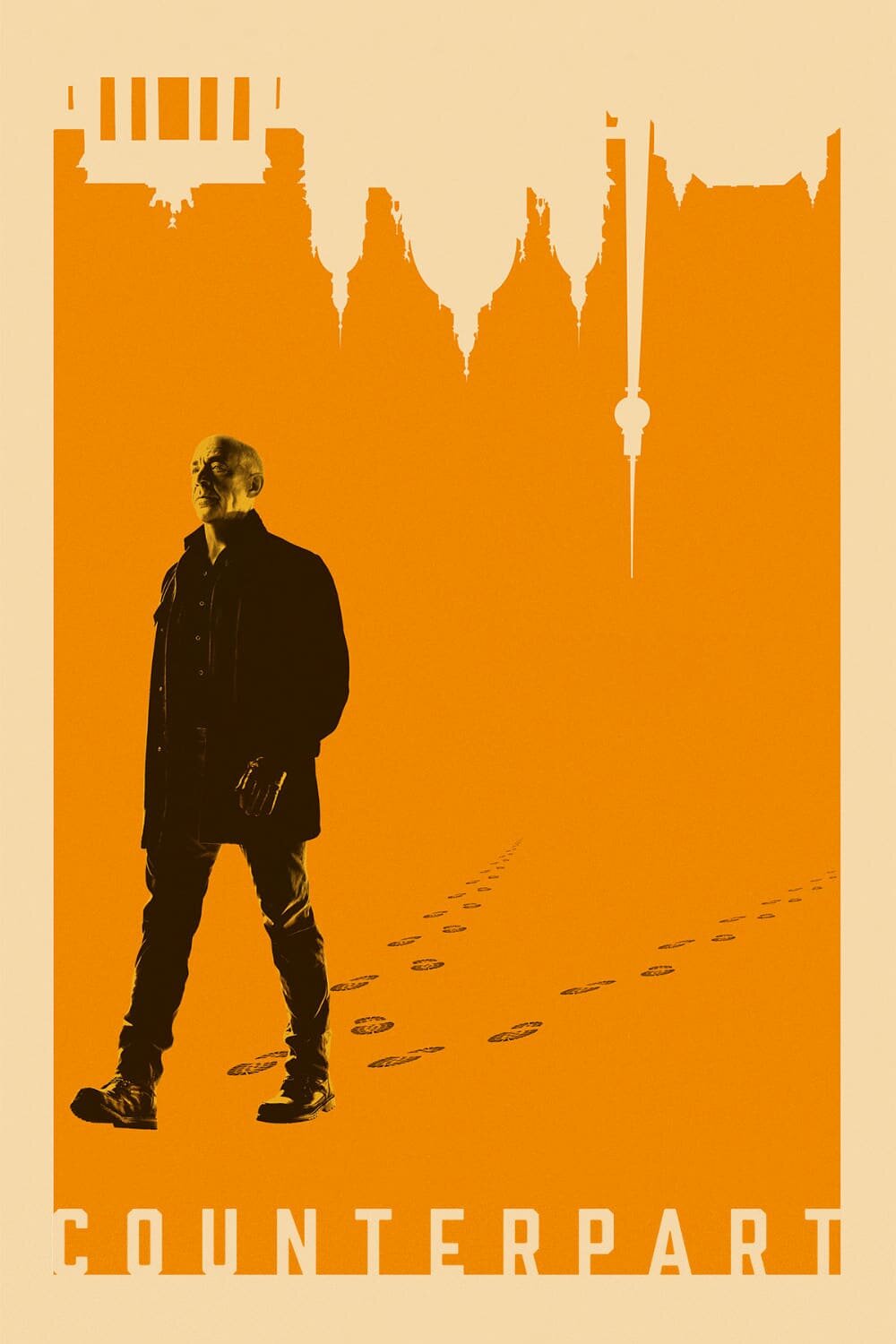
Counterpart2017
J.K. Simmons plays two versions of himself across a Cold-War-style parallel universe — the same doubling that defines Fringe's best seasons, but slower, colder, and more espionage than horror.
But Only two seasons before cancellation, and the pace is deliberately glacial — patience required.
The 44002004no page yet
Ordinary people return from decades of abduction with strange new abilities, and a government agency scrambles to understand why. Same texture of case-driven mystery hiding a much bigger conspiracy underneath.
But Budget and effects are clearly early-2000s cable modest, and the ending was cut short by cancellation.
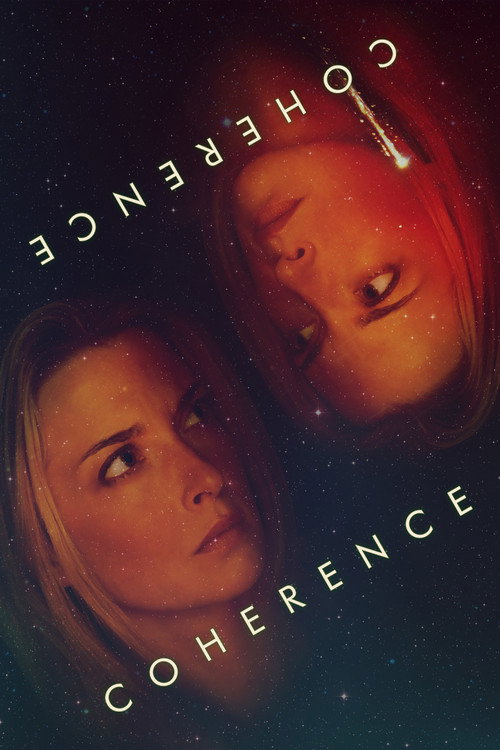
Coherence2014
Fringe's parallel-universe arcs get the ultra-low-budget, real-time treatment here: a dinner party fractures into multiple realities after a comet passes overhead, exploring the same unnerving idea — that another version of you might be making better choices — with no FBI badges and no budget.
A single dinner party spirals into a mind-bending exploration of identical realities, shot for almost nothing but tighter and more paranoid than most big-budget sci-fi manages.
But Shaky handheld camerawork and a cast of mostly unknown actors might feel like a step down from Fringe's network polish.
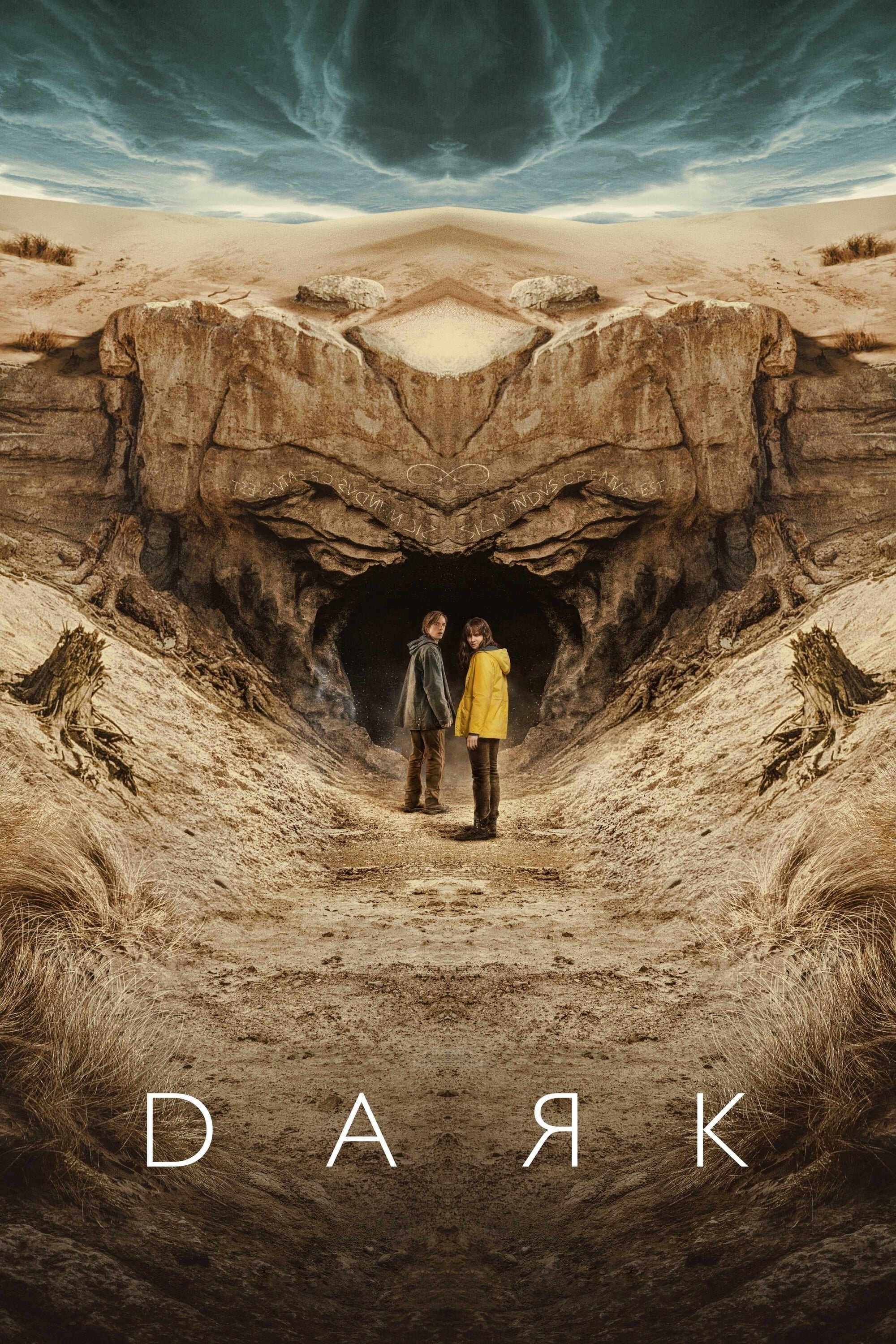
Dark2017
Swap Walter and Peter's fractured father-son bond for a whole town's worth of parents and children tangled across timelines — Dark takes Fringe's fascination with parallel worlds and generational guilt and pushes it into full existential bleakness, in German, stripped of jokes or warmth.
A German small-town mystery that turns into one of the most rigorously plotted time-travel shows ever made — bleak, cerebral, and utterly committed to its own impossible logic.
But Dense family trees across multiple timelines demand real attention, and the tone stays relentlessly grim — little of Fringe's tenderness or humor.
People
Cast
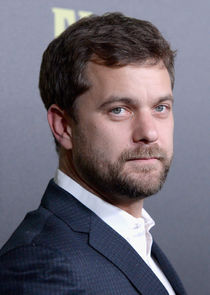
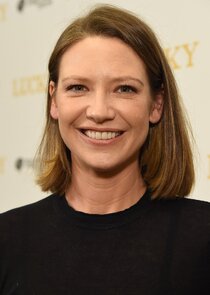

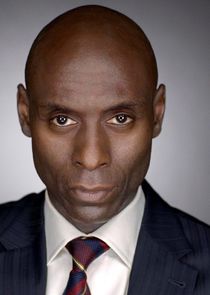
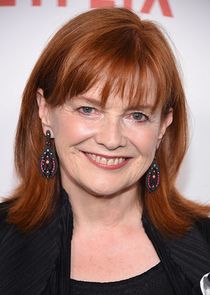

Writing
- Alex KurtzmanCreator
- J.J. AbramsCreator
- Roberto OrciCreator
Production
- Amanda Lencioni BarnettAssociate Producer
- Jay WorthAssociate Producer
- Noreen O'TooleAssociate Producer
- Patrick WardAssociate Producer
- Tamara IsaacAssociate Producer
- Tanya M. SwerlingAssociate Producer
- Alison SchapkerCo-Executive Producer
- Andrew KreisbergCo-Executive Producer
- Brooke KennedyCo-Executive Producer
- David FuryCo-Executive Producer
- David H. GoodmanCo-Executive Producer
- David WilcoxCo-Executive Producer
- Felicia D. HendersonCo-Executive Producer
- J.H. WymanCo-Executive Producer
- Joe ChappelleCo-Executive Producer
- Josh SingerCo-Executive Producer
- Kathy LinggCo-Executive Producer
- Monica BreenCo-Executive Producer
- Reid ShaneCo-Executive Producer
- Athena WickhamCo-Producer
- Brad Caleb KaneCo-Producer
- Graham RolandCo-Producer
- Tamara IsaacCo-Producer
- Tanya M. SwerlingCo-Producer
- Vladimir StefoffCo-Producer
- Akiva GoldsmanConsulting Producer
- Alex KurtzmanConsulting Producer
- Darin MorganConsulting Producer
- J.R. OrciConsulting Producer
- Jason CahillConsulting Producer
- John LitvackConsulting Producer
- Roberto OrciConsulting Producer
- Alex GravesExecutive Producer
- Alex KurtzmanExecutive Producer
- Bryan BurkExecutive Producer
- J.H. WymanExecutive Producer
- J.J. AbramsExecutive Producer
- Jeff PinknerExecutive Producer
- Joe ChappelleExecutive Producer
- Roberto OrciExecutive Producer
- Graham RolandSupervising Producer
- J.R. OrciSupervising Producer
- Jeff VlamingSupervising Producer
- Josh SingerSupervising Producer
- Reid ShaneSupervising Producer
Recommended by
Stranger Things, The X-Files, Lost, Orphan Black, The Cleaners, Warehouse 13, Dark Matter, Counterpart, Person of Interest, Grimm, The Outer Limits