
Television series
Dollhouse
Dollhouse is a sci-fi thriller about people whose memories are erased and replaced with custom personalities for hire. It's deliberately claustrophobic—all moral quicksand and paranoia—where the question isn't whether the programme is evil, but whether anyone inside it can survive knowing the truth. For fans of high-concept premises that interrogate power and consent.
Should you watch it?
Watch it if you like speculative stories that treat identity as a question of who gets to own a self, and you're happy to watch a clever premise keep turning over episode after episode.
Skip it if you want a tightly serialised story from the first hour, since its early episodes lean on self-contained jobs and the wider arc arrives slowly.
What it asks of you: Patience for a slow build: each hour is a self-contained job with a fresh personality, and the weight gathers across the season rather than in single scenes.
Not sure? Find tonight's pick in a minute.
If you liked this
The Americans2013
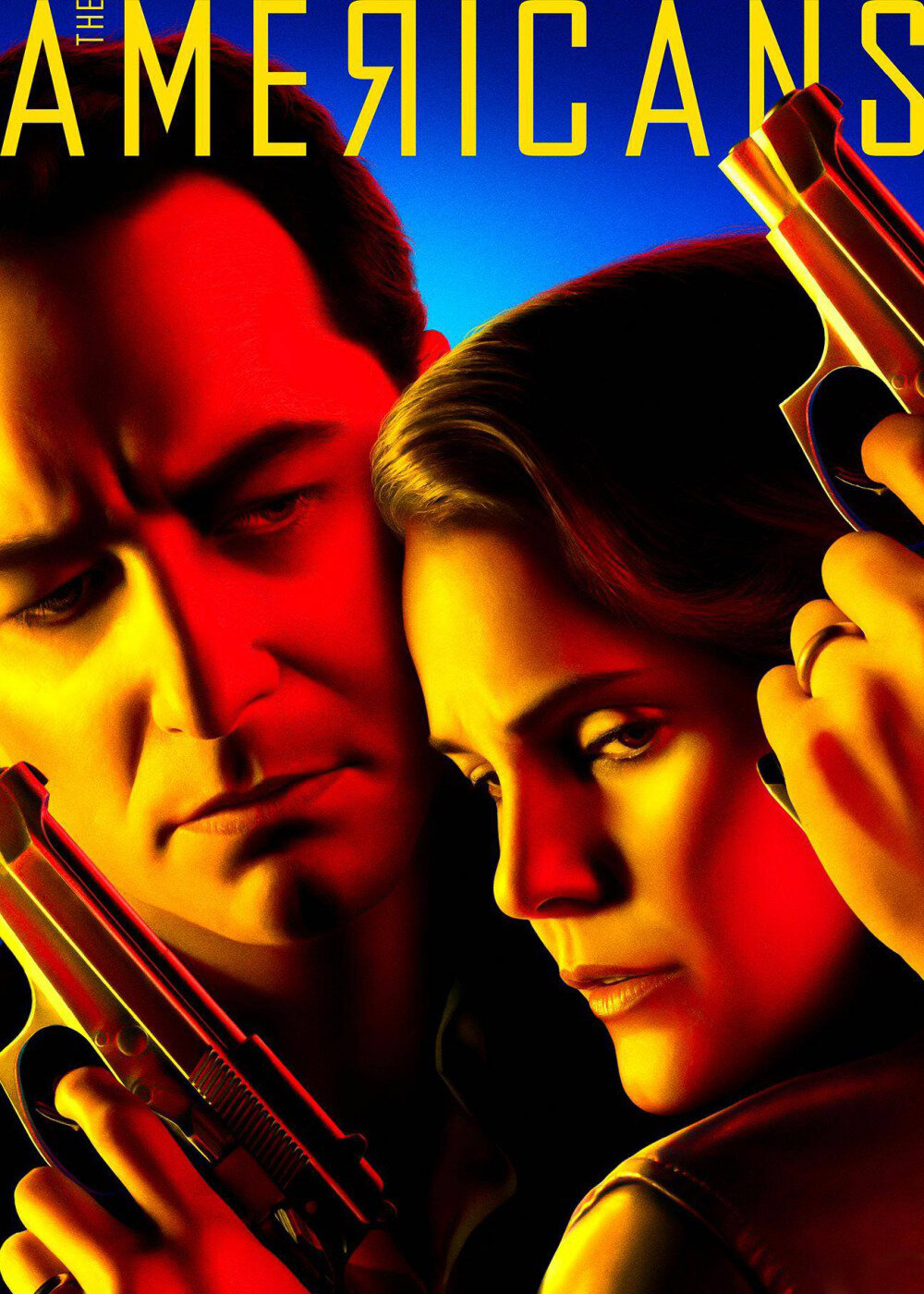
Two Soviet spies posing as an American couple navigate double lives with identical psychological tension. Like Dollhouse, it's about identity as a weapon and the cost of never being yourself, built from the ground up as a marriage under siege.
But Slower burn than Dollhouse—it prioritises character over spectacle, and some find the early seasons plodding despite the premise.
Westworld2016
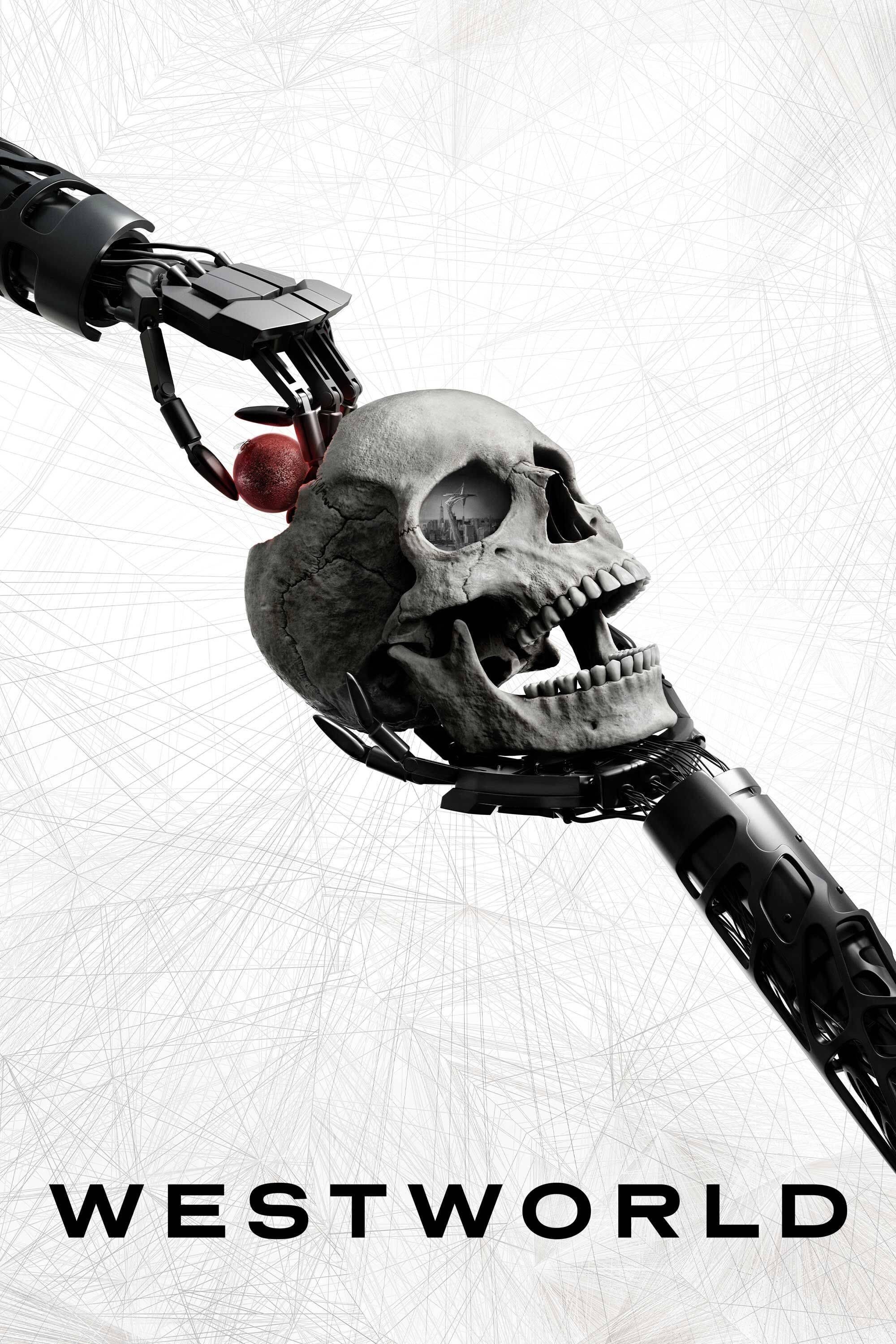
Corporate corruption meets artificial consciousness in a park where androids are abused and programmed for guests. It shares Dollhouse's obsession with personhood as purchasable commodity and the violence of treating minds as property.
But HBO's version is more expensive-looking but thematically sloppier; by season two it lost the thread Dollhouse never dropped.
Orphan Black2013
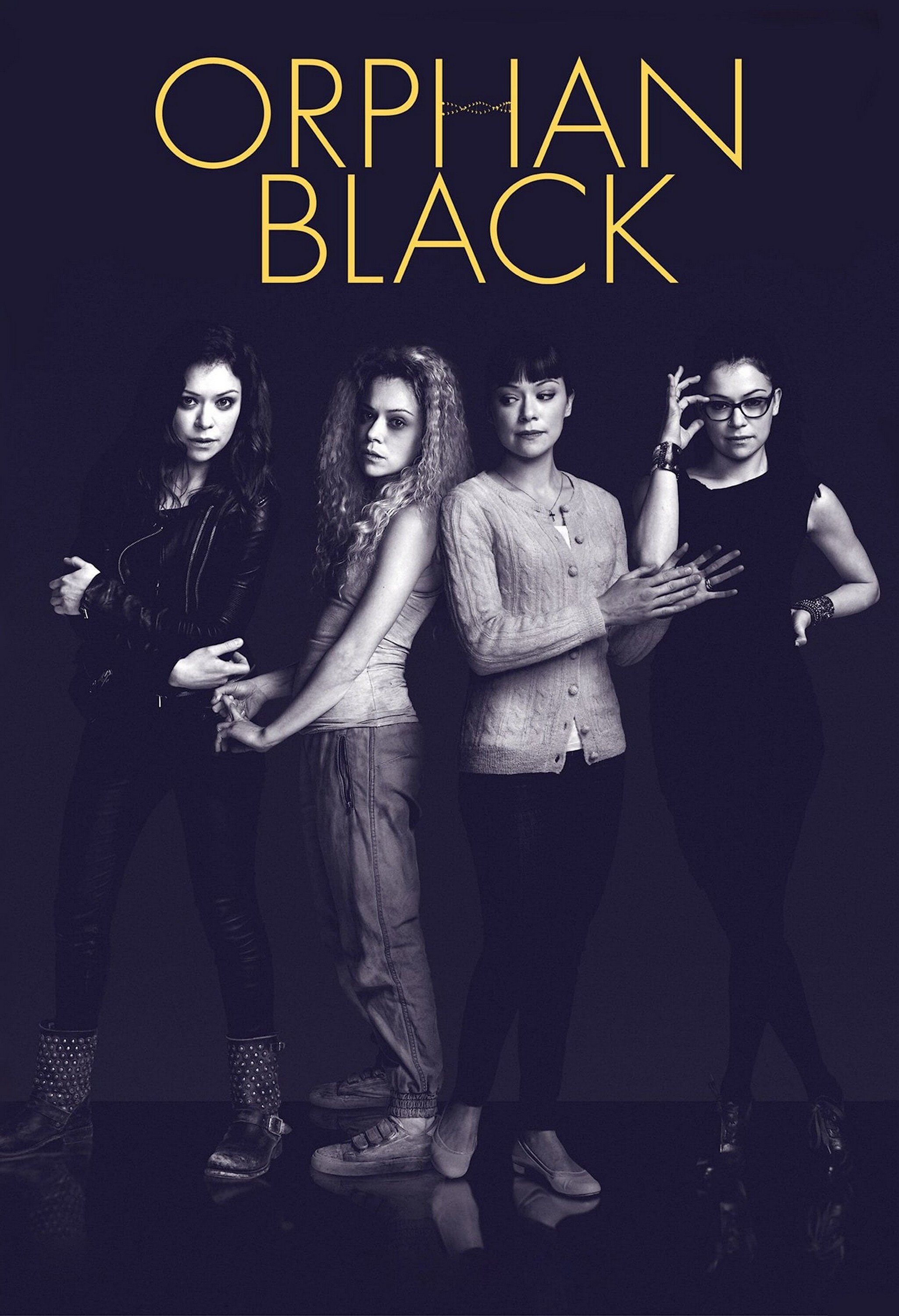
A woman discovers she's one of dozens of clones, each a full person. It explores identity, bodily autonomy, and conspiracy with the same vertiginous energy—and Tatiana Maslany gives a performance that should've broken the internet before TikTok existed.
But First season is slightly uneven while finding its tone, and the mythology occasionally outpaces character logic.
Not sure tonight? Get a pick in a minute, starting from Dollhouse
The wildcard
Something you would not have found on your own.
La Jetée1962
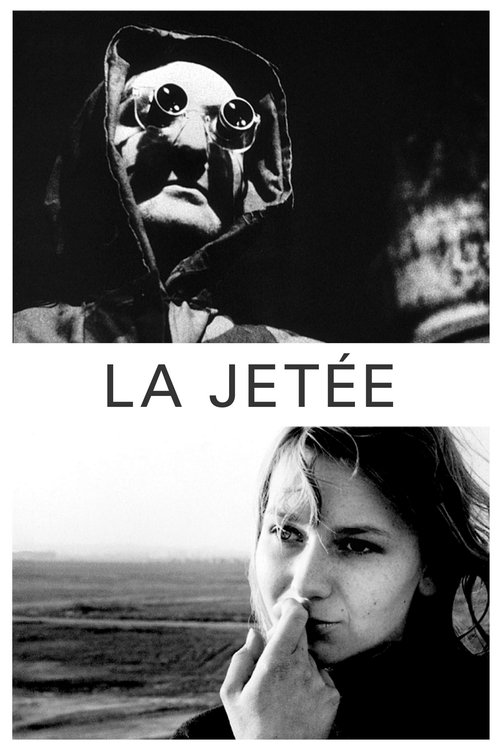
Both explore whether a self can survive when surrounded by people trying to shape it into something else, and both hinge on the question of whether love can reach someone who's been unmade.
A mostly-still photograph film about a man sent through time obsessing over a single face. It's about identity, obsession, and the human face as inescapable anchor in a way that mirrors Echo's struggle to know who she is. Astonishing and hypnotic.
But Nearly entirely composed of photographs with narration—feels more like visual poetry than narrative film. Only 28 minutes, but demands more attention than longer movies.
More like this (8)
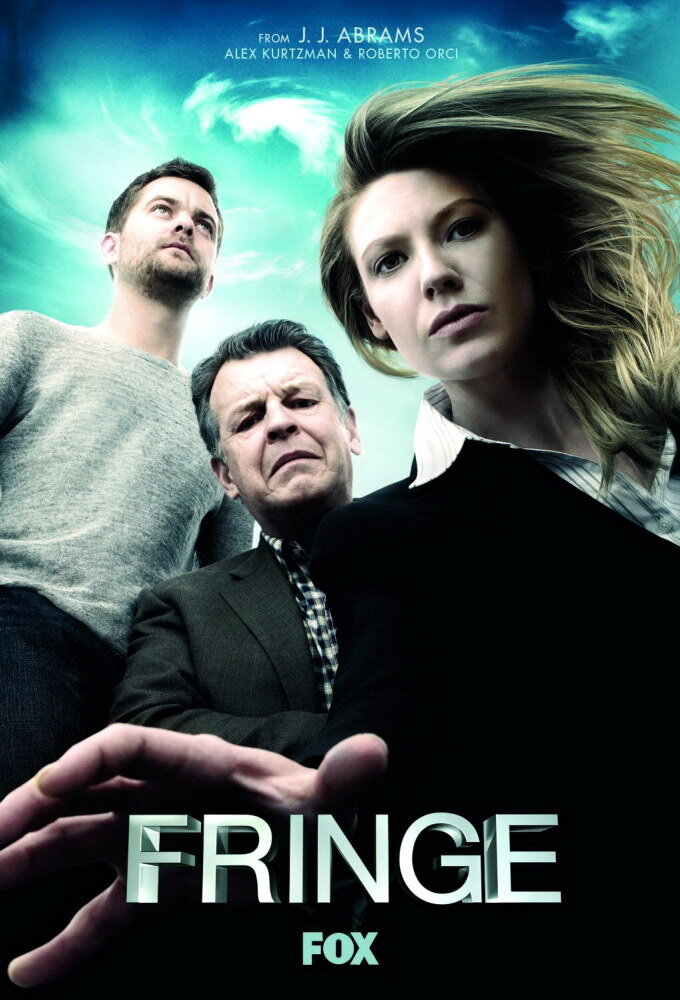
Fringe2008
Parallel universes, corporate villainy, and a secretive government programme—it scratches the same itch for mythology-heavy sci-fi with genuine emotional stakes. Anna Torv carries it beautifully.
But Wobbles in the middle seasons when it's unclear what the show wants to be, and some episodes feel like filler.
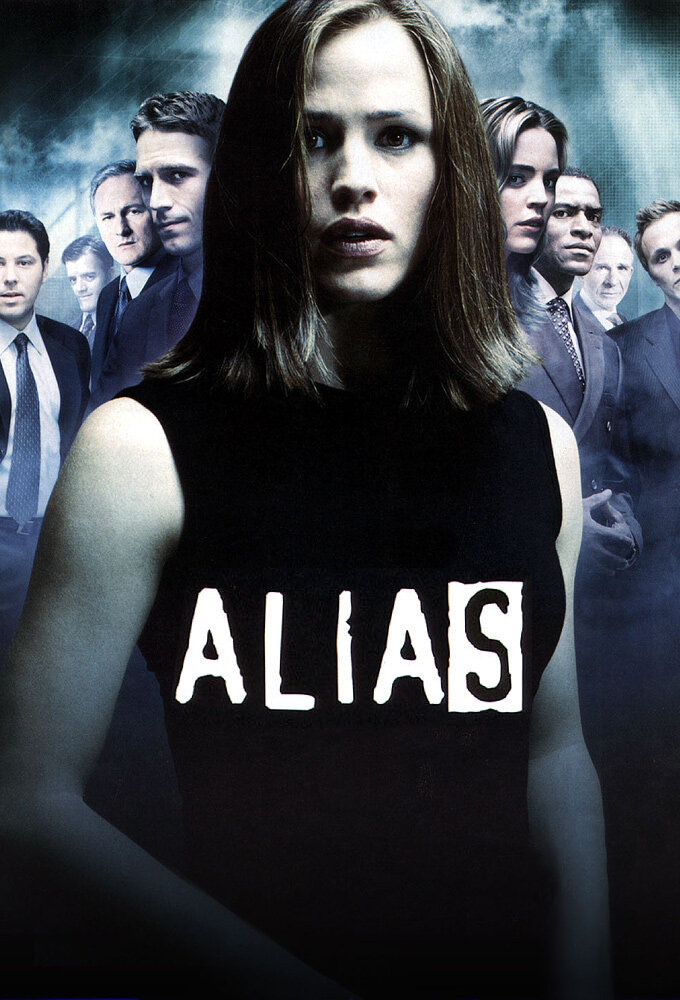
Alias2001
A woman blackmailed into double-agent work for a secret agency masks her real identity from everyone. It has Dollhouse's texture of paranoia and compartmentalised lives, plus Jennifer Garner doing insane action in a wig.
But Absurdly convoluted mythology by the end, and the later seasons abandon character for plot machinery.
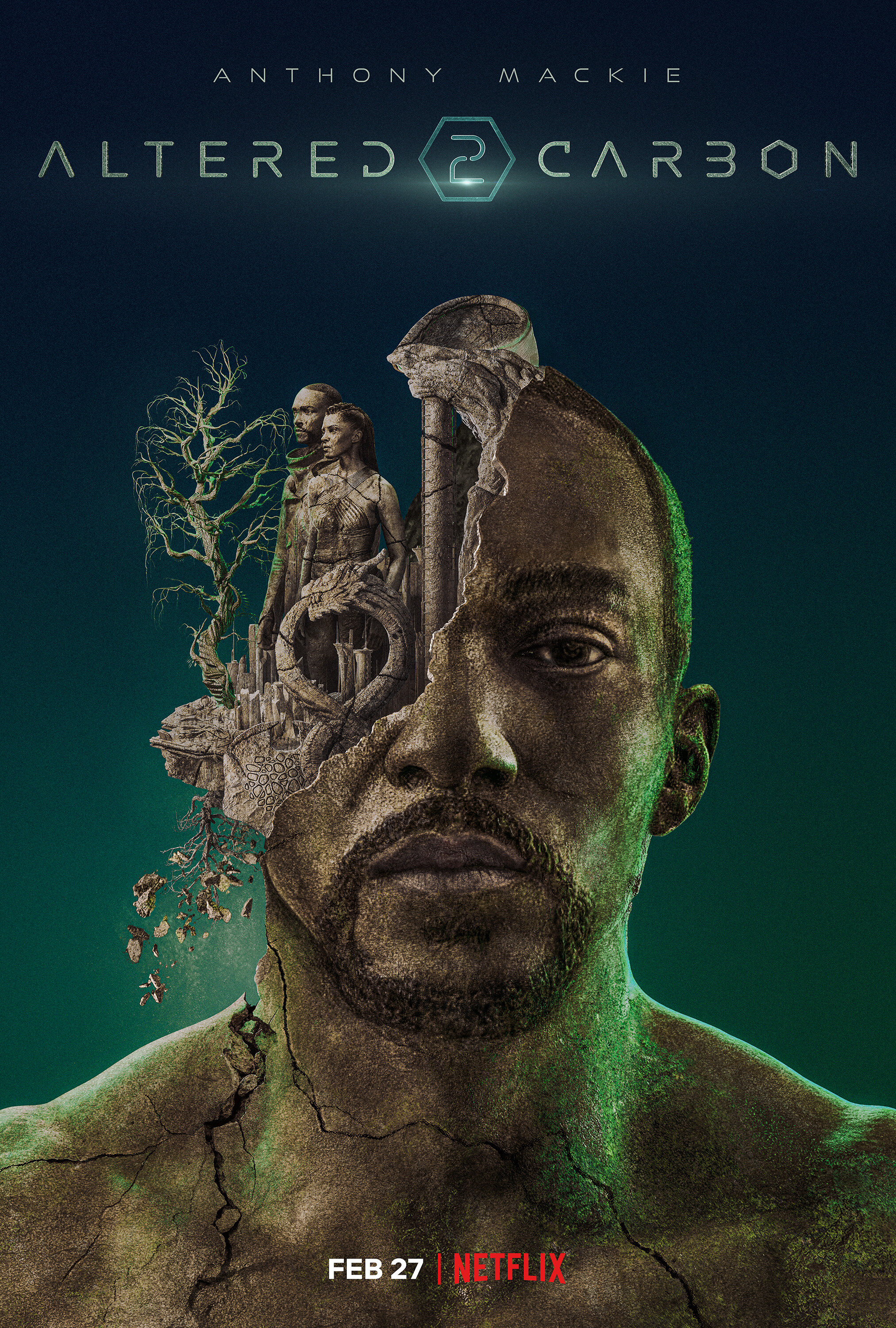
Altered Carbon2018
Consciousness is transferable, bodies are interchangeable, and murder is almost pointless. A noir-inflected dive into what happens when identity becomes truly detachable, with Dollhouse's bleakness about the commodification of personhood.
But Cyberpunk aesthetics can feel overdone, and the first season's pacing is baggy in the middle.
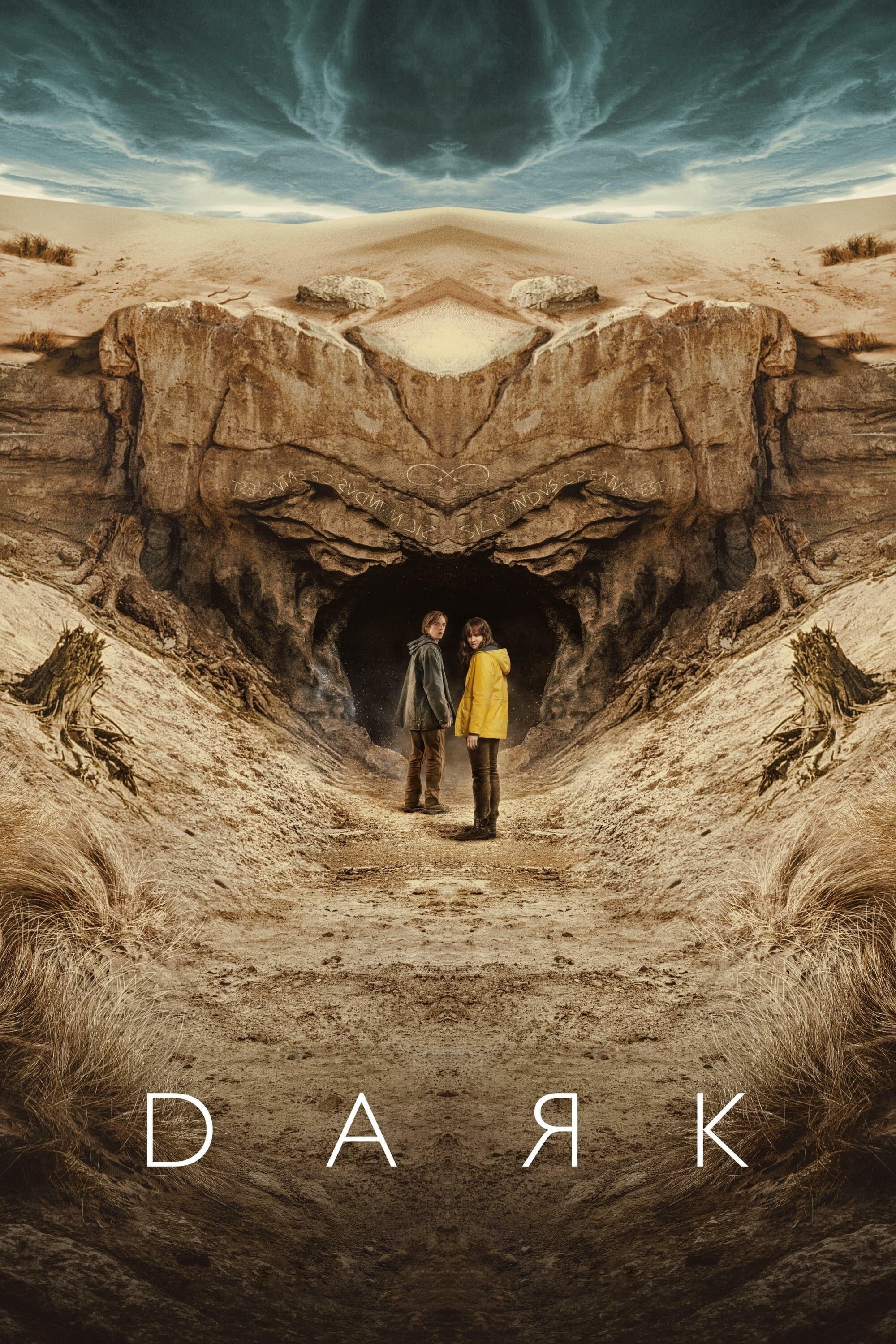
Dark2017
A missing-person mystery expands into a labyrinth of time loops and fractured identities across generations. Shares Dollhouse's sense that reality is several steps ahead of the characters' understanding, with similar emotional devastation.
But Dense to the point of opacity; requires obsessive note-taking and a strong stomach for bleak outcomes.
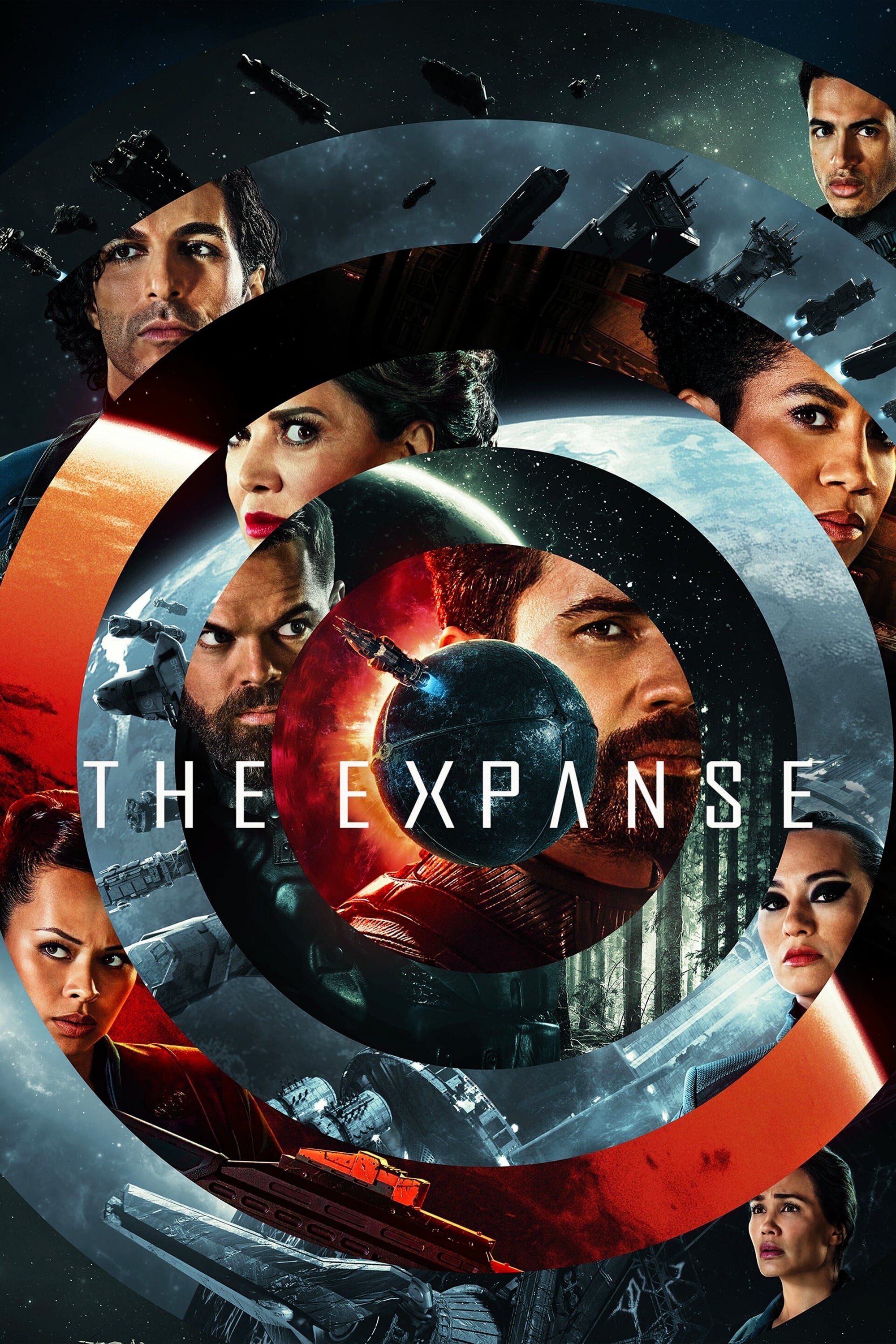
The Expanse2015
Space opera about power, agency, and humanity's worst impulses scaled to solar system. It has Dollhouse's cynicism about institutions and what those institutions will do to people in the name of security.
But First season is clumsy with exposition, and some viewers bounce off the ensemble focus before it coheres.
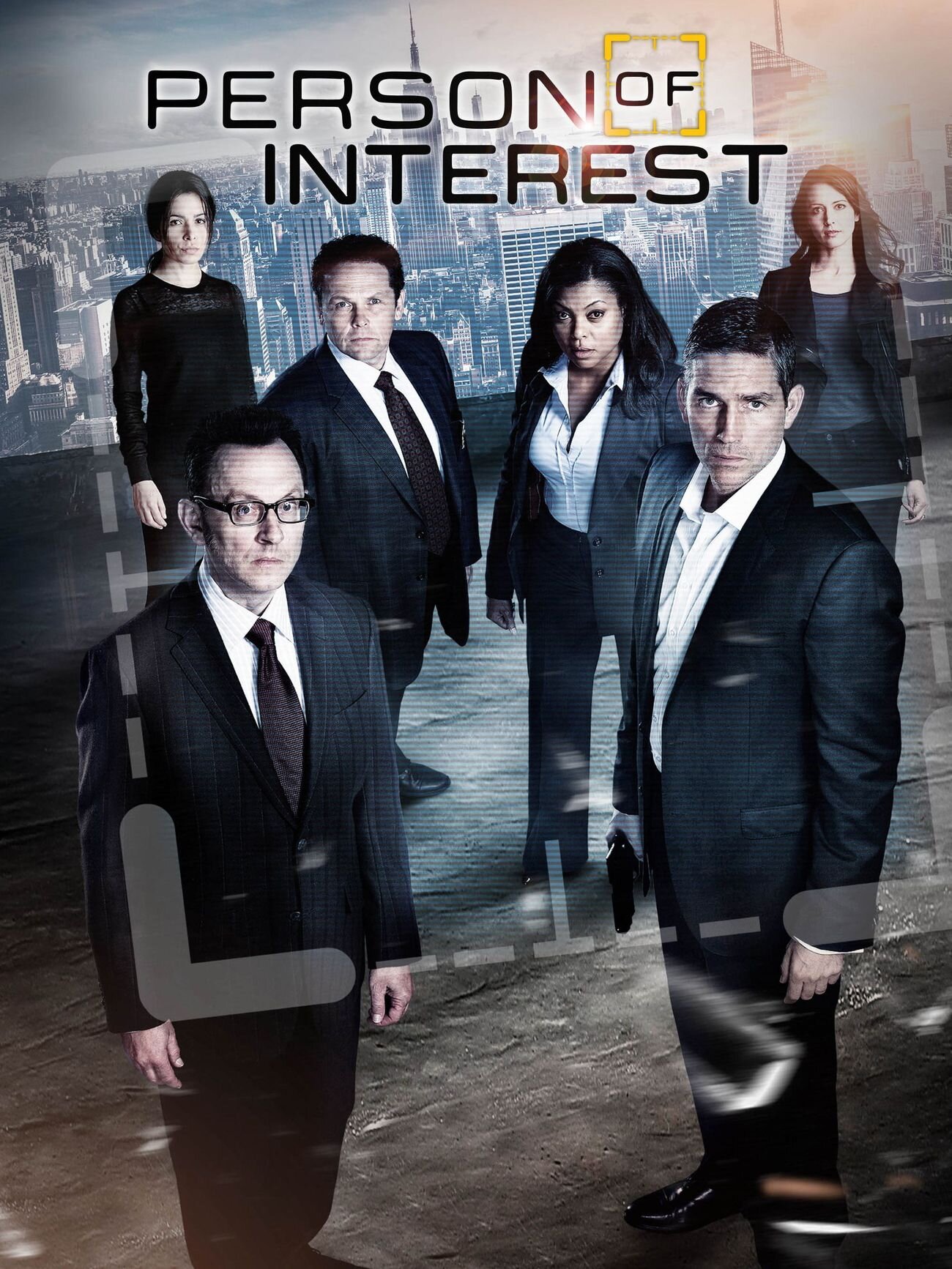
Person of Interest2011
An AI predicts crimes; two men must stop them before they happen. Similar questions about surveillance, identity, and whether an individual's choice matters if it's already known—though more procedural than Dollhouse's seriality.
But Procedural elements can feel rote in early seasons, and the mythology doesn't fully justify the format.
Natsume's Book of Friends2008
Both ask what it means to restore personhood to someone who's been used as an instrument. Both answer with surprising tenderness.
A young man inherits the ability to see spirits and a ledger of names binding them in servitude. Quieter and gentler than Dollhouse but structured around the same moral crisis: what do you owe to someone you control? How do you return agency to the powerless?
But A supernatural drama with episodic elements; if you expect action and thriller pacing, this will feel glacially slow and far too earnest.

Under the Skin2014
Where Dollhouse asks if a person can remain human after their identity is stolen, Under the Skin asks if someone can use imitation so thoroughly that the original self dissolves—the same crisis approached from the opposite direction.
Scarlett Johansson as an alien woman seducing men in Scotland for harvest. Hypnotic and abstract—almost no dialogue, long silences, the camera sometimes indifferent to narrative clarity. It's Dollhouse inverted: a being performing humanity so completely she becomes untethered from purpose.
But Glacially slow, cryptic, sometimes deliberately obscure. If you want plot clarity or conventional character arcs, you will be frustrated and bored.

People
Cast
Writing
- Joss WhedonCreator
Production
- Chris CheramieAssociate Producer
- David SolomonCo-Executive Producer
- Elizabeth CraftCo-Executive Producer
- Sarah FainCo-Executive Producer
- Tim MinearCo-Executive Producer
- Jane EspensonConsulting Producer
- Michele FazekasConsulting Producer
- Steven S. DeKnightConsulting Producer
- Tara ButtersConsulting Producer
- Tim MinearConsulting Producer
- David SolomonExecutive Producer
- Joss WhedonExecutive Producer
- Tim MinearExecutive Producer