Television series
Witchblade
A New York homicide detective inherits a sentient supernatural weapon that grants her lethal power but demands a terrible price. Witchblade blends police procedural with urban fantasy and graphic novel aesthetics, mixing procedural cases with mythic stakes. It's for anyone who wants their crime drama with genuine magic, and doesn't mind the overwrought earnestness of early-2000s genre television.
Should you watch it?
Watch it if you like cop procedurals that bolt a supernatural gadget onto the case of the week, and you enjoy a heroine who wrestles with a power she never asked for more than the monster she is chasing.
Skip it if you want a tight, grounded crime drama, since the mythology and the glowing armor pull focus from the investigations and the production often feels modest for a supernatural show.
What it asks of you: Sixty-minute episodes, twenty-three in total across two seasons, so you can commit without much strain, and the pace is brisk, with each hour built around a self-contained case.
Not sure? Find tonight's pick in a minute.
If you liked this
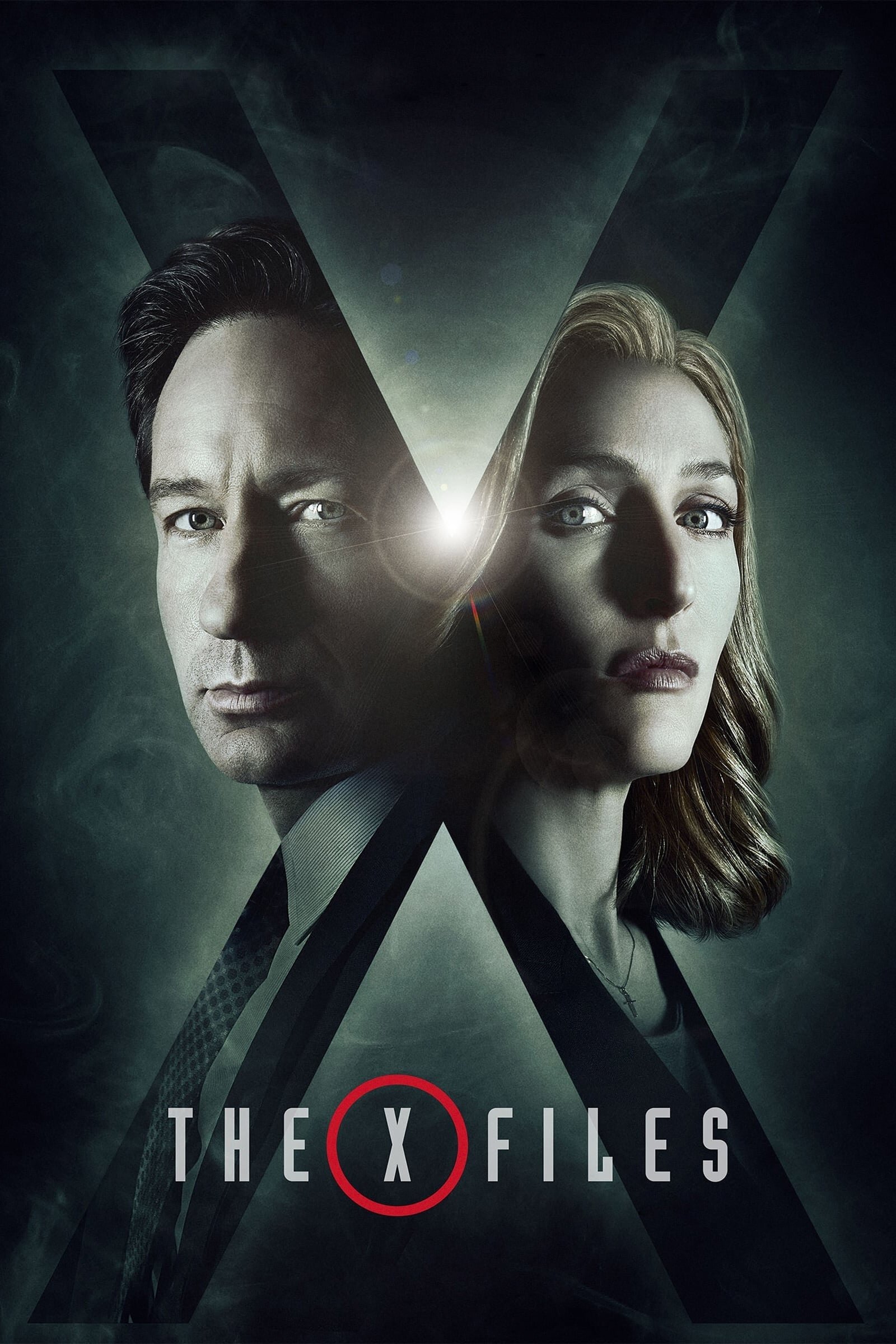
The X-Files1993
Procedural investigation paired with the supernatural and conspiratorial. Like Witchblade, it layers standalone cases with a mythology that deepens the personal stakes for its lead detective across seasons.
But Slow pacing and serialized plotting mean later seasons demand real patience. Some mythology arcs feel more muddled than mysterious.
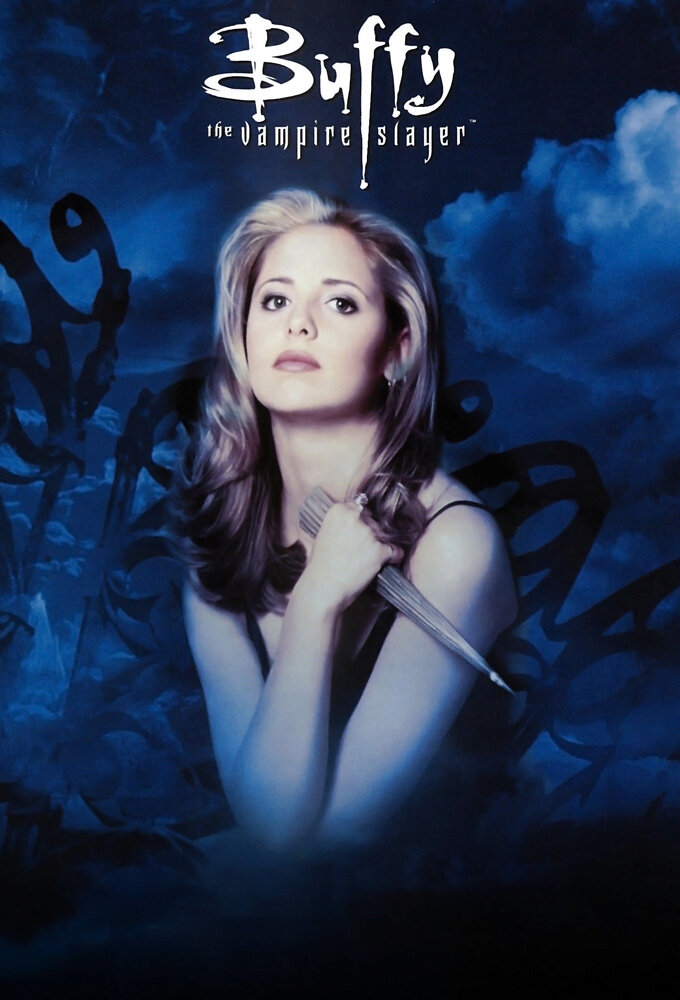
Buffy the Vampire Slayer1997
Young woman forced into a destiny she didn't choose, balancing mundane responsibilities with cosmic responsibility. Both shows mine genuine emotion from the collision of personal life and supernatural duty.
But Tonally shifts between camp and tragedy, which not everyone finds comfortable. The early seasons are rougher than Witchblade.
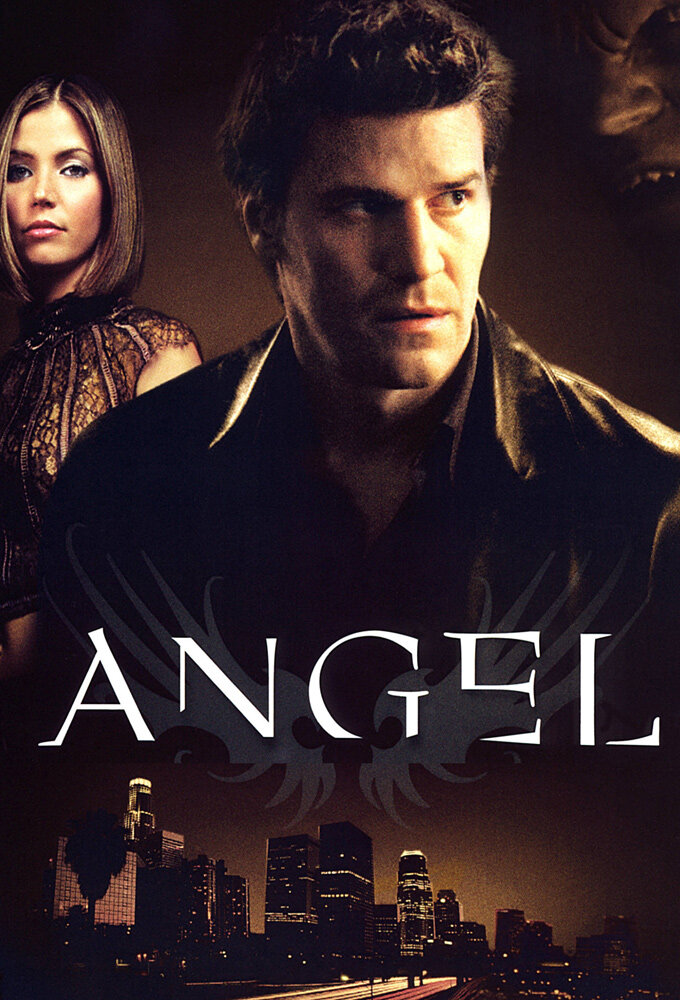
Angel1999
Dark urban supernatural noir with a noir-adjacent detective setup. Morally grey protagonists wrestling with their own power and its cost, set in a gritty city where the magical and criminal overlap.
But More serialized than procedural. Later seasons can feel repetitive and the mythology grows dense enough to frustrate newcomers.
Not sure tonight? Get a pick in a minute, starting from Witchblade
The wildcard
Something you would not have found on your own.
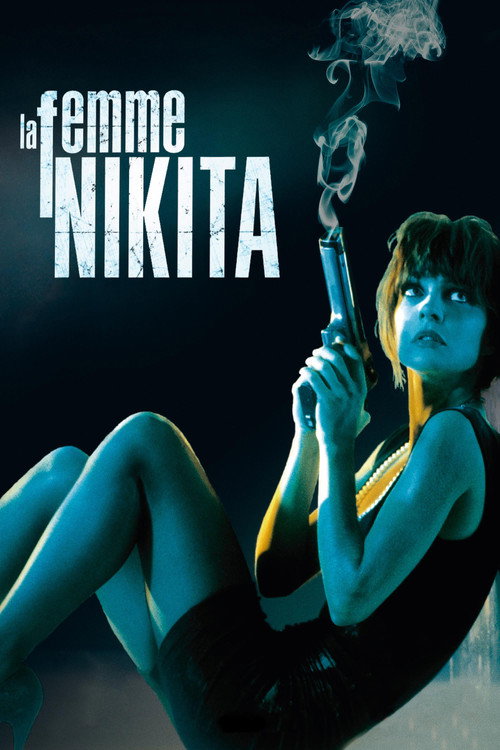
Nikita1990
Both center on a woman whose power is imposed rather than chosen, and both explore the psychological cost of becoming a weapon. The Witchblade TV series is essentially an American reinterpretation of this exact premise across multiple episodes.
A dangerous woman coerced into lethal service by forces beyond her control. The film that practically invented the archetype Witchblade would explore. Visually stylish, genuinely tense, and morally unsettling in ways the show wouldn't dare.
But French cinema of 1990 means patient, deliberate pacing. It's a philosophical thriller, not an action movie, despite the violence.
More like this (8)
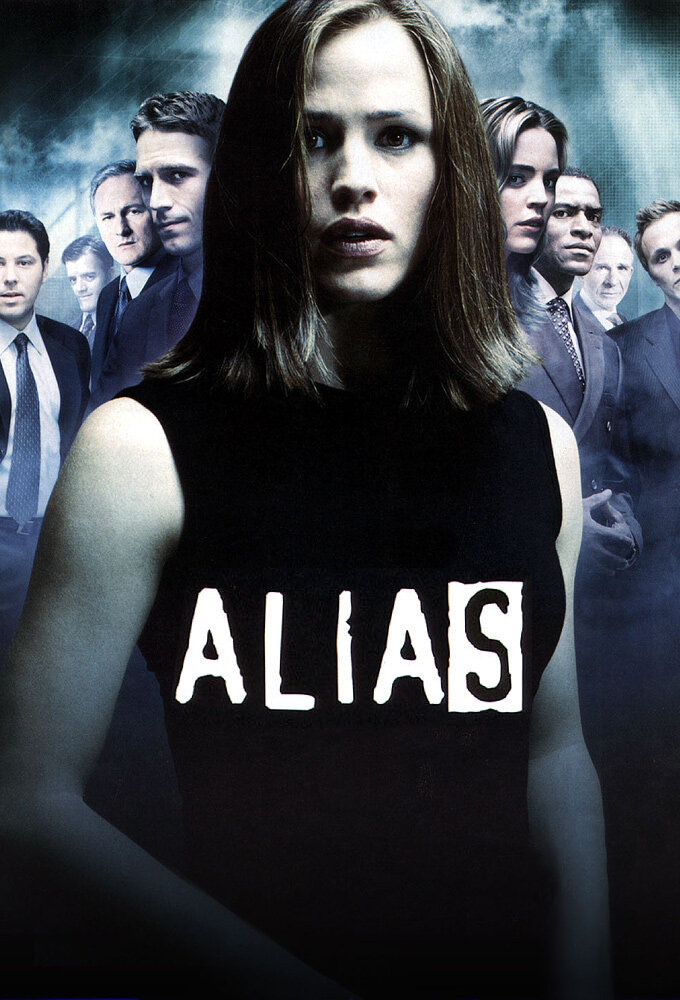
Alias2001
A woman granted extraordinary abilities through external means—in this case training and tech rather than mysticism—fighting crime and conspiracy. Fast-paced, visually inventive, and emotionally grounded in her relationships.
But Plot becomes absurdly convoluted by season three. The show sometimes forgets its own mythology.
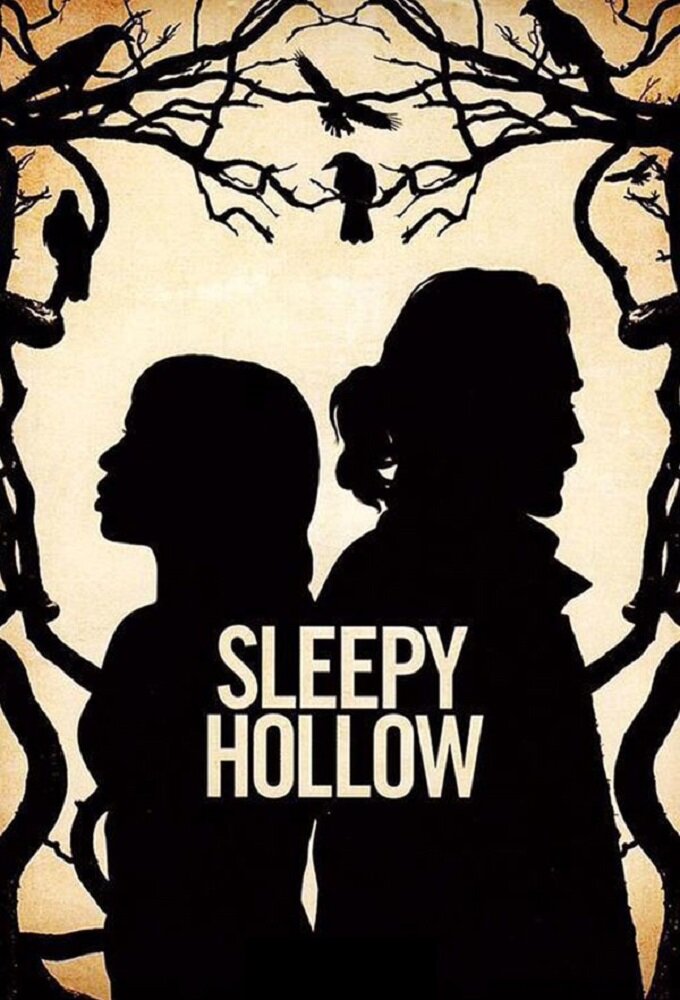
Sleepy Hollow2013
Modern supernatural crime-fighting with Ichabod Crane as a fish-out-of-water witness to the occult. Sharp banter between leads, strong visual style, and a genuine sense that ancient forces are loose in contemporary New York.
But Cancellation after two seasons leaves mythology unresolved. Tone veers wildly between serious and silly.
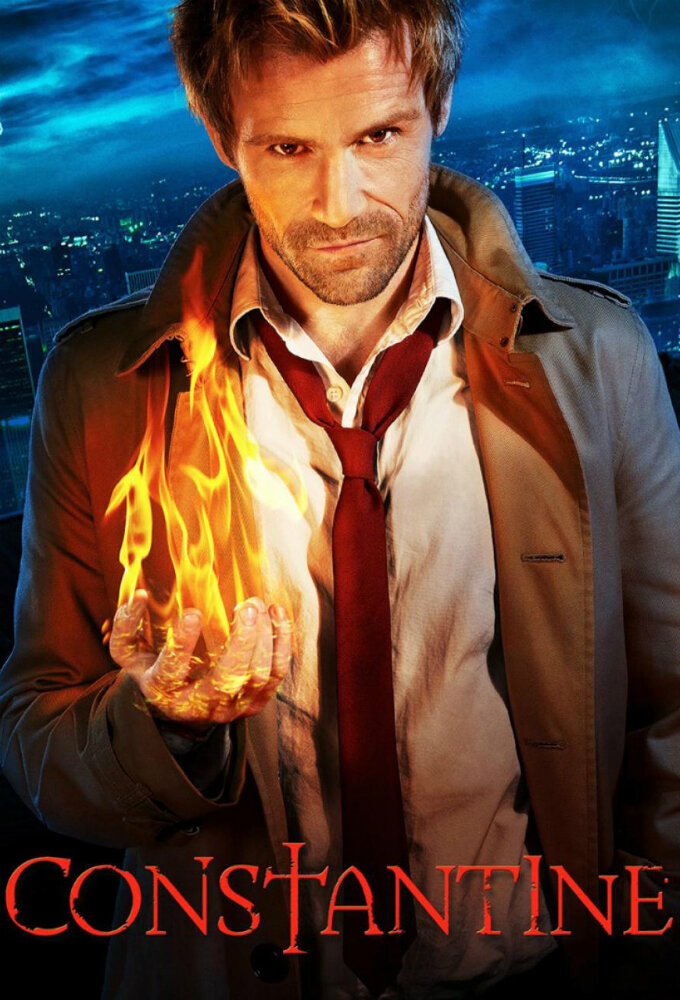
Constantine2014
Occult detective fighting demonic forces across a supernatural underworld. Darker and stranger than Witchblade, but shares the aesthetic of a gifted person bearing a burden no one should carry alone.
But Only one season. The show struggles between network television constraints and the material's grimier source material.
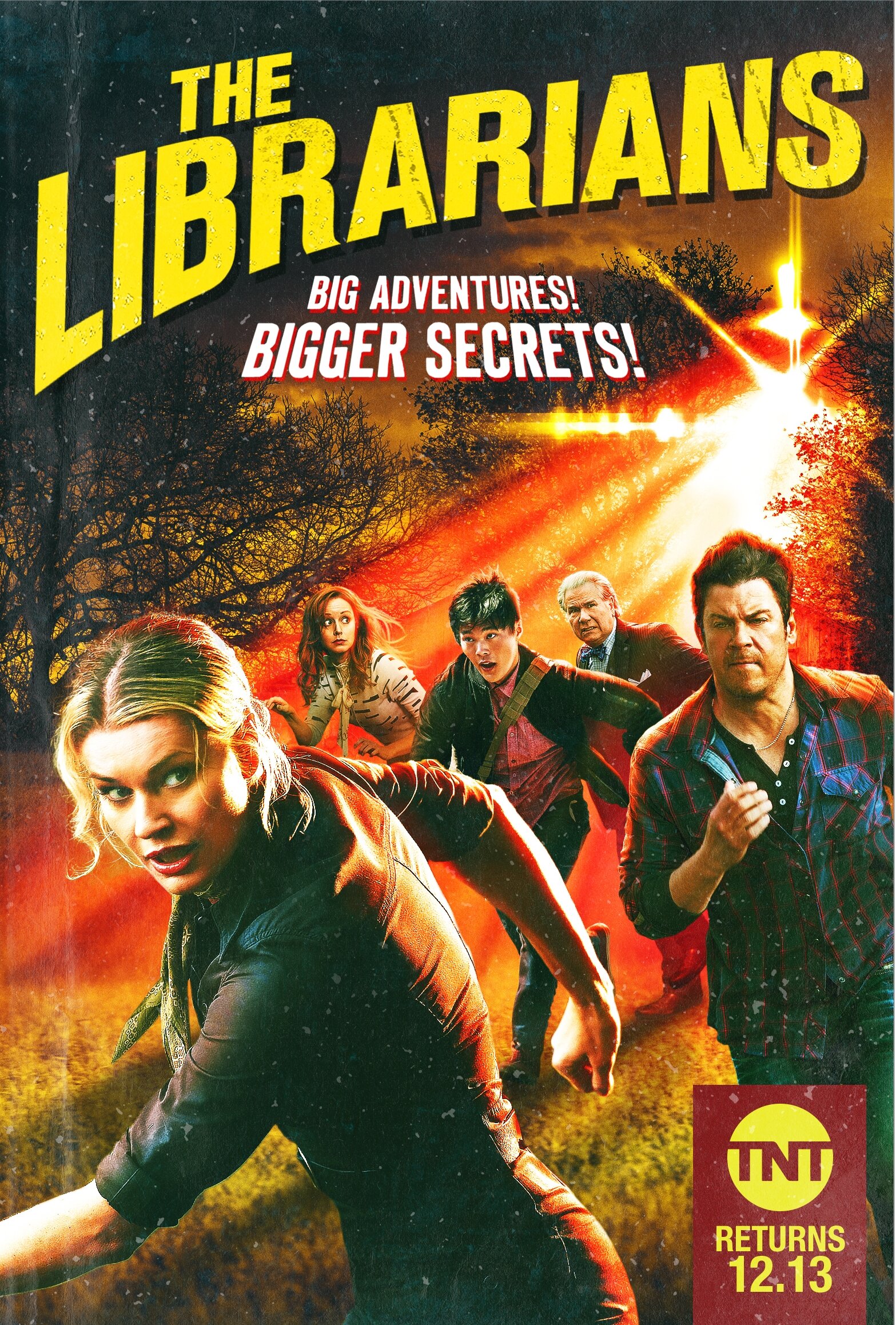
The Librarians2014
A team protecting the world from magical artifacts and ancient curses, blending procedural mystery-solving with genuine danger and stakes. Playful but earnest about its supernatural world-building.
But Unapologetically campy adventure-of-the-week tone. If you want grittiness, this leans hard the other direction.
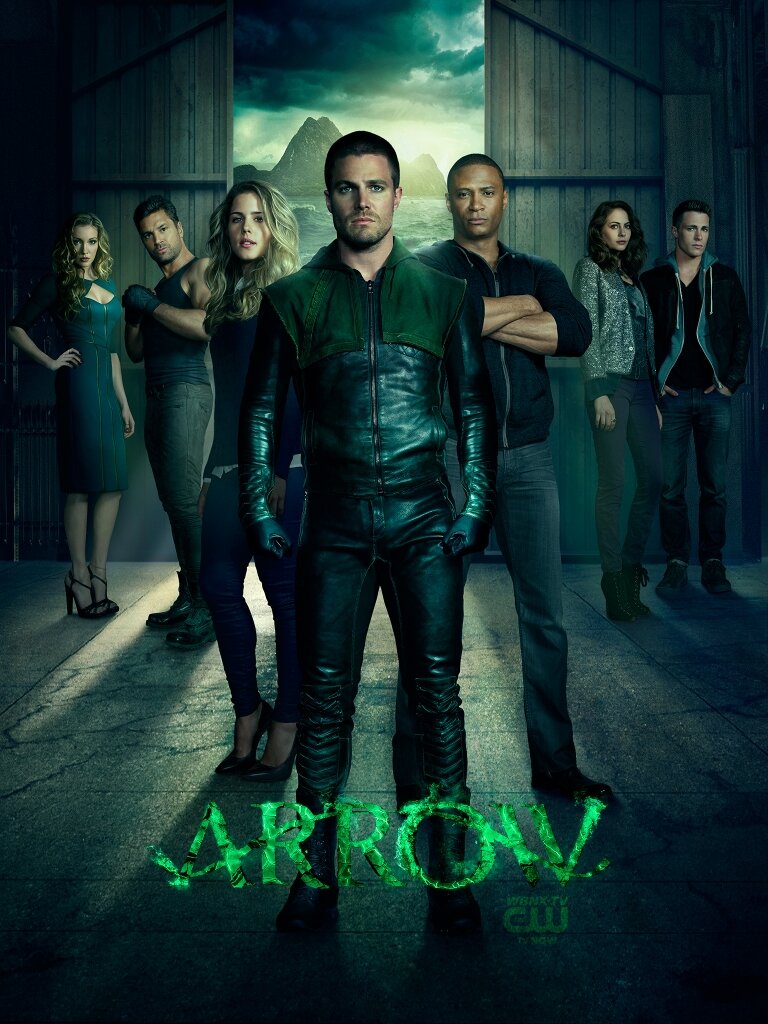
Arrow2012
A vigilante using a weapon born of purpose, hunting criminals while protecting a city. Grounds action and mythology in character psychology and genuine consequences. Visual style is slick and confident.
But Starts strong and seasons 4-5 are widely considered weak. The show sometimes confuses serialization with quality storytelling.
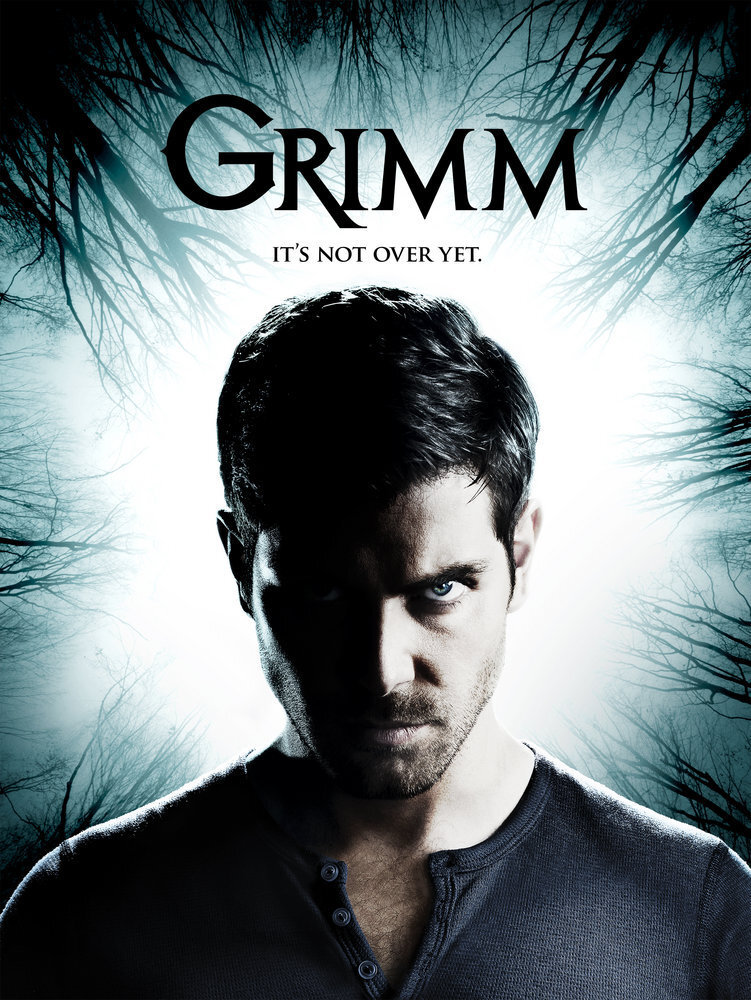
Grimm2011
A detective discovers supernatural creatures exist in his city and must navigate both crime-solving and the hidden magical world. Episodic enough to be accessible, but mythology deepens satisfyingly across its run.
But Lean on forgettable creature-of-the-week episodes early on. Tone is often lighter than the premise deserves.
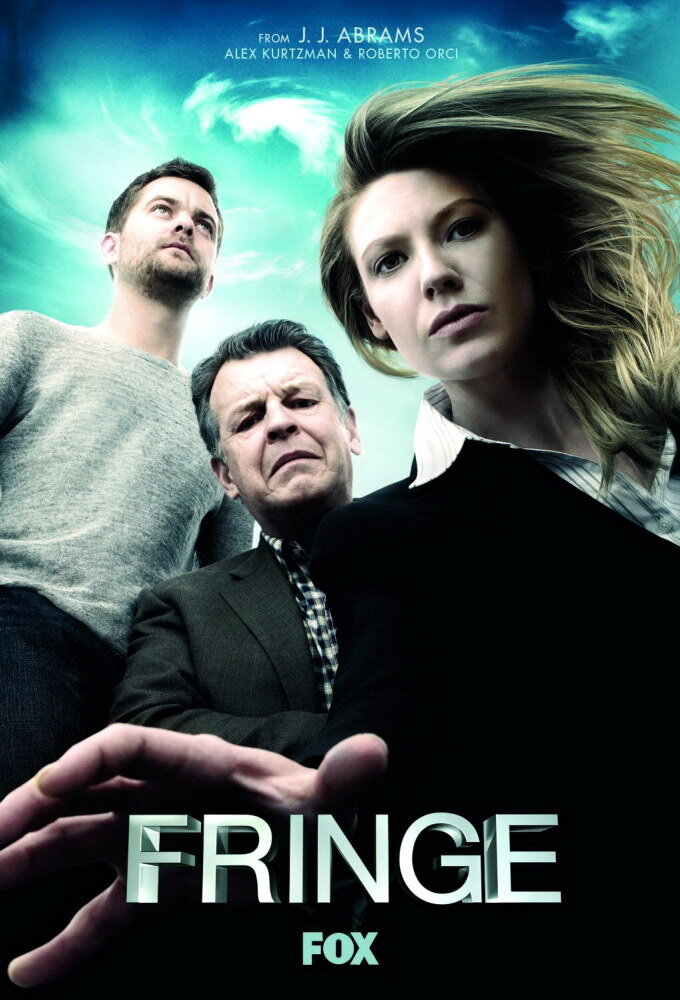
Fringe2008
Both feature a woman forced to carry an unknowable burden by external supernatural forces, balancing investigation of the mundane with confrontation of the mythic. But Fringe commits fully to serialized mythology where Witchblade stays partially procedural.
Federal agent investigating impossible phenomena while building a surrogate family with other damaged people. Serialized mythology that actually pays off, visual effects that still hold up, and a genuine emotional core beneath the science fiction strangeness.
But Five seasons of increasingly complex mythology that demands attention. Some viewers find the alternate-universe plotting exhausting rather than clever.
Mulholland Drive2001
Both are early-2000s works obsessed with duality and transformation—the mundane world and the supernatural one, the person Sara was and the weapon she's become. Where Witchblade stays linear, Mulholland Drive explores the psychological splintering that transformation might actually entail.
A filmmaker's descent into a dreamlike Los Angeles that becomes increasingly surreal and sinister. Sexually charged, visually intoxicating, operating on dream logic rather than narrative logic. The closest cinema comes to expressing how consciousness itself might feel.
But Lynch's structure is deliberately opaque; you will leave confused and that's not a bug. Three hours of accumulating unease, not answers. Requires rewatching to parse.