
Television series
Circle: Two Worlds Connected
A South Korean sci-fi mystery split between 2017 and 2037, where an alien's ultimatum about human emotion forces ordinary people into extraordinary choices. Circle weaves intimate character drama with genuine philosophical stakes, asking whether survival is worth sacrificing what makes us human. It's cerebral but emotionally grounded, for viewers who want their speculative fiction to matter.
Should you watch it?
Watch it if you like sci-fi puzzles where the clues matter more than the spectacle, and you don't mind a premise that asks you to take its odd rules seriously.
Skip it if you want a tight, self-contained thriller, since this stretches one puzzle across many episodes and some stretches can feel padded with explanation.
What it asks of you: Roughly an hour an episode for twelve episodes, so it wants a committed block of evenings and close attention to details you might otherwise let slide.
Not sure? Find tonight's pick in a minute.
If you liked this
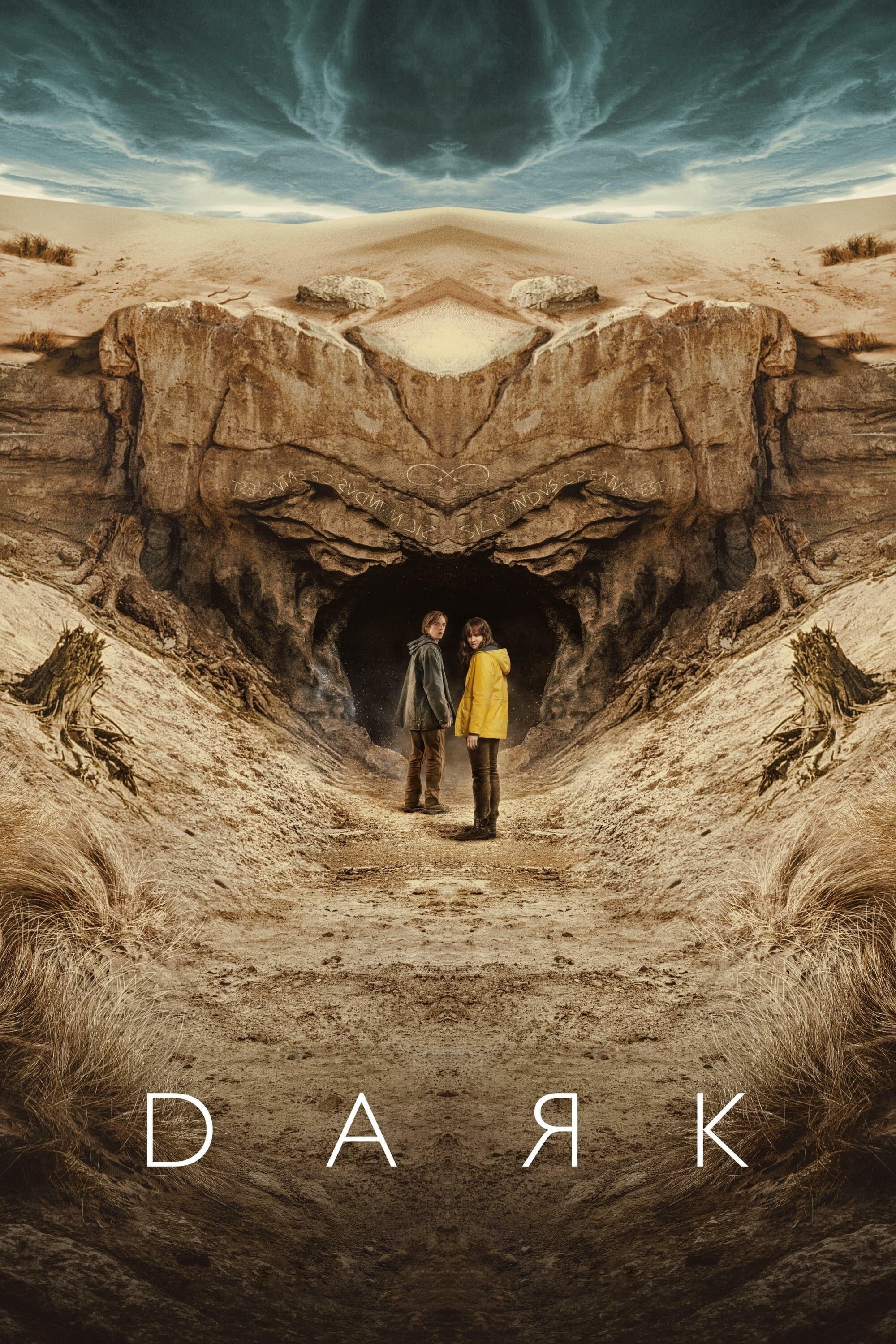
Dark2017
German series that pairs time-jumping mystery with existential dread. Like Circle, it trusts you to track multiple timelines while excavating what people will do to protect their futures. Hypnotic and dense.
But The plotting is intricate to the point of occasionally feeling airless. If you need clearer emotional beats between puzzle pieces, this might frustrate you.
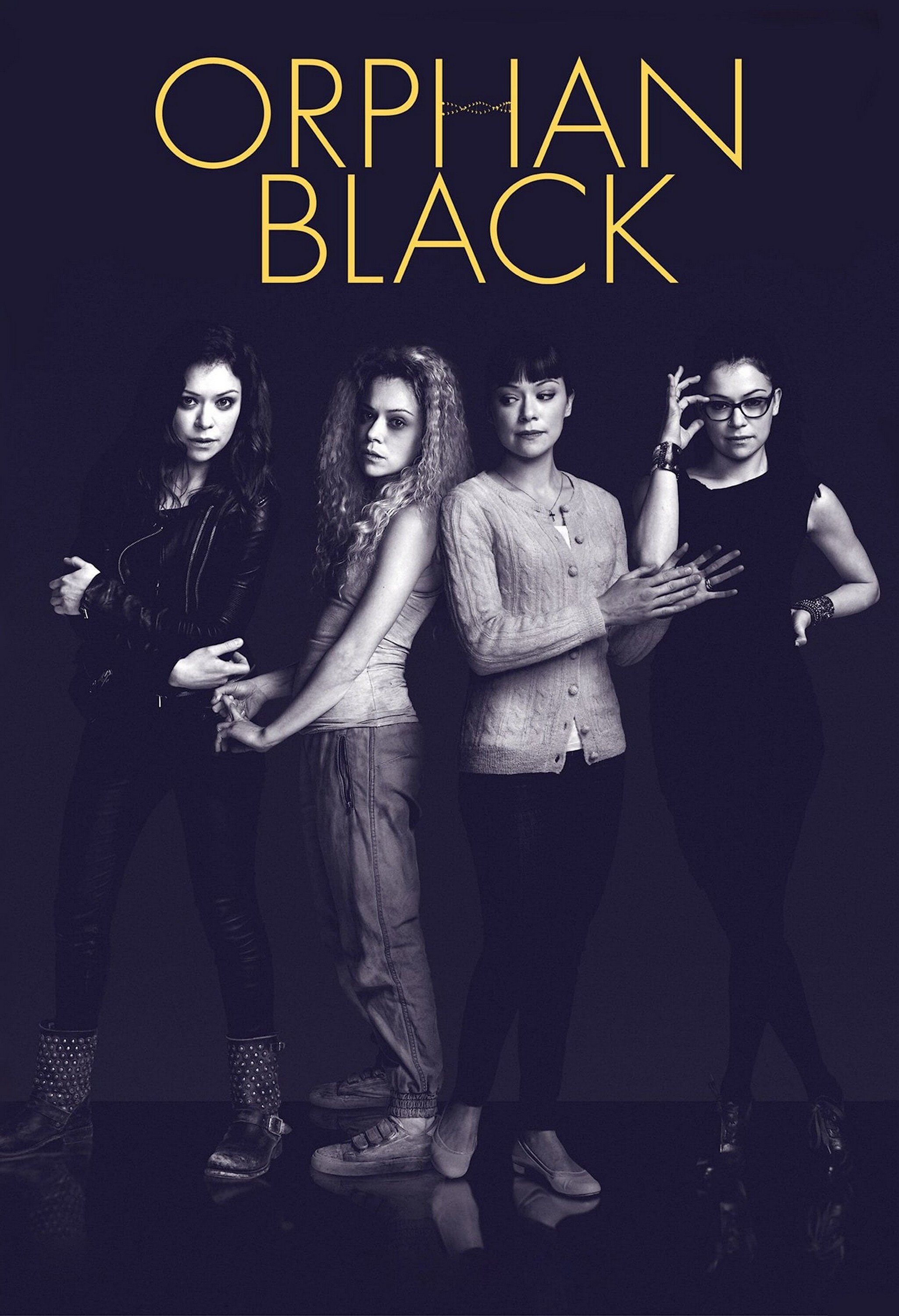
Orphan Black2013
Explores identity and bodily autonomy through sci-fi with the same intensity Circle brings to emotion and humanity. Character-driven, morally complicated, and genuinely surprising in how its mythology evolves.
But Shifts tone across seasons—some people bounce off the soap-opera elements or find the later seasons muddier than the first.
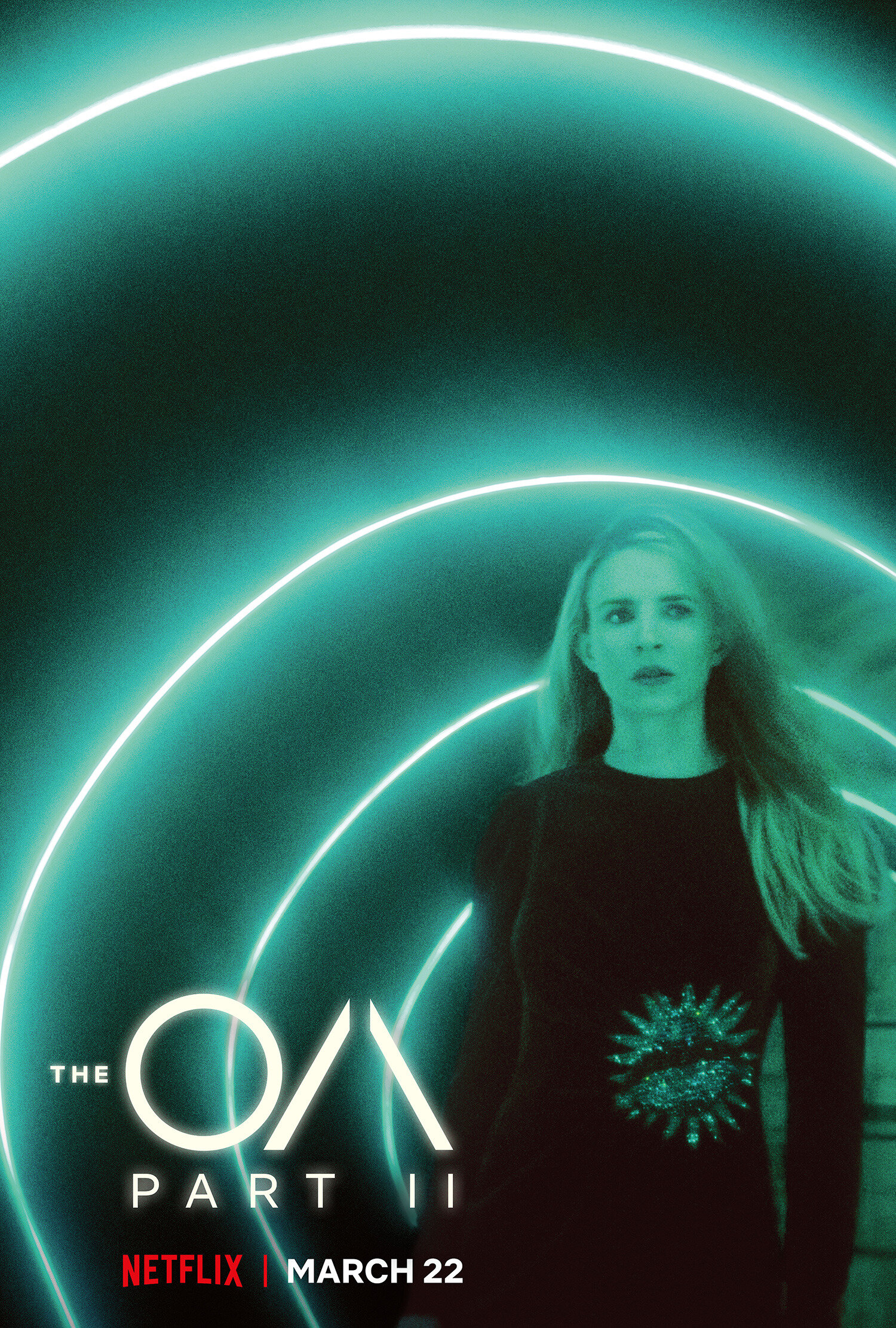
The OA2016
Stranger Things for adults: dimensional mysteries, non-linear storytelling, and a cast of underdogs facing cosmic stakes. Both shows blend intimate human moments with big philosophical questions about consciousness and choice.
But Deliberately obscure and asks a lot of patience. If you want answers handed to you, this will infuriate you. Also cancelled after two seasons.
Not sure tonight? Get a pick in a minute, starting from Circle: Two Worlds Connected
The wildcard
Something you would not have found on your own.
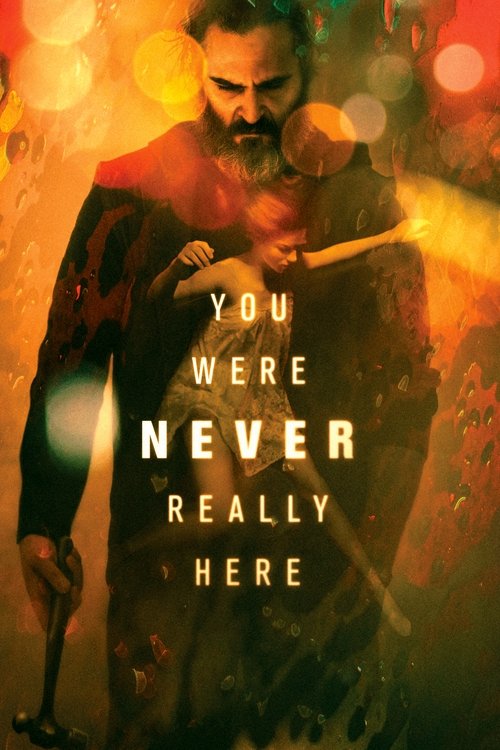
You Were Never Really Here2017
Both examine what it costs to be human in systems (alien, governmental, capitalist) that view humanity as a liability. Both argue for emotion and connection as resistance.
A broken man trying to protect the innocent in a corrupt world—which is Circle's moral question boiled down to its rawest form. Horrifying, tender, and shot like a descent into a human consciousness. Both explore whether compassion can survive in systems designed to destroy it.
But Extremely difficult to watch. Graphic violence, child endangerment, and despair. Not cathartic—it burns rather than cleanses.
More like this (8)
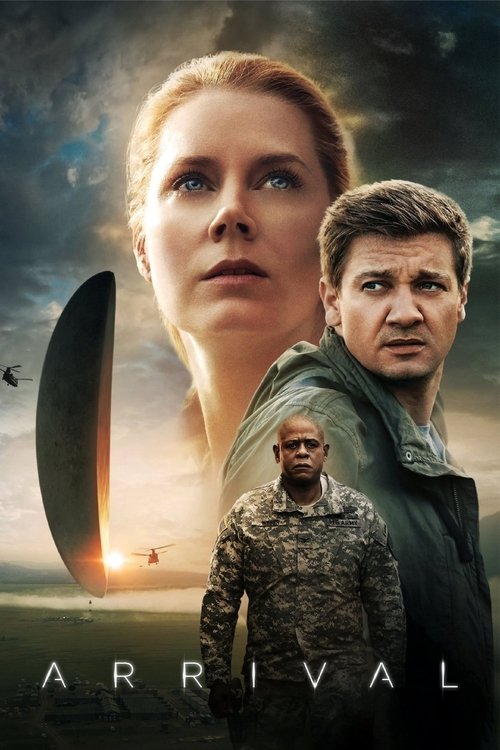
Arrival2016
First-contact sci-fi that's really about communication, time, and what we're willing to lose. Like Circle, it trusts silence and uses language itself as the engine of meaning. Haunting and humane.
But Slower than you expect from a Hollywood film. If you need spectacle or action, you'll find the pacing glacial.
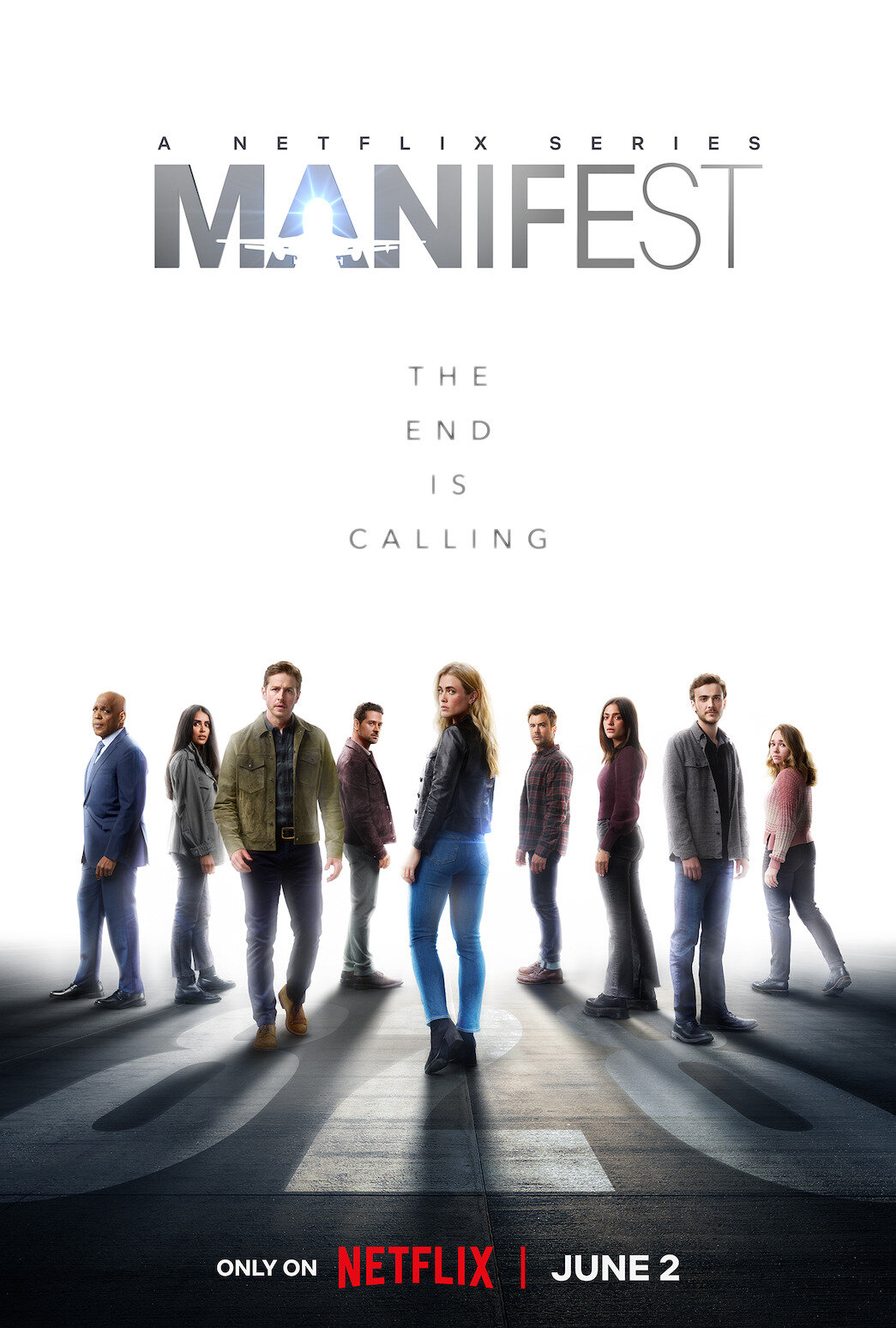
Manifest2018
Mystery box drama about impossible circumstances forcing people to confront who they are. Grabs Circle's DNA—strangeness disrupting everyday lives, hidden agendas, the search for meaning in chaos.
But Leans heavily on serial cliffhangers and sometimes doubles back on its own mythology. If you need tighter plotting, it frays.
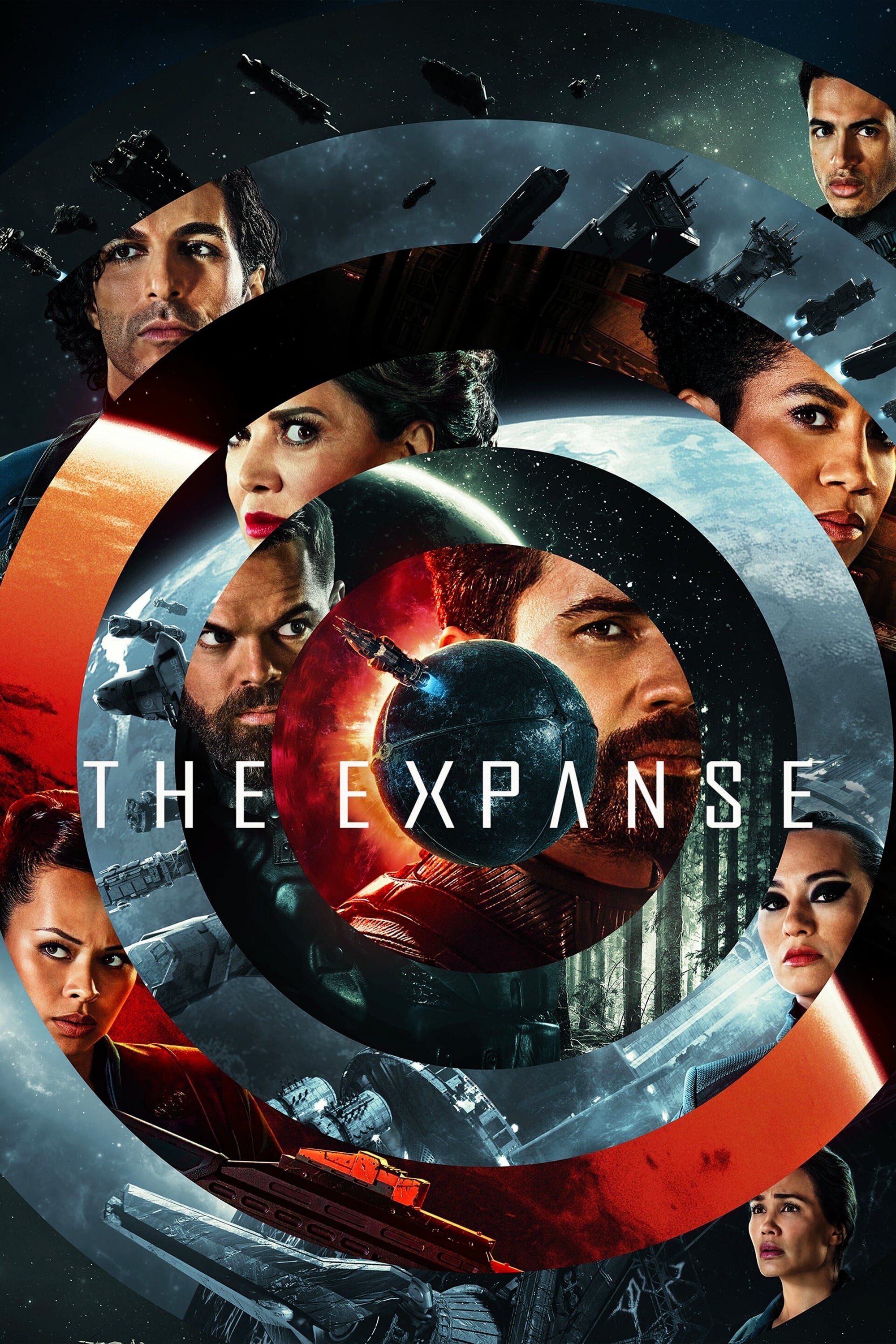
The Expanse2015
Space opera with Circle's seriousness about ethics and survival. Explores what humans owe each other across impossible circumstances. Grounded characters, high stakes, real consequences.
But Takes a few episodes to find its footing. The first season is more sprawling than focused; some viewers bounce off before it clicks.
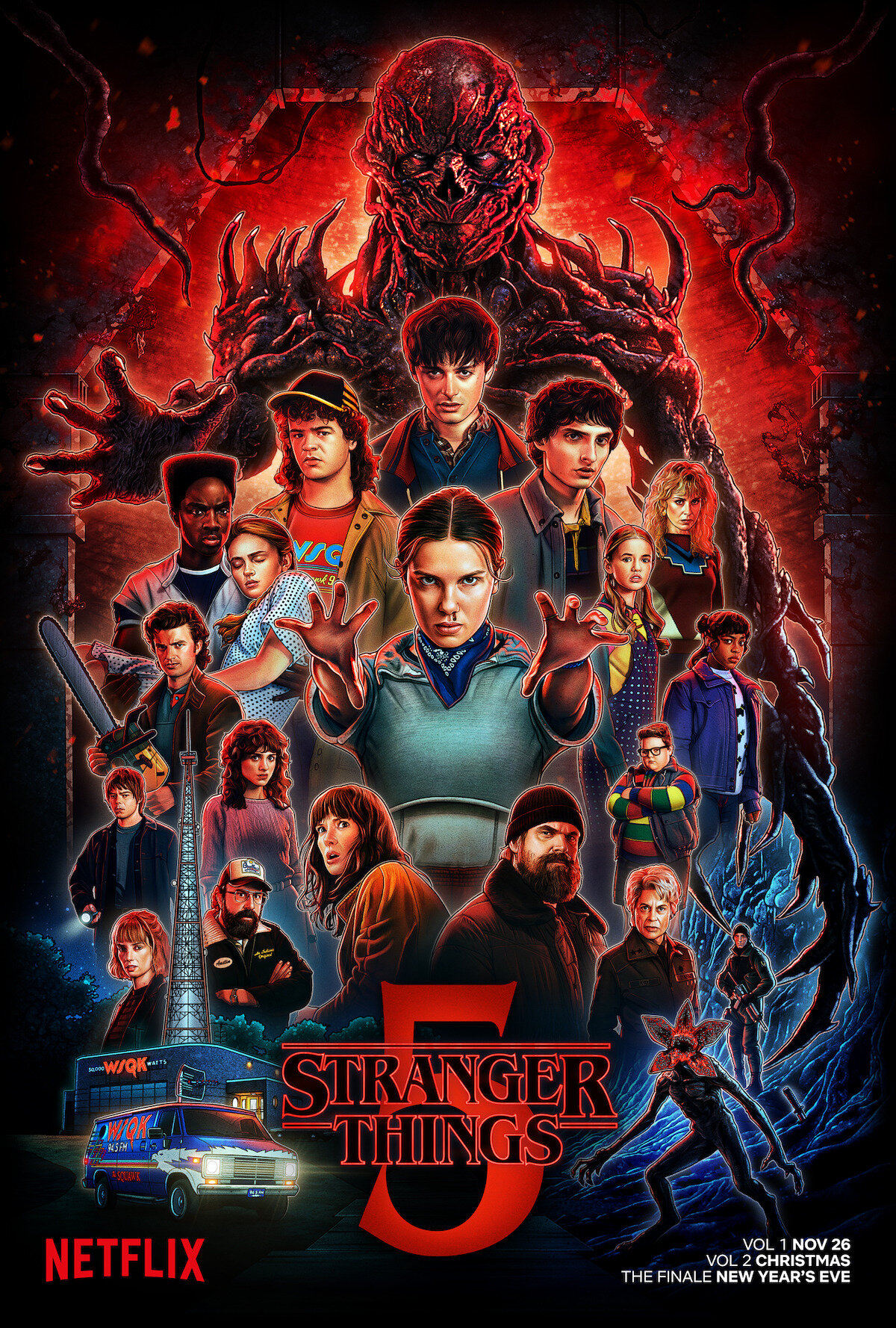
Stranger Things2016
Ensemble cast hunting for truth in a fractured reality. Both shows pair coming-of-age vulnerability with cosmic stakes. Hits emotional beats while the mystery deepens, and your investment in the people is what makes the stakes matter.
But Increasingly relies on nostalgia and spectacle as it goes. Later seasons sometimes prioritise scale over character intimacy.
Fringe2008
Parallel worlds, impossible science, and a cast slowly uncovering a larger truth. Balances procedural mystery with mythology-building in ways that echo Circle's dual timeline approach. Emotionally generous too.
But The early seasons feel more police procedural than sci-fi epic. Takes time before the larger mythology grabs you completely.
Devs2020
Limited series about determinism, free will, and the cost of perfect knowledge. Slow, gorgeous, and philosophically demanding. If Circle made you think about what humans need to survive, Devs asks what survives if we lose choice.
But Deliberately enigmatic and open-ended. Some find it pretentious or unrewarding—it does not tie itself up neatly, and that's intentional.
Stories We Tell2012
Both play games with temporal structure and perspective to ask: whose truth matters? Circle uses sci-fi; this uses documentary form. Same question, completely different method.
A documentary where the filmmaker reconstructs her family's secret history through interviews, old film, and re-enactment. Like Circle's dual timeline, it's about how the same events mean different things depending on who's telling them. About truth, narrative, and what we owe each other when secrets come out.
But The gimmick is withholding the central secret until the end. If you hate feeling manipulated or you prefer straightforward documentary, it will feel like a trick.
The Wailing2016
Both share Circle's DNA as Korean speculative storytelling: epistemologically unsure, philosophically serious, and mistrustful of easy answers. Both ask: what do we do when we don't know the truth?
A Korean mystery-thriller where each witness describes the same events differently, and you can never quite trust anyone. Like Circle, it privileges ambiguity and asks if understanding is even possible. Visually stunning, morally murky, absolutely gripping.
But Nearly three hours, and the ending refuses to resolve into a comfortable answer. If you need closure or clear villains, you'll leave frustrated.

People
Cast






Directing
- Jun Min HoAssistant Director
- Kim Geum NanAssistant Director
- Noh Jung HoonAssistant Director
- Park Hyung WonAssistant Director
- Wi Seung YunAssistant Director
Production
- Park Sung JaeExecutive Producer
- Choi Jin HeeProducer
- Jang Jin WookProducer