
Television series
Harrow
Harrow is a forensic pathology procedural with a conscience and a secret. Ioan Gruffudd plays a brilliant, rule-breaking pathologist who speaks for the dead with stubborn empathy, but carries a dark past that threatens everything. It's procedural satisfaction wrapped around genuine character stakes and moral questions about what we owe the truth.
Should you watch it?
Watch it if you enjoy forensic cases with a sardonic, rule-bending lead, and you're happy to root for someone whose conscience is hard to pin down.
Skip it if you want standalone episodes, since the show keeps circling a longer serial story and the cases lean bizarre and grim.
What it asks of you: Episodes run close to an hour across thirty entries in three seasons, a long haul with a dark, talky tone that rewards steady attention.
Not sure? Find tonight's pick in a minute.
If you liked this
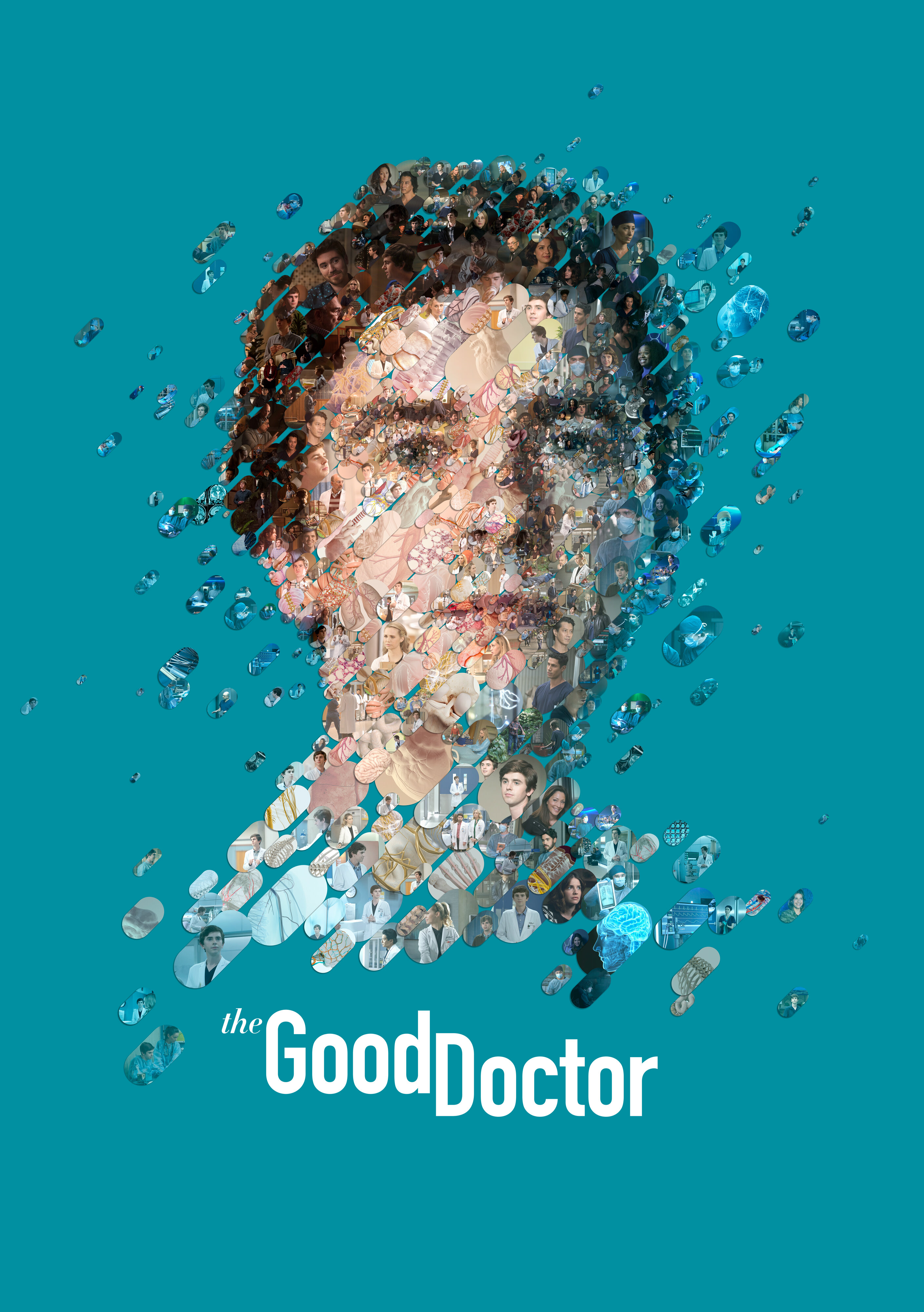
The Good Doctor2017
A protagonist whose genius comes bundled with emotional depth and isolation. Procedural cases provide structure while character arcs dig into belonging, ethics, and the cost of being different. Consistently rewarding.
But Medical procedurals can feel repetitive if you're not invested in the ensemble cast, and some viewers find the emotional beats manipulative rather than earned.
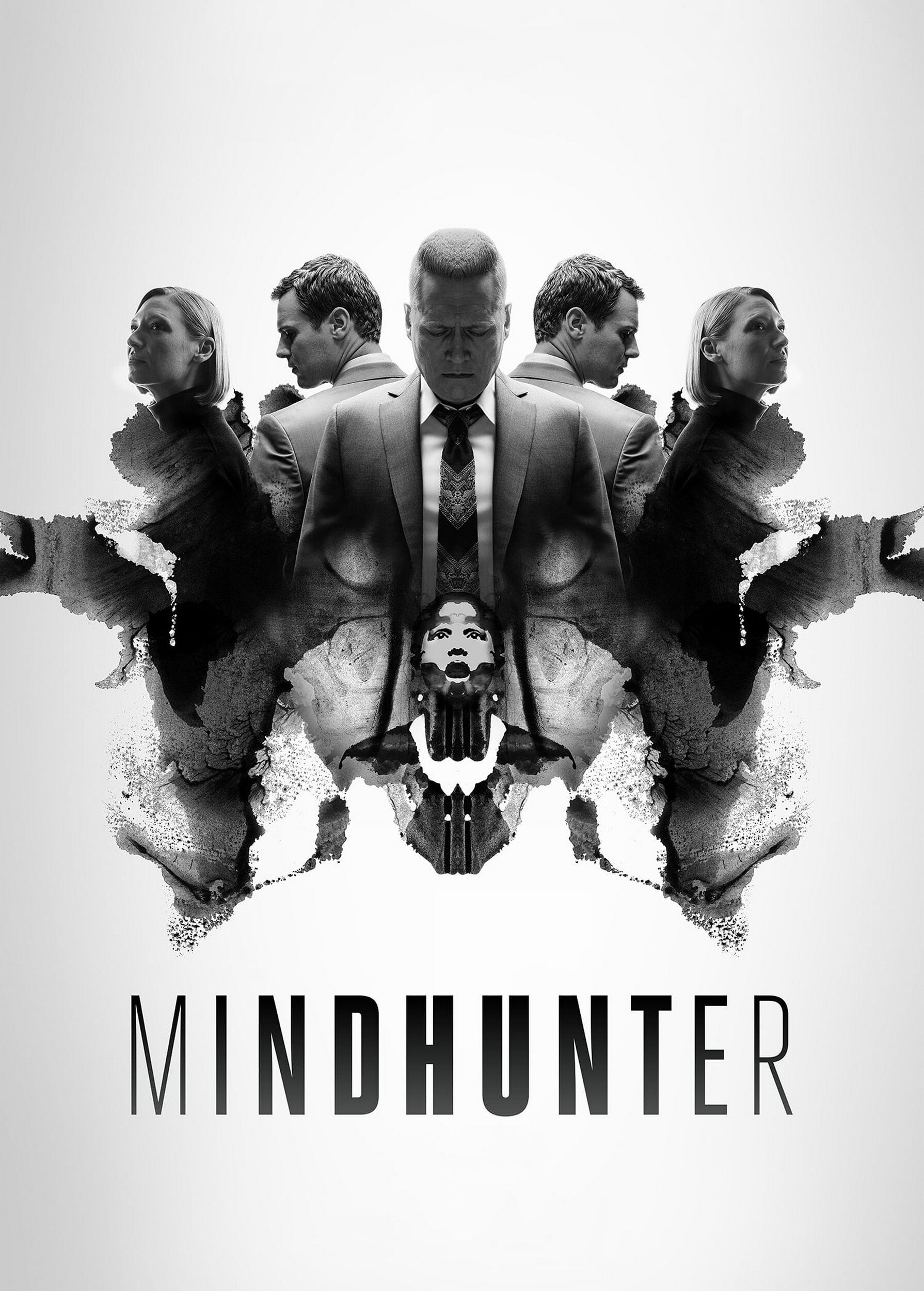
MINDHUNTER2017
Two men bent on doing things their way within rigid systems, using insight into psychology to solve brutal crimes. Obsessive, intelligent, and propelled by a darker question about what costs are acceptable in pursuit of truth.
But It's slow-burn character work, not thriller pacing. The procedural elements serve character; if you want plot momentum, you'll find stretches frustrating.
Bosch2015
A detective who won't let the system stop him from solving cases. Grounded procedural work, genuine stakes, a protagonist who bends rules for the right reasons. Each season builds on what came before without feeling repetitive.
But The Los Angeles setting and cop procedural format mean it hits familiar beats. The mood can be relentlessly grim if you need lighter tones to balance things out.

Not sure tonight? Get a pick in a minute, starting from Harrow
The wildcard
Something you would not have found on your own.
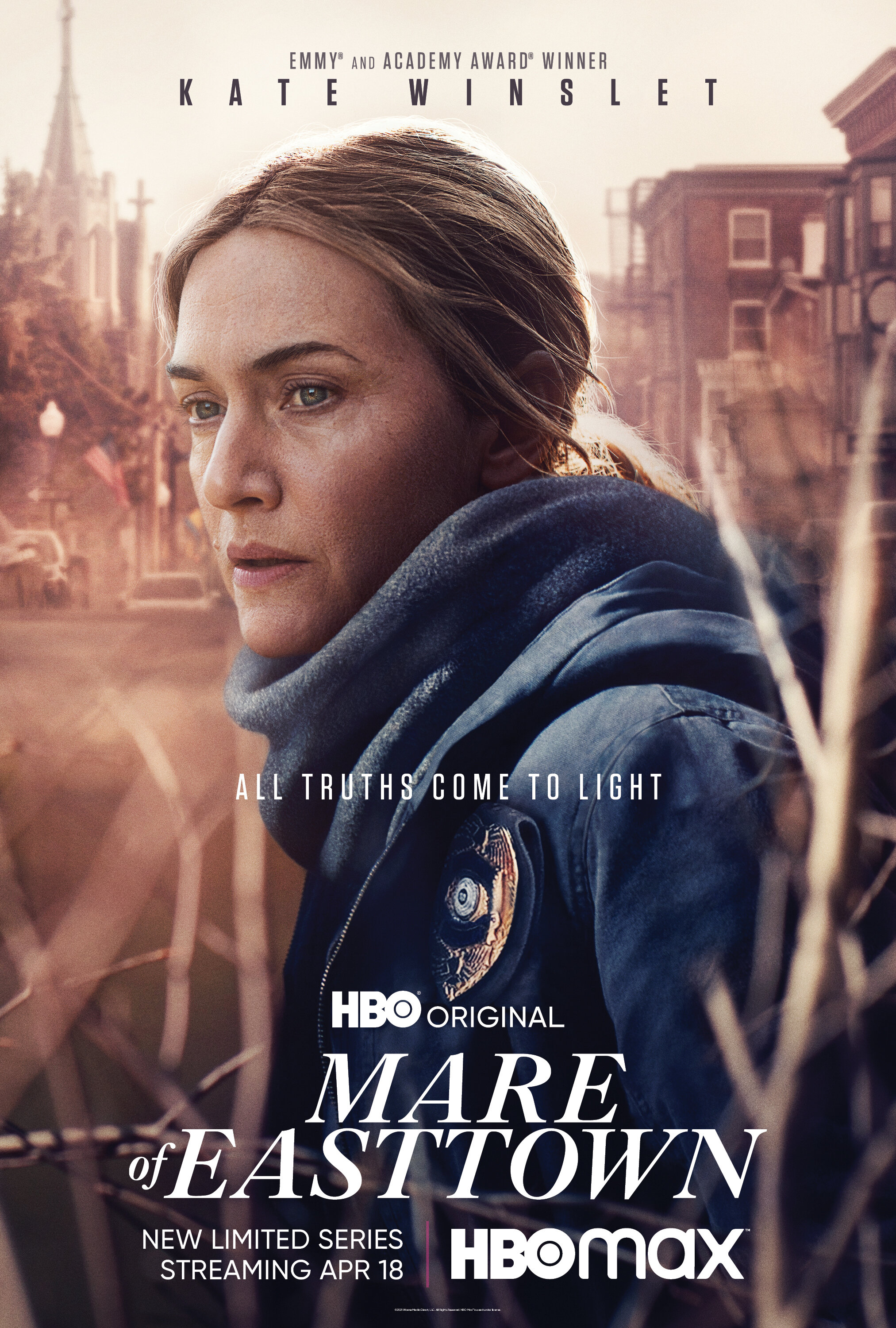
Mare of Easttown2021
Like Harrow, it refuses the comfort of procedural closure. Both ask whether finding the truth helps if the system can't or won't act on it. Both center a protagonist whose professional obsession is bound to personal guilt.
Not forensics but a woman detective in a small town where one case cracks open decades of buried secrets. Kate Winslet gives a masterclass in damage and persistence. It's a limited series so there's no bloat—just perfect focus and devastation.
But It's relentlessly bleak and deeply concerned with class and rural poverty. The emotional weight is immense. This is not a comfort watch or a puzzle to solve; it's a reckoning.
More like this (7)
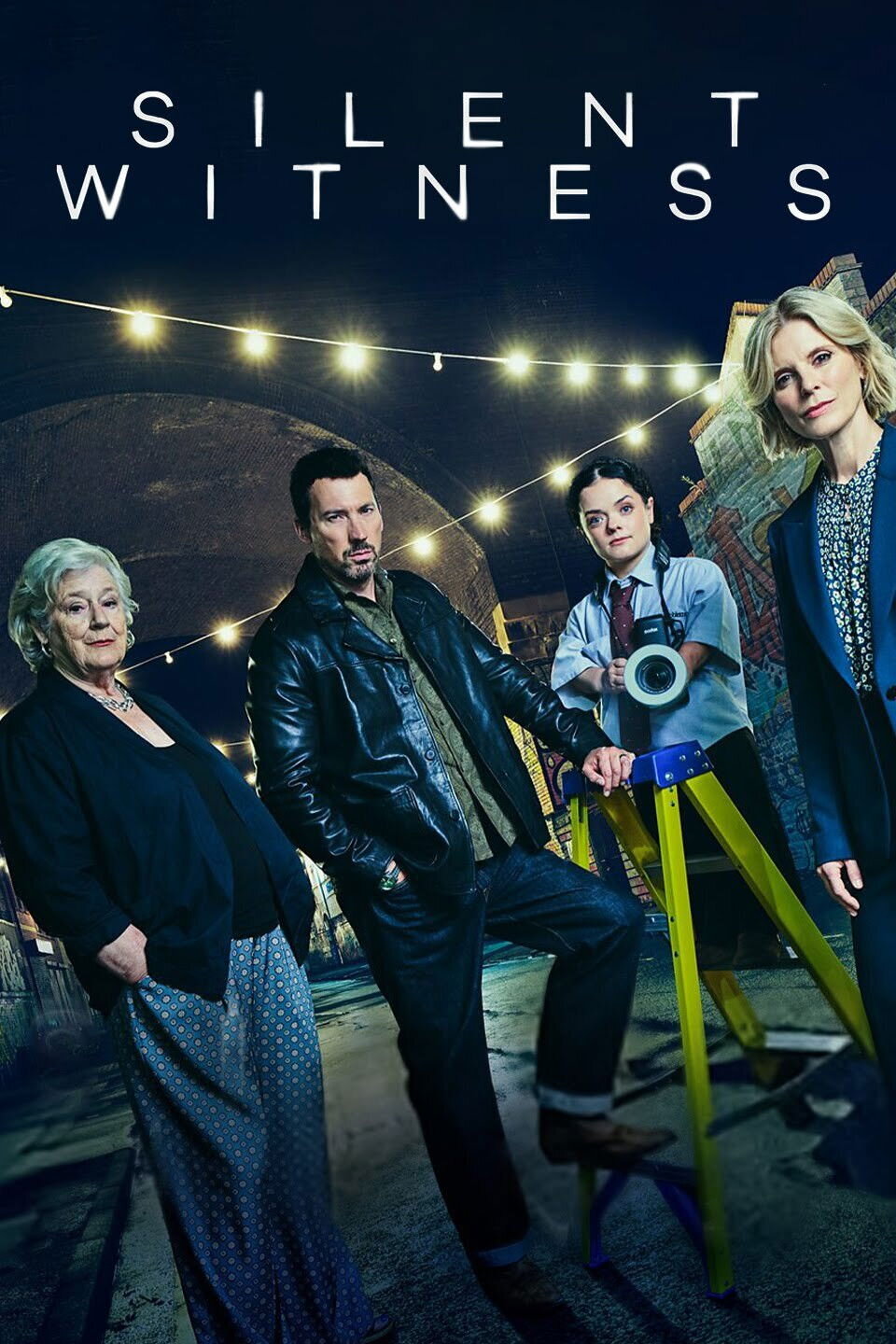
Silent Witness1996
Pathologists as protagonists—forensic science unlocking human stories. British procedural intelligence without the quirk; each case is a puzzle that demands respect for the dead. The show has been running for decades because it works.
But Less character-driven than Harrow; if you're here for the investigator's internal conflicts, this prioritizes the case and the science over the person.
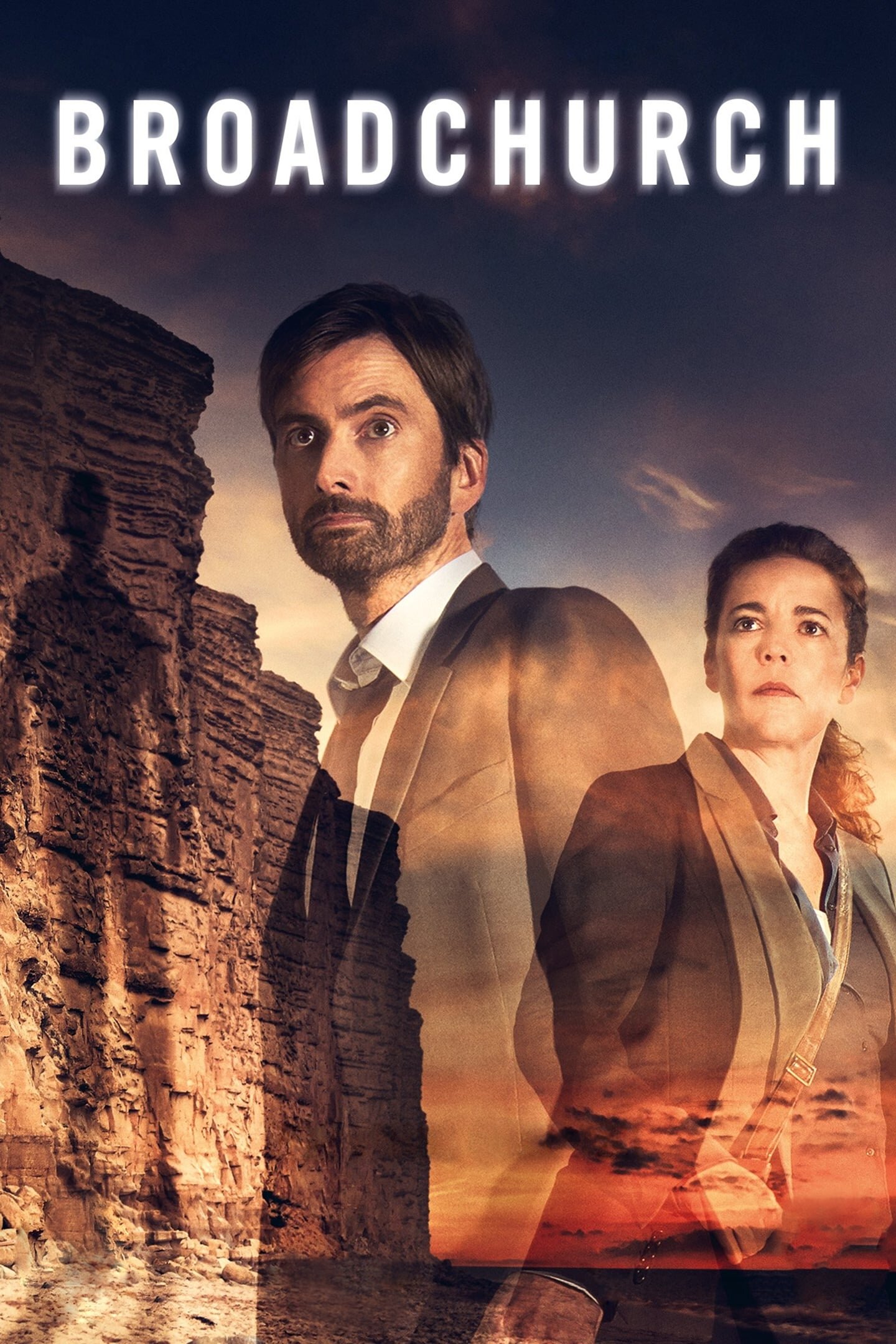
Broadchurch2013
A detective haunted by his own moral compromises, investigating a crime that tears apart a community. Crime procedural that refuses easy answers. Every choice matters and echoes. Intensely focused for its short run.
But Darker and more claustrophobic than Harrow. The tone is oppressive by design, and if you need escapism, this won't provide it.
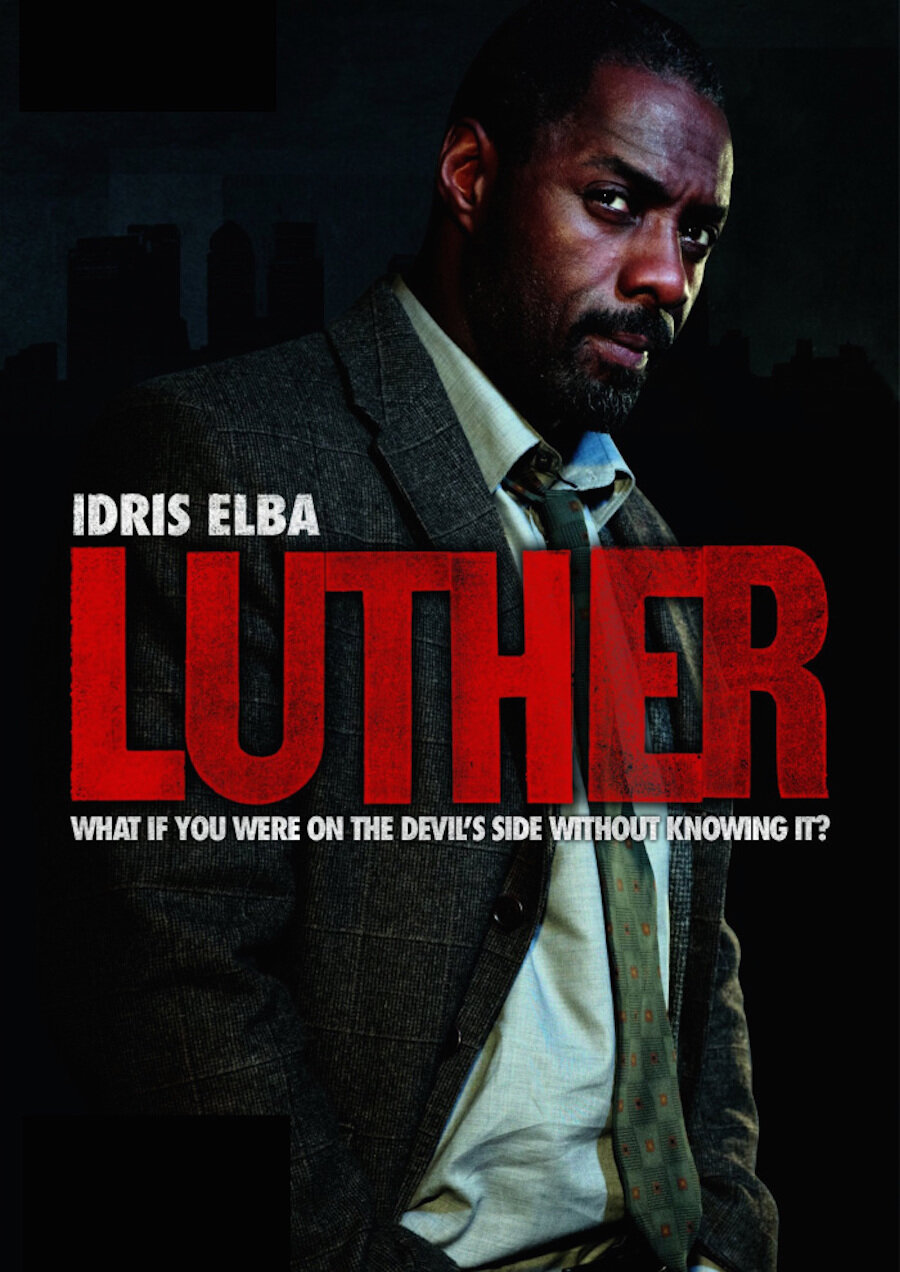
Luther2010
A detective whose obsession with solving crimes and his personal demons feed each other. Stylish, intense, with a lead who embodies the idea that brilliance and damage are often inseparable.
But The style can feel overwrought, and some plot twists rely on contrivance. The darkness is so consistent it occasionally tips into melodrama.
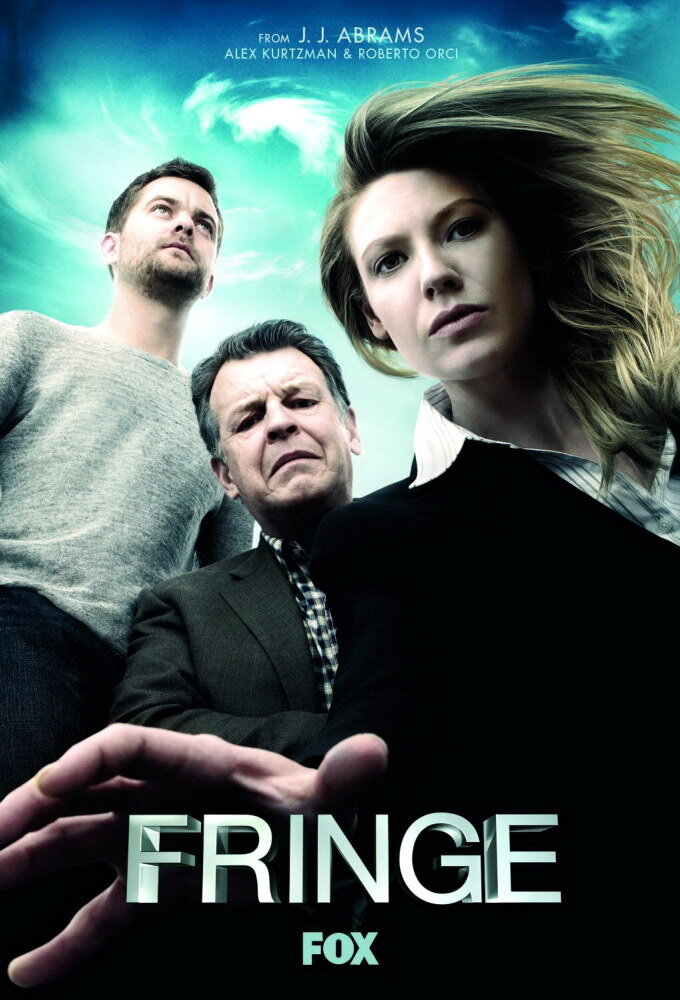
Fringe2008
A team investigating impossible crimes using lateral thinking and science. If you like the odd-case-of-the-week structure but want something that builds toward larger mythology and genuine emotional stakes as you go.
But Early seasons feel more procedural than arc-driven. Some effects and plots from the late 2000s have dated noticeably. It takes time to find its rhythm.
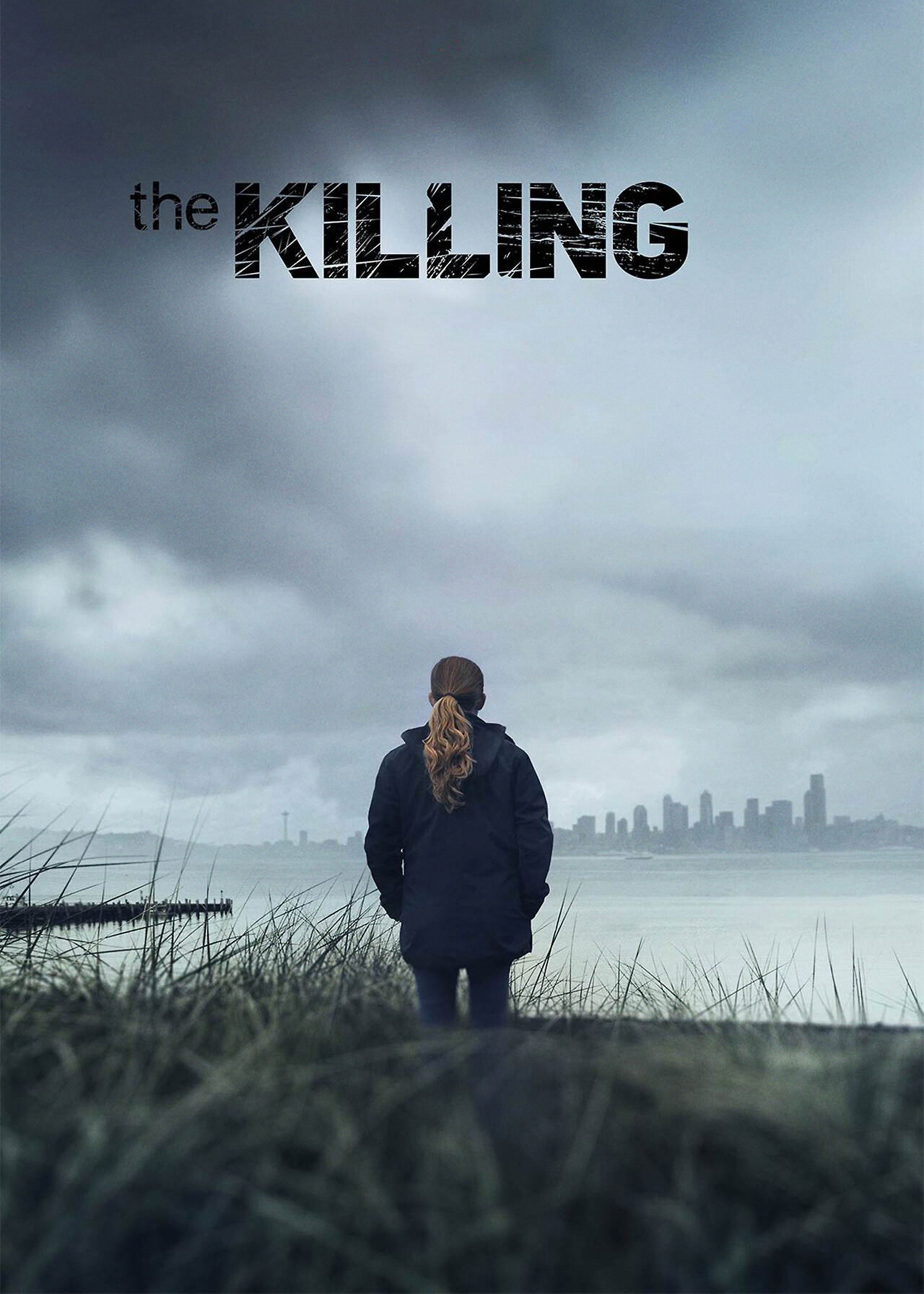
The Killing2011
A detective chasing one case through moral and personal cost. Methodical, grim, focused on what obsession does to the people pursuing justice. The procedural work is meticulous and the character damage feels real.
But The pacing is deliberately slow and the mood is bleak without relief. If you need procedural momentum or tonal variety, the relentlessness exhausts rather than compels.
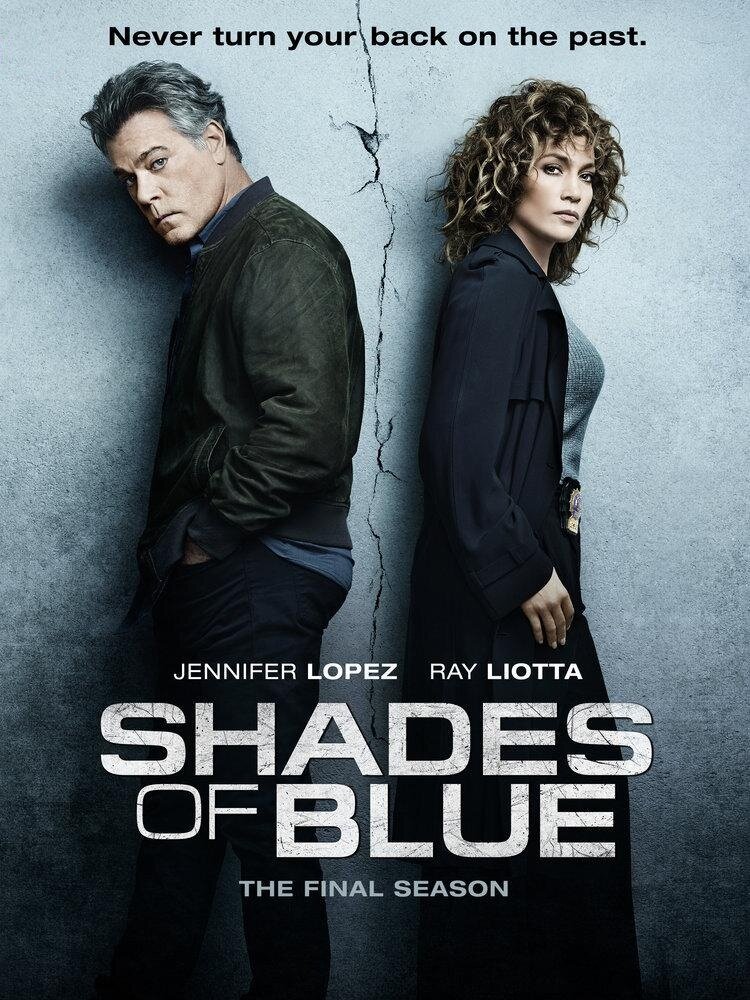
Shades of Blue2016
A cop navigating institutional corruption, trying to do right within a system designed to prevent it. Tense moral questions and ensemble chemistry. Jennifer Lopez anchors it with genuine vulnerability beneath the authority.
But Network TV constraints show; some plot beats feel obligatory rather than organic. The tone shifts between procedural and soap opera without always landing cleanly.
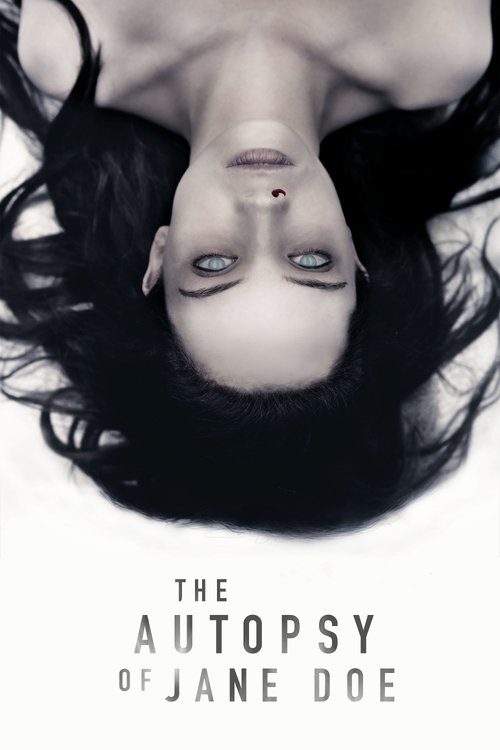
The Autopsy of Jane Doe2016
Harrow romanticizes the pathologist as advocate for the dead. This documentary shows what that advocacy actually looks like when the storytelling stops.
Documentary about modern forensic pathology. If you're watching Harrow for the science and the idea that bodies tell stories, this is the unvarnished reality. Respectful, precise, occasionally shocking. It grounds the procedural fantasy in what the work actually demands.
But It's not dramatized—there's real death, real bodies, real footage. If you prefer mystery as entertainment rather than education, or if you're squeamish, this crosses that line cleanly.
People
Cast










Writing
- Leigh McGrathCreator
- Stephen M. IrwinCreator