
Television series
Counterpart
Counterpart is a spy thriller wearing a science-fiction coat: a dumpy Berlin file clerk discovers his agency guards a doorway to a second, parallel world — and to a second version of himself. J.K. Simmons plays both men, and the show cares less about the crossing than about what a person owes the life he didn't live. Cold, patient, superbly acted.
If you liked this
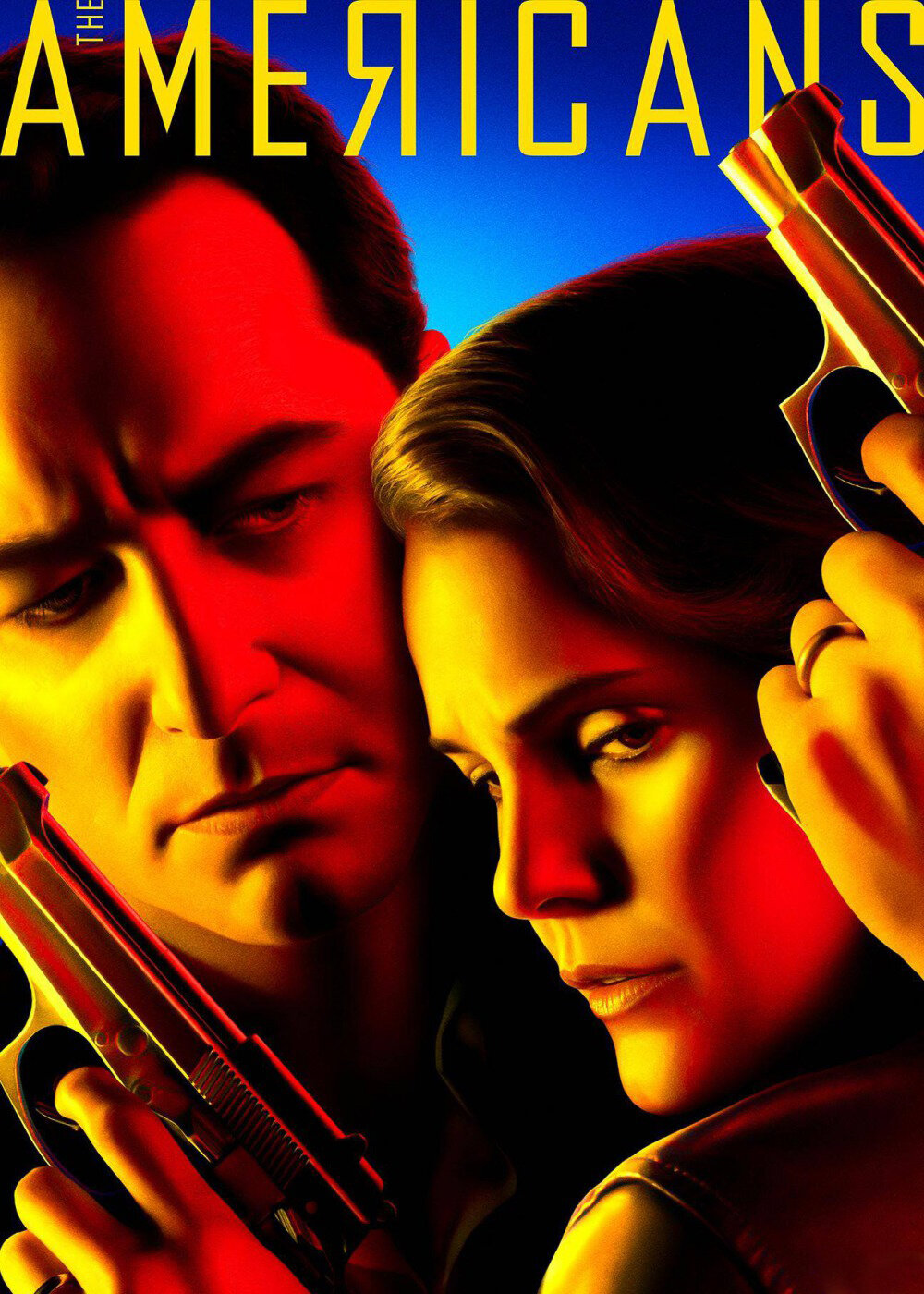
The Americans2013
Same Cold War chill, same married-couple spies whose home life is the real minefield. If you loved Counterpart's tradecraft and slow-burn dread, this is the gold standard the genre built itself on.
But No sci-fi crossing here — it's pure historical espionage, and the tension builds over six long seasons rather than a tight two.
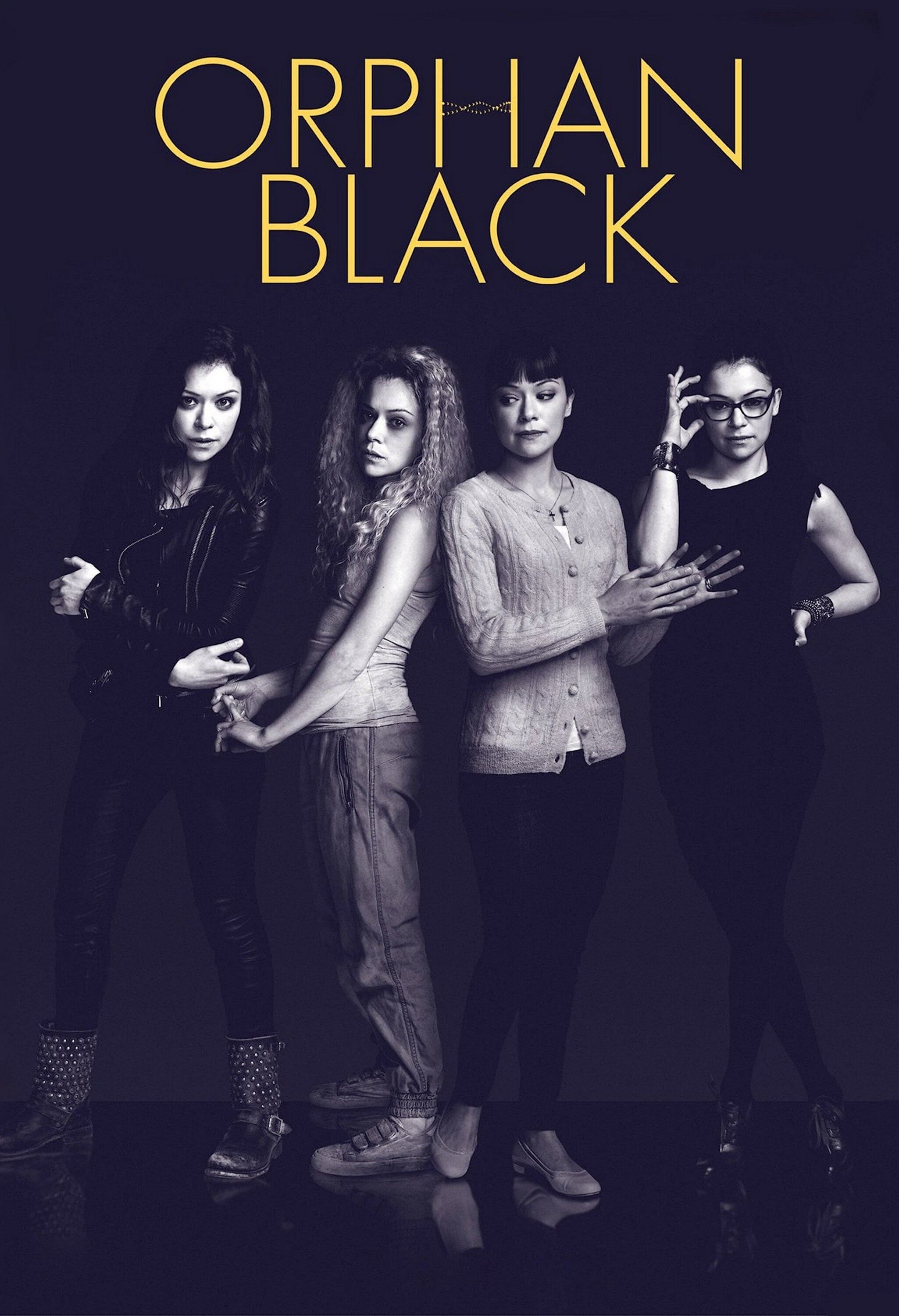
Orphan Black2013
Tatiana Maslany plays a dozen versions of one woman the way Simmons plays two versions of Howard — a masterclass in making 'genetically identical' feel like entirely different people.
But Leans harder into conspiracy-thriller plotting and body-horror sci-fi than Counterpart's bureaucratic melancholy; the tone is punchier, less mournful.
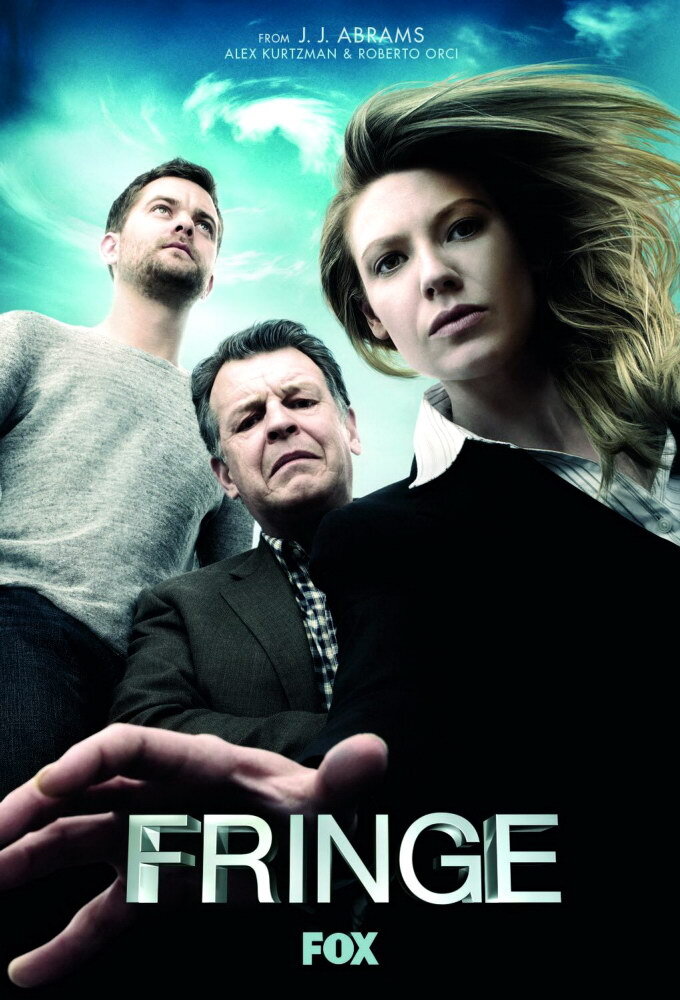
Fringe2008
The other-world-next-door premise done as network sci-fi: a parallel Earth, alternate versions of people you know, and the same ache of 'what if I'd made different choices.'
But Starts as a fairly generic case-of-the-week procedural before the parallel-universe stuff takes over — the first season asks for patience.
The wildcard
Something you would not have found on your own.
The Prisoner1967
Both shows use a controlled, bureaucratic other-place to ask what's left of a person once the system decides who they are — The Prisoner just did it fifty years earlier, in a cardigan instead of a trench coat.
Patrick McGoohan trapped in a surreal village where identity is currency and escape is impossible — the paranoid, allegorical grandfather of every 'system controls the self' story Counterpart belongs to.
But Sixties British TV pacing and theatrical strangeness; it's more parable than plot, and the finale famously refuses to explain itself.
More like this (8)
Homecoming2018no page yet
A quieter, stranger paranoia thriller about memory and institutions hiding the truth from the people inside them, told in tight 30-minute episodes that trust silence as much as dialogue.
But No doubles, no parallel world — the intrigue is smaller-scale and more domestic, closer to a chamber piece than a spy epic.
The Man in the High Castle2015
Another world sitting just behind a door in ours, another life you might have had under different rules — this time built from an alternate 20th century instead of a hidden Berlin.
But The alt-history premise is grimmer and more overtly political than Counterpart's espionage puzzle box, and the pacing sags in the middle seasons.

Berlin Station2016no page yet
Same divided-Berlin bureaucracy of secrets, same grey coats and grey ethics, minus the parallel universe — just CIA officers doing damage control in a city built for double lives.
But Straightforward spy drama with none of Counterpart's metaphysical weight; it's a solid genre piece, not a strange one.
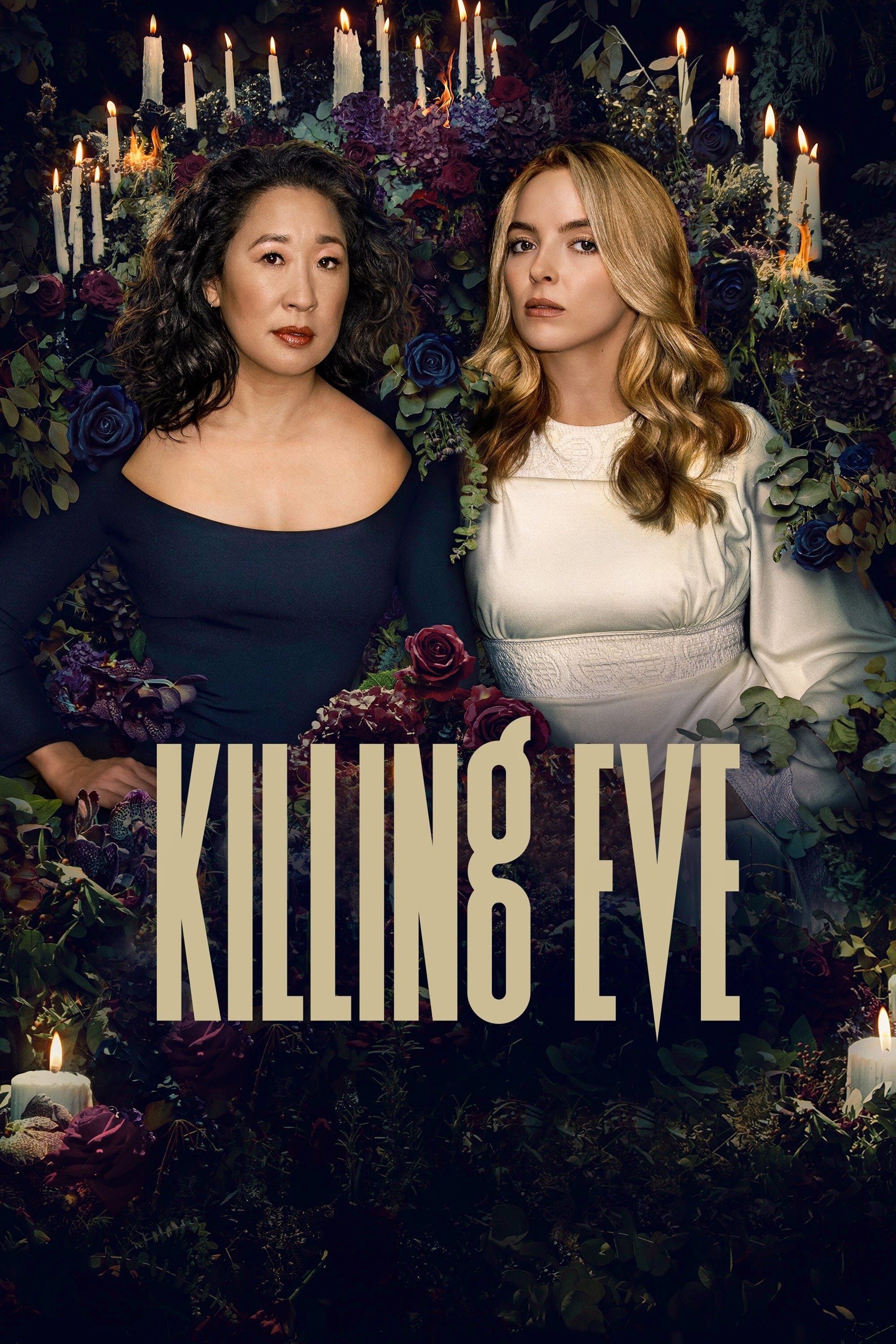
Killing Eve2018
Swaps the doppelganger conceit for a different kind of doubling — two women who become each other's obsession — with the same interest in how identity bends under pressure and desire.
But Much funnier, glossier and more stylised; if you came to Counterpart for the drab bureaucratic realism, this will feel like a different genre.
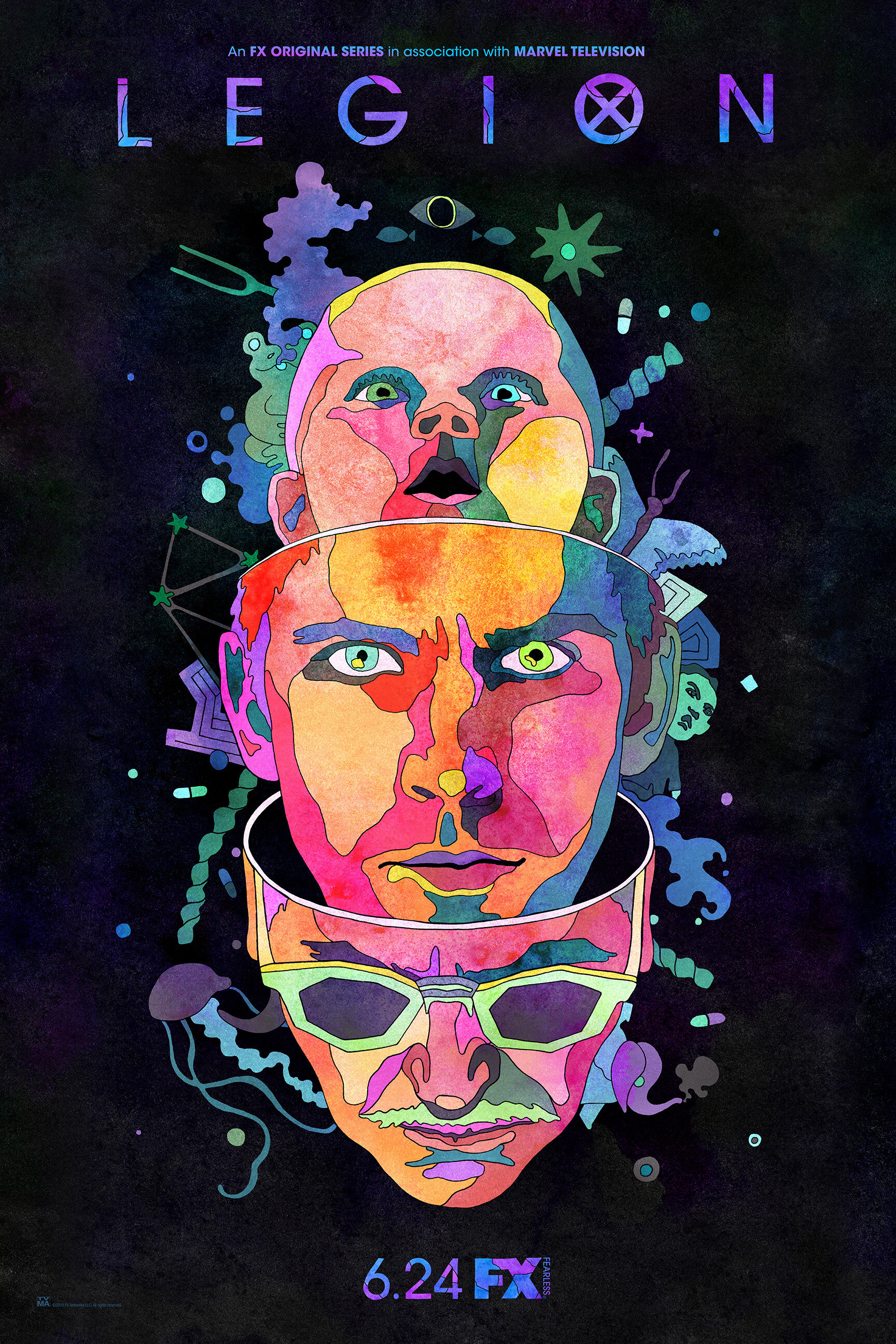
Legion2017
Identity fractured into multiple selves rendered as genuine psychedelic spectacle — the visual and structural cousin of Counterpart's 'which version of me is real' question, turned up to eleven.
But Far more surreal and visually experimental; the plot logic is loose by design, which will frustrate anyone who liked Counterpart's precision.
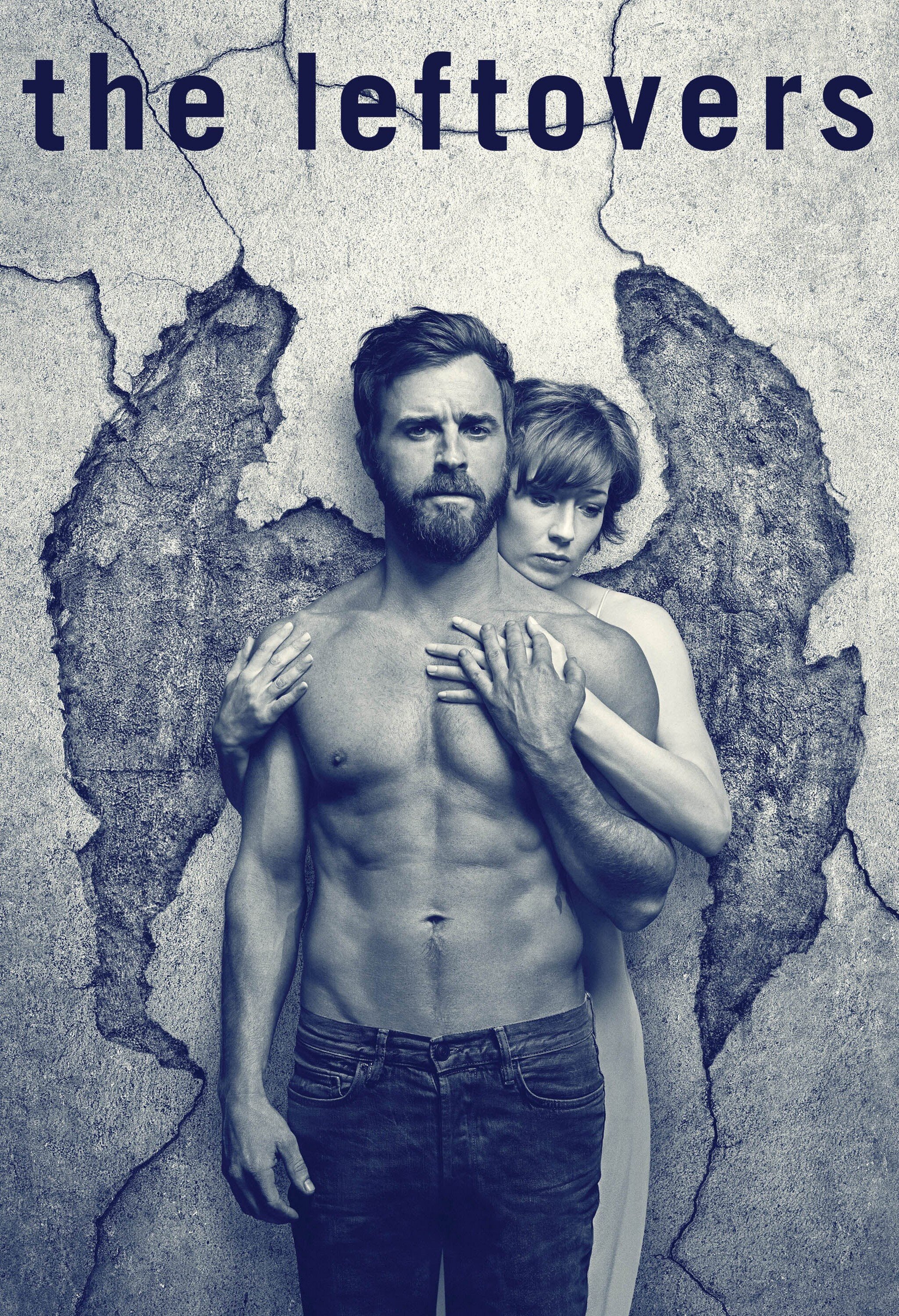
The Leftovers2014
Same grief-soaked, philosophically serious mood — people living beside a hole in reality they can't explain, quietly undone by the life they lost or the one they didn't get to have.
But No spies, no plot mechanics to grip onto — this is slower and more openly emotional, closer to literary fiction than thriller.
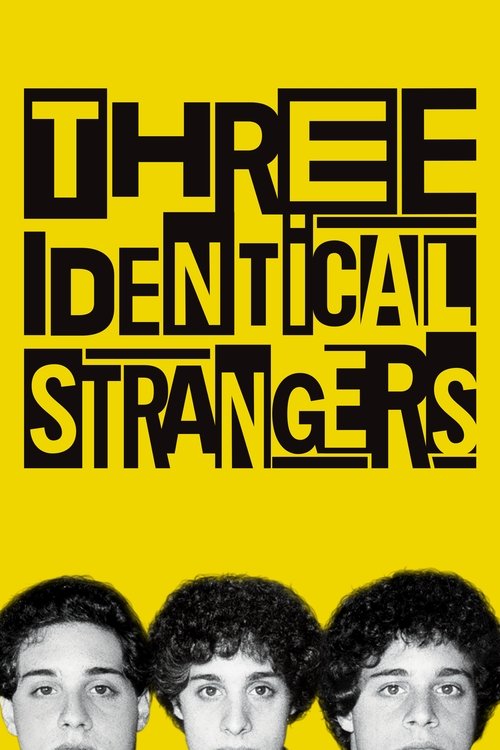
Three Identical Strangers2018
Counterpart invents a parallel world to ask what a different upbringing does to identical people; this film found that experiment already run, for real, on human beings who didn't consent to it.
A true story about triplets separated at birth and reunited as adults, and it turns into the most gutting real-world version of Counterpart's question: how much of you is the life, and how much is just you?
But It's a documentary, not a thriller — no tradecraft, no danger, just the slow accumulation of a genuinely devastating true story.
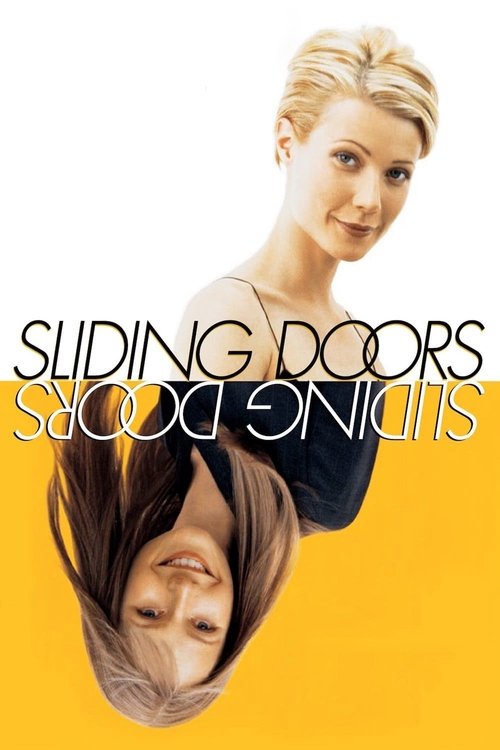
Sliding Doors1998
Both are built on the same structural trick — two timelines of one person, run side by side — but where Counterpart makes it a Cold War tragedy, this makes it a rom-com, and seeing the mechanism stripped down is oddly clarifying.
A woman's life splits in two the instant she misses a train, and the film cuts between both versions of her — the same forked-life premise as Counterpart, shrunk to one ordinary woman and one romantic comedy.
But It's breezy, funny and ninety minutes long — none of the espionage, dread or moral weight, just the bare bones of the idea played for warmth.
People
Cast





Writing
- Justin MarksCreator
- Maria MelnikExecutive Story Editor
- Gianna SobolStory Editor
Production
- April BarrettAssociate Producer
- Caillin PuenteAssociate Producer
- Ross MathyAssociate Producer
- Edward L. McDonnellCo-Executive Producer
- Erin LevyCo-Executive Producer
- Joe HippsCo-Executive Producer
- Todd SharpCo-Executive Producer
- Gianna SobolCo-Producer
- Justin Britt-GibsonCo-Producer
- Philipp A. BarnettCo-Producer
- Todd BrownCo-Producer
- Amy BergExecutive Producer
- Bard DorrosExecutive Producer
- Gary GilbertExecutive Producer
- Jordan HorowitzExecutive Producer
- Justin MarksExecutive Producer
- Keith RedmonExecutive Producer
- Morten TyldumExecutive Producer
- Jonathan BrytusProducer
- Justin Britt-GibsonProducer
- Philipp A. BarnettProducer
- Todd BrownProducer
- Tom PabstProducer
- Zak SchwartzSupervising Producer
Recommended by
Devs, Fringe, Dark, Orphan Black, The OA, Silo, Dark Matter, The Man in the High Castle