
Film
After Yang
- Family drama
- Slow-burning
A widowed father scrambles to fix his daughter's android companion and discovers his own disconnection from his family in the process. Kogonada's film is quietly devastating—intimate, unhurried, gorgeously composed. For anyone who's felt the ache of proximity without connection, and for those who believe science fiction can be subtle.
Should you watch it?
Watch it if you love quiet science fiction that uses a robot as a way into questions about memory, family and what a life is made of, and you're happy with stillness, long pauses and images that linger.
Skip it if you want plot momentum or a clear sense of where things are going; this moves slowly, sits in ordinary rooms and lets scenes breathe well past the point where you might expect them to end.
What it asks of you: Ninety-six minutes of patience, with dialogue spare and scenes held a beat longer than usual, so you'll need to settle in and let small gestures do the work.
Not sure? Find tonight's pick in a minute.
If you liked this
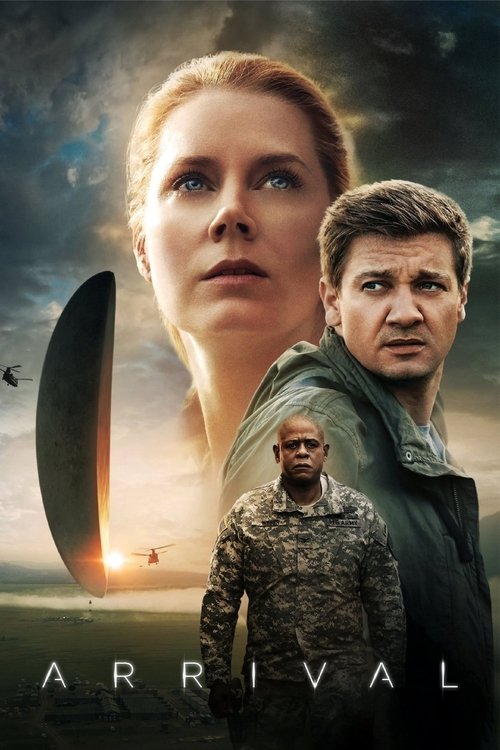
Arrival2016
Denis Villeneuve's first contact story uses sci-fi as a vessel for grief and acceptance. Like After Yang, it trades spectacle for emotional architecture, asking what it means to truly understand another being.
But It moves slowly and demands your full attention. Some find the protagonist's arc too neat; others, the film's ending sentimentality unearned.
A Ghost Story2017
David Lowery's meditation on time, loss, and what remains after we're gone. Both films use genre trappings as a way to explore how we hold onto people and what slips away. Beautifully made; genuinely strange.
But It's deliberately, almost stubbornly slow. The ending offers no comfort, only acceptance. Not for viewers seeking plot momentum.

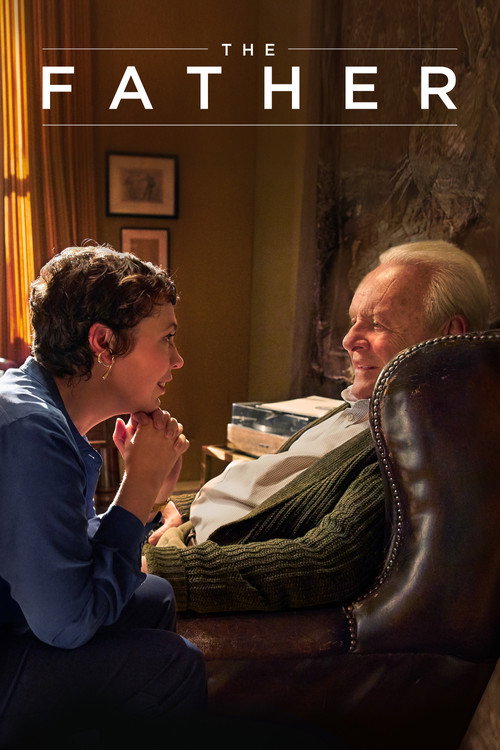
The Father2020
Florian Zeller's portrait of cognitive decline captures what After Yang does so well: the crushing distance between what we feel and what we can express. Anthony Hopkins gives a performance of raw vulnerability.
But It's suffocating and difficult. The formal experimentation—disorienting sound design, reality shifts—can feel gimmicky if you're not with it from the start.
Not sure tonight? Get a pick in a minute, starting from After Yang
The wildcard
Something you would not have found on your own.
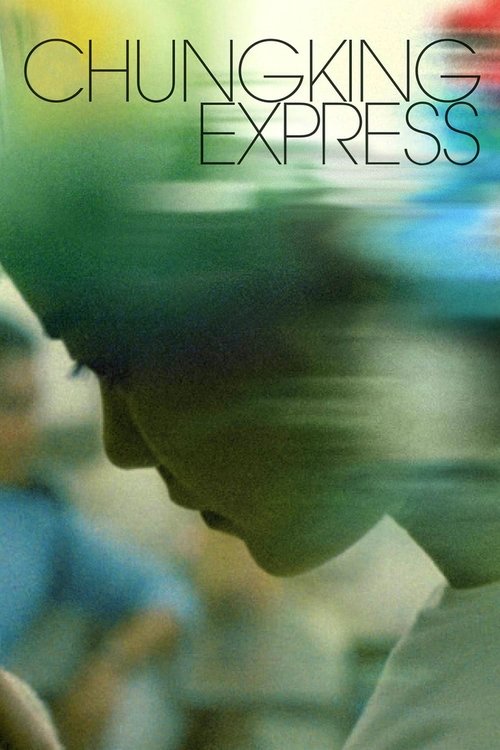
Chungking Express1994
Both explore the distance between people who live in the same space, using style and visual language to express what characters cannot say to each other.
Wong Kar-wai's neon-soaked Hong Kong romance is wildly different in mood—playful, kinetic, ravishingly colorful—but shares After Yang's obsession with missed connections and the people we orbit without touching. Both films see profound loneliness in proximity.
But It's self-consciously stylish and deliberately fragmented. The plot barely exists. If you want narrative clarity or emotional directness, the indulgence will feel unbearable.
More like this (7)
Parable of the Sower
This Octavia Butler adaptation shares After Yang's interest in how technology and family bind us. Thoughtful science fiction that earns its emotional moments through character, not spectacle.
But It's bleak and unresolved. The pacing can feel meandering; some threads feel underdeveloped across its limited run.
Stalker1979
Tarkovsky's journey into a mysterious zone is, like After Yang, about the gap between desire and reality. Both films use science fiction to explore the interior landscape. Hypnotic and demanding.
But 163 minutes of deliberate pacing. Tarkovsky makes Kogonada look hurried. If patient contemplation isn't your mode, abandon ship early.

Under the Skin2014
Jonathan Glazer's sci-fi nightmare is abstractly visual in the way After Yang is—both films trust you to sit with strangeness and sadness without explanation. Unforgettable and unsettling.
But There's almost no plot and minimal dialogue. It's sensory and evasive. Some find it pretentious; others, impenetrable.

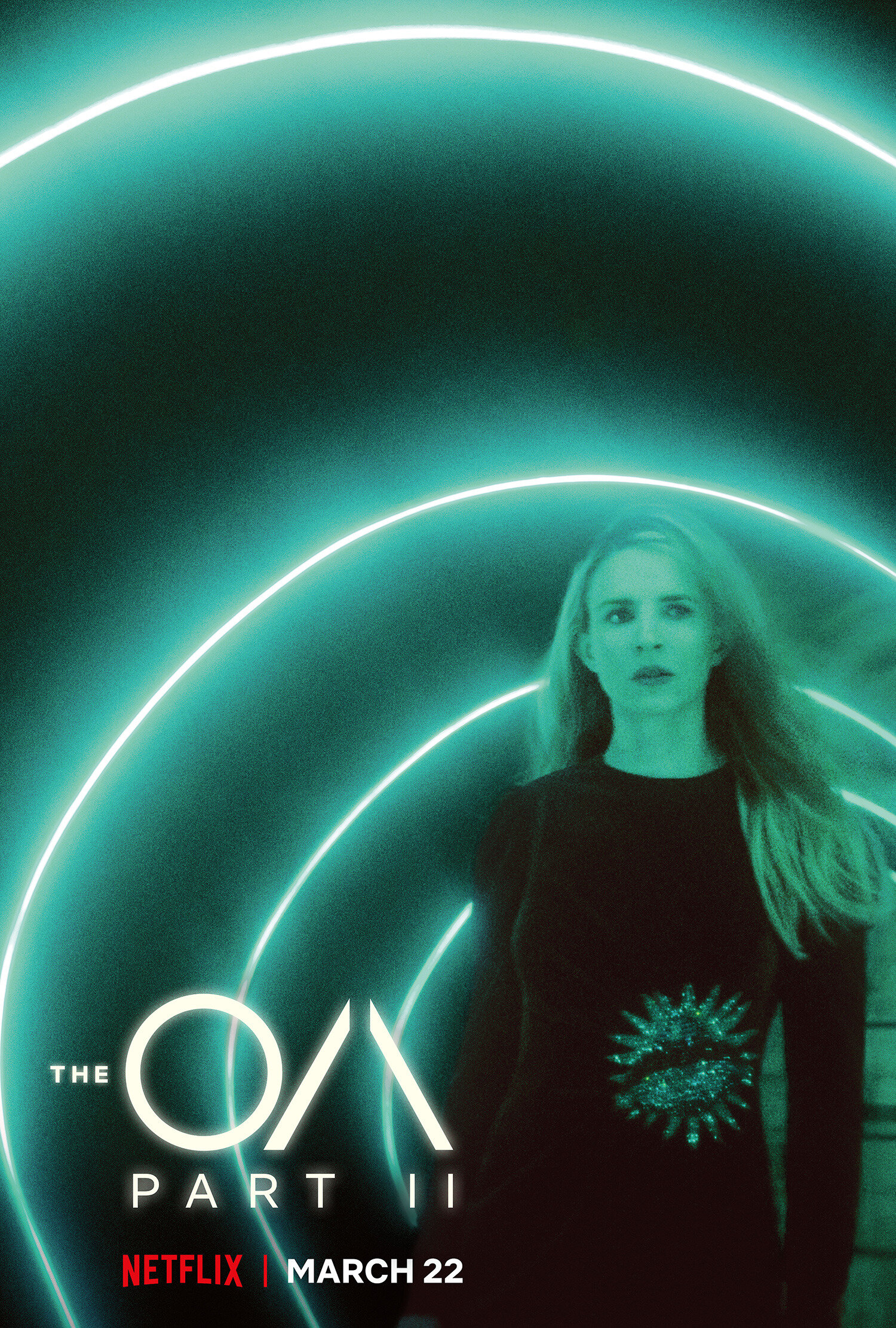
The OA2016
Brit Marling's mystical sci-fi series weaves identity, connection, and alternate realities. Like After Yang, it's genuinely interested in what binds us to each other across distance and difference.
But Its mythology is convoluted and ends on a cliffhanger that was never resolved. The show asks a lot of patience for a payoff that never came.
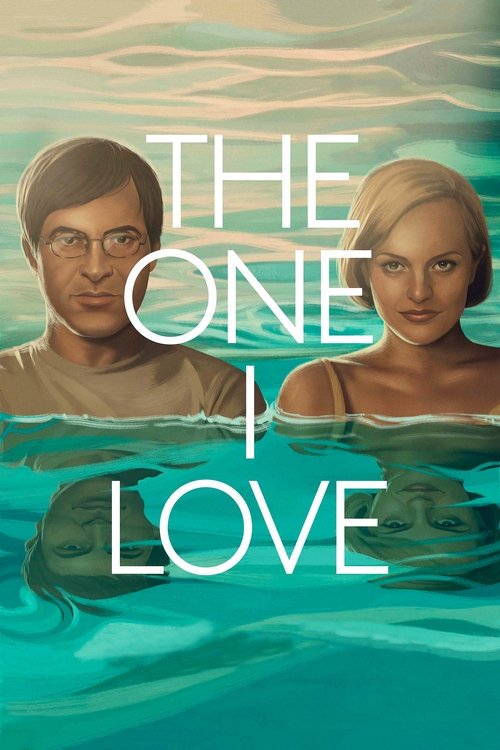
The One I Love2014
This sci-fi romance explores marriage and intimacy through an increasingly surreal setup. It shares After Yang's delicate touch and interest in how we fail to see the people closest to us.
But The central gimmick, once revealed, feels thin. Some will find it clever; others will feel cheated by the scale of its ideas.
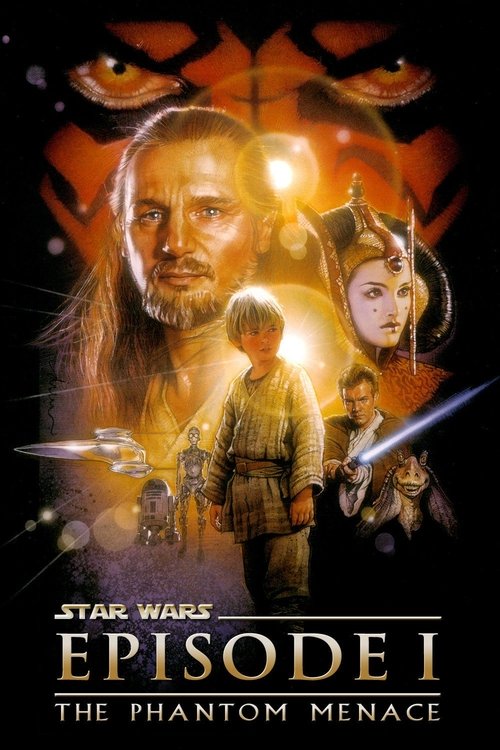
Star Wars: Episode I - The Phantom Menace1999
Anakin and Yang are both figures we love because others love them, and both films ask what obligation we have to something that looks alive but may not feel.
An odd pick: but Lucas's flawed epic, like Kogonada's film, places a machine-being at the emotional center and explores what makes us human through that absence. Both films are interested in how we project love onto objects.
But It's bloated, poorly acted, and the politics are muddled. For most, it's a cautionary tale about directorial ego, not a hidden masterpiece.
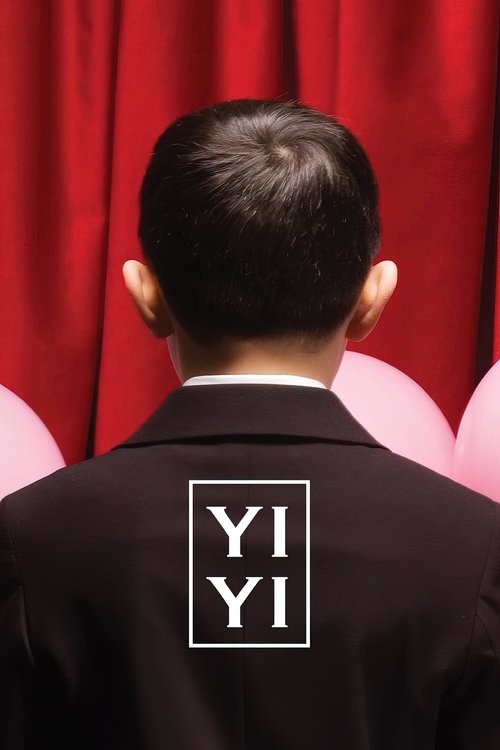
Yi Yi2000
Both are quiet examinations of family structure and what we owe each other when understanding fails. Both trust that attention itself is a form of love.
Edward Yang's (no relation) three-hour family portrait moves through decades with the same observational gentleness as After Yang. It's about how little we understand each other despite living together, and how that's okay. Deeply humanizing.
But It's long, dialogue-heavy, and resists emotional catharsis. Resolution comes as acceptance, not triumph. Requires genuine patience and openness to ambiguity.
People
Cast
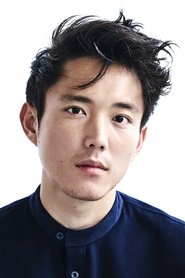 Justin H. MinYang

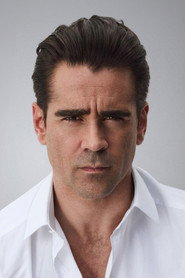 Colin FarrellJake
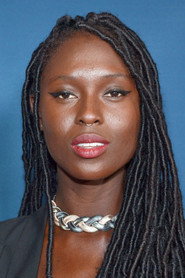

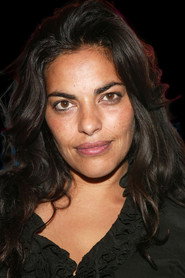 Sarita ChoudhuryCleo
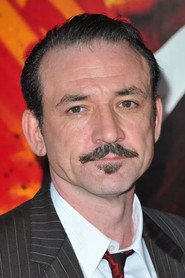 Ritchie CosterRuss
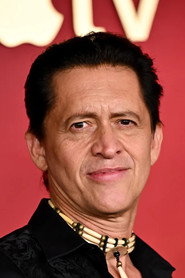 Clifton Collins Jr.George
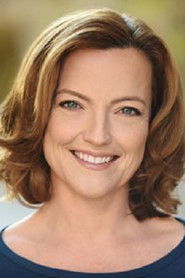 Orlagh CassidyLillian
 Ava DeMaryVicky
- Lee WongWei
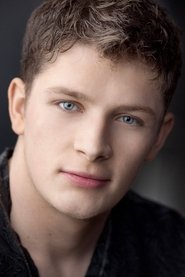 Brett DierAaron
Directing
- KogonadaDirector
- David Ketterer SpencerFirst Assistant Director
- Robin Takao D'OenchSecond Assistant Director
- Alex BackusSecond Second Assistant Director
Writing
- Alexander WeinsteinShort Story
- KogonadaWriter
Production
- Alexander WeinsteinAssociate Producer
- Jessica KellyCasting
- Rebecca DealyCasting
- Philipp EngelhornExecutive Producer
- Becky GlupczynskiLine Producer
- Andrew GoldmanProducer
- Caroline KaplanProducer
- Paul S. MezeyProducer
- Theresa ParkProducer
- Taylor ShungUnit Production Manager
Recommended by
The Life Aquatic with Steve Zissou, Toni Erdmann, Trafic, Did Someone Happen to Mention Me?, The Godfathers, The Fortress