
Film
The Agony and the Ecstasy
Carol Reed's 1965 epic tracks Michelangelo's agonised creation of the Sistine ceiling, a film as much about artistic doubt and compromise as it is about Renaissance grandeur. Charlton Heston and Rex Harrison spar magnificently across frescoes and political intrigue. It's a prestige picture that earns its runtime through sheer commitment to the weight of genius under pressure.
Should you watch it?
Watch it if you enjoy big, handsomely mounted historical epics where the drama comes from a stubborn artist locked in a power struggle with an impatient patron, and you don't mind a story driven by personalities more than battles.
Skip it if you want a lean, fast-moving picture; at 138 minutes it takes its time, and its grand, stagey style of 1960s studio filmmaking can feel formal and a little old-fashioned.
What it asks of you: Settle in for a long, unhurried sit with plenty of sweeping scenery and Renaissance pageantry, where the emotional payoff builds slowly through arguments and creative struggle rather than sudden turns.
Not sure? Find tonight's pick in a minute.
If you liked this
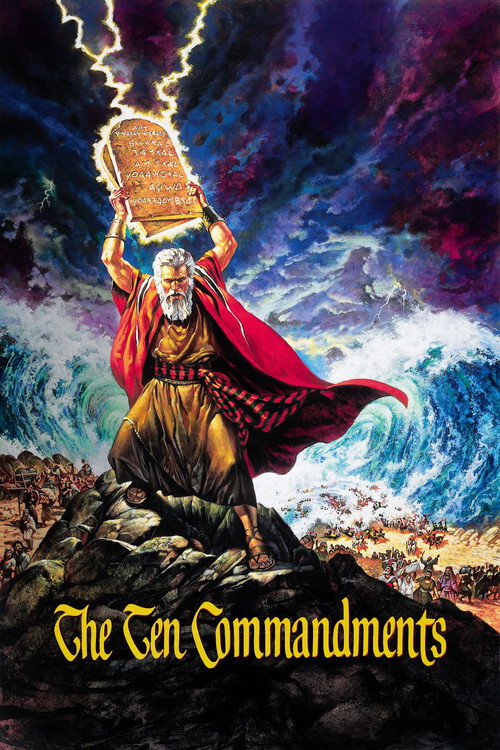
The Ten Commandments1956
Another biblical epic with Charlton Heston at his most stentorian, commanding armies and divine will alike. Same grandiose scale and moral conviction, easier plotting.
But Three and a half hours of unironic religiosity. The special effects, while impressive for 1956, have aged into camp territory that the film doesn't acknowledge.
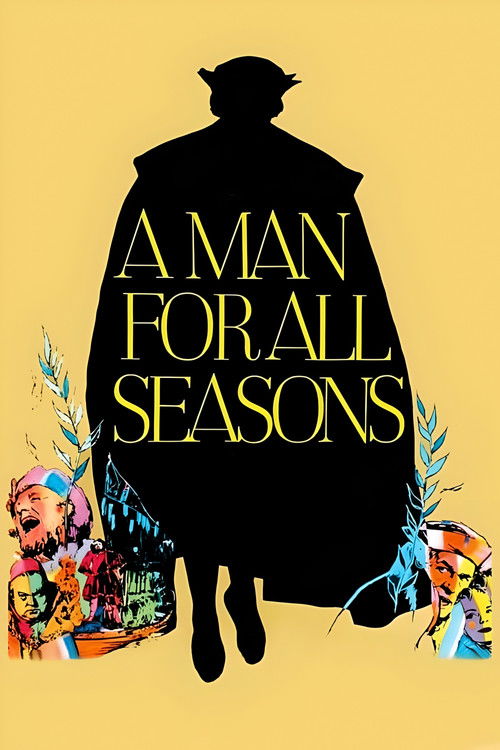
A Man for All Seasons1966
Released the year after this, it also threads the needle between intimate character study and historical sweep. Paul Scofield's integrity against institutional power echoes Michelangelo's struggle beautifully.
But Deliberately stagy and dialogue-heavy. If you find Renaissance politics inherently tedious, this won't change your mind.
The Leopard1963
Another Italianate historical epic about power, legacy, and the collision between individual vision and historical forces. Visconti's control of the frame rivals the majesty of a Sistine panel.
But Slower paced and more oblique about its themes. The famous ballroom sequence is transcendent but takes a long time arriving.

Not sure tonight? Get a pick in a minute, starting from The Agony and the Ecstasy
The wildcard
Something you would not have found on your own.
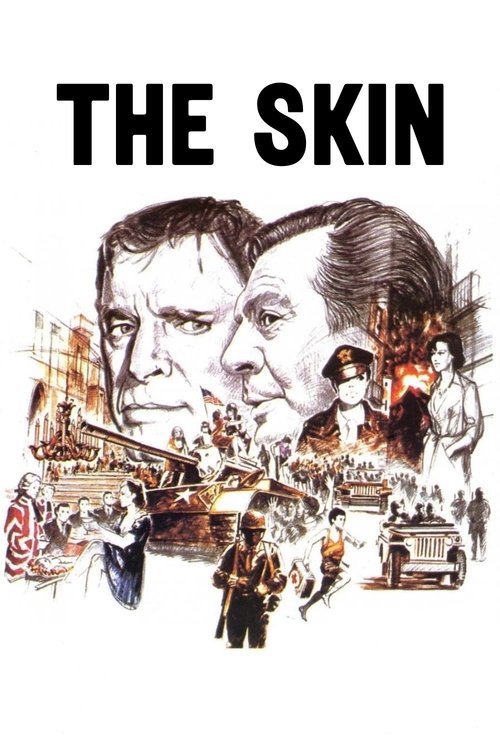
The Skin1981
Both are portraits of genius compromised by political authority, but Cavani shows the sexual and bodily cost that Reed's Renaissance spirituality obscures. Same interrogation of power, radically different anatomy.
Liliana Cavani's baroque, explicit masterpiece about art, power, and corruption set in WWII Naples—the intellectual rigour and sensual urgency that The Agony and the Ecstasy only hints at. Heston's spiritual opposite.
But Graphic sexual content and violence used to explore fascism and degradation. Not a film that lets you admire history from a distance; it makes you complicit.
More like this (7)
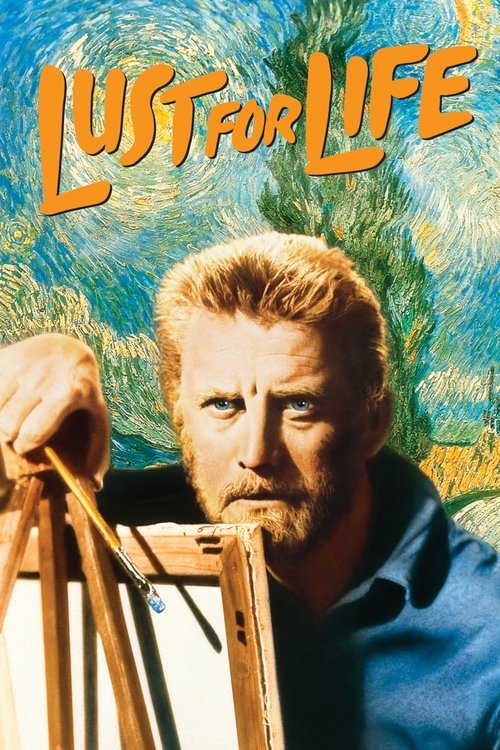
Lust for Life1956
Kirk Douglas as Van Gogh in another portrait of artistic genius tormented by self-doubt and institutional resistance. Same DNA: creator versus patron, passion versus pragmatism.
But Deeply melancholic and sometimes quite heavy-handed. The biographical film format can feel limiting if you're not already invested in Van Gogh.
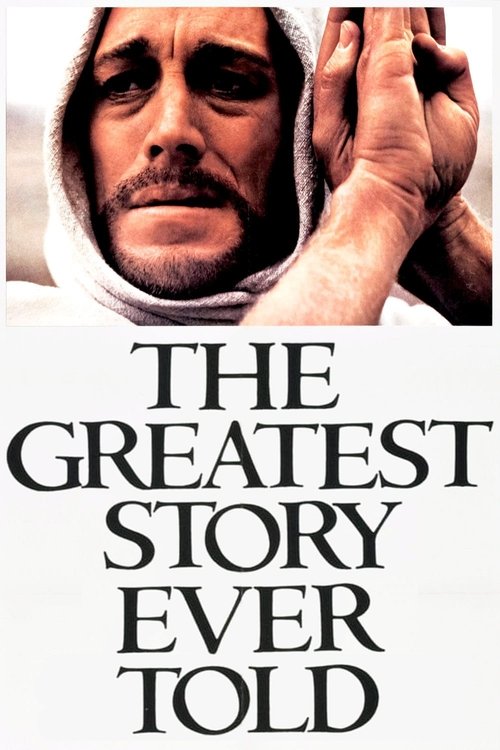
The Greatest Story Ever Told1965
Heston again, in George Stevens' widescreen biblical spectacle released the same year. If you're drawn to his particular brand of earnest grandeur, this indulges it thoroughly.
But Notoriously overstuffed with cameos and wildly uneven in tone. Heston plays John the Baptist here, not Jesus, which is its own kind of strange.
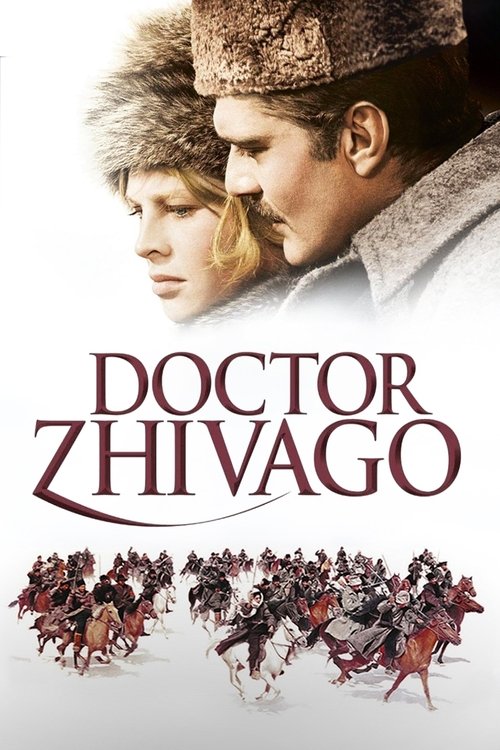
Doctor Zhivago1965
Another sweeping historical epic from the same period, with a tortured artist at its centre caught between personal desire and historical inevitability. Gorgeous to look at.
But Famously glacial pacing. The plot can feel secondary to the cinematography, which some find ennobling and others find airless.
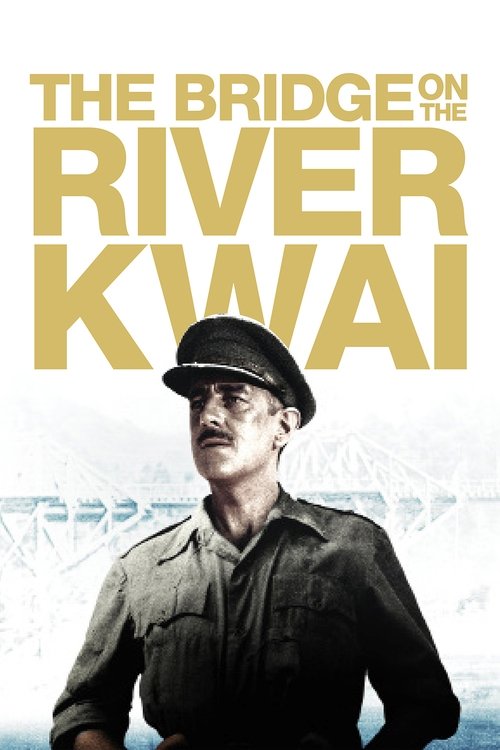
The Bridge on the River Kwai1957
David Lean's masterwork about obsession, duty, and whether your life's work serves something greater or destroys you. Alec Guinness carries the weight Heston does here.
But War film, not art history. The philosophical texture emerges slowly from a tense plot, which some find rewarding and others find like waiting for paint to dry.
A Passage to India1984
David Lean's final film, equally concerned with misunderstanding across cultures and the personal cost of grand historical moments. Epic without being bloated.
But Deliberately ambiguous about what really happened. If you need clarity and resolution, this will frustrate you. Requires patience with silence.
Synecdoche, New York2008
Both are about the terror of creating something that will outlive you, but Kaufman internalises it: Michelangelo fought popes, Caden fights his own mind. Opposite approach, identical panic.
Charlie Kaufman's meta-nightmare about an artist creating a massive autobiographical theatre piece that becomes impossible to control or complete. The anxiety of the Sistine Chapel, updated to the modern self.
But Deliberately fractured, repetitive, and unsettling. The climax will not satisfy. It's intellectually exhausting—you have to work to follow it, and some find that work joyless.

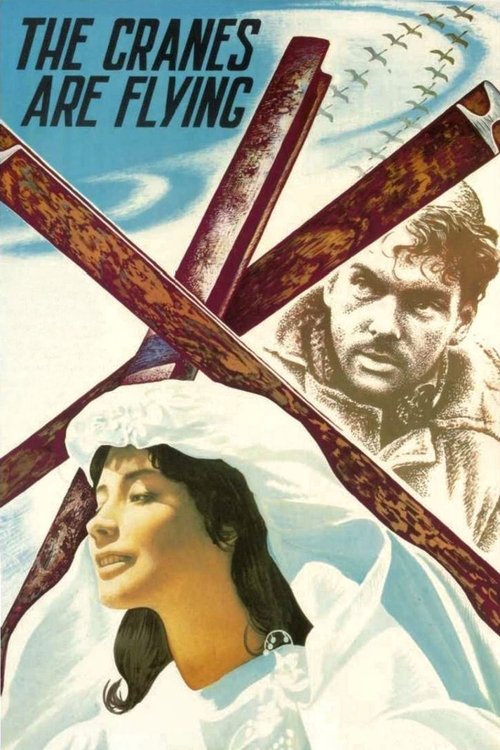
The Cranes Are Flying1957
Both feature protagonists who must abandon their personal vision for something larger—faith, history, duty—but Kalatozov shows us the private devastation rather than the public triumph. Same bargain, opposite camera angle.
Mikhail Kalatozov's Soviet masterpiece about love and loss during WWII, visually dazzling in ways that make Heston's painted ceilings seem quaint. Pure cinema, not adapted from anywhere.
But Russian melodrama with subtitles. The emotional register is completely different from historical grandeur—it's intimate where The Agony and the Ecstasy is monumental.
People
Cast
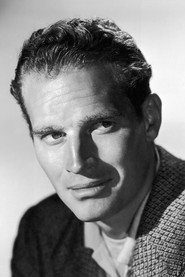 Charlton HestonMichelangelo
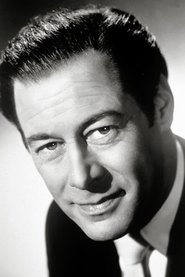 Rex HarrisonPapa Giulio II
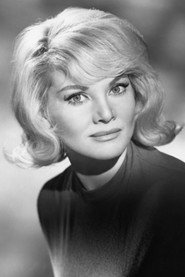 Diane CilentoContessina de'Medici
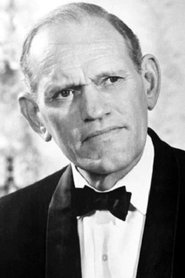 Harry AndrewsBramante
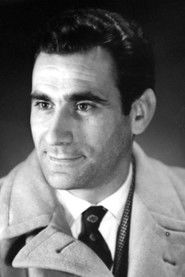 Alberto LupoDuca di Urbino
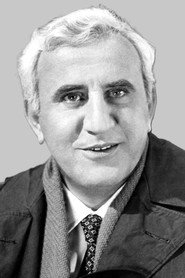 Adolfo CeliGiovanni de' Medici
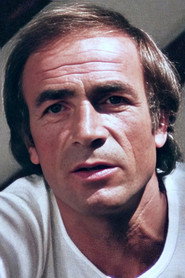 Venantino VenantiniParide de Grassis
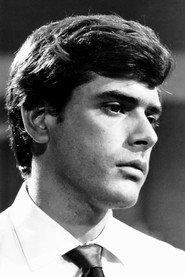 Tomas MilianRaffaello Sanzio
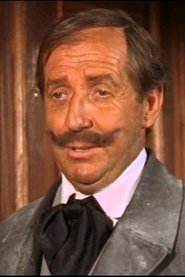 John StacyGiuliano da Sangallo
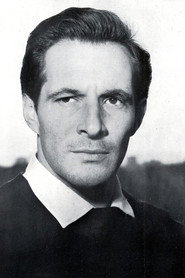 Fausto Tozziuomo
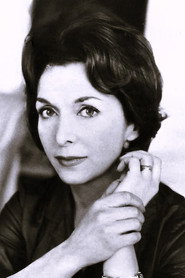 Maxine AudleyWoman
 Andrea Giordanaaiutante di Michelangelo
Directing
- Carol ReedDirector
Writing
- Irving StoneNovel
- Philip DunneScreenplay
- Philip DunneScreenstory
Production
- Darryl F. ZanuckExecutive Producer
- Elmo WilliamsExecutive Producer
- Carol ReedProducer
Recommended by
Frida, Vincent & Theo, Lust for Life, Caravaggio, Nightwatching, Sardar