
Film
Sardar
A sweeping biopic of Sardar Vallabhbhai Patel, India's Iron Man, who unified the fractured subcontinent after independence. Ketan Mehta's film is ambitious historical drama in the classical mode—dignified, patient, concerned with how power shapes compromise. For anyone invested in Indian history or political biography done with genuine weight.
If you liked this
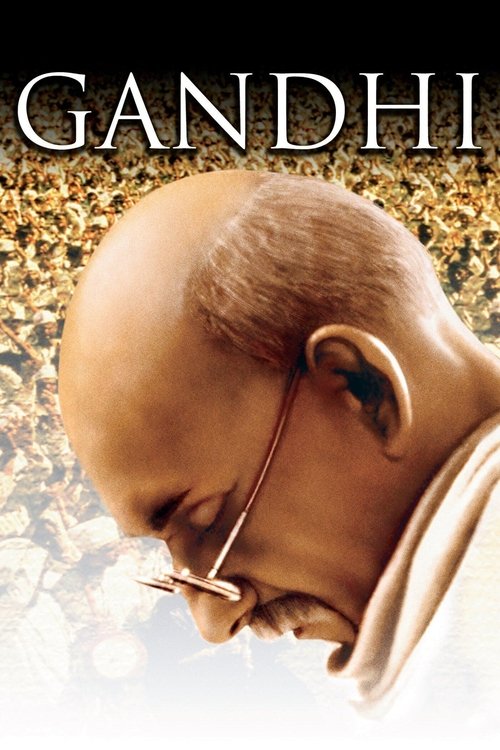
Gandhi1982
Attenborough's epic sets the stage Sardar inherits. If you want the moral architecture of the independence movement, this is where the story begins. Painstakingly researched, visually magnificent.
But Three and a half hours, and it can feel like a monument to itself. The pacing is stately to the point of drowsiness in places.
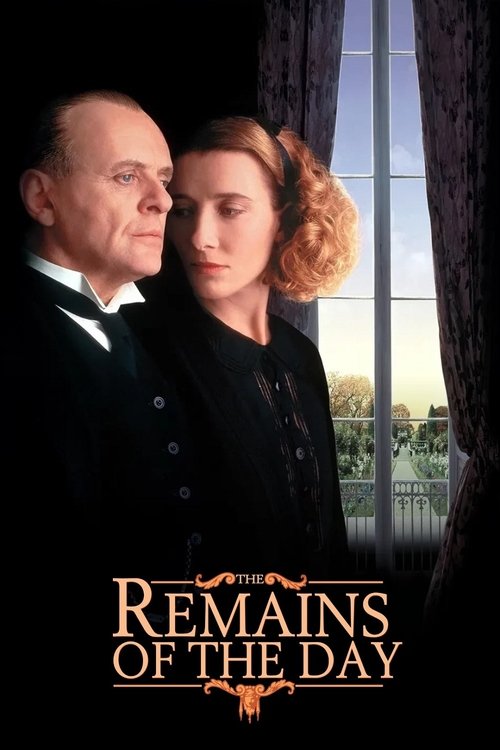
The Remains of the Day1993
Both films quietly explore how principled men navigate impossible political moments. A meditation on duty, regret, and the cost of restraint. James Ivory's direction shares Mehta's formal precision.
But It's set in 1930s England and concerns a butler, not Indian independence. The connection is structural and emotional rather than obvious.
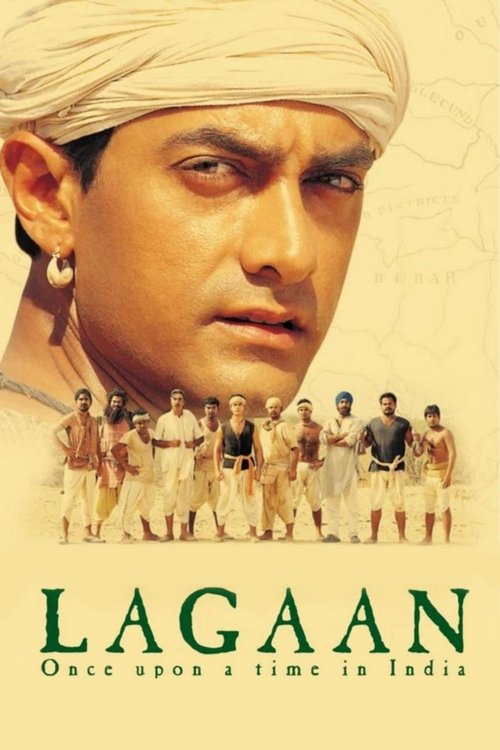
Lagaan: Once Upon a Time in India2001
Another Indian historical epic that balances spectacle with intimate character drama. Aamir Khan delivers a lead performance of genuine conviction. The film trusts its audience to sit with complexity.
But Nearly four hours. And the central cricket match becomes a metaphor that some viewers find heavy-handed.
Not sure tonight? Get a pick in a minute, starting from Sardar
The wildcard
Something you would not have found on your own.
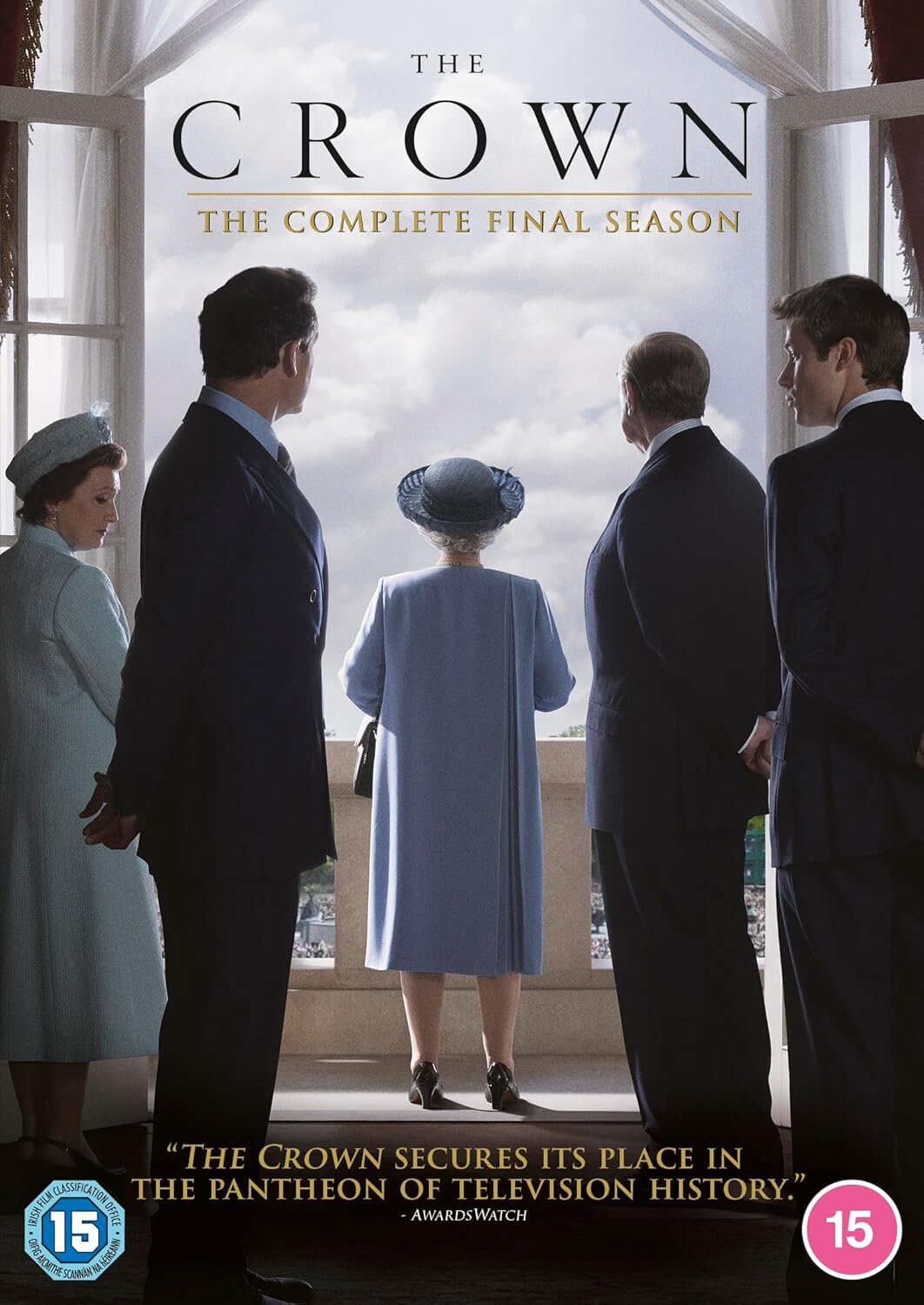
The Crown2016
Both examine how principle survives contact with power, and both refuse to make their protagonists purely heroic or purely sympathetic.
Both Sardar and The Crown are about powerful figures managing the machinery of state and the weight of historical inevitability. But The Crown watches a monarch navigate change from the inside, with full access to her doubt and exhaustion. The structure mirrors Mehta's film but in real time, eight hours instead of three.
But It's British royalty, not Indian independence. And it's a contemporary TV drama with all the trappings—scandal, intrigue, invented conversations—not a historical biopic.
More like this (7)
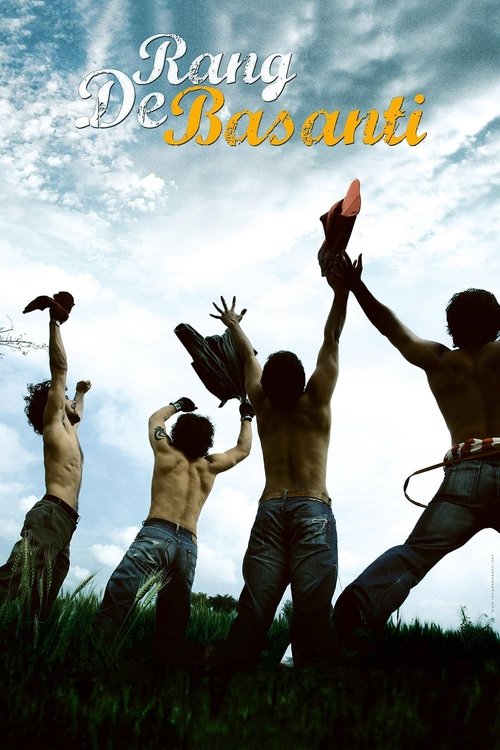
Rang De Basanti2006
A modern Indian film deeply engaged with questions of national identity and individual conscience—the same tensions Patel faced. Aamir Khan, again, but in contemporary dress. Thrilling and genuinely moving.
But It's a thriller, not a historical drama. The political messaging can overshadow the plot in the final act.
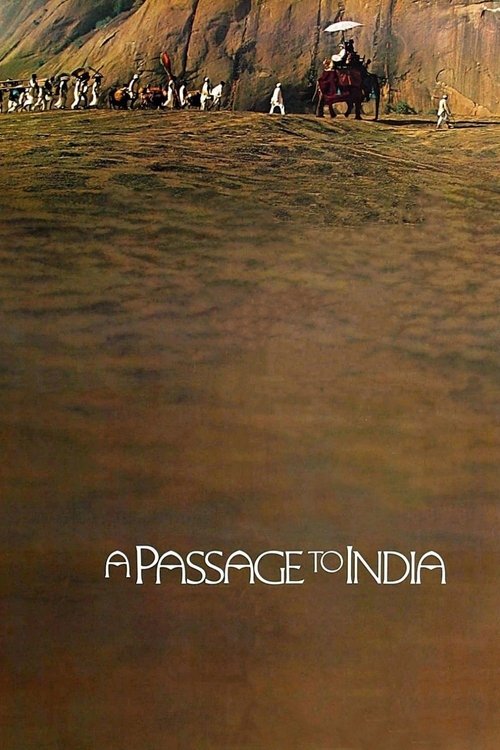
A Passage to India1984
Lean's last film. Another Ivory-Lean production exploring India, Empire, and the moral weight of colonialism. The colonial context that frames Sardar's choices is rendered here with heartbreaking clarity.
But It's about the British Raj, not independence. The film is more interested in individual relationships than historical inevitability.
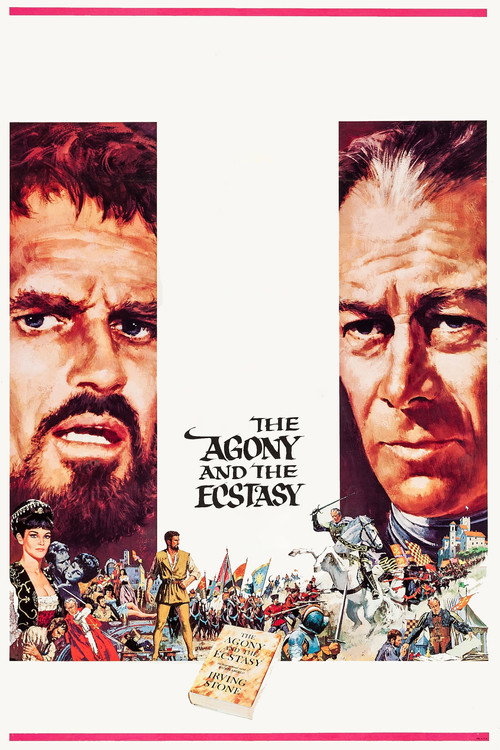
The Agony and the Ecstasy1965
Another epic about a giant figure reshaping their world through will and vision. Charlton Heston as Michelangelo; the parallel with Paresh Rawal as Patel is instructive. Visually splendid.
But A Renaissance artist is not an Indian statesman. The comparison is thematic, not literal, and that can feel distant.
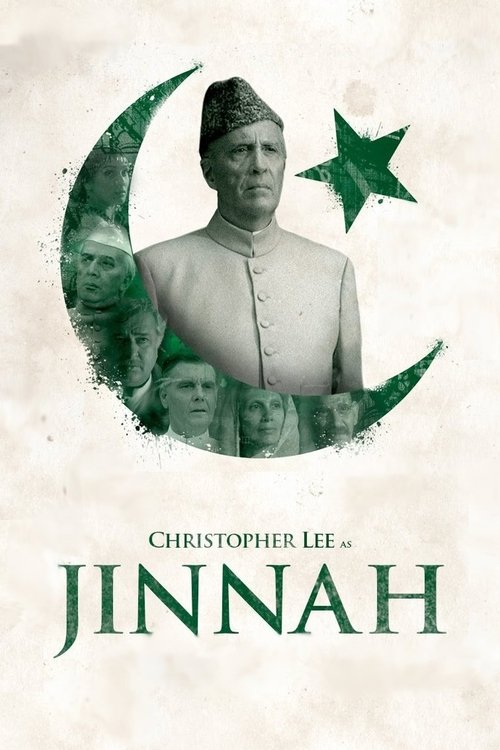
Jinnah1998
A companion piece, really—the counterpart biopic about Muhammad Ali Jinnah and the Partition. Christopher Lee is unforgettable. To understand Patel's choices, you need to know Jinnah's. Both films are necessary.
But It's sympathetic to its subject in ways that complicate the independence narrative you might hold. Some viewers find it revisionist.
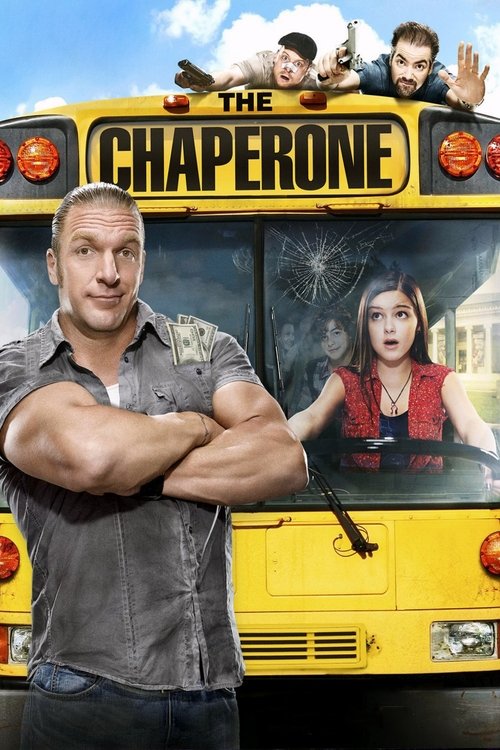
The Chaperone2011
A smaller, quieter Indian historical film about integrity and duty. It won't have the grandeur you see in Sardar, but the moral temperature is the same. Deeply felt and unsentimental.
But It's a period piece about provincial India, not the grand stage of national politics. The scope is deliberately intimate, which some will find insufficiently dramatic.
All the President's Men1976
Both films believe that careful attention to detail and procedure is itself dramatic. Neither needs melodrama to be gripping.
Sardar is about nation-building after a rupture. Pakula's film is about nation-questioning at the moment of crisis. Both are procedurals about how power actually works—not the mythology, the machinery. Methodical, suspenseful, and morally serious.
But It's about Watergate, not India. And it's a thriller about journalists, not a biopic. The connection is tonal and structural, not literal.

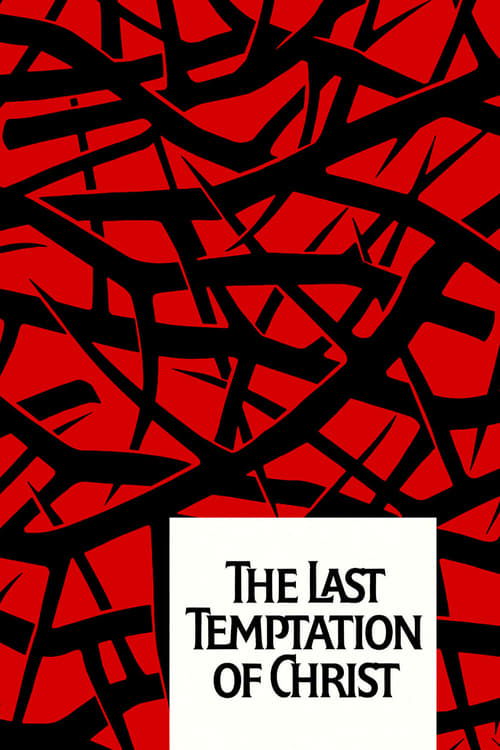
The Last Temptation of Christ1988
Both films treat their central figure as a man, not a monument. Both are interested in how conviction survives when the world demands compromise.
Scorsese's divisive epic is about a man wrestling with the weight of historical destiny and personal conscience. Like Patel, Christ in this reading is not a saint but a figure shaped by impossible choices. The film's willingness to sit with doubt and complexity mirrors Mehta's approach.
But Controversial, explicitly religious, and three hours of spiritual and moral anguish. Not a crowd-pleaser. Some will find it blasphemous, others simply exhausting.
People
Cast
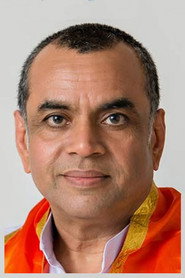 Paresh RawalSardar Patel
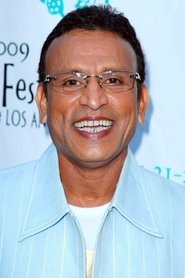 Annu KapoorMahatma Gandhi
- Benjamin GilaniJawaharlal Nehru
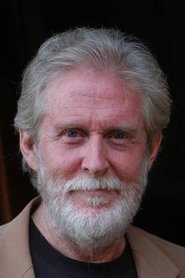 Tom AlterLord Mountbatten of Burma
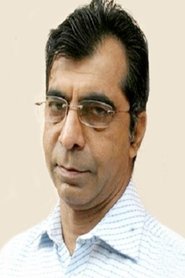 Shri Vallabh VyasMohammad Ali Jinnah
- H M PatelHimself

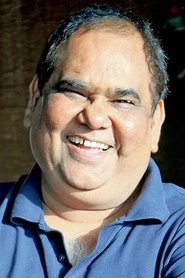
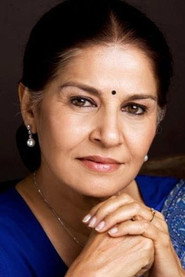
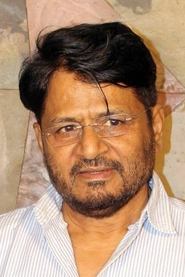
Directing
- Ketan MehtaDirector
Writing
- Hriday LaniWriter
- Vijay TendulkarWriter
Production
- H M PatelProducer