
Film
Vincent & Theo
A 1990 biographical drama centered on the relationship between Vincent van Gogh and his brother Theo, who sustained him financially and emotionally through years of struggle. Built from their actual correspondence, it's a portrait of mutual dependence, artistic ambition, and the cost of devotion. For anyone moved by intimate character studies about sacrifice and creative torment.
Should you watch it?
Watch it if you want a slow, letter-based portrait of a difficult friendship between two brothers, with Tim Roth's raw, restless performance and close attention to the everyday texture of a painter's working life.
Skip it if you want a painter's biography with the paintings at the centre; this one is more interested in money, temperament and brotherly quarrels than in how the canvases get made.
What it asks of you: It runs 140 minutes at a deliberate pace, with long stretches of talk and stillness and a low, muted mood that rewards steady attention over momentum.
Not sure? Find tonight's pick in a minute.
If you liked this
La Haine1995
A masterpiece about brotherhood and class rage that understands how economics and circumstance grind people down. Mathieu Kassovitz's control is absolute, the three-hander dynamic mirrors Vincent and Theo's interdependence in a modern key.
But Black-and-white 90-minute intensity with no comfort or resolution. It's bleak in a way that asks something of you.

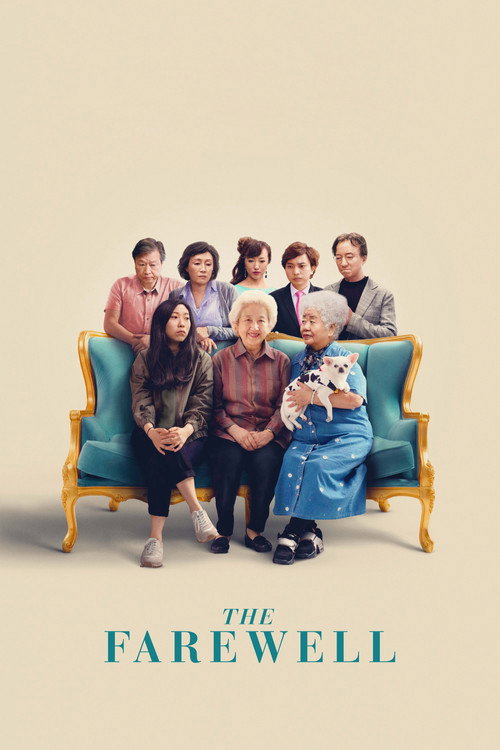
The Farewell2019
A family story about obligation, tradition, and love expressed through what goes unsaid. Lulu Wang captures the weight of being the one who understands both worlds, both people—much like Theo's impossible position.
But The emotional stakes are quieter than expected. If you want drama that announces itself, you'll miss the point.
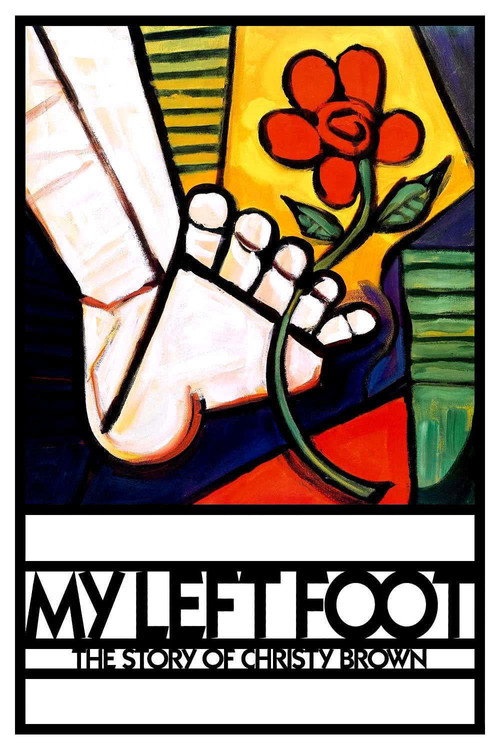
My Left Foot: The Story of Christy Brown1989
Daniel Day-Lewis as Christy Brown: an artist fighting circumstance and disability, sustained by family love. Jim Sheridan's film has the same tender, unflinching look at artistic desperation that Vincent & Theo reaches for.
But A bit more conventionally 'uplifting' than Vincent & Theo, which might feel like sugar after the bitter pill.
Not sure tonight? Get a pick in a minute, starting from Vincent & Theo
The wildcard
Something you would not have found on your own.
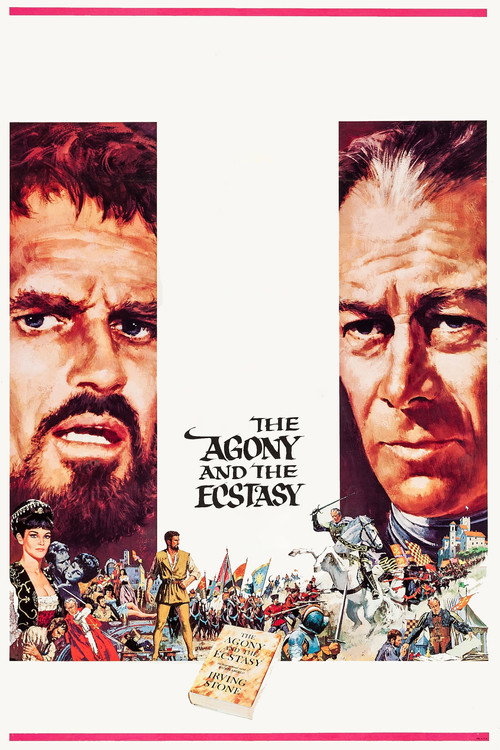
The Agony and the Ecstasy1965
Both are intimate portraits of an artist's internal war, told through the people closest to them. Reed's film is the Technicolor, stadium-rock version of what Minghella attempts in grayscale—same obsession, completely different temperature.
Carol Reed's Charlton Heston as Michelangelo, struggling against patrons, mortality, and his own perfectionism. A grander, more romanticized take on the tortured artist, but built on the same foundation: art as survival and curse.
But A 1960s epic that feels operatic and dated. Heston's performance is monumentally earnest in a way modern viewers might find unintentionally comic.
More like this (8)
Synecdoche, New York2008
Charlie Kaufman's fractured masterpiece about an artist drowning in ambition, isolation, and the people around him. Thematically aligned with Vincent's spiral, formally much stranger—but the core anxiety is identical.
But Deliberately opaque and self-referential. If you want clarity over mood, you'll feel lost.

A Prophet2009
Jacques Audiard's study of mentorship and dependency in prison. Two men bound by need and circumstance, one teaching the other survival. The dynamic is Theo and Vincent inverted, in a radically different setting.
But French with subtitles, and the pacing is slow. Prison drama with no action beats might feel static.

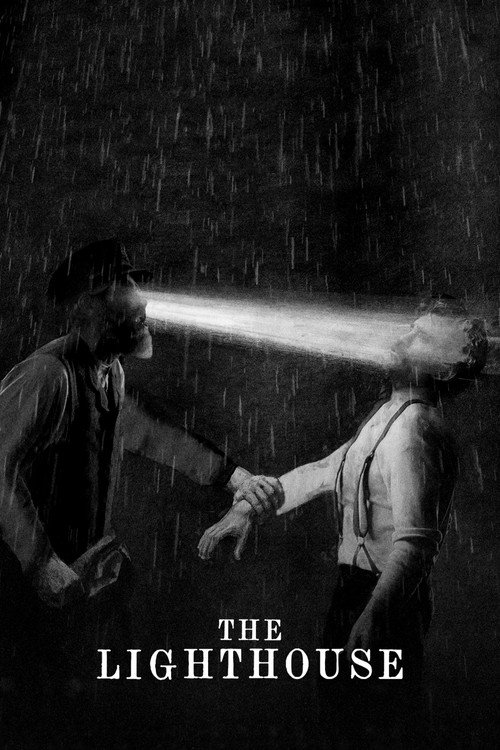
The Lighthouse2019
Two men in isolation, madness creeping in, the relationship the only real thing in a hallucinogenic void. Eggers captures psychological breakdown and codependency with the same obsessive intensity as Vincent & Theo.
But Deliberately artificial, black-and-white, aggressively weird. It's an art film wearing a horror mask.
Requiem for a Dream2000
Aronofsky's visceral study of addiction and the people who love addicts. Four parallel descents, each lonely despite proximity to others. Harsh and unsparing about what love cannot fix.
But Brutally bleak with a soundtrack that oppresses. One of cinema's most relentlessly dark films; some find it punishing rather than moving.

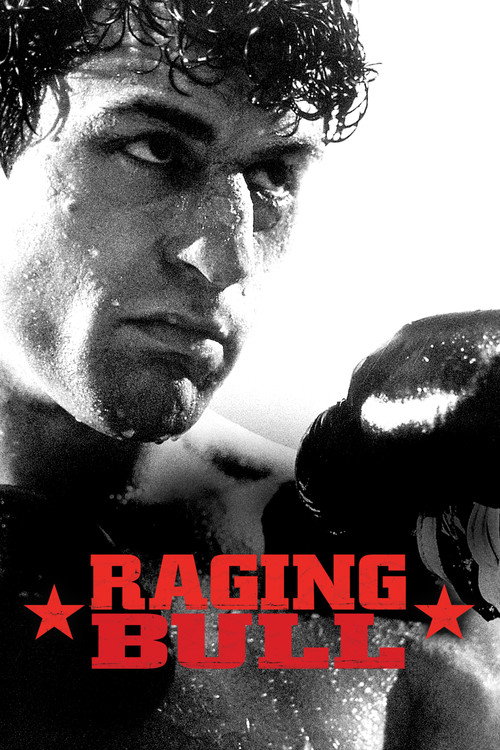
Raging Bull1980
Scorsese's black-and-white fever dream about a man destroying everyone around him while one person keeps trying. Boxing as metaphor for creative rage. Technically brilliant and thematically aligned with Vincent's self-destruction.
But Scorsese's style can feel mannered. If you prefer subtlety to formal grandeur, this will feel like being hammered.
A Ghost Story2017
A meditation on time, legacy, and what remains of us after we're gone. Intimate, strange, and genuinely about art and meaning. Quieter than Vincent & Theo but working similar emotional terrain.
But Deliberately slow and dreamlike. It unfolds like a memory, which some find dull rather than hypnotic.

Stalker1979
Both films are about a man consumed by something he cannot have or complete, and the people around him absorbing the cost. Tarkovsky asks it in metaphor and abstraction; Minghella in letters and dailiness. Same question, opposite registers.
Tarkovsky's philosophical science-fiction film about a man guiding others toward a mysterious room that might grant wishes. Hypnotic, meditative, about the gap between desire and meaning. Formally unlike anything else—cinema as poetry, not narrative.
But 163 minutes of near-silent walking and talking. No plot momentum, minimal event. If you need conventional drama, this is punishment masquerading as art.

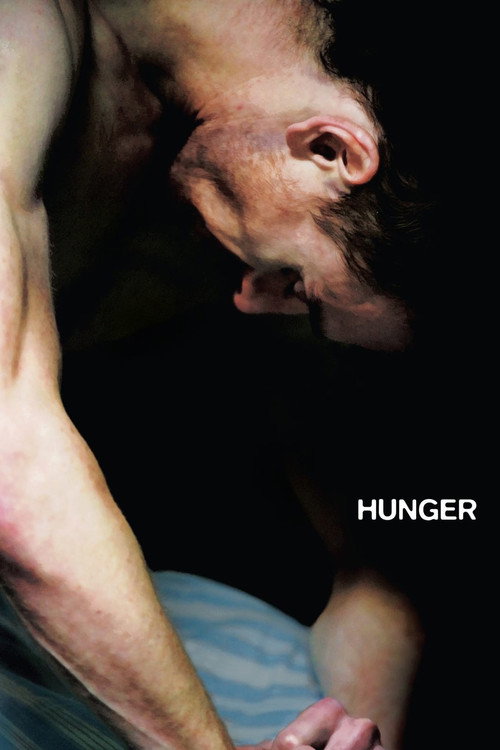
Hunger2008
Both are about an artist (or idealist) whose internal conviction is more real than his own survival, and the helplessness of those who love him. McQueen shows us the physical cost; Minghella the psychological toll. Same tragedy, completely different lens.
Steve McQueen's debut: Bobby Sands refusing food as political protest, filmed with glacial precision and formal beauty. Intimate, historical, about a man's absolute conviction destroying his body. Uncompromising and visually extraordinary.
But A film about self-destruction by starvation. Emotionally and physically bleak, with no redemption or softening. Many find it unbearable to sit with.
People
Cast
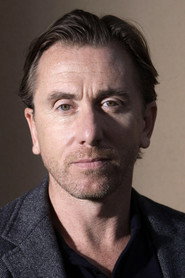 Tim RothVincent Van Gogh
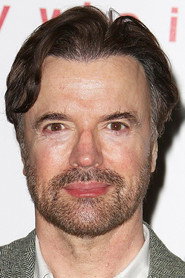 Paul RhysTheodore 'Theo' Van Gogh
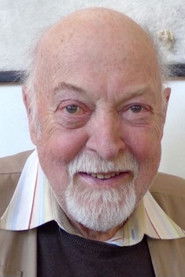 Adrian BrineUncle Cent
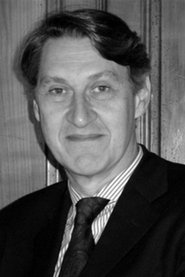 Jean-François PerrierLéon Boussod
- Yves DangerfieldRené Valadon
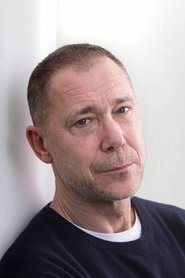 Hans KestingAndries Bonger
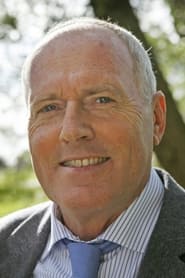 Peter TuinmanAnton Mauve
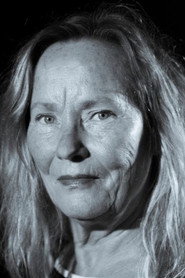 Marie-Louise StheinsJet Mauve
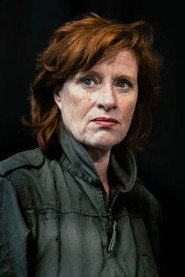 Oda SpelbosIda
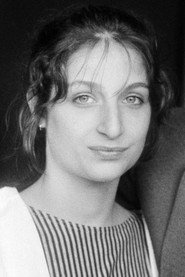 Jip WijngaardenSien Hoornik
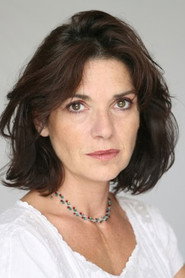 Anne CanovasMarie
- Sarah BenthamMarie Hoornik
Directing
- Robert AltmanDirector
Writing
- Julian MitchellWriter
Production
- Harry PrinsAssociate Producer
- Jacques FanstenAssociate Producer
- Lily van RijsCasting
- David ConroyExecutive Producer
- Ted ChildsExecutive Producer
- Emma HayterProducer
- Ludi BoekenProducer