
Film
The Gospel of John
A three-hour dramatization of John's Gospel filmed as a direct, unadorned adaptation of the biblical text itself. Shot with deliberate simplicity and performed with quiet intensity, it treats its source material as literature rather than sermon. For viewers seeking a contemplative encounter with the text, free from Hollywood spectacle or theological interpretation.
If you liked this
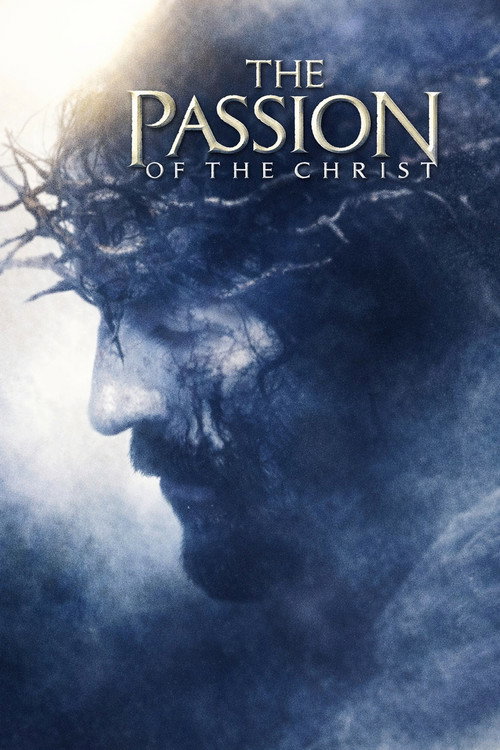
The Passion of the Christ2004
Mel Gibson's visceral, linguistically immersive retelling of Christ's final hours. If you want intensity and linguistic authenticity—it's performed in Aramaic—this delivers it with unflinching commitment to physicality and suffering.
But Graphically violent in ways that can feel exploitative rather than spiritual. The suffering becomes the focus in a way that may overshadow theological meaning for some viewers.
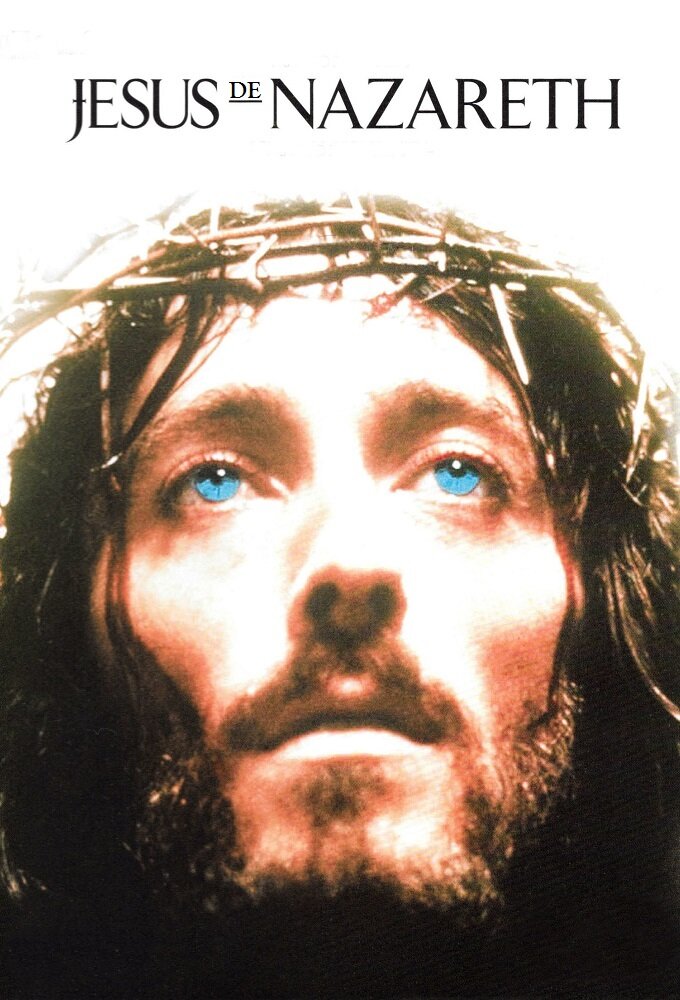
Jesus of Nazareth1977
Franco Zeffirelli's television miniseries remains the gold standard for patient, visually sumptuous biblical drama. Treats the material with reverence while allowing moments of genuine humanity and doubt.
But Made for 1970s television, which means it occasionally feels slow and the production design shows its age. Nearly six hours across episodes, demanding real commitment.
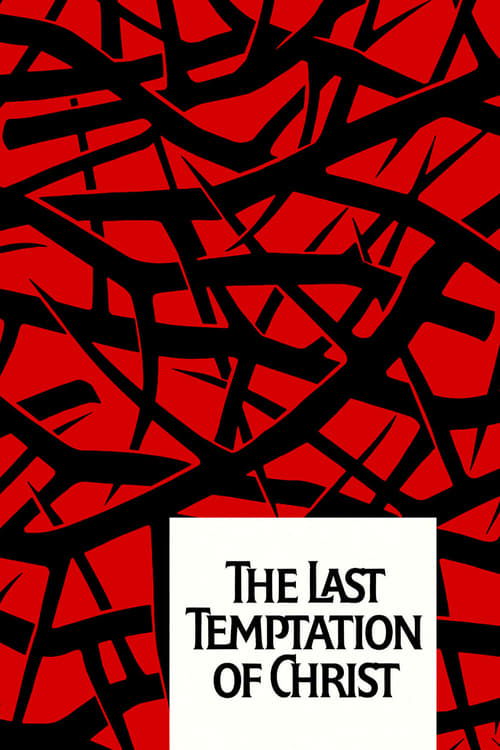
The Last Temptation of Christ1988
Scorsese's controversial, intellectually rigorous meditation on faith, doubt, and desire. It asks genuine questions about what temptation means and what sacrifice costs, treating Christ as a thinking, struggling man.
But Deliberately provocative in its theology and imagery. If you come to it expecting reverence, you'll find interrogation instead. Earned its ban in multiple countries.
Not sure tonight? Get a pick in a minute, starting from The Gospel of John
The wildcard
Something you would not have found on your own.
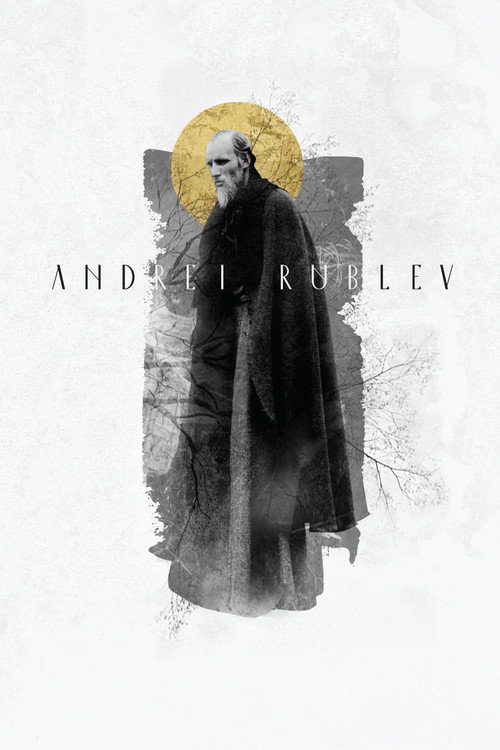
Andrei Rublev1966
Both use visual simplicity as a spiritual tool. Both ask what it means to render the divine faithfully, and both treat their subject matter as literature or icon rather than entertainment.
Tarkovsky's three-hour meditation on a Russian icon painter wrestling with faith, art, and suffering in medieval Russia. Not about Christ directly, but about the ache of trying to represent the sacred—formally innovative, achingly beautiful, operating on pure cinema.
But Deliberately slow, philosophically dense, and more interested in texture and silence than plot. Requires patience that even art-film viewers sometimes don't have. Black and white, subtitled, demands active attention.
More like this (8)
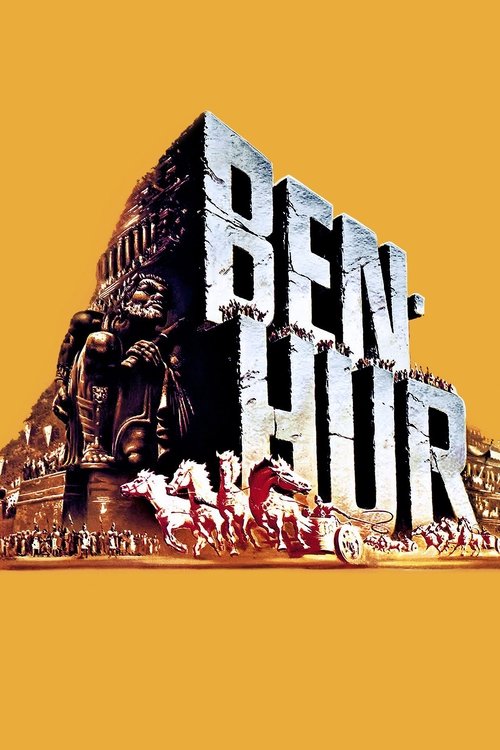
Ben-Hur1959
A sweeping historical epic that uses Christ as the ultimate moral center without making him the protagonist. The famous chariot race is thrilling, but the film's real power is in how redemption reshapes a man's life.
But Three and a half hours of 1950s spectacle. The pacing is stately by modern standards, and Christ barely speaks—he's almost a concept rather than a character.
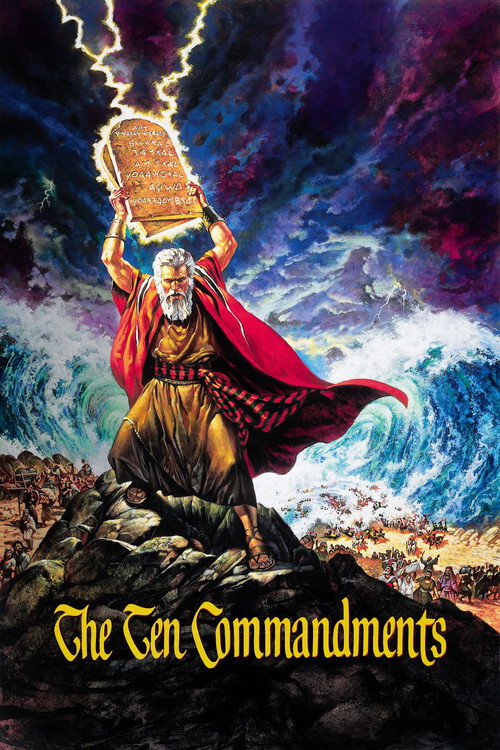
The Ten Commandments1956
DeMille's masterwork of biblical epic filmmaking, with extraordinary set design and a genuine sense of historical scope. If you want to understand how Hollywood once treated sacred texts with scale and seriousness, this is essential.
But Monumentally long, heavily theatrical, and the acting style feels distant now. It's more interested in spectacle than interiority or psychological realism.
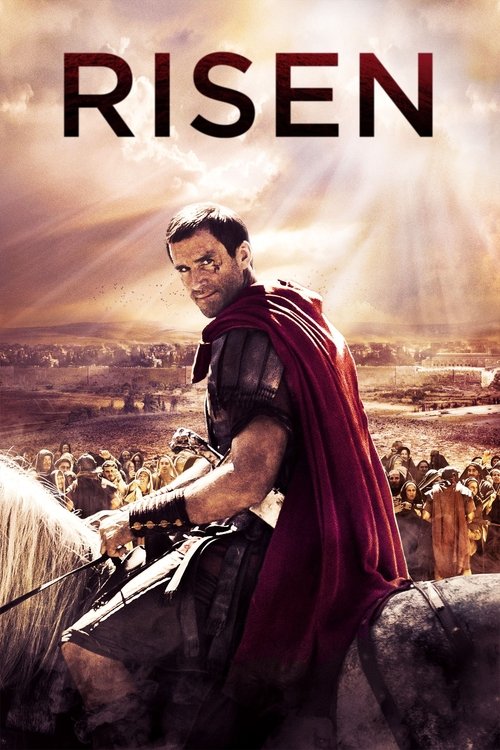
Risen2016
A Roman soldier investigates the Resurrection, making the miraculous feel like a genuine mystery to be solved. This clever framing gives the familiar story narrative tension and treats skepticism with respect.
But Lower budget means the production feels smaller and less visually rich than comparable biblical films. The detective-story structure can feel gimmicky.
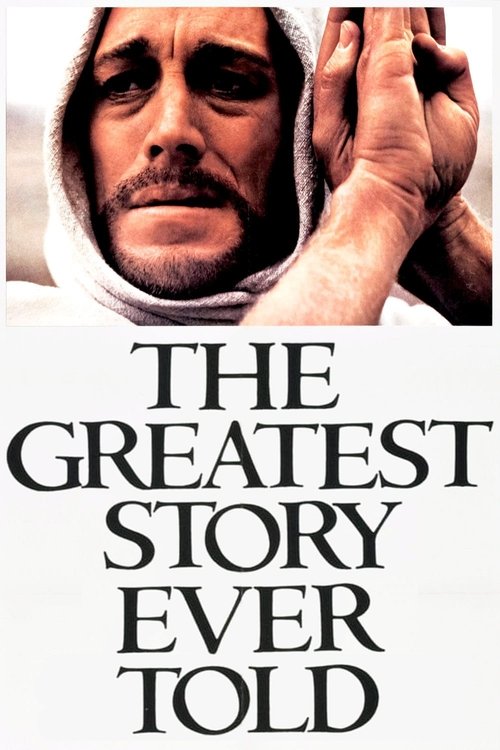
The Greatest Story Ever Told1965
George Stevens' ambitious retelling attempts genuine grandeur and includes remarkable cinematography of Monument Valley as landscape. An interesting historical artifact of how 1960s cinema approached the subject.
But Widely considered overwrought and glacially paced. The all-star cast feels scattered, and modern viewers often find it unintentionally funny rather than moving.
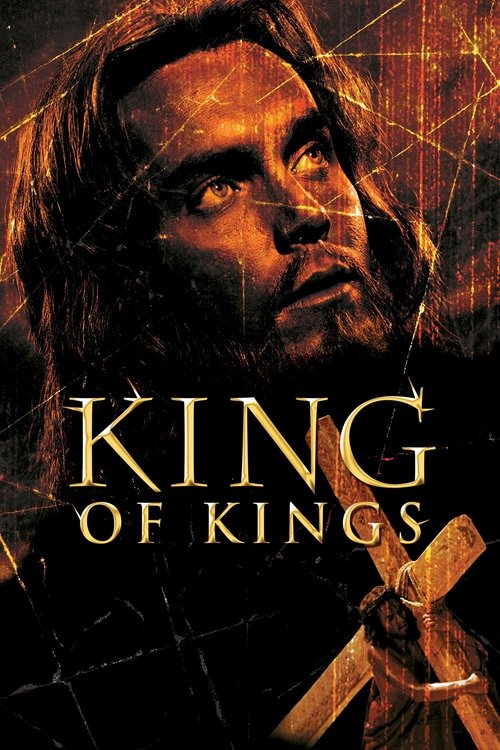
King of Kings1961
Nicholas Ray's version balances spectacle with genuine characterization, making Jesus feel like a figure in history rather than a sacred object. Surprisingly engaging as both epic and drama.
But Technicolor biblical drama doesn't always age well aesthetically. Some of the cultural baggage feels dated, and the pacing meanders.
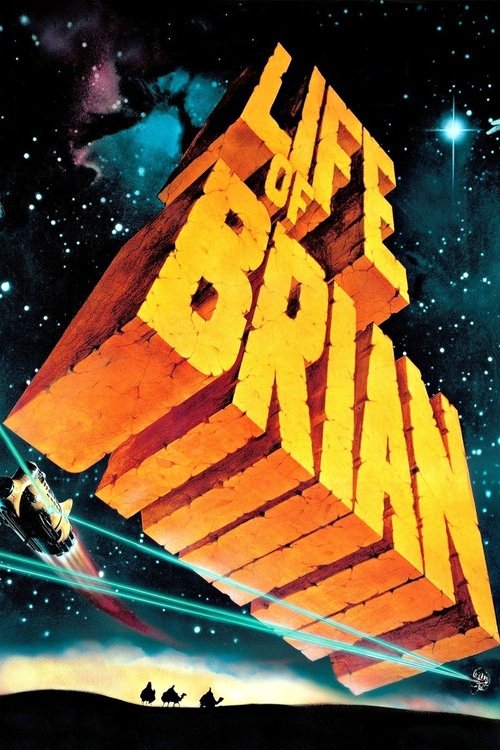
Life of Brian1979
Monty Python's satire remains razor-sharp about how religious communities can calcify into dogma. It's genuinely funny and theologically sophisticated—attacking hypocrisy, not faith itself.
But Irreverent comedy about messianic figures will offend anyone seeking reverence. Some consider it blasphemous; even defenders admit it's not contemplative.
A Ghost Story2017
Both use constraint as spiritual discipline. Both ask unanswerable questions about what matters eternally versus what passes. Both trust their audience to sit with mystery.
A widowed ghost observes time passing over centuries from his house. Formally audacious—shot in a boxy Academy ratio with long static takes—it's a devastating meditation on faith, permanence, and what survives us. Operates like a psalm or prayer.
But Visually minimal and sometimes frustratingly opaque. The pacing is glacial and several scenes will test your patience. It's searching rather than answering.

The Turin Horse2011
Both are austere three-hour films examining faith—one affirming it, one documenting its collapse. Both use stark visual language and repetition as philosophical tools rather than dramatic devices. Watching them together creates a profound argument about belief.
Béla Tarr's final film depicts the last days of Nietzsche's life and consciousness, repetitive and exhausting and gorgeous. It's an atheist's mirror to religious meditation—what happens when meaning collapses? Formally hypnotic despite its bleakness.
But Bleak, repetitive, shot in black and white, running 146 minutes of deliberately monotonous days. Actively oppressive; not cathartic. You may feel worse after watching it.

People
Cast
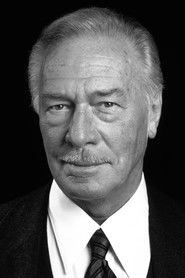 Christopher PlummerNarrator (voice)
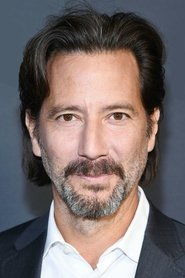 Henry Ian CusickJesus Christ
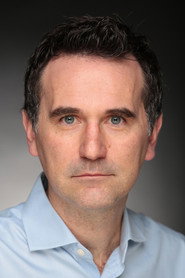 Stuart BunceJohn
 Daniel KashSimon Peter
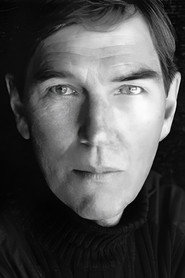 Stephen RussellPontius Pilate
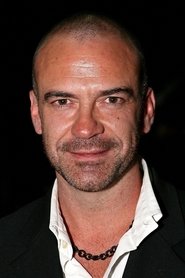 Alan van SprangJudas Iscariot
- Diana BerrimanVirgin Mary
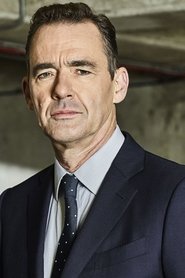 Richard LinternLeading Pharisee
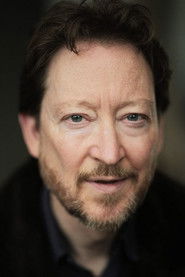 Scott HandyJohn the Baptist
 Lynsey BaxterMary Magdalene
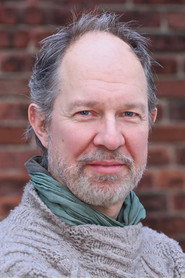 Diego MatamorosNicodemus
 Nancy PalkSamaritan Woman
Directing
- Philip SavilleDirector
Writing
- John GoldsmithScreenplay
Production
- Joel B. MichaelsExecutive Producer
- John Clyde WagnerExecutive Producer
- Martin KatzExecutive Producer
- Sandy PearlExecutive Producer
- Chris ChrisafisProducer
- Garth DrabinskyProducer
- Don TaylorProduction Designer