
Film
The Nightcomers
- Drama
- Very dark
A 1972 prequel to Henry James's *Turn of the Screw*, this film traces how two servants seduce and corrupt the children in their charge before their mysterious deaths. It's a slow-burn psychological thriller with Marlon Brando at his most unsettling, trading his usual intensity for something colder and more predatory. For those drawn to literary adaptations that darken their source material and don't flinch from depicting moral rot.
If you liked this
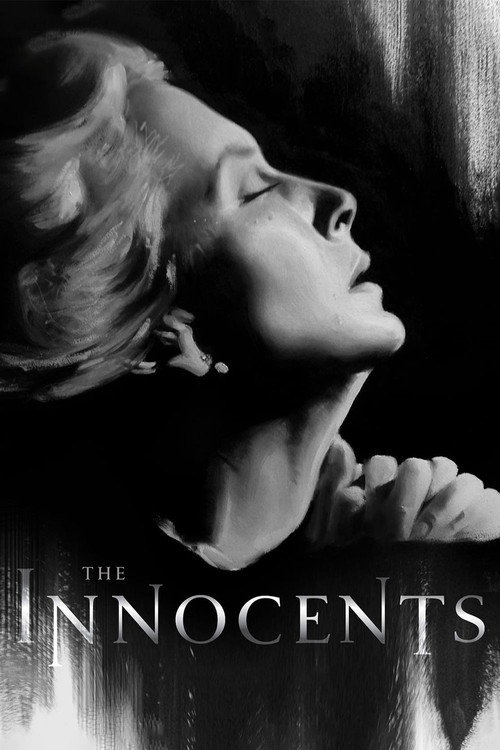
The Innocents1961
The definitive screen version of *Turn of the Screw*, brilliantly ambiguous about whether the ghosts are real or a governess's delusion. Deborah Kerr's performance anchors a masterclass in psychological horror built entirely from suggestion and light.
But The pacing is glacial by modern standards, and the film's refusal to answer its central question frustrates viewers wanting clarity.
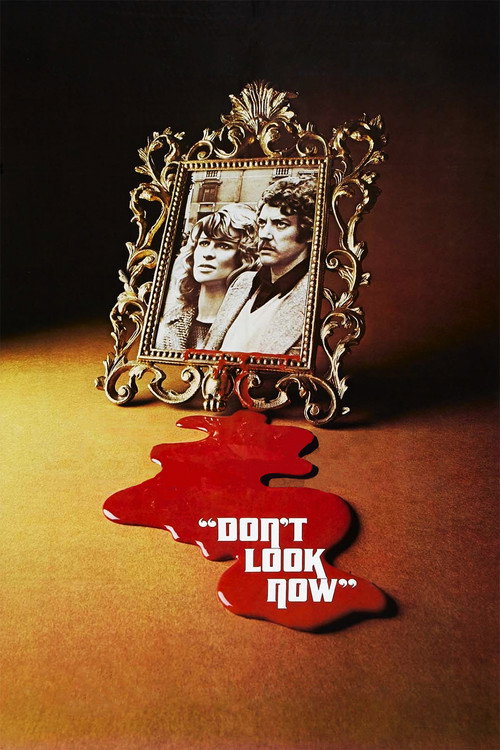
Don't Look Now1973
Nicolas Roeg's Venice-set nightmare about grief, premonition and the terrible things we glimpse in peripheral vision. Like *The Nightcomers*, it trusts the viewer to feel dread without explanation, and the final scene is unforgettable.
But It's deliberately fractured in structure and tone—some find it pretentious rather than haunting.
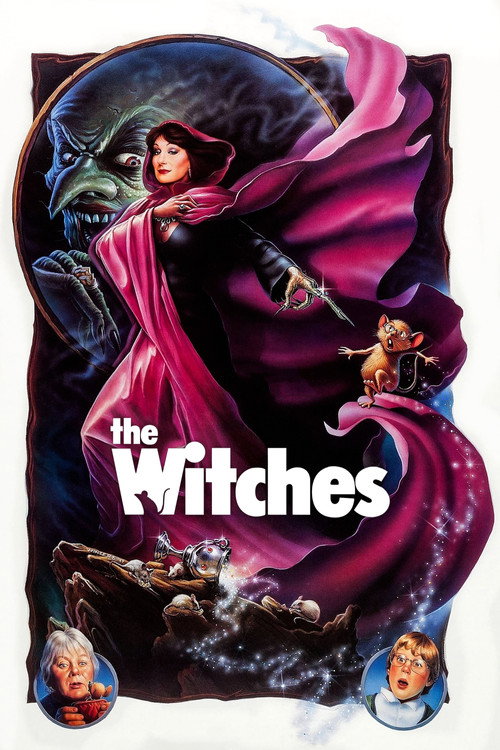
The Witches1990
Nicolas Roeg again, this time adapting Dahl with the same commitment to unsettling children and adults alike. The witches' true forms are genuinely horrifying, and the film never condescends to its young protagonist.
But It's a children's film with nightmare fuel. If you wanted whimsy over dread, the Jim Henson adaptation exists for a reason.
Not sure tonight? Get a pick in a minute, starting from The Nightcomers
The wildcard
Something you would not have found on your own.
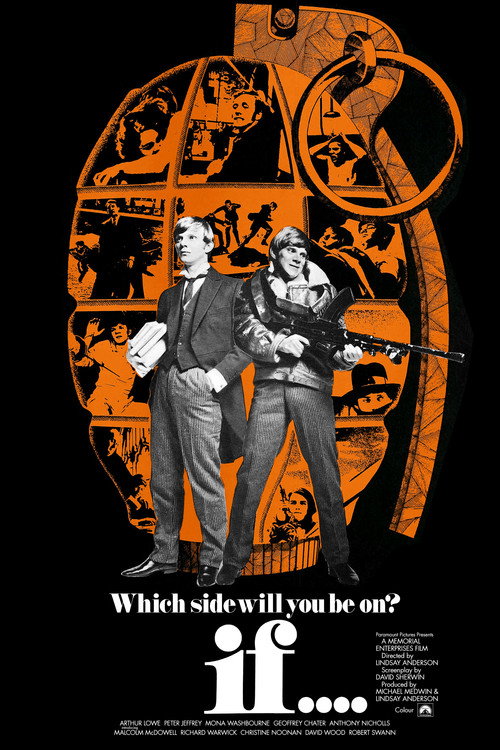
if....1968
Both films center on the corruption of children by corrupt adults, but Anderson approaches it as political allegory while Brando's film treats it as Gothic inevitability. Different genres, same moral catastrophe.
Lindsay Anderson's surrealist boarding-school revolt where violence and anarchy emerge from institutional oppression and masculine cruelty. Like *The Nightcomers*, it's about the corruption of youth and the systems that enable it, but told as fever dream rather than thriller.
But The tonal shift from realism to surrealism baffles many viewers, and the endorsement of violent uprising reads very much as a product of its era.
More like this (8)
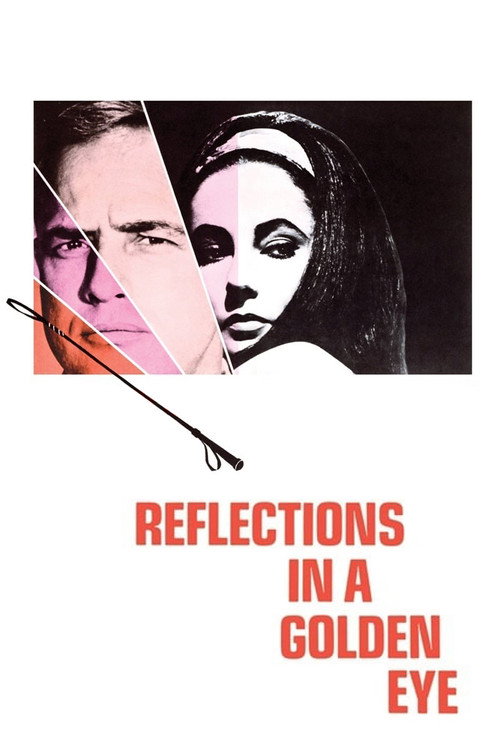
Reflections in a Golden Eye1967
Brando in a Southern gothic pressure cooker where desire and violence simmer beneath military decorum. Like *The Nightcomers*, it's about the corruption of innocence and the dangerous magnetism of a charismatic predator.
But The pacing is ponderous and the sexual content is oblique to the point of confusion for modern viewers.
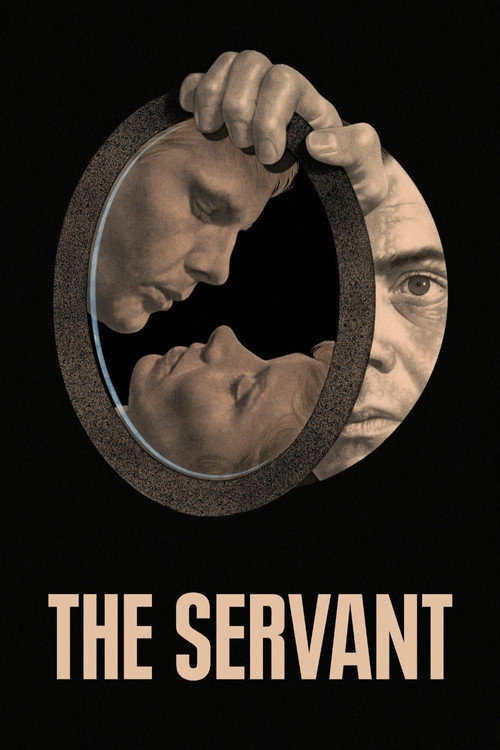
The Servant1963
Joseph Losey's masterpiece about a valet who systematically destroys his employer through manipulation and seduction. It's the template for every story about servants corrupting their masters—taut, cruel, and darkly funny.
But It's very British and very mannered; the class dynamics may feel dated to American audiences.
Mulholland Drive2001
Lynch's Los Angeles nightmare about performance, identity and the corruption that comes with fame. Like *The Nightcomers*, it's more interested in mood and moral deterioration than conventional plot.
But It's deliberately opaque and demands active interpretation. If you want answers, you won't find them.

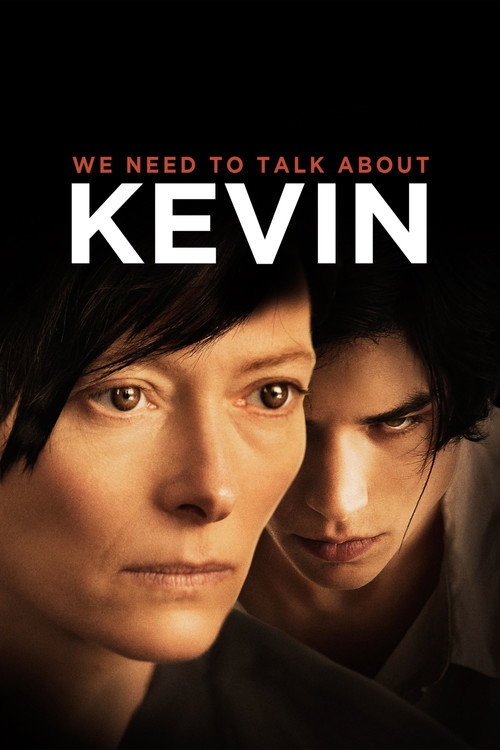
We Need to Talk About Kevin2011
Lynne Ramsay's devastating portrait of a mother grappling with her son's capacity for evil. It shares *The Nightcomers*' unflinching look at how corruption takes root and what adults miss or enable.
But It's emotionally brutal and the non-linear structure can feel mannered rather than illuminating.
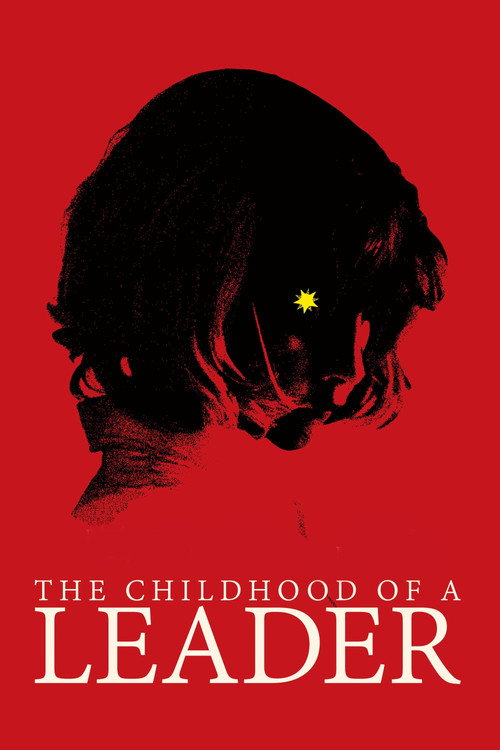
The Childhood of a Leader2016
Brady Corbet's chilling study of how a charismatic, unstable child becomes monstrous through the indulgence of weak adults. It's a slow accumulation of dread in a similar register to Brando's film.
But The pacing is glacial and the protagonist is actively dislikeable—many viewers will find it airless and pretentious.
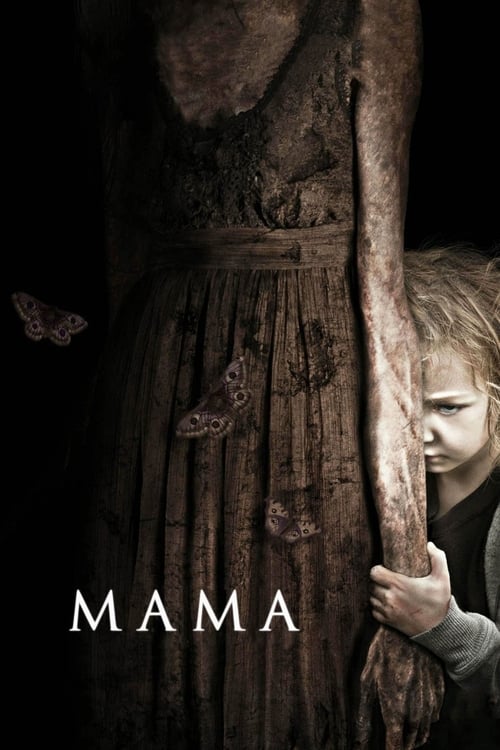
Mama2013
Andrés Muschietti's ghost story about two girls raised in isolation by a supernatural presence, exploring how love and corruption intertwine. It has the psychological complexity and emotional darkness of *The Nightcomers*.
But The third act relies on jump scares and CGI that undercut the earlier, subtler psychological horror.
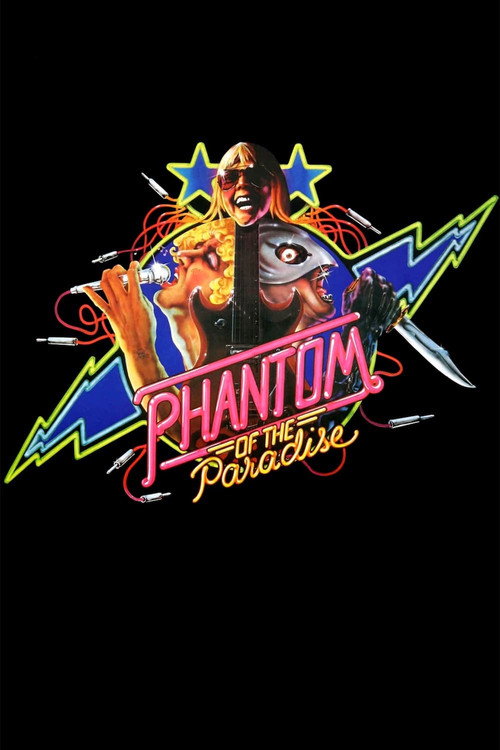
Phantom of the Paradise1974
Both use a charismatic male lead (Brando, William Finley) to seduce and destroy someone young and vulnerable. One is a thriller, one a rock opera—completely different surfaces, identical machinery underneath.
Brian De Palma's glam-rock riff on *Phantom of the Opera*, where a talented man's envy and twisted love corrupt an innocent woman. It's operatic and campy where *The Nightcomers* is Gothic, but the mechanics of seduction and self-destruction are identical.
But It's deliberately theatrical and arch—some viewers will find it too stylised to take seriously, which is exactly the point.
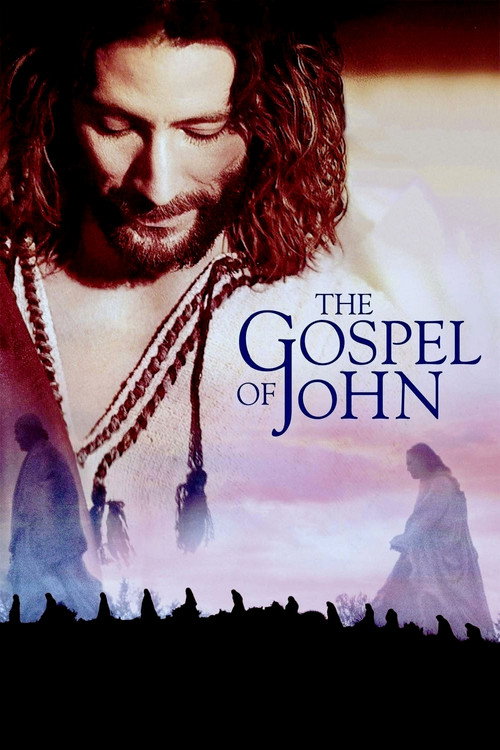
The Gospel of John2003
Both films treat intangible spiritual states—grace, corruption, presence—as cinematic events. Where *The Nightcomers* shows the visible stain of evil seeping through a household, *Gospel* shows invisible transcendence made visible through human reaction. Mirror images of the supernatural as lived experience.
Philip Saville's radically faithful dramatisation of St. John's gospel, shot entirely from the perspective of those experiencing Christ—his words, his miracles, his effect on people. It's the inverse of *The Nightcomers*: not corruption but revelation, not seduction but awakening, but told with the same unflinching commitment to spiritual experience as physical reality.
But It's 180 minutes of biblical text. Agnostics and those allergic to religious content should avoid; even believers may find the literalism austere.
People
Cast
 Marlon BrandoPeter Quint
 Stephanie BeachamMiss Jessel
 Thora HirdMrs. Grose
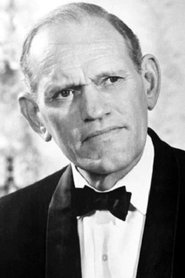 Harry AndrewsMaster of the House
 Verna HarveyFlora
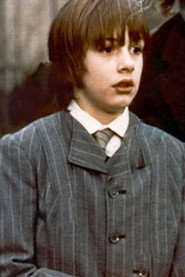 Christopher EllisMiles
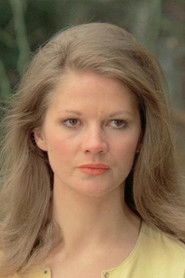 Anna PalkNew Governess
Directing
- Michael DryhurstAssistant Director
- Pamela CarltonContinuity
- Michael WinnerDirector
Writing
- Henry JamesCharacters
- Michael HastingsWriter
Production
- Alan Ladd Jr.Executive Producer
- Elliott KastnerExecutive Producer
- Jay KanterExecutive Producer
- Michael WinnerProducer
- James CrawfordProduction Manager
- Clifton BrandonProduction Supervisor