
Film
The Childhood of a Leader
- Drama
- Very dark
Brady Corbet's precise, glacial study of how cruelty becomes ideology. A pampered American boy in post-WWI France develops the habits of a dictator while his parents barely notice. Slow, visually formal, deeply uncomfortable—it's not entertainment, it's diagnosis. For viewers patient with metaphor and willing to sit with dread.
Should you watch it?
Watch it if you like slow, cold character studies that build dread through composition and a jarring soundtrack, and you don't need the plot to explain itself.
Skip it if you want the stakes, pace or warmth of a conventional drama; this is slow, stiff and withholding, and its hard-edged mood rarely loosens its grip.
What it asks of you: Just under two hours of patience with a cold, deliberately unsettling pace, plus long silences and a score that keeps you on edge.
Not sure? Find tonight's pick in a minute.
If you liked this
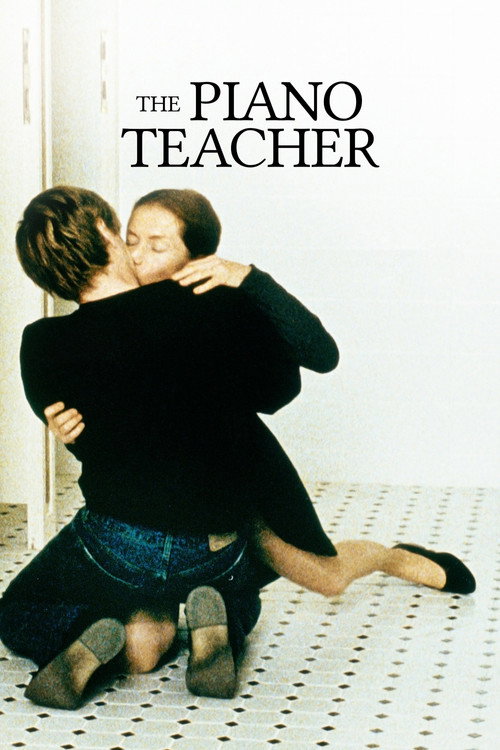
The Piano Teacher2001
Haneke's portrait of a woman's psychological damage expressed through cruelty and control, rendered with the same methodical precision and moral clarity. Both films diagnose pathology without flinching.
But Sexually explicit and emotionally brutal in ways that feel punishing rather than illuminating. Some will find it gratuitous.
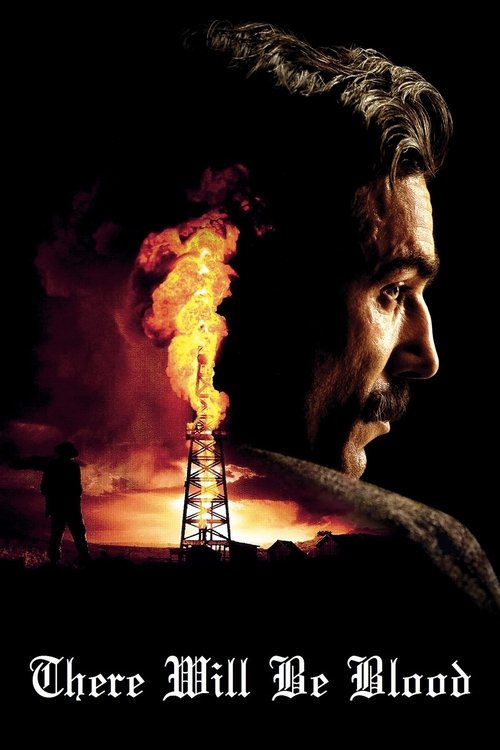
There Will Be Blood2007
A monster's rise told through gorgeous, measured filmmaking. Paul Thomas Anderson shows how ambition and narcissism metastasize into something inhuman, much like Corbet's fascination with power's genesis.
But Nearly three hours of men scheming and growling. It prioritizes atmosphere and character over plot momentum.
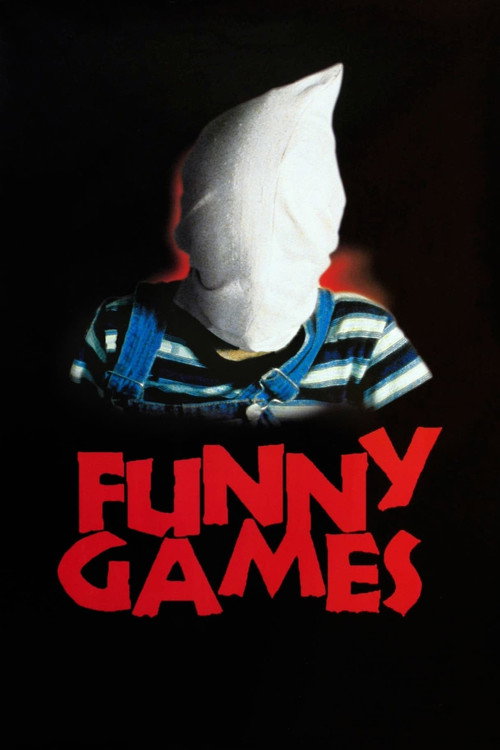
Funny Games1997
Haneke's other masterpiece about the banality of evil and how power play disguises itself. Like *Childhood*, it refuses to look away or offer catharsis. Both implicate the viewer.
But Extremely upsetting depiction of violence against a family. It's designed to make you uncomfortable, which some viewers will resent.
Not sure tonight? Get a pick in a minute, starting from The Childhood of a Leader
The wildcard
Something you would not have found on your own.
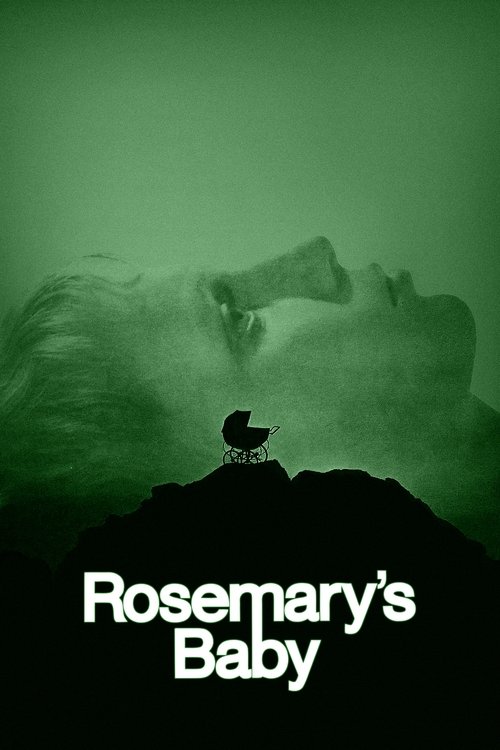
Rosemary's Baby1968
Both use a child's eyes to defamiliarize adult spaces, making the ordinary sinister. Both suggest that evil isn't theatrical—it's bureaucratic and banal.
Polanski makes paranoia visual in a way that mirrors Corbet's method—a child's perception of sinister adult rituals and hidden agendas. Both films ask what children absorb when no one's watching.
But A 1970s thriller with dated gender politics and a finale that some find anticlimactic. The horror is largely psychological rather than visceral.
More like this (8)
Under the Skin2014
Jonathan Glazel's alien coldness and visual control creates dread through abstraction and silence. Both films use formal distance to make moral corruption visible rather than explain it.
But Deliberately obscure with minimal dialogue. If you need plot clarity and emotional accessibility, this will frustrate you.

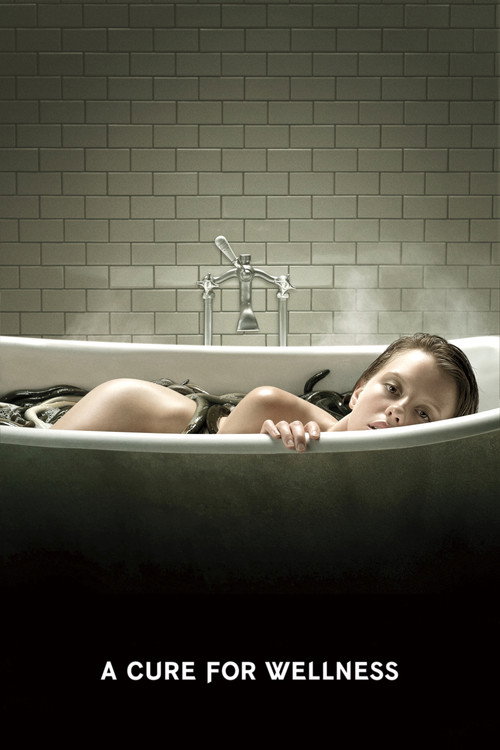
A Cure for Wellness2017
Gore Verbinski's fever dream about power, manipulation, and the corruption that hides behind institutional propriety. Visually sumptuous and psychologically baroque where *Childhood* is austere.
But Two and a half hours of elaborately paranoid excess. The style overwhelms substance, and it doesn't quite earn its ambition.
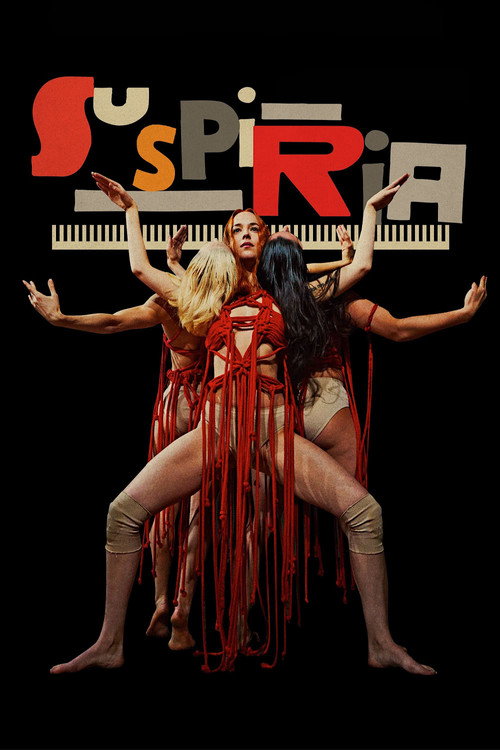
Suspiria2018
Luca Guadagnino's exploration of authority, control and how charisma masks evil. Both films use formal, almost balletic control to visualize psychological corruption.
But Deliberately obscure arthouse filmmaking that prioritizes mood over clarity. The three-hour runtime doesn't always justify itself.
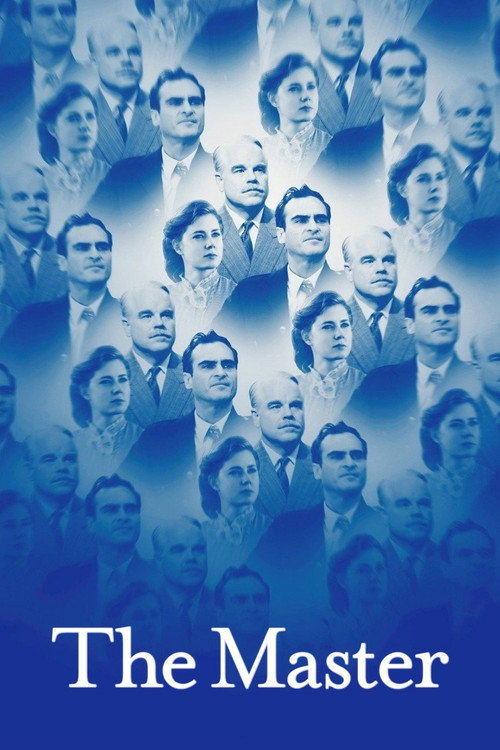
The Master2012
Paul Thomas Anderson again—a hypnotic study of how ideology spreads through personal magnetism and need. Like *Childhood*, it asks why we surrender to powerful men.
But Joaquin Phoenix gives a performance so mannered it verges on parody. The narrative structure is deliberately fragmented and elusive.
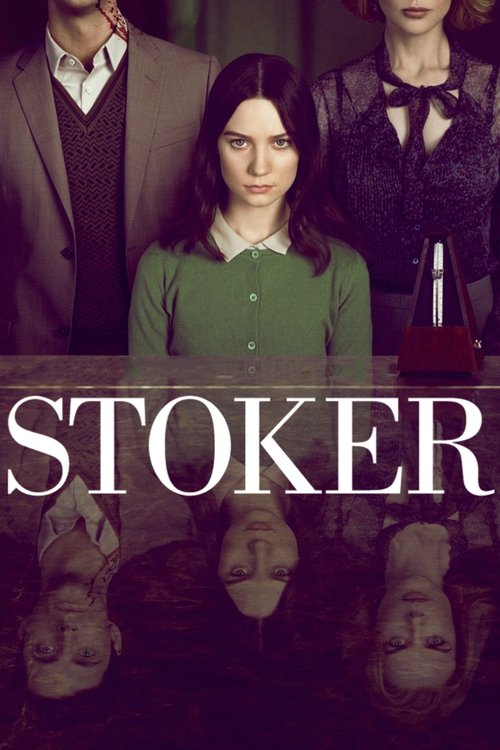
Stoker2013
Park Chan-wook's controlled, sensual film about how desire and violence intertwine, and how family complicity enables predation. The visual precision echoes Corbet's command.
But Gothic melodrama that sometimes sacrifices psychological truth for elegant composition. The twists feel occasionally more clever than earned.
A Prophet2009
Audiard's portrait of how a vulnerable young man becomes powerful by learning the language of violence and manipulation. Both films track the construction of a monster with unflinching clarity.
But French prison drama that's brutal and lengthy. The pacing is deliberate to the point of exhaustion for some viewers.

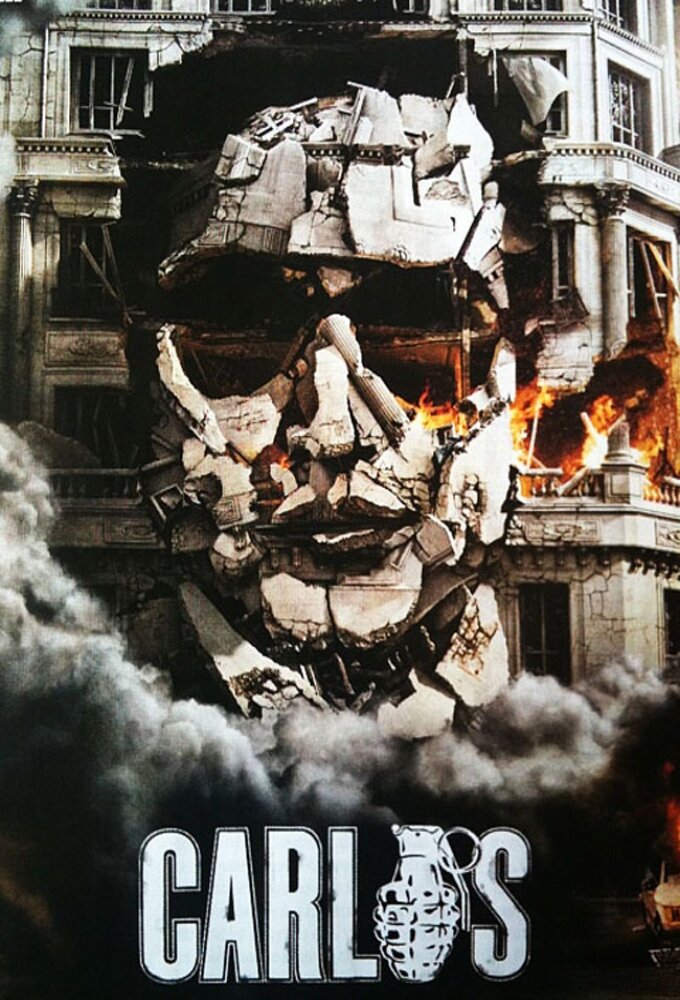
Carlos2010
Both film the birth of a leader/ideologue with scrupulous attention to how charm, circumstance and psychological need create monsters. Neither offers moral comfort.
Olivier Assayas's five-and-a-half hour biographical epic traces the formation of a terrorist as a young, charismatic man. It's a darker mirror of *Childhood*—ideology as seduction, captured with total intimacy and zero judgment.
But Nearly feature-film length, episodic and exhausting. Based on a historical figure you may not know and may not care about. Requires extraordinary patience.
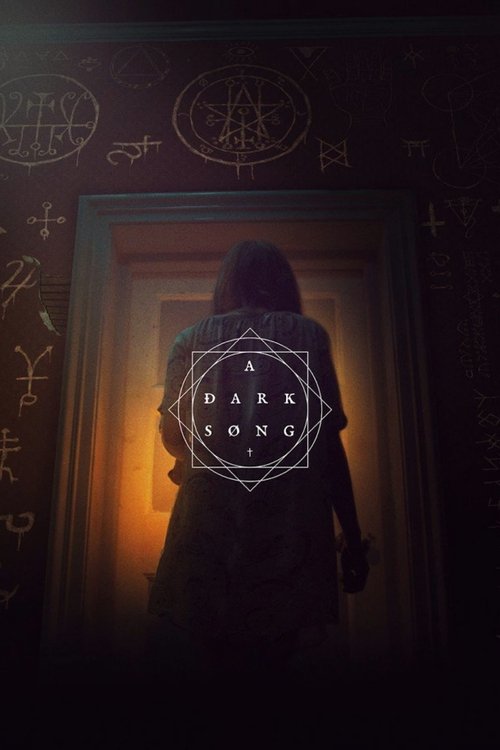
A Dark Song2016
Cunningham's presence links them, but more importantly: both examine how authority figures exploit need, and how proximity to power corrupts. One does it in drawing rooms; one in a cottage. Both are pitiless.
Liam Cunningham (the father here) anchors this haunted, intimate chamber film about despair and spiritual manipulation. It's the exact opposite register—vulnerable rather than controlled—but explores the same power dynamics.
But A two-character film in one location with barely any plot. It's slow spiritual meditation rather than drama. Some will find it maudlin.
People
Cast
 Bérénice BejoThe Mother
 Liam CunninghamThe Father
 Stacy MartinAdelaide / The Teacher
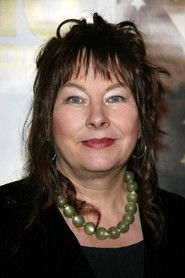 Yolande MoreauThe Maid
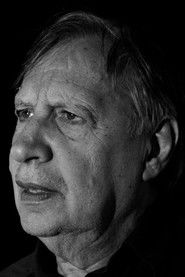 Jacques BoudetThe Priest
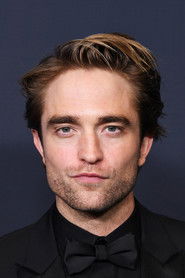 Robert PattinsonCharles Marker / The Leader
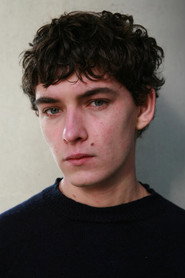 Tom SweetPrescott, the Boy
 Sophie Lane CurtisLaura
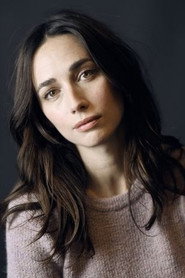 Rebecca DayanEdith
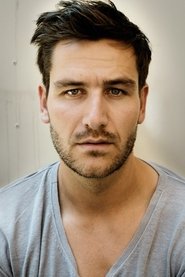 Michael EppEconomist
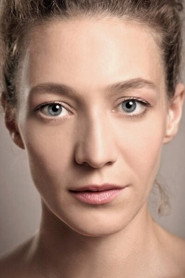 Pető KataHousemaid
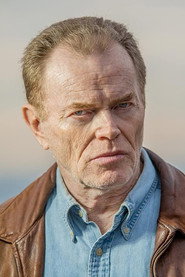 Mark PhelanMr. Advisor
Directing
- Brady CorbetDirector
- Judit SoltészFirst Assistant Director
- Dóra SimkóScript Supervisor
- Roxana SzariszSecond Assistant Director
- Szonja SzekerákSecond Assistant Director
Writing
- Brady CorbetScreenplay
- Mona FastvoldScreenplay
- Jean-Paul SartreShort Story
Production
- Des HamiltonCasting
- Katalin BaranyiCasting
- Lara ManwaringCasting Associate
- Rachel DesmarestCasting Consultant
- Geneviève LemalCo-Producer
- Megan WynnCo-Producer
- Nicolas RonchiConsulting Producer
- Aaron L. GilbertExecutive Producer
- Brian YoungExecutive Producer
- Jason ClothExecutive Producer
- Lee StoneExecutive Producer
- Matthew PerniciaroExecutive Producer
- Michael ShermanExecutive Producer
- Patrick MurrayExecutive Producer
- Hanga KuruczLine Producer
- Antoine de Clermont-TonnerreProducer
- Brady CorbetProducer
- Chris CoenProducer
- Helena DanielssonProducer
- István MajorProducer
- Mona FastvoldProducer
- Ron CurtisProducer
Recommended by
Great Expectations, My Friend Dahmer, About a Girl, Crush, Violette, The Nightcomers, Albatross, The Reflecting Skin, Long Lost Family