
Film
The Reflecting Skin
- Horror
- Very dark
A 1990 fever dream set in 1950s Idaho where a boy becomes convinced his neighbour is a vampire. Philip Ridley's debut is visually baroque and deeply unsettling—less a horror film than a portrait of childhood grief and dread. It's hypnotic and strange, for viewers patient with mood over plot.
Should you watch it?
Watch it if you love films that feel like a fever dream seen through a child's eyes, where sun-bleached wheat fields and creeping menace carry more weight than plot, and you don't mind being unsettled.
Skip it if you need a brisk story with clear answers, since this drifts in slow, hazy stretches and leaves much of its logic unexplained on purpose.
What it asks of you: At ninety-five minutes, it moves at the pace of a held breath, with long still shots and sun-bleached days that reward patience and a willingness to sit with dread.
Not sure? Find tonight's pick in a minute.
If you liked this
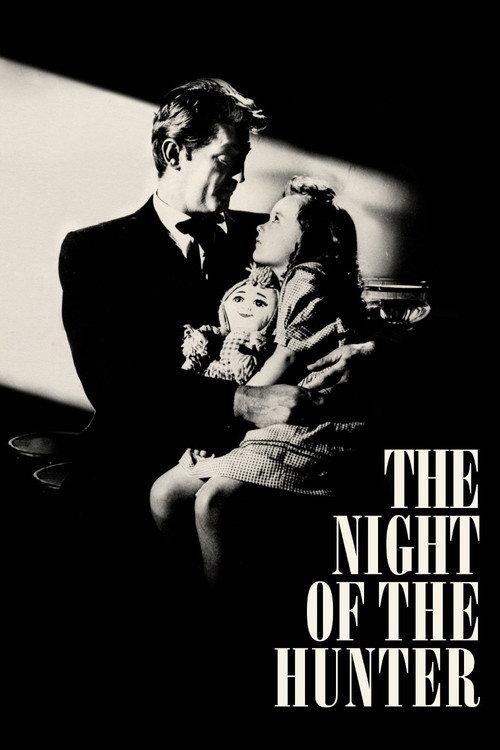
The Night of the Hunter1955
Charles Laughton's only directorial effort is a masterpiece of American Gothic. Black-and-white cinematography that's almost as warped and symbolic as Ridley's colour palette; same sense of a child trapped between forces they can't name.
But It's slower than modern thrillers and the theatrical style of acting can feel dated. The darkness is relentless.
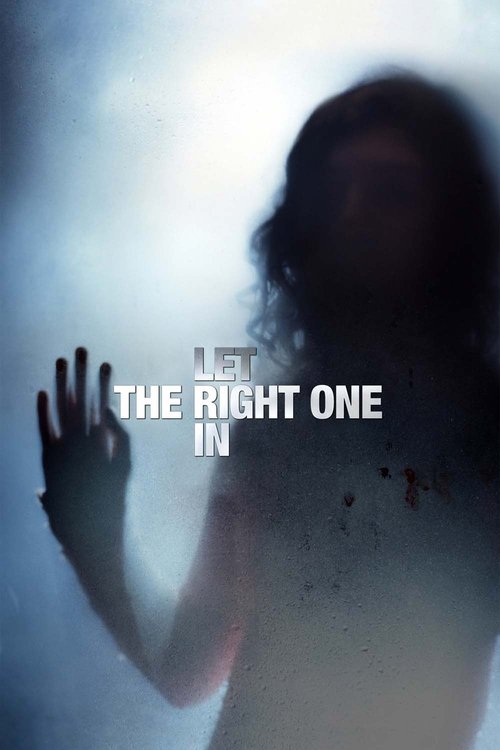
Let the Right One In2008
A vampire story built on emotional devastation rather than scares. A lonely boy, a lonely vampire, winter isolation, and a moral ambiguity that never resolves. Beautifully shot and genuinely melancholic where it matters most.
But The pacing is deliberate and glacial. If you want action or traditional scares, this will frustrate you.
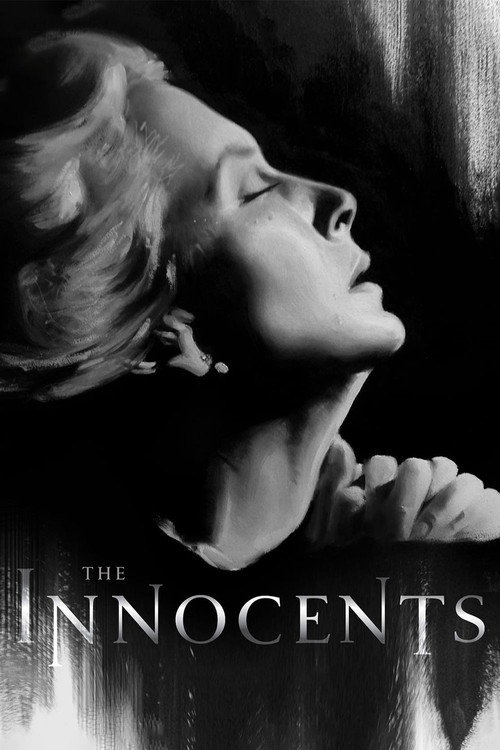
The Innocents1961
Jack Clayton's adaptation of *The Turn of the Screw* captures the same queasy uncertainty about what's real. Is it supernatural horror or psychological breakdown? The film never tells you, and that ambiguity is the point.
But It's in black-and-white and British, which means restraint. The horror lives in suggestion and you have to meet it halfway.
Not sure tonight? Get a pick in a minute, starting from The Reflecting Skin
The wildcard
Something you would not have found on your own.
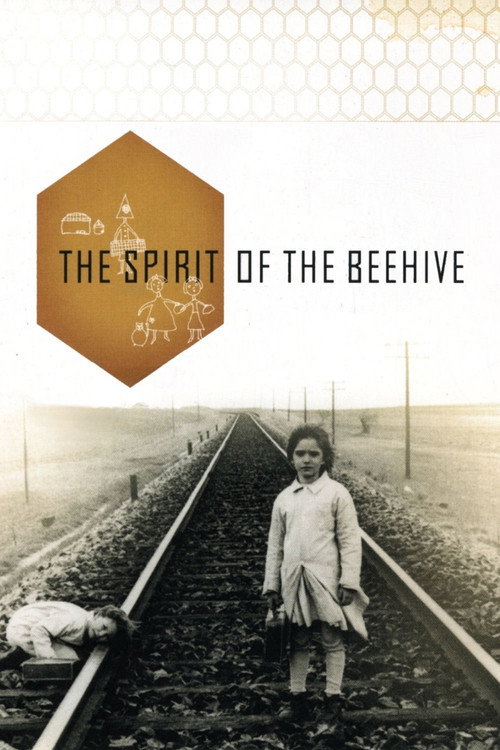
The Spirit of the Beehive1973
Both films are about children processing the adult world through mythmaking and cinema itself. Both use a mysterious figure—real or imagined—to explore how children construct meaning from fear and loneliness.
Víctor Erice's Spanish masterpiece follows a girl obsessed with *Frankenstein*, convinced a fugitive is the monster. It's a meditation on how cinema shapes childhood imagination and the line between fantasy and reality—the *exact* engine as *The Reflecting Skin*, just using film-within-film rather than folk horror.
But It's a 1973 Spanish film that moves at its own pace. If you need narrative momentum or contemporary pacing, it will test you.
More like this (8)
Come and See1985
Elem Klimov's Soviet masterpiece about a boy witnessing war is equally about the corruption of innocence. It has the same visual intensity as *The Reflecting Skin* and the same refusal to look away from childhood trauma.
But This is one of the most harrowing films ever made. It's not entertainment; it's an endurance test. Only watch if you're ready for it.

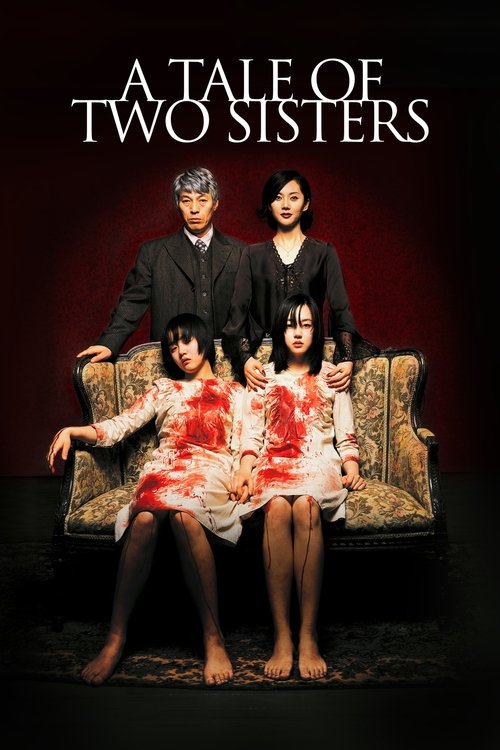
A Tale of Two Sisters2003
A Korean horror film that's really a trauma narrative. Beautiful, dreamlike cinematography and a slow reveal that recontextualizes everything. It trusts you to piece together what's happening without spelling it out.
But The plot can feel scattered on first viewing and the pacing is glacial. Some will find it pretentious or too elliptical.
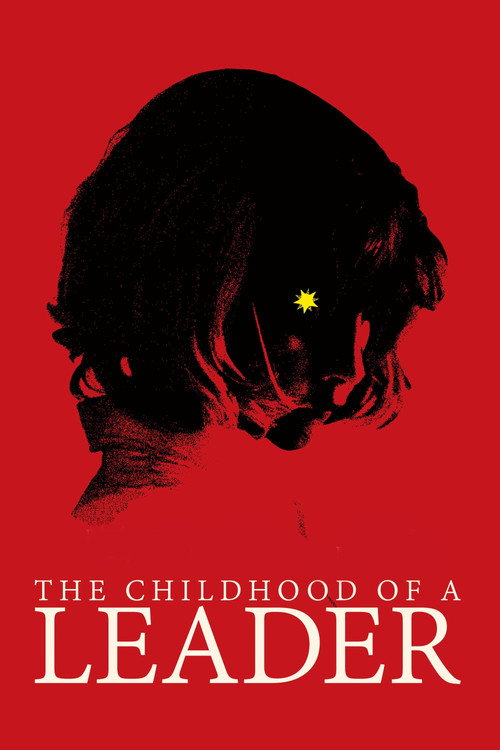
The Childhood of a Leader2016
Brady Corbet's debut is a portrait of a boy's psychological corruption in 1920s France. Visually baroque and deeply disturbing in ways that are more emotional than narrative. It's about power, cruelty, and how evil grows.
But It's deliberately opaque and the narrative is fragmentary. If you need clear storytelling, this will exhaust you.
Mulholland Drive2001
David Lynch's LA nightmare is formally daring and visually intoxicating. Like *The Reflecting Skin*, it trusts the viewer to navigate dream logic and refuses straightforward explanation. The mood is hypnotic and deeply wrong.
But It's three hours and deliberately confusing. The second half abandons conventional narrative entirely. Many find it maddening rather than rewarding.

The Ballad of Little Jo1993
Maggie Greenwald's Western is quiet and strange, set in 1860s frontier Idaho. It shares *The Reflecting Skin's* isolation and its willingness to make America look bleak and dreamlike rather than romantic.
But It's slow and genuinely odd in ways that can feel purposeless. The tone is austere and there's no dramatic payoff in the traditional sense.

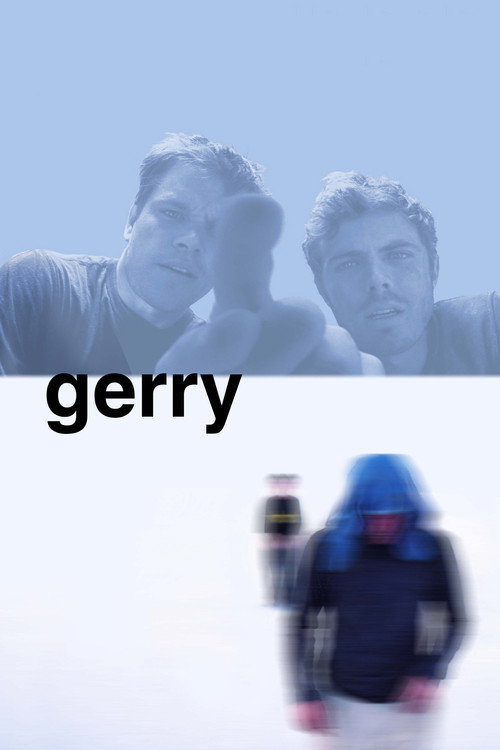
Gerry2002
Gus Van Sant's film about two boys getting lost in the desert is hypnotic and formally radical. It's concerned with mood and visual language over plot, and it builds an uncanny dread through repetition and landscape.
But Ninety minutes of two people walking in the desert with minimal dialogue. It's experimental and patience with form is not negotiable.
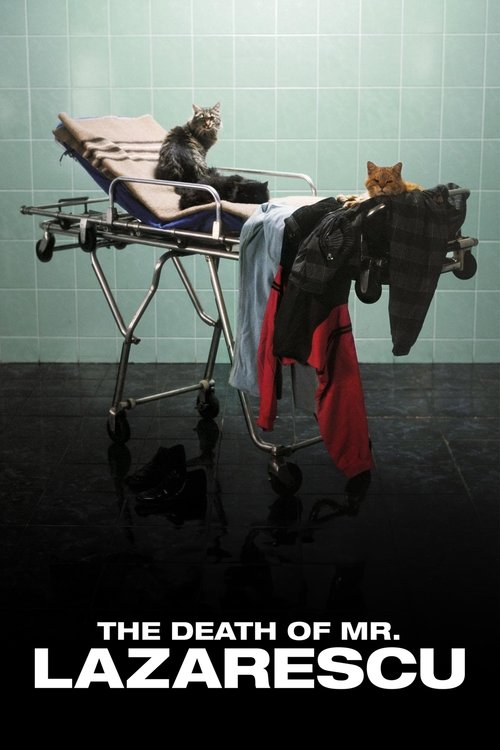
The Death of Mr. Lazarescu2005
Both films treat vulnerability and mortality with visual poetry rather than sentimentality. Both refuse the comfort of conventional narrative and trust viewers to sit in discomfort.
Cristi Puiu's Romanian film is a four-hour portrait of an old man dying alone in a hospital. It sounds bleak but it's oddly meditative and filled with gallows humour. It shares *The Reflecting Skin's* refusal to flinch from human suffering and its visual precision in capturing dread through stillness.
But It's four hours and you watch a man deteriorate. There's no catharsis, no neat resolution, and the pacing is glacial. Emotionally draining in a way that requires real commitment.
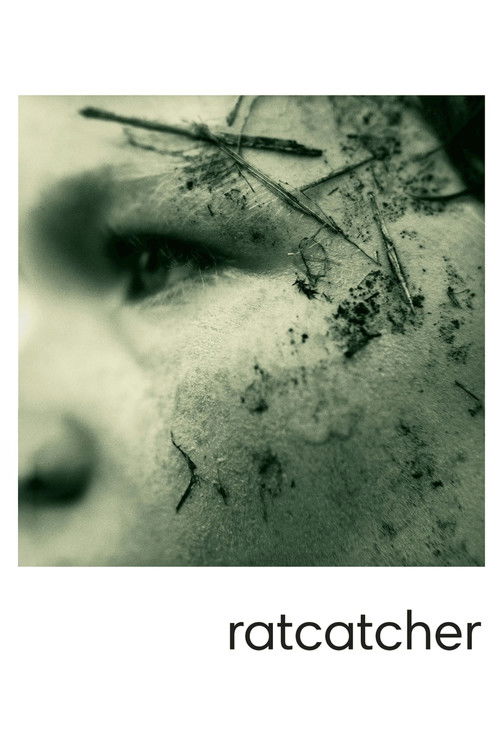
Ratcatcher1999
Both films use stylized cinematography and dreamlike editing to express a child's internal emotional state rather than external plot. Both treat urban/rural isolation as a character itself and suggest that dread is often about class and powerlessness.
Lynne Ramsay's debut about a boy in working-class Glasgow during a garbage strike is formally bold and deeply strange. It shares *The Reflecting Skin's* baroque visual language and its concern with childhood trauma and social violence. Stunning and bruising.
But It's bleak and the tone is deliberately disorienting. The narrative doesn't follow conventional logic and some will find it self-consciously artistic or too formally demanding.
People
Cast
 Viggo MortensenCameron Dove
 Lindsay DuncanDolphin Blue
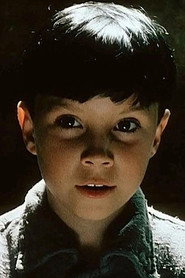 Jeremy CooperSeth Dove
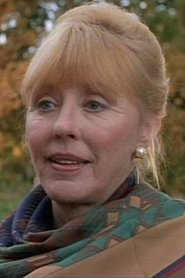 Sheila MooreRuth Dove
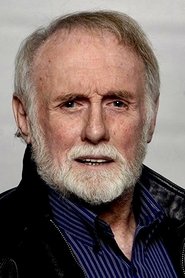 Duncan FraserLuke Dove
 David LongworthJoshua
 Robert KoonsSheriff Ticker
- David BloomDeputy
- Evan HallKim
- Sherry BieCassie
- Jason WolfeCadillac Driver
Directing
- Philip RidleyDirector
- Karen BédardScript Supervisor
Writing
- Philip RidleyScreenplay
Production
- Therese ReinschCasting
- Victoria ThomasCasting
- Diane RobertsCo-Producer
- Jim BeachExecutive Producer
- Les KimberLine Producer
- Dominic AncianoProducer
- Ray BurdisProducer
- Les KimberProduction Manager