
Film
The Story of Ruth
A 1960 biblical drama following Ruth, a Moabite widow who chooses loyalty to her mother-in-law Naomi over her own security, journeying to Israel to build a new life. Handsomely mounted with 1950s Hollywood conviction, it moves from grief through hardship to redemption with genuine emotional weight. For viewers who appreciate classical storytelling and faith-centered narratives told without irony.
Should you watch it?
Watch it if you love old-fashioned Hollywood epics where the scale stays human and the faith feels sincere, and you don't mind a stately pace that lets a loyalty story breathe.
Skip it if you want a lean, modern drama; this is a 132-minute pageant of costume, sermon-like dialogue and sweeping studio staging that can feel more devout than dramatic.
What it asks of you: Settle in for over two hours of unhurried travel, grief and quiet persuasion, with big set pieces arriving slowly and emotion built through long, formal exchanges rather than quick cuts.
Not sure? Find tonight's pick in a minute.
If you liked this
Ben-Hur1959
Epic biblical drama with the same earnest grandeur and Technicolor sweep as Ruth. Chariot races and moral conviction, a spectacle that takes its spiritual themes seriously and earns them.
But Nearly four hours long, and its pacing reflects the 1950s idea of how slowly important stories should unfold. The scale may feel remote.

The Greatest Story Ever Told1965
Another vast biblical adaptation from the same era, built on the same foundation of reverential storytelling and classical Hollywood craft. Similar emotional sincerity about faith and sacrifice.
But Even more unwieldy than Ben-Hur, and some find its reverence dated or its tone ponderous. The cast is enormous but oddly distant.

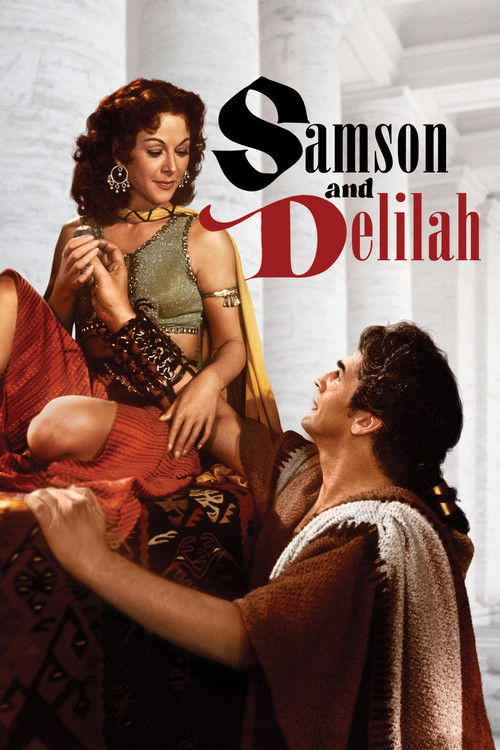
Samson and Delilah1949
Cecil B. DeMille's lush biblical spectacle shares Ruth's commitment to faith-based narrative and Old Testament drama. Hedy Lamarr and Victor Mature embody the same epic sincerity.
But DeMille's particular style—bombastic, sometimes camp—is very much on display. It's less intimate than Ruth, more about spectacle than character.
Not sure tonight? Get a pick in a minute, starting from The Story of Ruth
The wildcard
Something you would not have found on your own.
A Prophet2009
Ruth and A Prophet share a structural core: a stranger enters a hostile world and earns respect through unwavering principle. One is biblical, one is contemporary realism, but the moral engine is identical.
Contemporary French prison drama about a young man learning survival and dignity through loyalty and moral choice. The arc mirrors Ruth's journey—outsider, vulnerable, building something unbreakable through integrity.
But It's brutal, sometimes ugly, and set in modern France. No spiritual comfort; instead, hard-won humanity in brutal circumstances.

More like this (7)
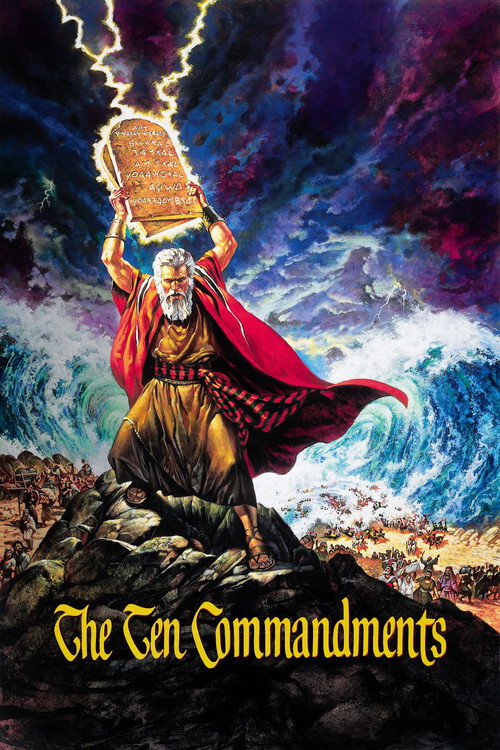
The Ten Commandments1956
Another DeMille biblical epic with the same production values and moral clarity. If you respond to Ruth's storytelling register, this operates in the same confident mode.
But Three and a half hours of DeMille's very particular vision. The famous parting of the Red Sea is a marvel, but it overshadows intimate moments.
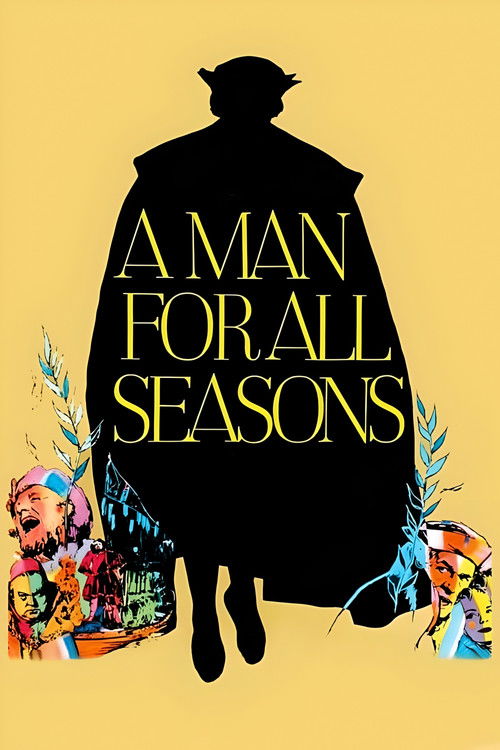
A Man for All Seasons1966
Not biblical, but cut from identical cloth: historical drama about conscience, loyalty, and faith. Paul Scofield's performance has the same quiet conviction Ruth brings to her moral choice.
But It's a debate dressed as a film—talk-heavy, deliberately paced. No spectacle; all principle. Some find that austere.
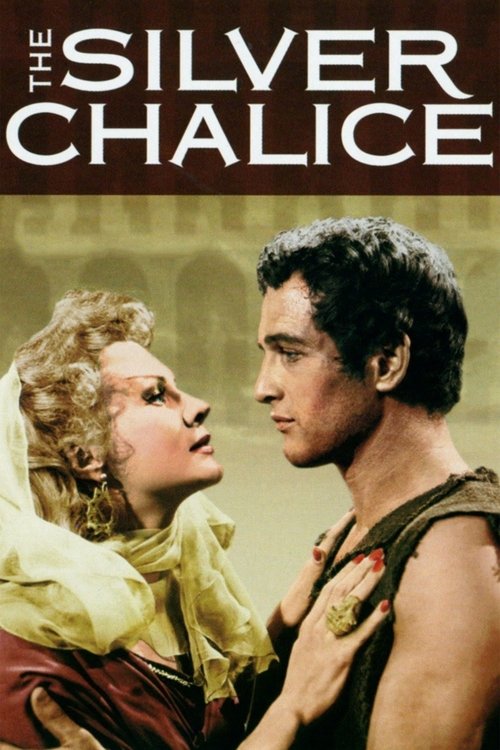
The Silver Chalice1954
Early biblical drama with Newman in a role he later disowned. Genuine attempt at serious Christian storytelling with the same production design aesthetic as Ruth.
But Uneven in execution; Newman himself hated it. It wears its age and its earnestness sometimes curdles into unintention.
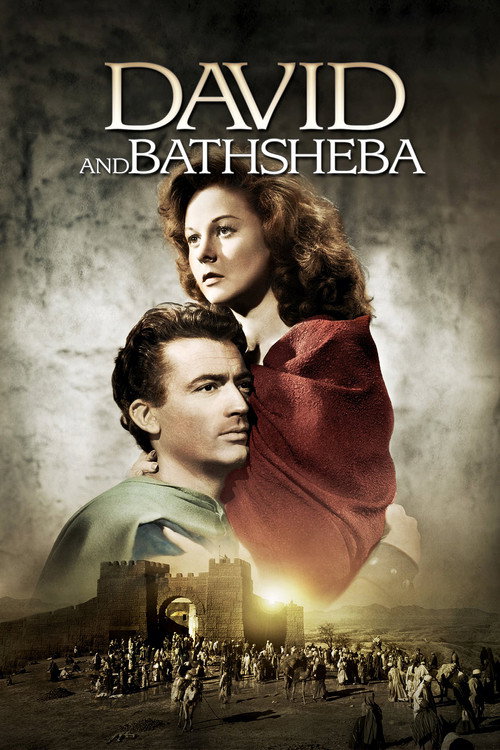
David and Bathsheba1951
Gregory Peck in another Old Testament story, with the same commitment to moral weight and period drama. Strong female lead, biblical stakes, 1950s Hollywood sincerity.
But Melodramatic in places and leaning on love story rather than faith. Some find the gender dynamics dated.
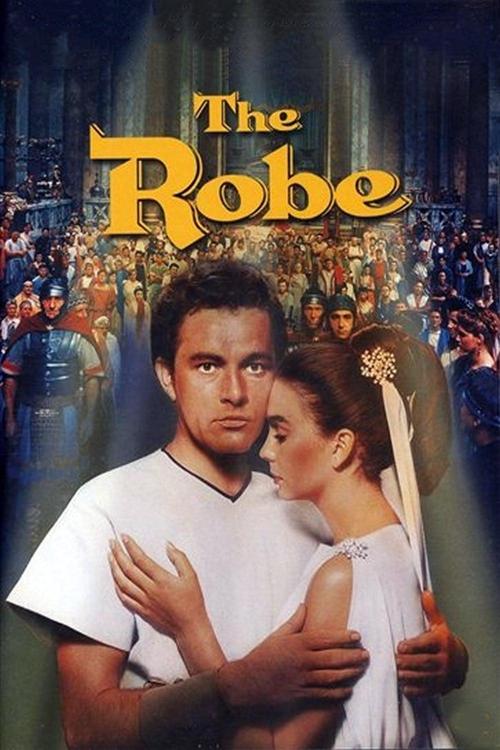
The Robe1953
Early Cinemascope biblical epic. If you're drawn to this era's approach to faith narratives—grand, unglib, visually generous—this is a foundational example.
But Very much a product of its moment and its theology. The pacing is glacial by modern standards, and the plot occasionally feels thin.
Quo Vadis1951
Roman-era historical epic with biblical backdrop. Shares Ruth's investment in character-driven faith narrative and the same production era's particular visual language.
But Even more sprawling and less focused on individual journeys. The spectacle often overwhelms the human story.

Wendy and Lucy2008
Ruth and this share an invisible throughline: watching someone choose integrity and connection over self-interest, filmed with such tenderness that small choices become heroic. Ruth finds God; Wendy finds Lucy. Same shape, different language.
Kelly Reichardt's quiet film about a woman and her dog struggling through economic collapse. Like Ruth, it's about endurance, loyalty, and finding grace in hardship. No drama, just the texture of survival and dignity.
But Minimalist to the point of constraint. Nothing happens; things simply persist. If you need narrative momentum or resolution, this offers neither.

People
Cast
 Elana EdenRuth
 Stuart WhitmanBoaz
 Tom TryonMahlon
 Peggy WoodNaomi
 Viveca LindforsEleilat
 Jeff MorrowTob
 Thayer DavidHedak
 Les TremayneElimelech
 Eduard FranzJehoam
 Leo FuchsSochin
 Lily ValentyKera
 John GabrielChilion