
Film
Golgotha
- Drama
- Very dark
A 1935 French epic dramatizing Jesus's final days in Jerusalem, told with the scale and conviction of silent cinema but with sound. Director Julien Duvivier treats the Passion as political tragedy—a clash of authority, faith, and human weakness. It's austere and genuinely moving, made by filmmakers who believed what they were filming.
Should you watch it?
Watch it if you are drawn to slow, reverent passion plays and enjoy seeing a familiar story staged with painterly, theatrical weight, the way early sound-era European cinema handled sacred subjects.
Skip it if you want a brisk, modern retelling; this 1935 French production moves at a stately, stage-bound pace with heavy declamation and studio sets that can feel static.
What it asks of you: It runs about ninety-five minutes and asks you to settle into long, deliberate scenes of talk and tableau, with little visual momentum and a good deal of patience for old-fashioned acting.
Not sure? Find tonight's pick in a minute.
If you liked this
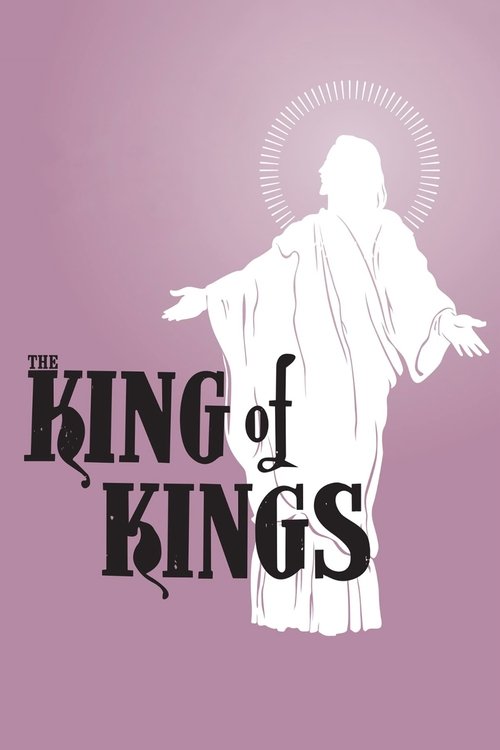
The King of Kings1927
Cecil B. DeMille's silent Passion play has the same grandeur and moral seriousness as Golgotha, with equally stunning crowd scenes and a Jesus who feels like a man among men rather than an icon.
But Its scale can feel operatic rather than intimate; some find the spectacle at odds with the story's spiritual weight.
Intolerance: Love's Struggle Throughout the Ages1916
D.W. Griffith's epic interweaves the Crucifixion with three other historical moments of religious persecution. It's a staggering formal achievement and shares Golgotha's conviction that Christ's suffering matters because all suffering matters.
But It's nearly four hours, silent, and Griffith's editing style can feel exhausting if you're not already sympathetic to early cinema.

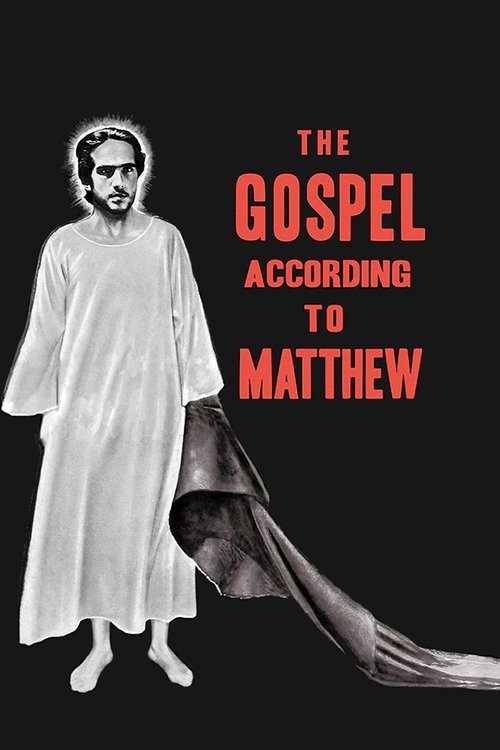
The Gospel According to St. Matthew1965
Pier Paolo Pasolini's austere, documentary-like account treats the Passion with radical simplicity. No music, no sweetness—just people and landscape and the unadorned text. Hypnotic and unsettling.
But Its severity and lack of conventional drama or emotional scoring will feel cold to many viewers; it's deliberately withholding.
Not sure tonight? Get a pick in a minute, starting from Golgotha
The wildcard
Something you would not have found on your own.
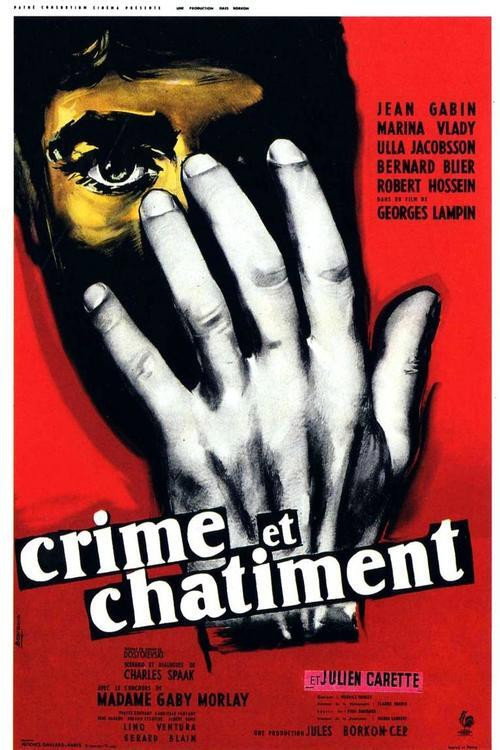
Crime and Punishment1956
Both films are obsessed with suffering as a path to grace. Where Golgotha shows suffering imposed from outside, Kulidzhanov shows suffering as the only route to redemption—the same spiritual logic, inverted.
Lev Kulidzhanov's Soviet adaptation of Dostoevsky is a psychological drama about guilt, redemption, and the possibility of spiritual transformation. It has the weight and moral seriousness of Golgotha but set in urban Russia with a protagonist who is neither saint nor savior.
But It's oblique and introspective where Golgotha is narrative and visual; if you want spectacle or external action, you won't find it here.
More like this (7)
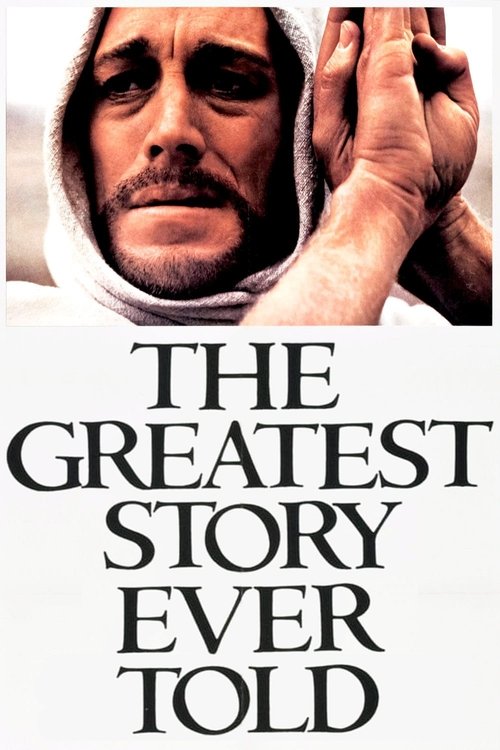
The Greatest Story Ever Told1965
George Stevens's sprawling epic has extraordinary visual beauty and a dream-logic quality. It captures something of Golgotha's sense that these events happen in a landscape, not just a story.
But It's long, slow, and some of the celebrity casting feels like stunt-casting; the pacing tests patience even by epic standards.
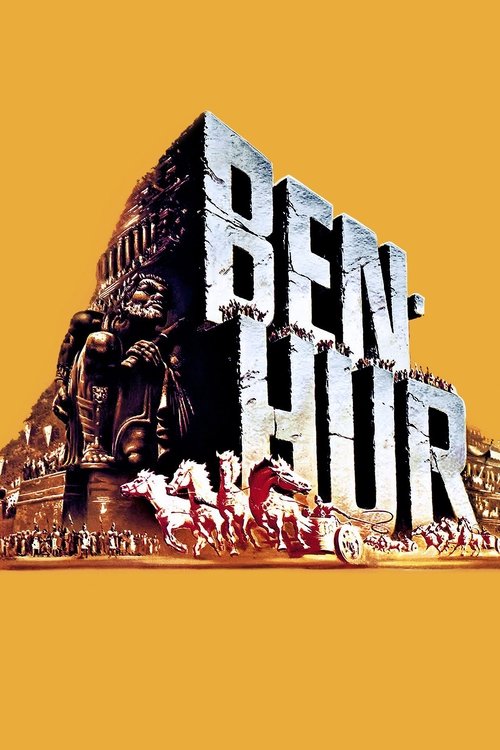
Ben-Hur1959
William Wyler's mesmerizing epic uses the Crucifixion as a backdrop to explore faith, revenge, and redemption. The chariot race is legendary, but the quieter scenes of moral reckoning are what stay with you.
But At over three and a half hours, it's a commitment; some find the spectacle overwhelming the character work.
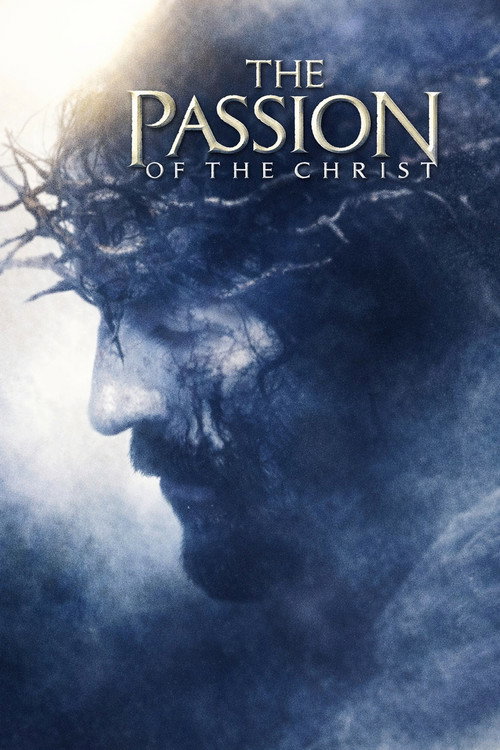
The Passion of the Christ2004
Mel Gibson's visceral, intensely physical account of the final hours is uncompromising in its focus on suffering and sacrifice. It's a Passion play in the most literal sense—a meditation on pain and faith.
But Its graphic violence troubles many viewers; others find its interpretation of the Passion divisive or theologically narrow.
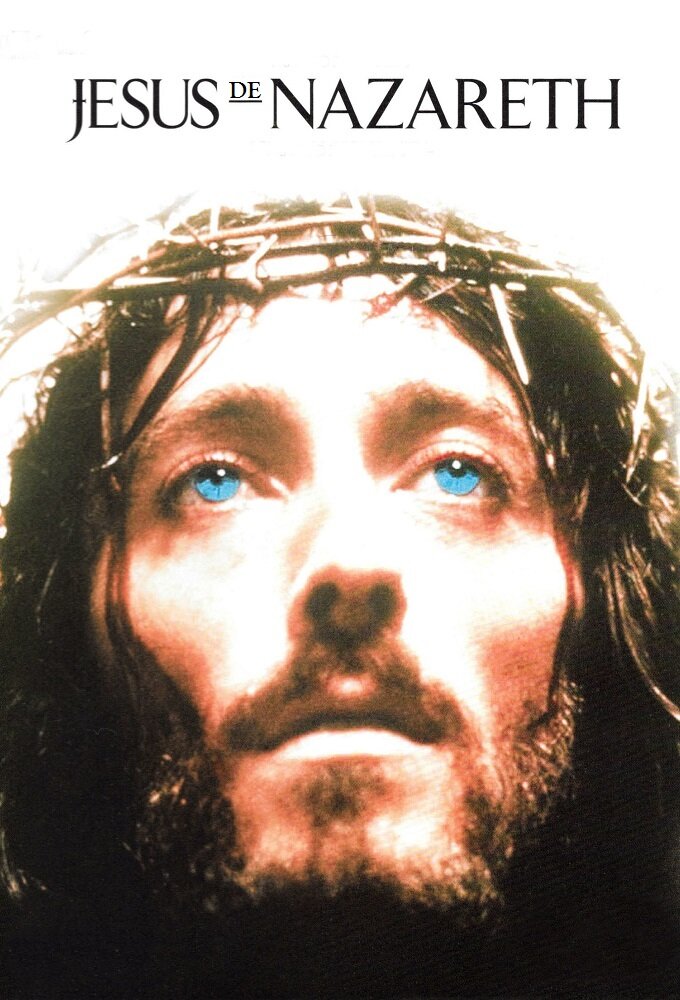
Jesus of Nazareth1977
Franco Zeffirelli's six-hour miniseries treats the life and death of Jesus with humanist warmth and formal elegance. It moves between intimacy and spectacle with rare skill; Robert Powell's performance is genuinely moving.
But Its gentleness and conventional piety will feel sentimental to some; the production design, though sumptuous, is sometimes more 1970s than 1st century.
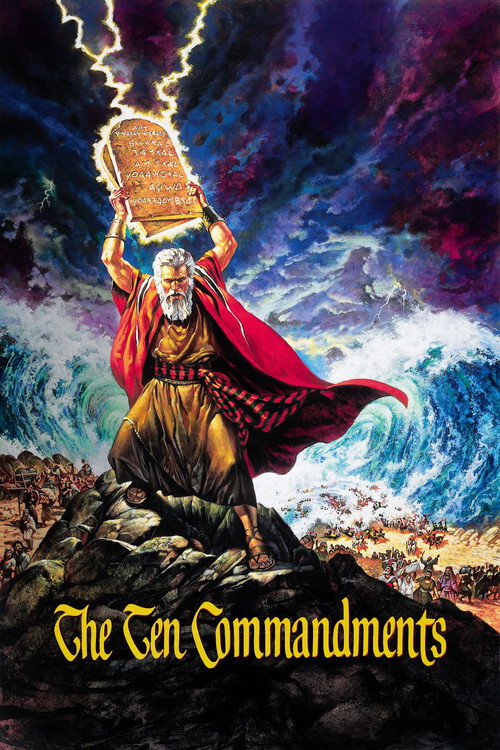
The Ten Commandments1956
DeMille's final epic has the same appetite for spectacle and moral grandeur as Golgotha. The parting of the Red Sea remains astonishing; the dialogue crackles with conviction about faith and freedom.
But It's nearly four hours of 1950s Technicolor bombast; some viewers find the performances and dialogue overwrought.
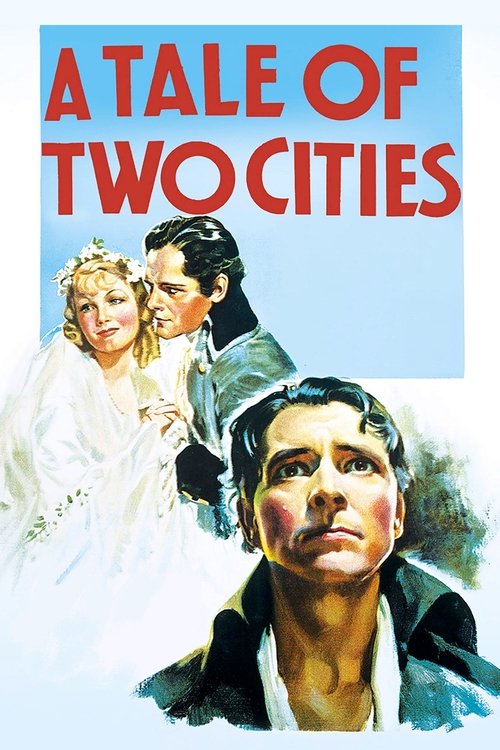
A Tale of Two Cities1935
Made the same year as Golgotha, Jack Conway's adaptation shares its interest in how ordinary people are caught up in historical violence. Ronald Colman's final performance is remarkably restrained and human.
But It's focused on the Revolutionary Terror rather than the Passion; if you want explicitly religious drama, this sidesteps it almost entirely.
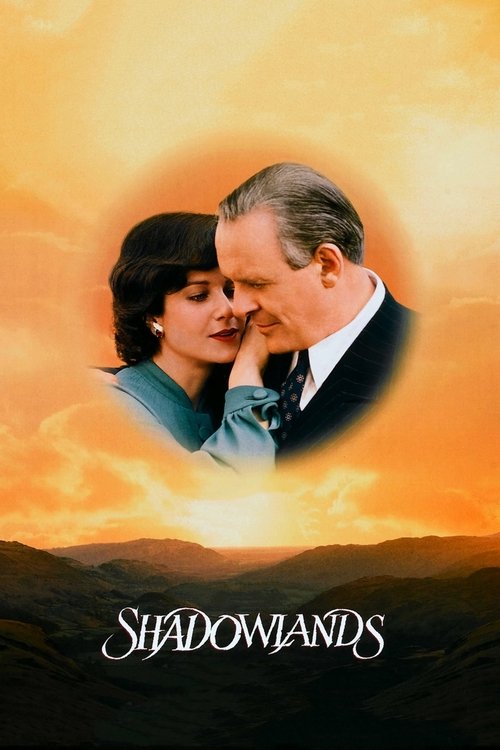
Shadowlands1993
Both films understand that the Passion is not about the historical moment but about the interior experience of faith being tested. Attenborough asks what the Crucifixion means to someone in the 20th century, not what it was—a different era thinking through the same spiritual question.
Richard Attenborough's film about C.S. Lewis uses the story of Joy Davidman to explore faith under pressure—doubt, desire, loss, the possibility of grace. It's a Passion play set in post-war England with a very modern sensibility.
But It's a British chamber piece rather than an epic; if you want the scale and visual grandeur of Golgotha, this is intimate and quiet. The performance-heavy approach won't appeal to everyone.
People
Cast
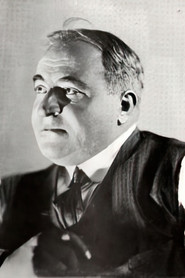
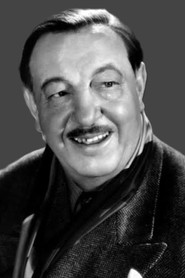 Harry BaurHérode
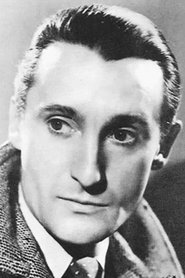 Robert Le ViganJésus Christ
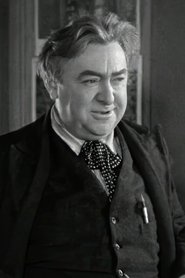 Charles GranvalCaïphe
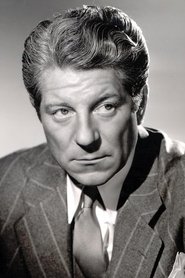 Jean GabinPonce Pilate
 Edwige FeuillèreClaudia Procula
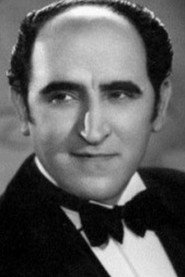 Lucas GridouxJudas Iscariot
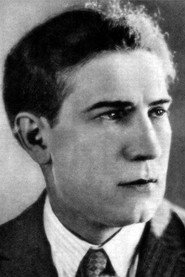 Edmond van DaëleGerson
- Marcel ChabrierJoseph d’Arimathie
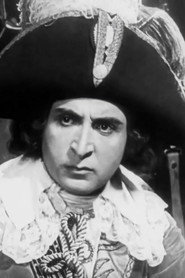
 Elmire VautierHérodiade (uncredited)
Directing
- Julien DuvivierDirector
Writing
- Julien DuvivierWriter