
Film
The Gospel According to St. Matthew
- Drama
- Very dark
Pasolini's radical 1965 film strips the Gospel of sentimentality and spectacle, presenting Christ as a fierce revolutionary whose teachings threaten institutional power. Shot in stark black-and-white across Italian landscapes, it's austere, urgent, and uncompromising—for viewers seeking spirituality without piety, or those interested in how radical artists interrogate religious tradition.
Should you watch it?
Watch it if you are drawn to austere, scripture-faithful filmmaking, where a plain face held in close-up and the spoken words of a parable carry more weight than any score or spectacle.
Skip it if you need quick cuts or a character to root for, since this is deliberately distant and reverent in tone and rarely lets you settle into anything like conventional drama.
What it asks of you: Long stretches of black-and-white stillness, flat delivery, and dialogue lifted nearly word for word from scripture, across a runtime of 137 minutes that you will need to give your whole attention.
Not sure? Find tonight's pick in a minute.
If you liked this
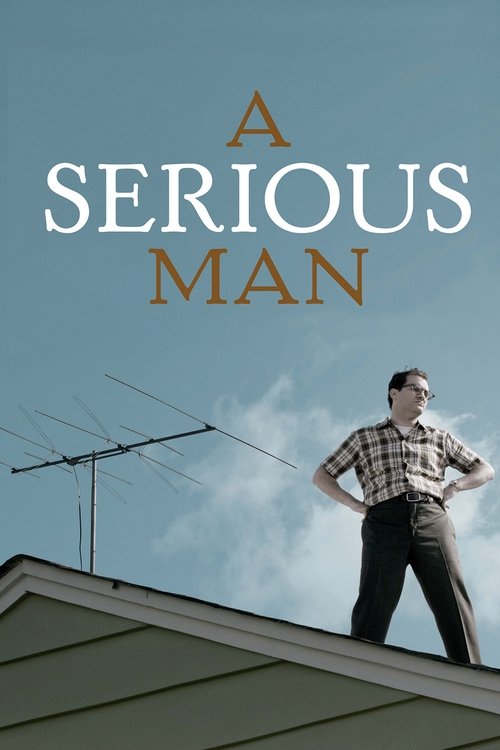
A Serious Man2009
Coen Brothers' tragicomic interrogation of faith amid suffering and injustice. Like Pasolini, they refuse easy answers or consolation, treating spiritual crisis as genuinely urgent and darkly funny.
But The deliberately ungainly plot and tone shifts frustrate viewers wanting narrative momentum or emotional catharsis. It ends in genuine ambiguity.
The Last Temptation of Christ1988
Scorsese's equally controversial restaging of the Gospel as intimate psychological drama. Christ is tormented, sexual, angry—a revolutionary figure rather than an icon. Both films ask what it costs to challenge power.
But Three hours of philosophical argument and anguish. The graphic violence and sexual content remain genuinely provocative in ways some find distasteful rather than illuminating.
Moonlight2016
Barry Jenkins films grace and spiritual presence in the margins of society—the poor, the Black, the queer. Like Pasolini, he finds divinity in flesh and vulnerability, not abstraction, and shoots with austere visual precision.
But Quiet, slow, and emotionally demanding. It requires patience with stillness and will feel impenetrably sad if you're not aligned with its register.

Not sure tonight? Get a pick in a minute, starting from The Gospel According to St. Matthew
The wildcard
Something you would not have found on your own.
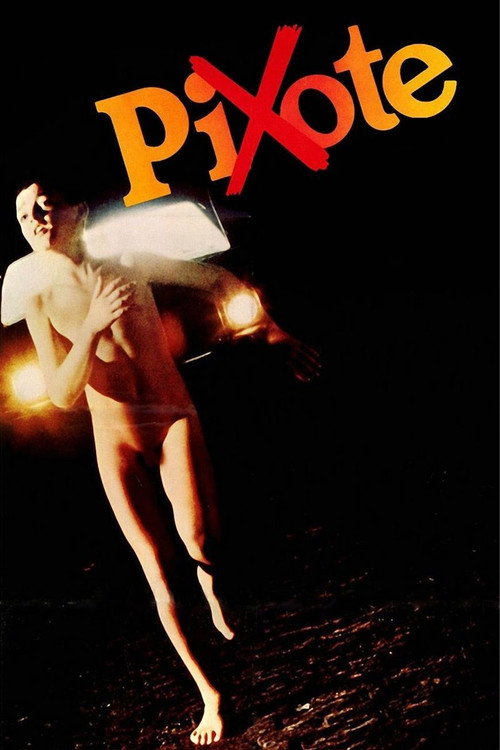
Pixote1980
Both directors insist on the dignity and spiritual weight of the marginalized and poor. Both refuse to aestheticize suffering or offer redemption narratives. Both believe cinema has a moral duty to show what power tries to hide.
Babenco's harrowing Brazilian film about abandoned street children uses non-professional child actors and brutal realism to expose institutional cruelty and social abandonment. Like Pasolini, it locates Christ-like vulnerability and suffering in the society's throwaways.
But The film's commitment to unflinching realism means real children are filmed in scenes of staggering degradation and violence. It's a work of witness, not entertainment, and the despair is absolute.
More like this (7)
Winter Light1963
Bergman's bleakest meditation on faith's absence and the desolation it leaves. A pastor and his congregation confront meaninglessness. Both films treat doubt and spiritual crisis as the real subject, not resolution.
But Unrelentingly bleak and philosophically abstract. There are no moments of warmth or hope, and the dialogue is repetitive by design.

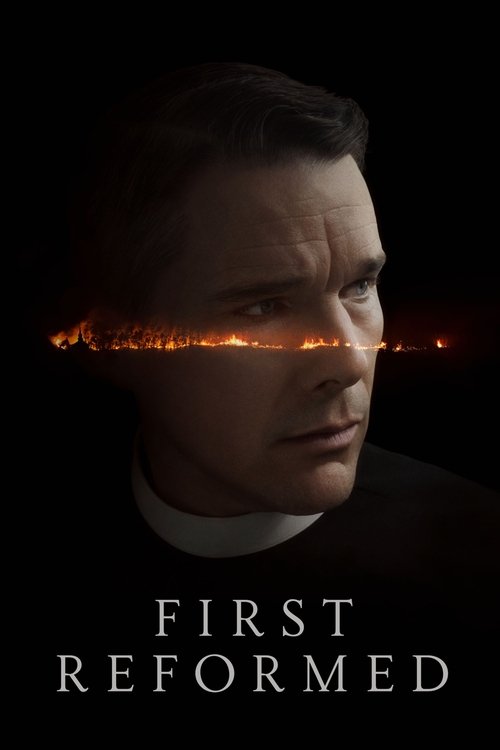
First Reformed2018
Paul Schrader's anguished inquiry into faith and moral responsibility in a dying world. Like Pasolini, it locates spirituality in urgent political conscience and the body's suffering, not institutional religion.
But Difficult formal choices—distorted aspect ratio, long static shots—and a protagonist whose depression is contagious. The ending is genuinely harrowing.
Stalker1979
Tarkovsky's metaphysical masterpiece about pilgrimage and desire, shot with Pasolini-like visual austerity. Both treat their journeys as spiritual quests through landscapes that dwarf individual faith.
But Glacially paced, nearly three hours, with minimal plot. Demands total surrender to its rhythm; impatience makes it torture.

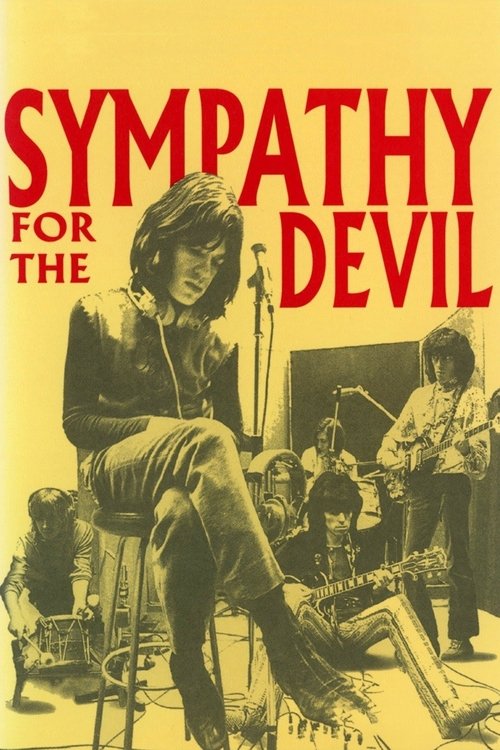
Sympathy for the Devil1968
Godard's provocative essay-film that directly engages radical politics, performance, and the artist's moral complicity. Like Pasolini, Godard weaponizes cinema to interrogate power and refuse easy ideology.
But Deliberately fragmented and didactic. The Rolling Stones material feels dated, and the film prioritizes argument over narrative coherence.
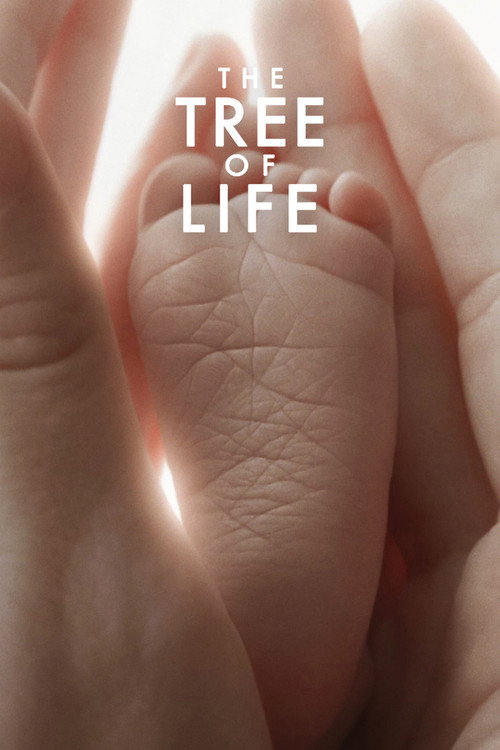
The Tree of Life2011
Malick's visual theology of grace, suffering, and cosmic order. Both films attempt to film the spiritual as embodied presence rather than dialogue, using landscape and faces as primary meaning.
But Abstract and maximalist where Pasolini is austere. Its scope and length can feel bloated, and its mysticism may read as self-indulgent rather than urgent.
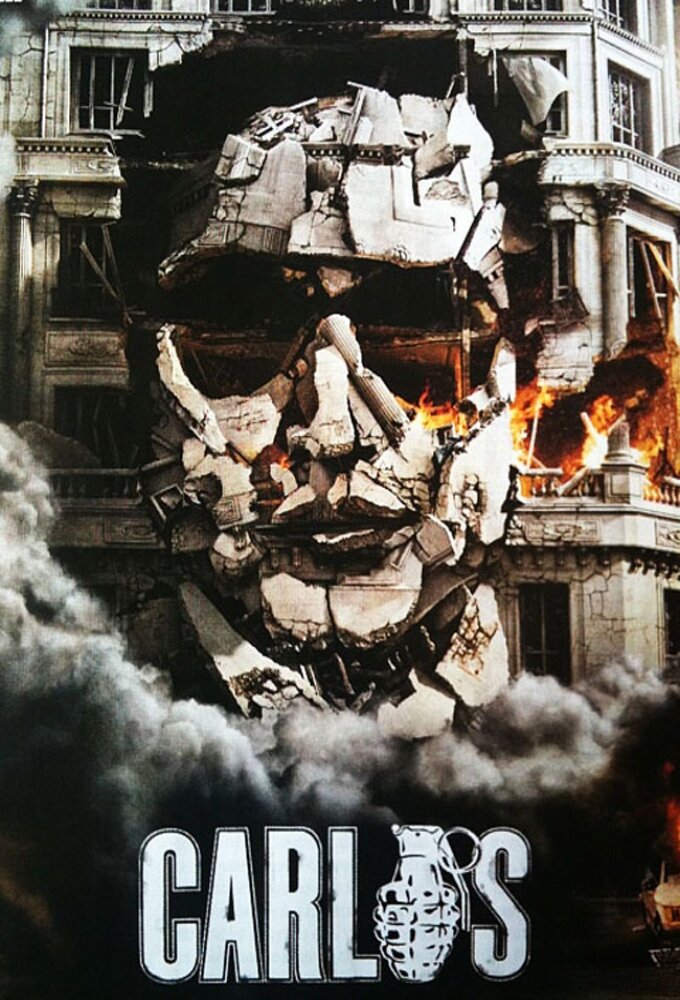
Carlos2010
Olivier Assayas's five-and-a-half-hour biopic treats political violence and revolutionary conviction with the same unflinching seriousness Pasolini brings to Christ's challenge to power.
But Exhaustingly long and deliberately unglamorous about its subject's ideology and brutality. It offers no hero's redemption arc.
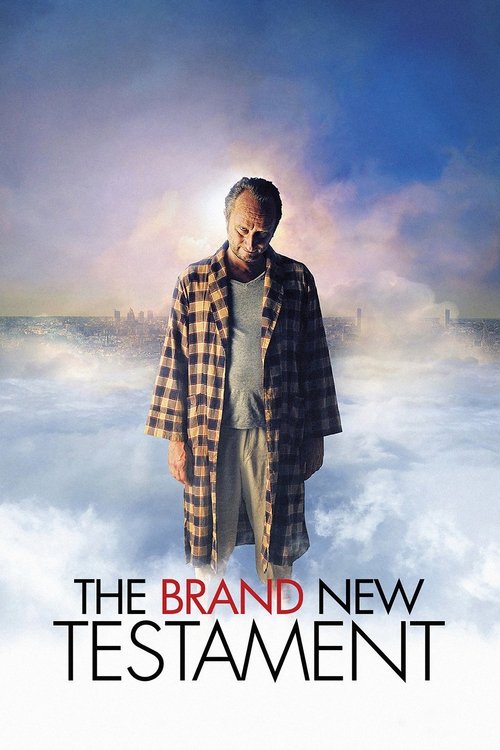
The Brand New Testament2015
Both films reject official Gospel doctrine in favor of a more radical, intimate Jesus—one who challenges comfort and institutional religion itself. Both are acts of reverent heresy by artists willing to risk blasphemy in service of deeper truth.
Belgian director Jaco Van Dormael's surreal comedy reimagines the Gospels as chaos and tenderness rather than doctrine. It's playful, weird, and deeply humane—treating Christ as a figure of love and bewilderment rather than authority, in the same lineage as Pasolini's interrogation of orthodoxy.
But Whimsical and visually busy where Pasolini is severe. Some may find its lightness a betrayal of the subject's weight, or its surrealism a dodge of serious theological questions.
People
Cast
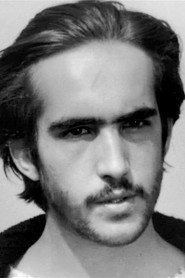 Enrique IrazoquiCristo
- Margherita CarusoMaria (Giovane)
- Susanna PasoliniMaria (Vecchia)
- Marcello MoranteGiuseppe
- Mario SocrateGiovanni Battista
- Settimio Di PortoPietro
- Alfonso GattoAndrea
- Luigi BarbiniGiacomo
- Giacomo MoranteGiovanni
- Giorgio AgambenFilippo
- Guido CerretaniBartolomeo
- Guido CerretaniBartolomeo
Directing
- Elsa MoranteAssistant Director
- Maurizio LucidiAssistant Director
- Paolo SchneiderAssistant Director
- Vincenzo CeramiAssistant Director Trainee
- Pier Paolo PasoliniDirector
- Lina D'AmicoScript Supervisor
Writing
- Pier Paolo PasoliniWriter
Production
- Alfredo BiniProducer
- Enzo OconeProduction Manager
- Manolo BologniniProduction Manager
- Bruno FrascàProduction Secretary
- Eliseo BoschiProduction Supervisor
Recommended by
Oedipus Rex, The Trial of Joan of Arc, The Last Temptation of Christ, Electra, The Last Detail, Accattone, Jesus of Nazareth, Mamma Roma, Phaedra, Holy Ghost People, Golgotha, The Hoodlum Priest, Stromboli, Himala