
Film
The Trial of Joan of Arc
Bresson's austere 1963 masterpiece strips Joan's trial to its essence: dialogue, faces, silence. It's a chamber piece about faith under interrogation, shot with almost documentary severity. For anyone who thinks historical drama needs pageantry or emotional manipulation, this will feel like a rebuke. It's for viewers patient enough to find profundity in restraint.
Should you watch it?
Watch it if you are drawn to austere films where the drama lives in spoken argument and close attention to faces rather than in spectacle, and you don't mind a story told almost entirely through questions and answers.
Skip it if you want battle scenes, a warmer hand on the emotions, or a story that moves, since nearly all of it takes place in one chamber under a stream of hostile questioning.
What it asks of you: Only about an hour, but a patient, bare staging with long stretches of talk and a camera that stays close; it rewards stillness far more than quick attention.
Not sure? Find tonight's pick in a minute.
If you liked this
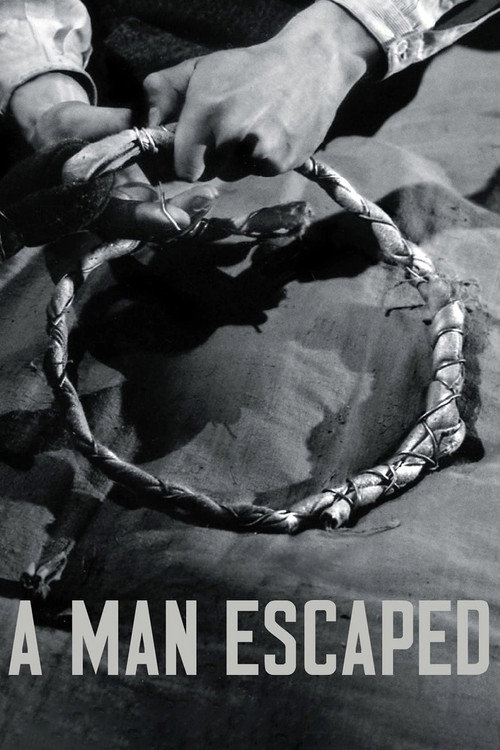
A Man Escaped1956
Bresson's earlier film about a French prisoner plotting escape has the same meditative intensity and faith-through-suffering. It's austere, thrilling, and morally serious in ways most cinema isn't even attempting.
But Nothing explodes. There are long stretches where almost nothing happens, and the emotional payoff is internal rather than cathartic.
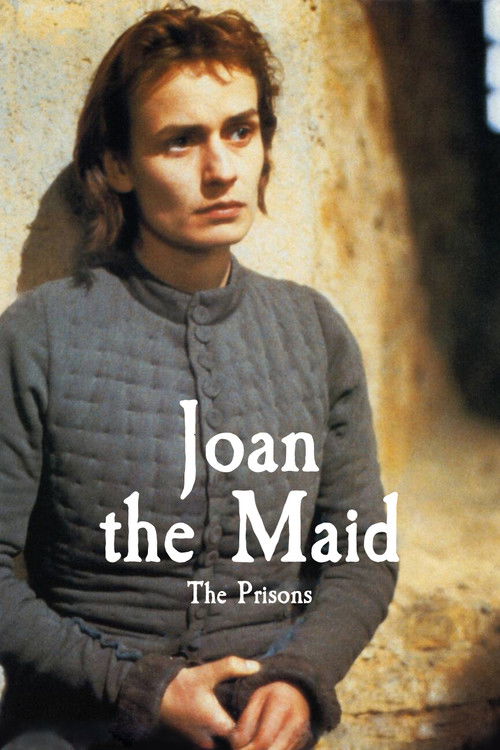
Joan the Maid II: The Prisons1994
Jacques Rivette's two-part epic follows Joan from her visions through her capture. Slow, visionary, and completely committed to taking her seriously. It's how Bresson might have made a biographical film if he'd loosened his grip slightly.
But Nearly six hours long and makes Bresson look like a crowd-pleaser. The pacing will test even patient viewers, and Joan remains enigmatic rather than sympathetic.
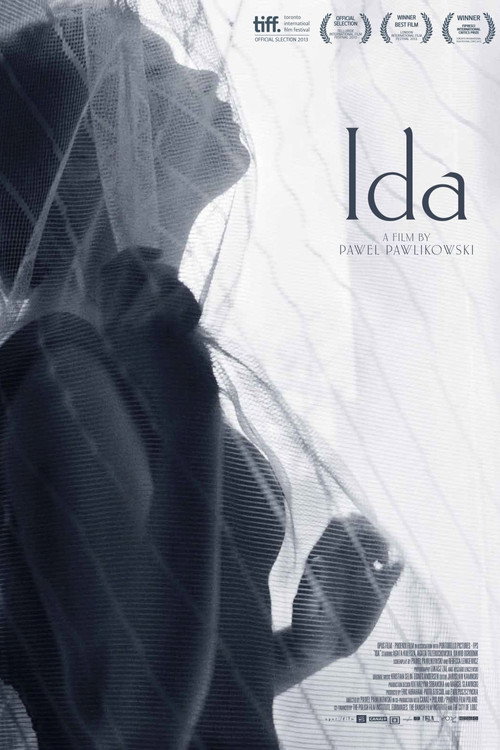
Ida2013
A Polish nun searches for her family's fate during the Holocaust. Black-and-white, formally spare, spiritually haunted. It shares Bresson's belief that camera distance and silence can express more than exposition ever could.
But Extremely quiet and visually austere. The emotional core is held deliberately at arm's length, which some will find cold rather than moving.
Not sure tonight? Get a pick in a minute, starting from The Trial of Joan of Arc
The wildcard
Something you would not have found on your own.
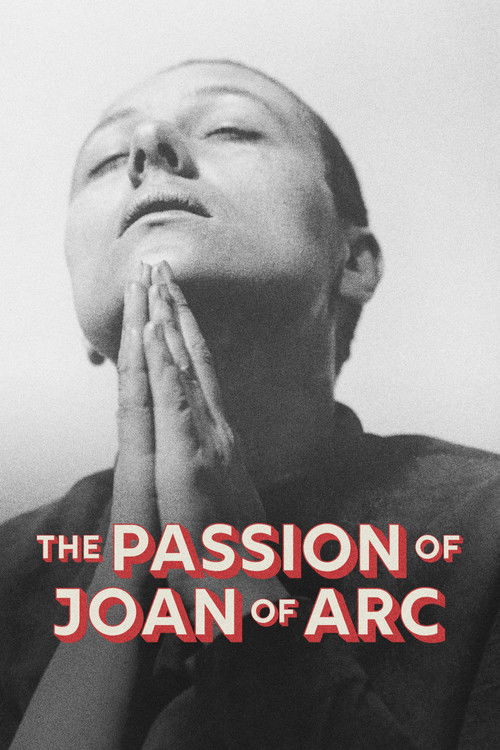
The Passion of Joan of Arc1928
Both are trial films where the court's language systematically destroys a woman's ability to articulate her truth. Dreyer shows it through tears; Bresson through silence.
Dreyer's silent masterpiece is the other definitive Joan film. Where Bresson uses abstraction, Dreyer uses extreme close-ups of Renée Jeanne's face. Both films are about what happens when language fails faith; they just use opposite formal strategies.
But Silent film is a barrier for many viewers. The emotional intensity—especially in Jeanne's suffering—is sometimes overwhelming rather than spiritually clarifying.
More like this (6)
Winter Light1963
Bergman made this the same year Bresson made Joan's trial. Both are about faith collapsing under scrutiny. Bergman's is more psychologically raw, less formal, but they're companion pieces about what belief costs.
But It's bleak without redemption and features some of Bergman's most unflinching misanthropy. The spiritual crisis never resolves; it only deepens.

Stalker1979
Tarkovsky's meditation on faith, desire, and the unknowable. Like Bresson, he trusts the viewer to sit with mystery and find meaning in what's withheld rather than explained. Slow cinema at its most hypnotic.
But Nearly three hours of philosophical deliberation with minimal plot. If you need narrative momentum or clear answers, this will feel like waiting in an empty room.

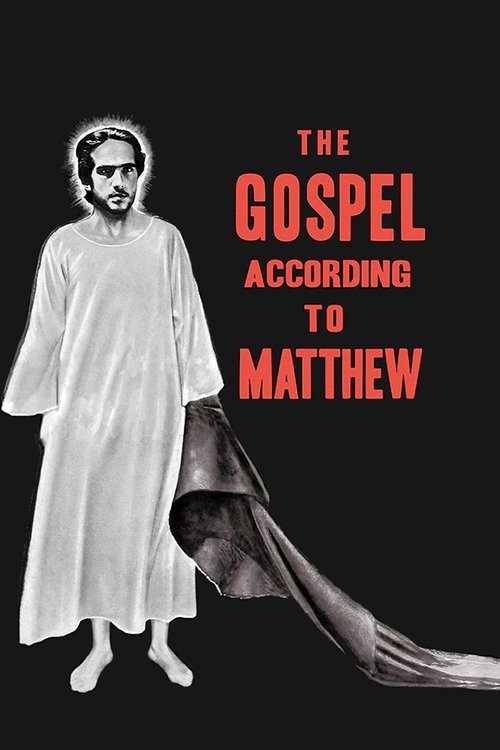
The Gospel According to St. Matthew1965
Pasolini's Christ film, made just after Bresson's Joan. It's serious, documentary-like, and treats its subject with radical humility. Both filmmakers believe restraint is the only honest approach to the sacred.
But Pasolini's Marxist reading of Christ can feel intellectually imposed. The non-professional casting, while committed to, can seem mannered.
Contempt1963
Godard's film about cinema itself, made the same year as Bresson's trial. Both are about how form and language can distort truth. Godard's approach is playful where Bresson's is grave, but both distrust surfaces.
But Godard's self-reflexivity can feel arch and alienating. The famous Bardot scene is visually stunning but narratively disconnected from the surrounding drama.

Synecdoche, New York2008
Kaufman's film about an artist building a life-sized replica of New York inside a warehouse shares Bresson's interest in artifice as a tool for truth. Both believe the formal and the personal are inseparable.
But Deliberately confusing and structurally dense to the point of near-incoherence. It rewards repeated viewing but punishes casual attention, and the sadness is relentless.

The Ballad of Little Jo1993
Like Joan's inquisitors, the world Greenwald depicts cannot tolerate what it cannot categorize. Both films make their heroines' refusal to conform the centre of their moral vision, and both treat that refusal with absolute seriousness rather than sentimentality.
Maggie Greenwald's film about a woman who lived as a man in the Old West. It shares Bresson's formal severity and his interest in how institutions (gender, law, faith) trap people in impossibly narrow categories. It's a trial film in slow motion.
But It looks deliberately flat and anti-cinematic. The pacing is glacial and the emotional payoff is bittersweet rather than cathartic. Some will find it austere to the point of deadness.

People
Cast
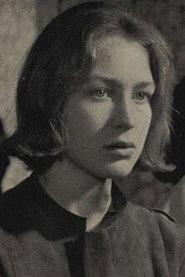 Florence DelayJeanne d'Arc
- Jean-Claude FourneauBishop Cauchon
- Roger HonoratJean Beaupere
- Marc JacquierJean Lemaitre
- Jean GillibertJean de Châtillon
- Michel HerubelIsambert de la Pierre
- André RégnierD'Estivet
- Arthur Le BauJean Massieu
- Marcel DarbaudNicolas de Houppeville
- Philippe DreuxMartin Ladvenu
- Paul-Robert MimetGuillaume Erard
 Gérard ZinggJean-Lohier
Directing
- Robert BressonDirector
- Serge RoulletFirst Assistant Director
- Françoise CollinScript Supervisor
- Alain FerrariSecond Assistant Director
- Hugo SantiagoSecond Assistant Director
- Marcel UgolsSecond Assistant Director
Writing
- Robert BressonScreenplay
Production
- Agnès DelahaieProducer
- Léon SanzProduction Manager
Recommended by
The Passion of Joan of Arc, Chief of Staff, Les Dames du bois de Boulogne