
Film
Les Dames du bois de Boulogne
Robert Bresson's debut, a 1945 Paris-set drama of aristocratic revenge disguised as seduction. Glacial, geometrically composed, almost without music: a woman engineers an elaborate trap to humiliate her ex-lover by arranging his entanglement with a woman of the streets. It's crystalline and cold, built from silences and glances rather than dialogue, offering a masterclass in how cinema can express cruelty through restraint.
If you liked this
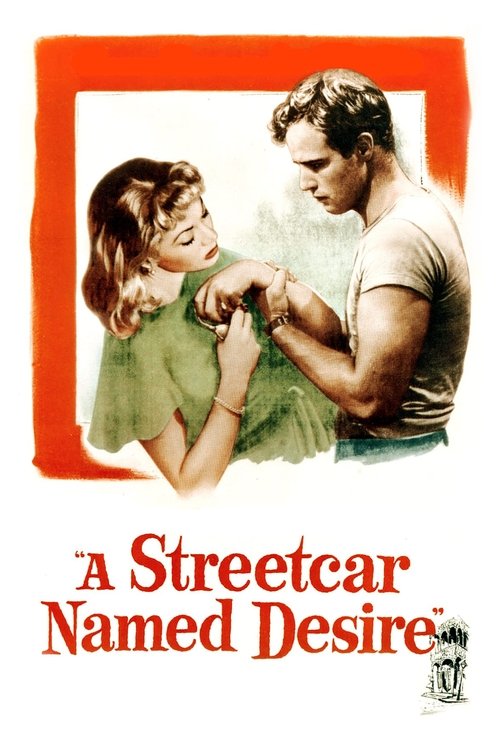
A Streetcar Named Desire1951
Tennessee Williams' claustrophobic psychology of desire and class, played with raw intensity by a cast that seems barely contained by the frame. Similar moral ambiguity about who deserves our sympathy.
But Brando's famous method performance can overshadow everything else, and the sexual violence of the climax remains genuinely upsetting rather than dramatically cathartic.
Dangerous Liaisons1988
The same architecture of calculated seduction weaponised for social revenge, but wrapped in 18th-century velvet and perfectly timed wit. Glenn Close and John Malkovich dissect manipulation with surgical precision.
But The period gloss and Hollywood sheen might feel too comfortable if you're drawn to Bresson's austere style. It rewards the plot more than the psychology.

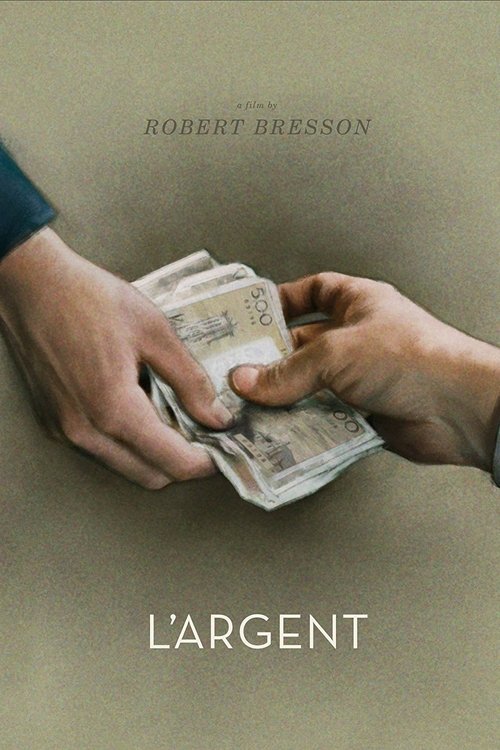
L'Argent1983
Bresson's final film: a man's life destroyed by circumstance and human indifference, told with the same icy precision and minimal dialogue. Moral collapse rendered as pure cinema, not sermon.
But Deliberately slow and punishing. If you haven't seen Bresson before, this might feel hostile rather than revelatory—it requires patience and goodwill.
Not sure tonight? Get a pick in a minute, starting from Les Dames du bois de Boulogne
The wildcard
Something you would not have found on your own.
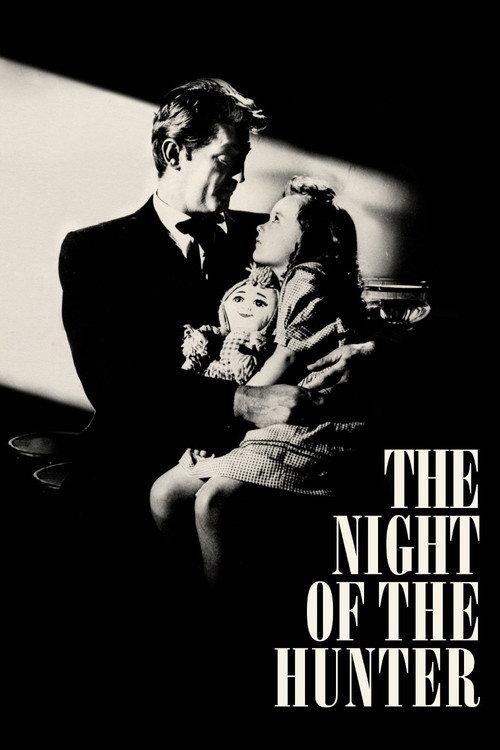
The Night of the Hunter1955
Both films understand that cruelty can be orchestrated as seduction, and both render moral corruption as visual beauty. Where Bresson is ice, Laughton is shadow—different temperatures, same darkness.
Charles Laughton's only directorial film, a Southern Gothic nightmare about predation, motherhood, and survival. Robert Mitchum's preacher is seduction and menace incarnate—the marriage of beauty and cruelty rendered in shadowy, storybook expressionism.
But The tonal shifts between horror and fairy tale register as tonal instability to some. The theatrical excess is the opposite of Bresson's restraint.
More like this (8)
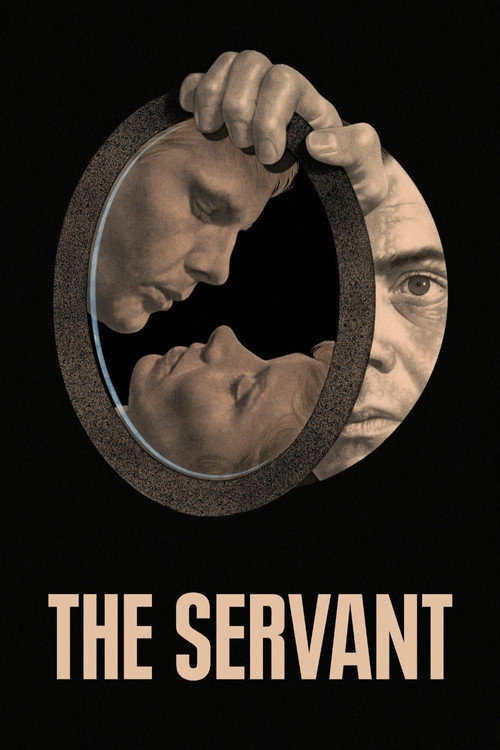
The Servant1963
Joseph Losey's claustrophobic power play between master and servant, told almost entirely through gesture and spatial composition. Class resentment metastasizes into something genuinely unsettling.
But The sexual dynamics feel queasy and dated. What the film means by its ambiguities remains deliberately obscure in ways some find frustrating.
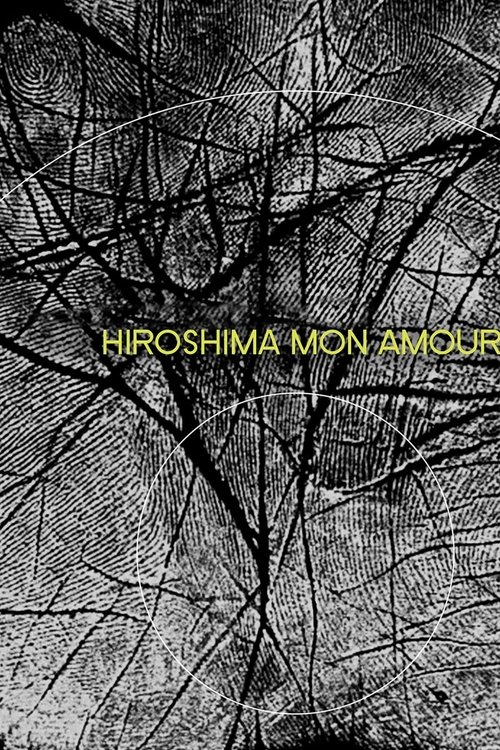
Hiroshima Mon Amour1959
Alain Resnais and Marguerite Duras: memory, desire, and emotional paralysis in postwar France. Gorgeously shot, radically structured, an intimate epic about how people fail to truly reach each other.
But The narrative is fragmented and dreamlike. If you need a clear plot, the philosophical abstraction will feel like evasion.
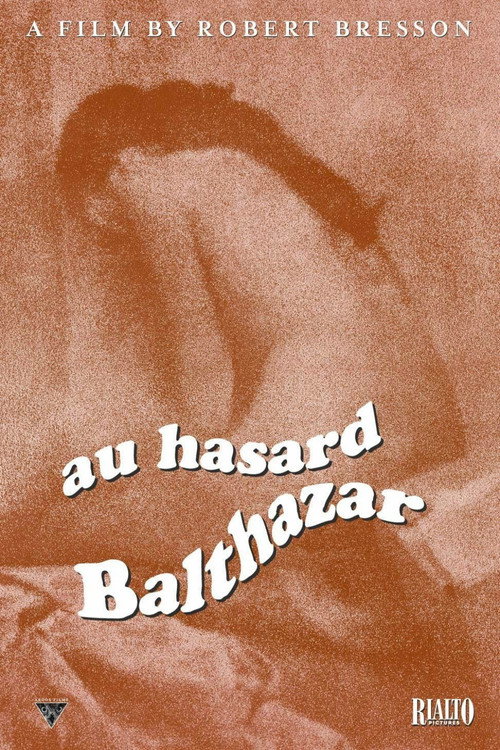
Au Hasard Balthazar1966
Another Bresson masterpiece, following a donkey through a catalogue of human cruelty and grace. The ultimate study of suffering and indifference, told with devastating simplicity.
But It's genuinely punishing—animals suffer, people fail, there's no redemptive arc. The minimalism can read as coldness if you're not aligned with Bresson's vision.
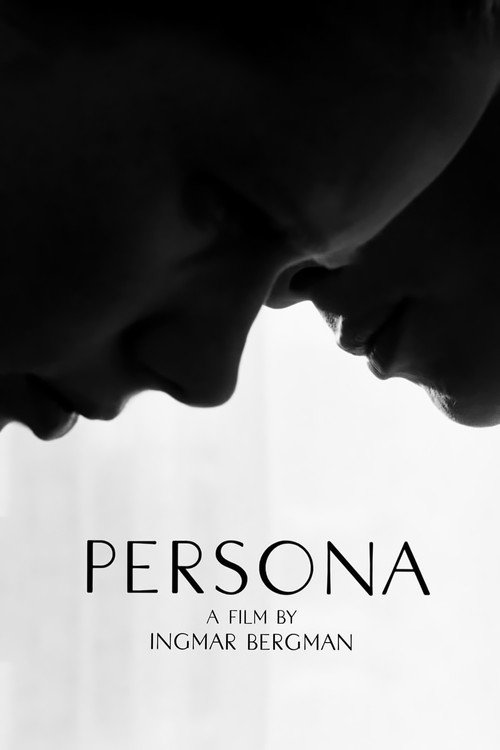
Persona1966
Bergman's psychological drama about two women and the fragile boundary between identity and performance. Hypnotic, claustrophobic, constructed almost geometrically like Bresson's Paris.
But Deliberately obscure about what it means. The abstraction and repetition might feel pretentious if psychological opacity frustrates you.
In the Mood for Love2000
Wong Kar-wai's study of longing and restraint in 1960s Hong Kong. Two neighbours discover their spouses are having an affair; what follows is all suggestion and elegance, desire held at perfect distance.
But The plot is minimal and the style might seem more important than story. The repetition of scenes and colour palette can feel mannered.

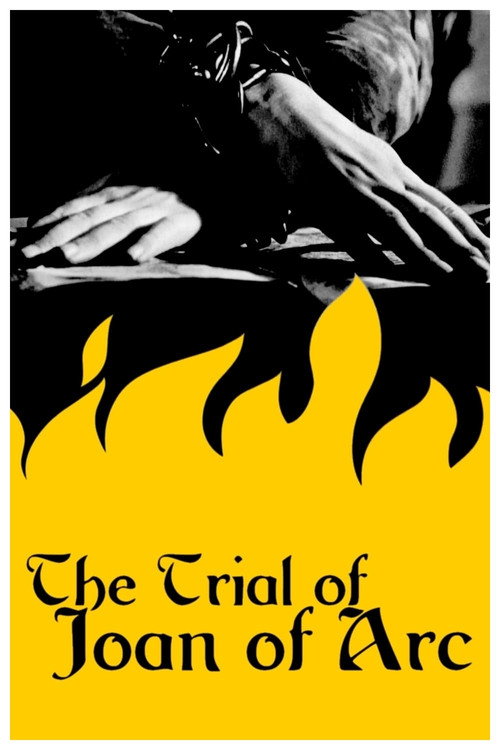
The Trial of Joan of Arc1963
Bresson's final exploration of faith and interrogation. Shot almost like documentary tribunal footage, Renée Jeanne Falconetti's performance is unnervingly direct and present.
But It's austere even by Bresson standards: no score, minimal camera movement, the entire film structured as questions and answers. It requires real commitment.
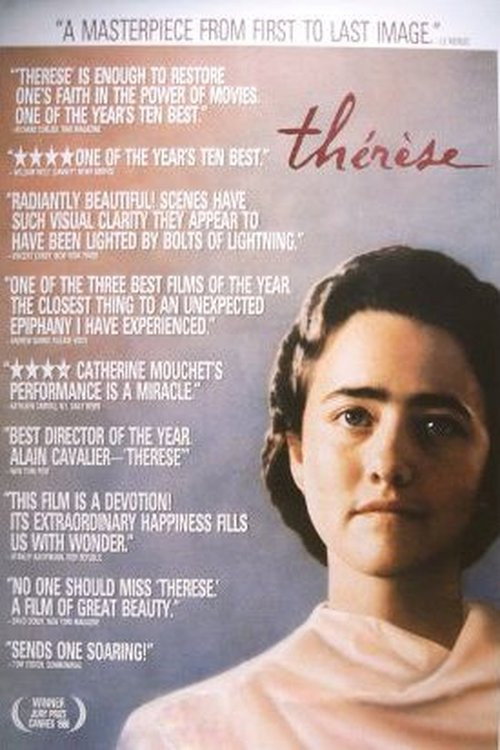
Thérèse1986
Cavalier worked with Bresson and absorbed his method entirely. Both films locate spiritual truth in the refusal to perform, the surrender of dramatic effect for psychological precision.
Alain Cavalier's documentary-like study of a young woman's spiritual crisis and emotional paralysis, shot in austere black-and-white with non-professional actors. A film about interior life made exterior through Bresson-like restraint.
But Completely anti-narrative. It moves through mood and contemplation rather than plot. The repetition of gesture and silence will feel like nothing is happening.
Stalker1979
Like Bresson, Tarkovsky believes cinema is about invisible states rendered visible through absence. Both films distrust conventional emotional signalling and ask us to find truth in what remains unsaid and unrushed.
Tarkovsky's science-fiction meditation on desire and faith. A guide leads two men through a mysterious zone toward a room that may grant wishes. Shot in long, patient takes that accumulate psychological weight without melodrama.
But At 163 minutes, it asks for total patience. The science-fiction framing is thin; the film is entirely metaphysical and internal. It requires you to surrender to its rhythm.

People
Cast
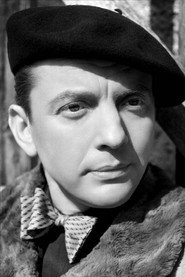 Paul BernardJean
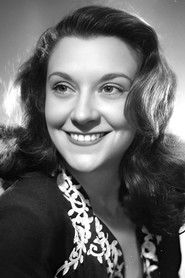 María CasaresHélène
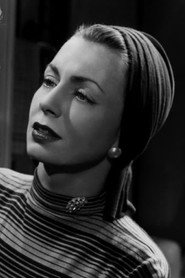 Élina LabourdetteAgnès
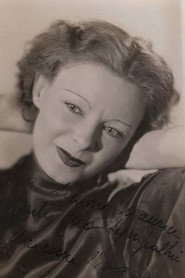 Lucienne BogaertMme. D
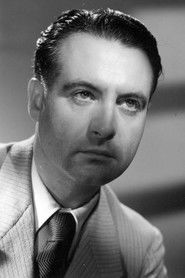 Jean MarchatJacques
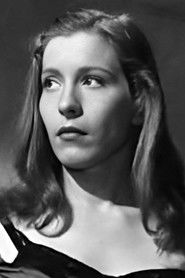 Yvette EtiévantLa bonne
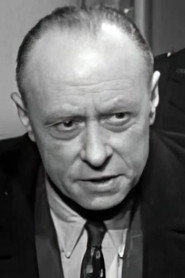
Directing
- Roger Spiri-MercatonAssistant Director
- Robert BressonDirector
- Suzanne BonScript Supervisor
Writing
- Robert BressonAdaptation
- Jean CocteauDialogue
- Robert BressonScenario Writer
- Robert BressonScreenplay
- Denis DiderotStory