
Film
Thérèse
Other titles called Thérèse: the 1962 film, the 2012 film.
- Biopic
- Light-hearted
- Slow-burning
A French film about Saint Thérèse of Lisieux's spiritual journey in a Carmelite convent, told through austere, intimate vignettes. Director Alain Cavalier strips away sentiment and spectacle to capture her radical simplicity: the idea that small, ordinary acts done with love matter as much as grand gestures. Meditative, almost monastic in its pacing. For viewers drawn to spiritual inquiry without dogma, or to cinema that trusts quiet observation.
If you liked this
Stalker1979
Andrei Tarkovsky's meditation on faith, desire, and the spaces between them—a man guides two strangers through a mysterious zone toward a room that grants wishes. Slow, hypnotic, structured like prayer. Thérèse's spiritual searching finds its cinema equivalent here.
But Nearly three hours of deliberate pacing, long takes, and minimal plot. Demands patience most viewers won't bring to a film about a room people walk toward.

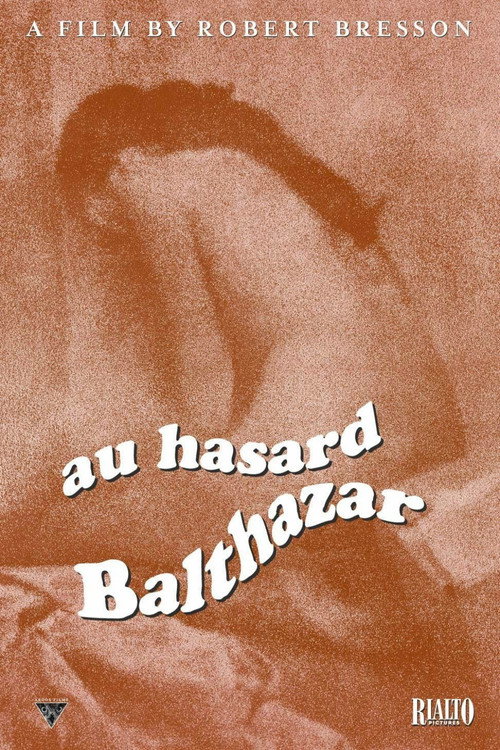
Au Hasard Balthazar1966
Robert Bresson's film about a donkey's life and the people it touches. Like Thérèse, it finds spiritual depth in humility and suffering without sentimentality. Austere, precise, devastating. A masterwork about grace.
But The protagonist is a donkey. The tone is grave and bleak. There is no plot arc or catharsis, only endurance and sadness.
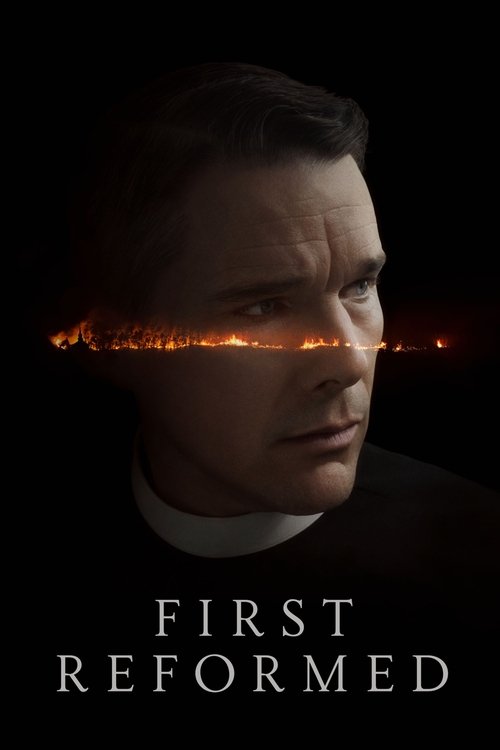
First Reformed2018
Paul Schrader's portrait of a pastor grappling with faith in a collapsing world. Intimate, spare, and unafraid to sit with spiritual doubt. The cinematography is as minimalist as Cavalier's—asking what God means when everything else fails.
But Relentlessly heavy and anxiety-inducing. The theological questions never resolve. It's a film about despair, not consolation.
Not sure tonight? Get a pick in a minute, starting from Thérèse
The wildcard
Something you would not have found on your own.
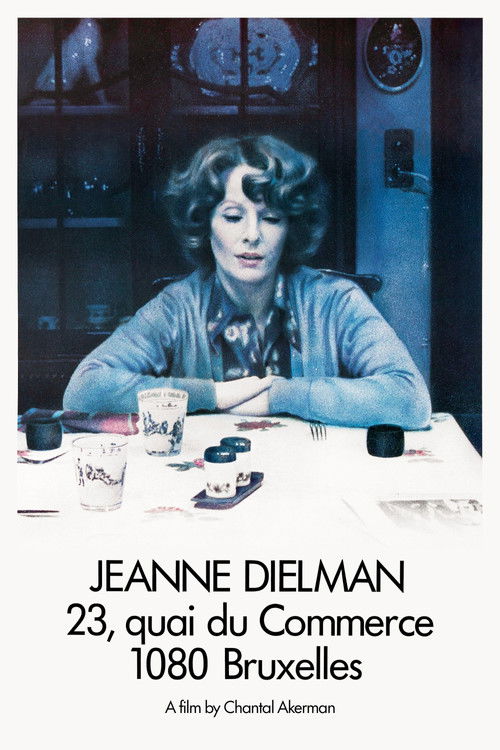
Jeanne Dielman, 23, quai du Commerce, 1080 Bruxelles1976
Both films locate transcendence in the quotidian. Both trust that watching ordinary life unfold—without drama, without music—is enough. Both are about devotion expressed through repetition.
Chantal Akerman's three-hour film of a woman's daily routines—cooking, cleaning, sex work, washing up—filmed in real time with deadpan precision. Like Thérèse, it finds profound spiritual and philosophical meaning in repetition and small acts. A meditation on labour, bodily experience, and what we call a life.
But Three hours of a woman doing housework. Experimental cinema, not narrative. Deliberately boring as method. Most viewers will find it tedious.
More like this (8)
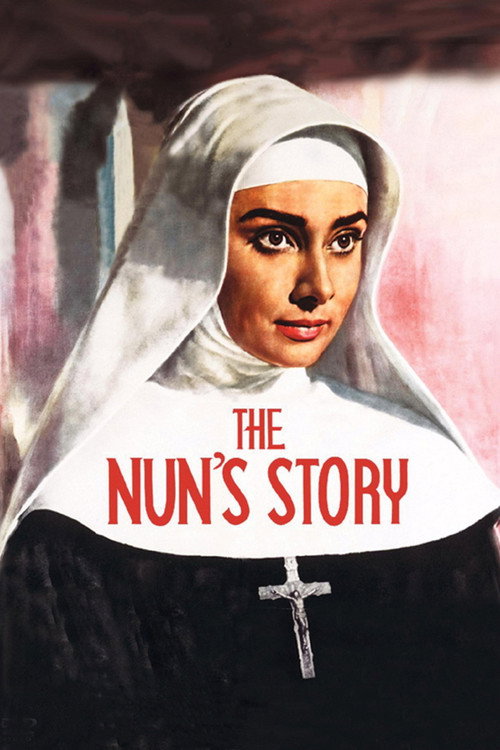
The Nun's Story1959
Fred Zinnemann's portrait of a young nun (Audrey Hepburn) choosing between faith and the world. Intelligent, compassionate, and genuinely interested in religious life without caricature. A studio film that respects its subject.
But Three hours long and episodic. The pacing is deliberate and 1950s-measured. Some of the psychology feels period-bound now.
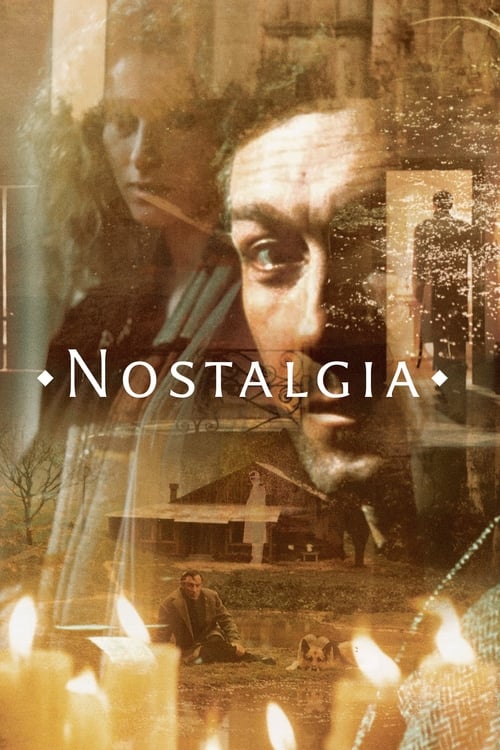
Nostalgia1983
Another Tarkovsky film, this one about a Russian poet in Italy wrestling with exile, faith, and memory. Immersive and hypnotic, structured around spiritual longing and the possibility of grace. Cinema as contemplation.
But Even slower than Stalker. Shot in unhurried long takes. Requires surrender to its own tempo, which many will experience as stasis.
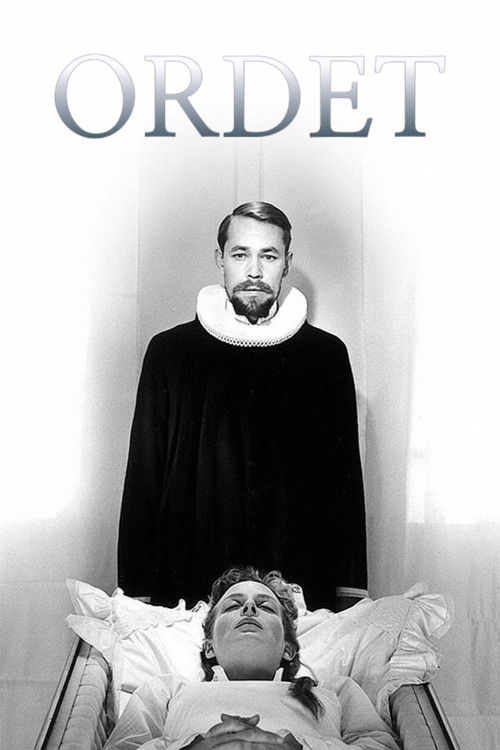
Ordet1955
Carl Theodor Dreyer's Danish masterpiece about a family divided by faith and doubt. Built on what appears to be realism—waiting rooms, conversations, ordinariness—until it isn't. Quietly shattering. Profound.
But The dialogue is sparse and naturalistic in a way that can feel flat. Long stretches feel like nothing is happening. The faith language may alienate secular viewers.
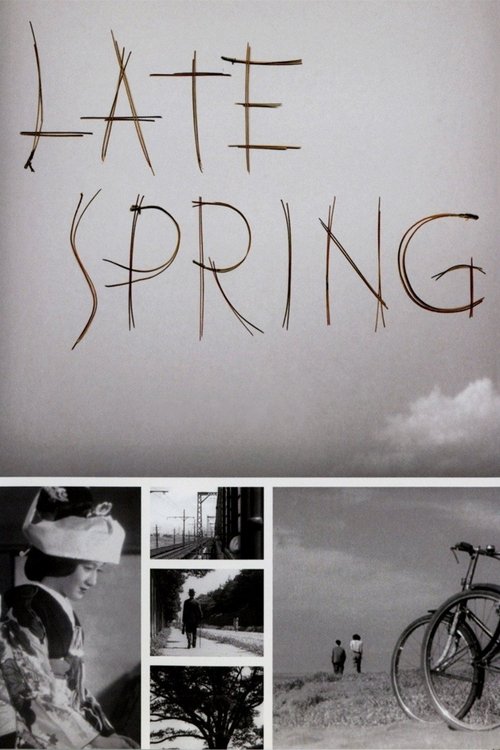
Late Spring1949
Yasujiro Ozu's gentle masterpiece about an aging widower and his daughter. Nothing dramatic happens. Its power lies in noticing small gestures, silences, and the way love expresses itself through routine. Thérèse and Ozu share a visual language of simplicity.
But Plotless and almost static. The emotional register is so quiet it can register as emotionless. Many viewers find it dull on first contact.
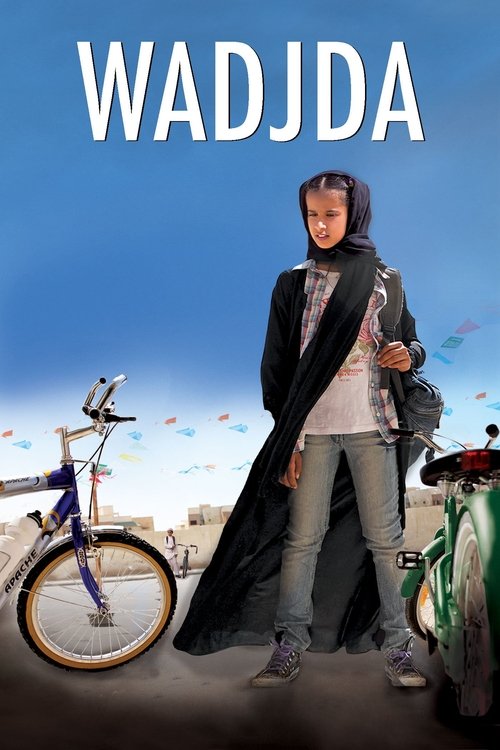
Wadjda2012
Haifaa al-Mansour's debut about a girl in Saudi Arabia who wants a bicycle. Warm, funny, and honest about religious constraint without preaching. Shows faith as lived experience, not abstraction. Surprisingly joyful.
But The second half becomes more conventional and message-driven. Some scenes lean toward sentiment. It's lighter than Thérèse and may feel slight to some.
The Passion of Joan of Arc1928
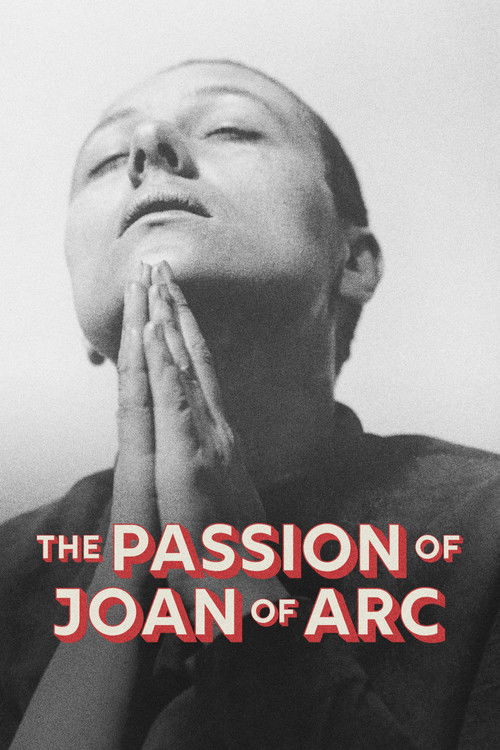
Carl Theodor Dreyer's silent film of Joan's final day, told in close-ups and interrogation. Spiritual suffering expressed entirely through Renée Jeanne Falconetti's face. A different era and medium, but the same intensity about faith under pressure.
But Silent film, 1928, deliberately archaic style. The repetition of questioning can feel monotonous. For many viewers, it's just a face for 82 minutes.
A Ghost Story2017
Both films are interested in time differently than most cinema—Thérèse in cyclical spiritual time, A Ghost Story in cosmological time. Both ask what matters when everything passes. Both are visually austere and unafraid of stillness.
David Lowery's film about a man who dies and haunts the house he loved, watching time pass in fast-forward. Metaphysically strange and unexpectedly moving. It's about attachment, loss, impermanence, and what we leave behind. Spiritual without being religious. Tender and strange.
But The lead wears a white sheet as a ghost for much of the film. The pacing is glacial. It's melancholic and doesn't resolve. Many find it pretentious or silly.

Wings of Desire1987
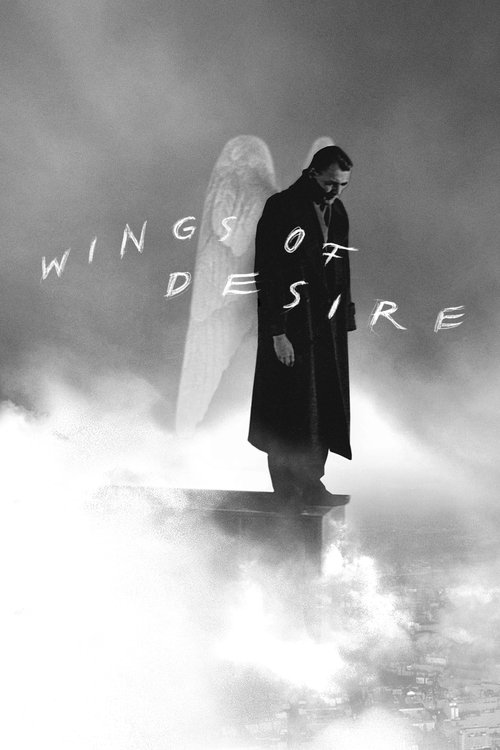
Both films are about beings (a saint, an angel) who exist partially outside ordinary time and desire, watching and serving. Both ask what it means to be present to the world. Both are structured around interiority and witness rather than action.
Wim Wenders' film about an angel watching over Cold War Berlin, longing to become human. Poetic, philosophical, about witnessing and compassion. Structured around the question of what it means to care about the world. Visually stunning and emotionally profound.
But Very literary and abstract. The plot is gossamer. Long passages are voiceover and observation. It's self-consciously romantic about suffering and transcendence—which can feel indulgent.
People
Cast
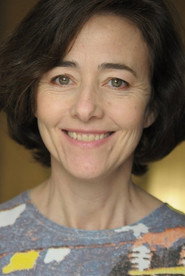 Catherine MouchetThérèse
- Aurore PrietoCéline
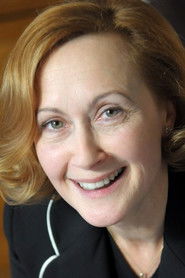 Hélène AlexandridisLucie
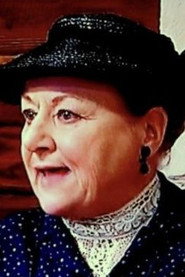 Clémence Massart-WeitPrioress
- Sylvie HabaultPauline
- Nathalie BernartAimes
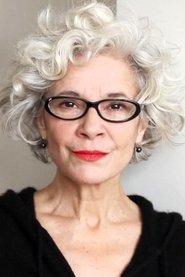 Mona HeftreMarie - une religiause
- Jean PélégriThe father
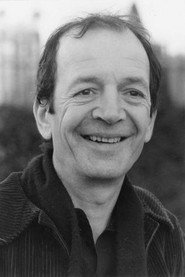
- Pierre-Jean MaintigneuxConvent Doctor
- Jean PieuchotThe Bishop
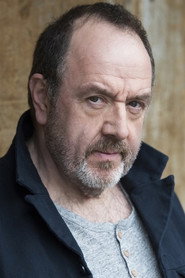 Joël LefrançoisYoung Doctor
Directing
- Alain CavalierDirector
Writing
- Alain CavalierWriter
- Camille de CasabiancaWriter
Production
- Maurice BernartProducer