
Film
Priest
Other titles called Priest: the 2011 film.
A young Catholic priest's faith fractures when he encounters a parishioner's abuse, a forbidden attraction, and the church hierarchy's refusal to act. Antonia Bird's film is austere, unflinching, and genuinely angry—less interested in moral comfort than moral reckoning. For those who want drama that doesn't look away.
If you liked this
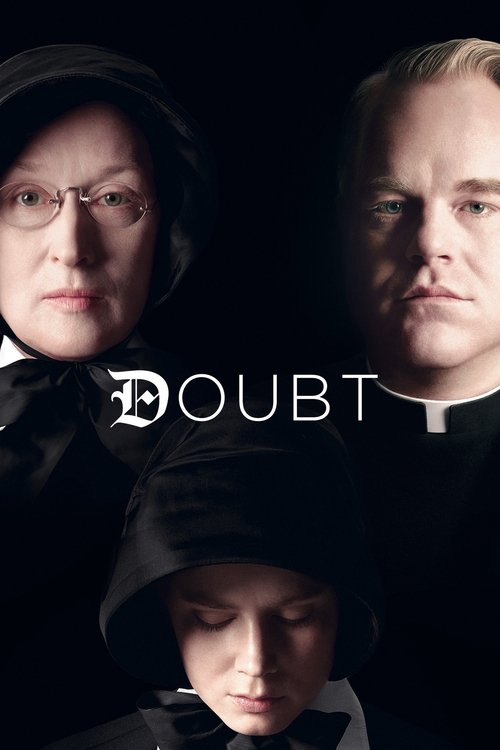
Doubt2008
Meryl Streep and Philip Seymour Hoffman in a tense parish standoff over an unproven allegation. Like Priest, it refuses easy answers and lets institutional complicity feel suffocating. The doubt itself is the point.
But Largely confined to one building. It can feel like a stage play, and the ambiguity frustrates viewers who want the truth spelled out.
Spotlight2015
Boston Globe journalists uncover the Catholic Church's systematic abuse coverup. A methodical, angry film about institutions protecting themselves over victims. It shares Priest's rage at institutional corruption.
But The ensemble cast means no single character dominates. Some find the procedural pacing dry rather than gripping.

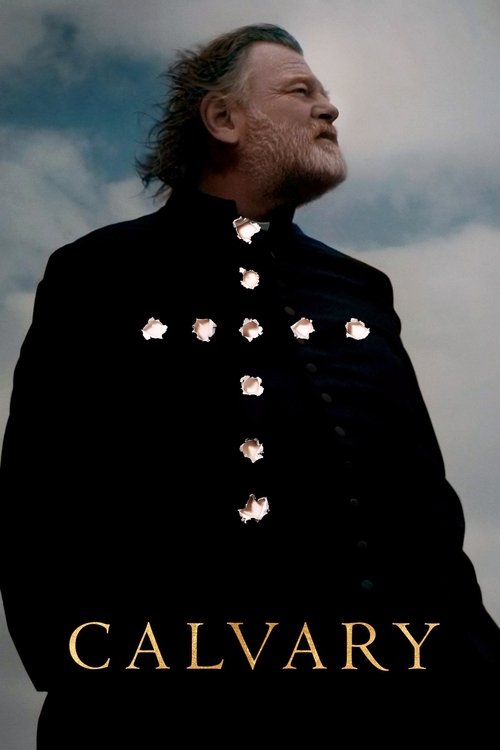
Calvary2014
A priest in a small Irish parish is threatened by a confession of abuse. Like Priest, it's a character study of faith under pressure, with black humour and real spiritual wrestling. Brendan Gleeson is extraordinary.
But Bleak and increasingly surreal. The pace is slow, and it ends in a place that will sit uncomfortably with viewers expecting resolution.
Not sure tonight? Get a pick in a minute, starting from Priest
The wildcard
Something you would not have found on your own.
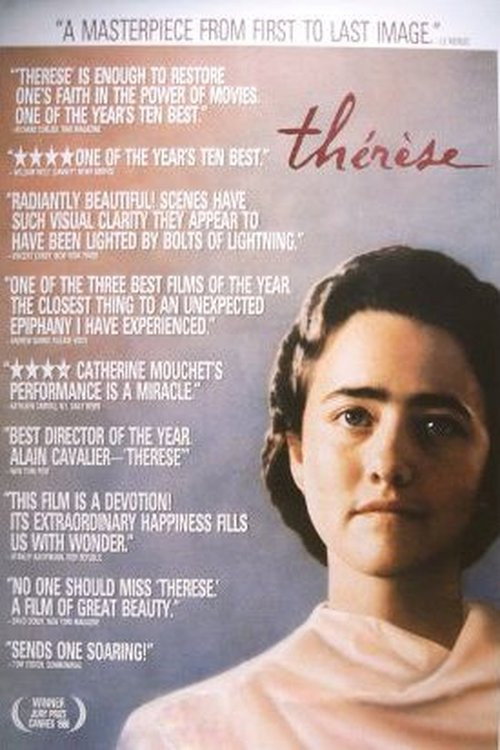
Thérèse1986
Both films locate spiritual crisis in the gap between the church's teachings and the lived body—but where Priest is angry, Thérese is contemplative. Each is the other's prayer.
Alain Cavalier's austere meditation on Saint Thérèse of Lisieux in her convent. No plot, minimal dialogue—instead, the texture of faith and doubt in silence. It's as uncompromising as Priest but approaches faith from inside rapture rather than betrayal.
But Deliberately quiet and imagistic. Viewers expecting narrative momentum will find it punishing.
More like this (8)
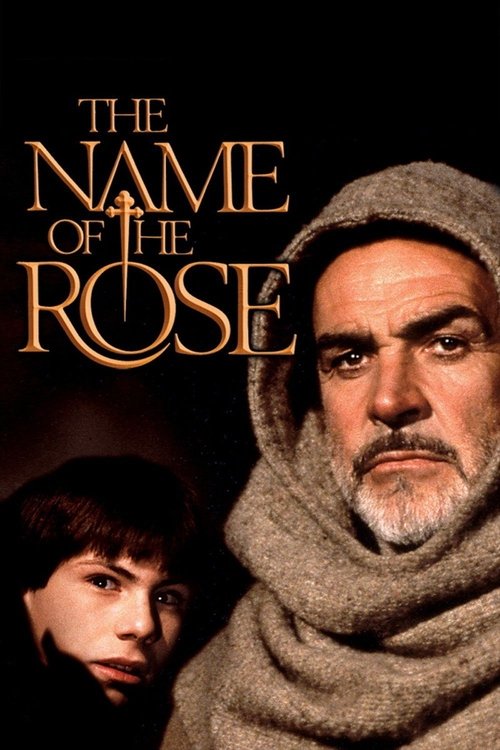
The Name of the Rose1986
Sean Connery as a Franciscan investigating murders in a medieval monastery. It shares Priest's interest in how institutions use secrecy to survive, though it's a murder mystery wrapped in historical grandeur.
But Nearly three hours long and heavy on theological philosophy. The pacing can feel medieval itself.
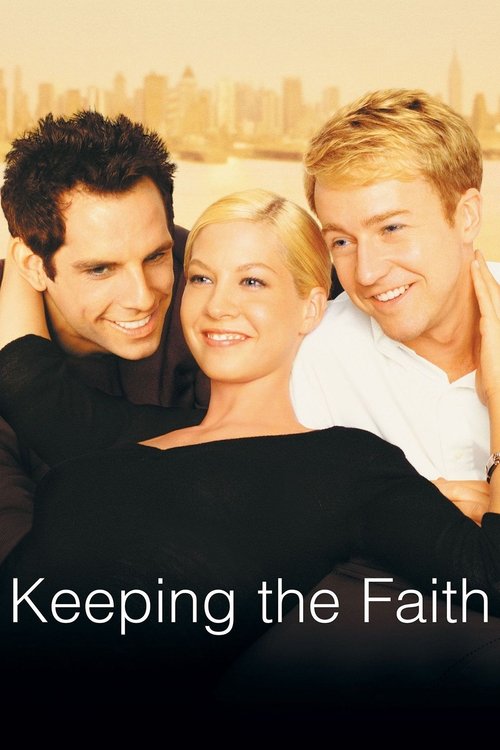
Keeping the Faith2000
Edward Norton and Ben Stiller as a priest and rabbi navigating forbidden attraction and faith. Lighter than Priest, but it genuinely engages with the conflict between doctrine and desire.
But It softens the stakes into a romantic comedy. For viewers wanting moral seriousness, this may feel evasive.
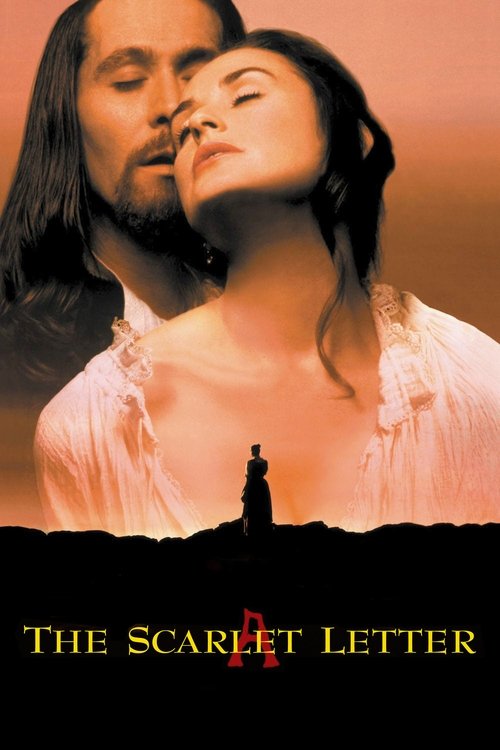
The Scarlet Letter1995
Demi Moore in Nathaniel Hawthorne's tale of desire, secrecy, and hypocrisy in a Puritan community. Released the same year as Priest and equally interested in the gap between what institutions preach and what they permit.
But The 1995 film version is a loose adaptation with some anachronistic choices. Hawthorne scholars tend to object strenuously.
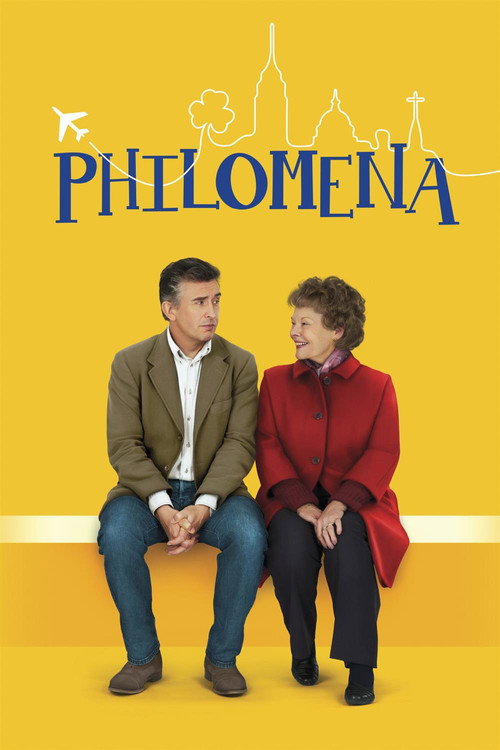
Philomena2013
Judi Dench and Steve Coogan investigate an Irish convent's dark history. It's warmer than Priest but covers the same ground: institutional cruelty hidden behind religious authority.
But The tone is gentler and the ending more redemptive than the real story warrants. Some find this softening dishonest.
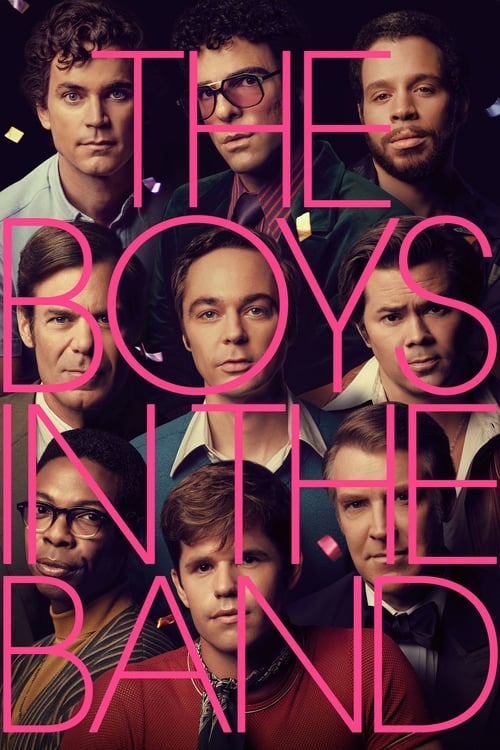
The Boys in the Band2020
A reunion of gay men grappling with shame, desire, and internalized faith. The Netflix film shares Priest's interest in how religious upbringing creates impossible conflicts between identity and belonging.
But Adapted from a 1968 play; some find the dialogue theatrical and the character types dated.
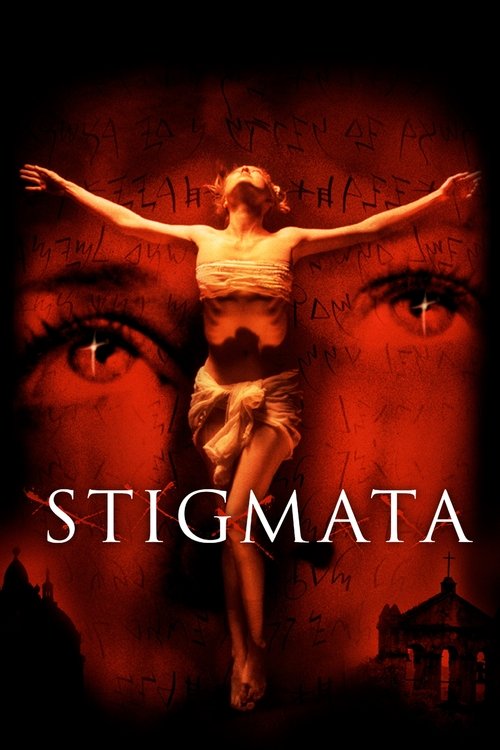
Stigmata1999
A woman develops stigmata and becomes entangled with a skeptical priest. Like Priest, it uses the church as a backdrop for exploring faith as lived experience rather than institutional comfort.
But It veers into supernatural territory and conspiracy thriller. The Catholic Church is less a complex institution than a villain in a action film.
A Prophet2009
Both follow a young man navigating institutional structures that claim to house moral authority but function as machines for control. Both are fascinated by what survival costs.
A young man enters prison and must navigate survival, corruption, and unlikely mentorship. It's not about religion, but it has Priest's precise interest in how institutions (prison, church) shape identity and morality through isolation and coded rules. Remarkably tense.
But It's French, and entirely set in prison. Some find the pace slow; others find it relentless.

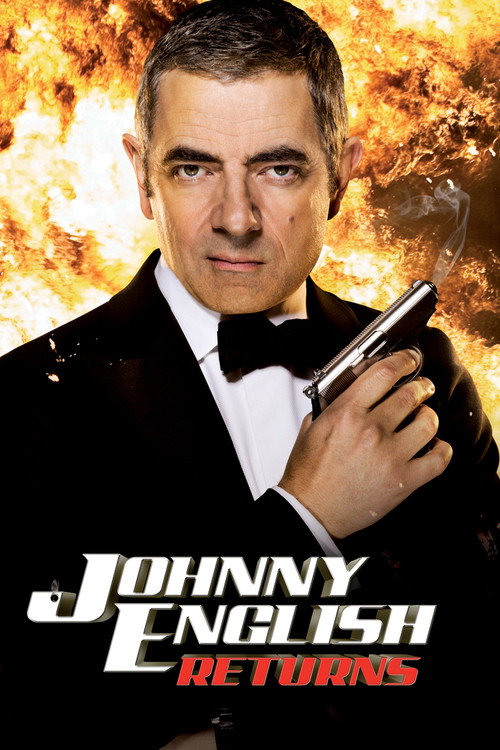
Johnny English Reborn2011
Where Priest anatomizes institutional hypocrisy with rage, Johnny English Reborn anatomizes it with complete absurdism. The structure is identical; the tone is the inversion. Same corruption, opposite response.
Rowan Atkinson's spy comedy set partly in a monastery. Sounds absurd, but the film gleefully uses the monastery as a space where authority is performative and truth is hidden—the same mechanism as Priest, just played for laughs rather than pain.
But It's a slapstick comedy. If you want Priest's seriousness, this will seem ridiculous and insulting.
People
Cast
 Linus RoacheFather Greg Pilkington
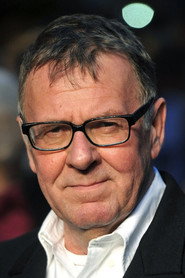 Tom WilkinsonFather Matthew Thomas
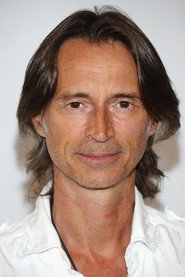 Robert CarlyleGraham
 Cathy TysonMaria Kerrigan
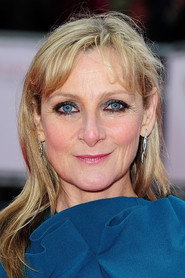 Lesley SharpMrs. Unsworth
 Robert PughMr. Unsworth
 Christine TremarcoLisa Unsworth
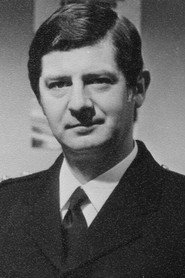 James EllisFather Ellerton
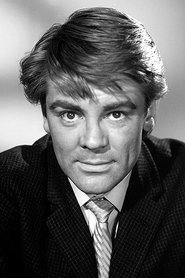 Anthony BoothTommy
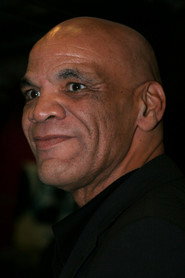 Paul BarberCharlie
 Rio FanningBishop
 Bill DeanAltar Boy
Directing
- Antonia BirdDirector
- Jamie AnnettSecond Assistant Director
Writing
- Jimmy McGovernWriter
Production
- Janet GoddardCasting
- Mark ShivasExecutive Producer
- Ann Harrison-BaxterLocation Manager
- George FaberProducer