
Film
Therese
Other titles called Therese: the 1986 film, the 2012 film.
- Drama
- Slow-burning
A provincial French housewife, trapped in a loveless marriage to a pompous landowner, poisoned her husband—or did she? Thérèse is a claustrophobic chamber piece about female suffocation and the space between intention and act. Emmanuelle Riva's face becomes the entire drama: minute shifts of feeling in a life of enforced stillness. Essential Demy cinema.
If you liked this
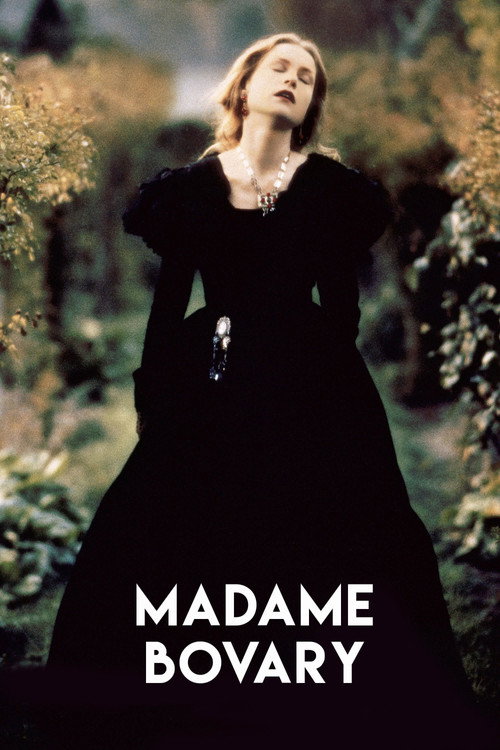
Madame Bovary1991
Another woman crushed by provincial convention and a dull husband, seeking escape through fantasy and transgression. Winona Ryder finds the romantic yearning that makes the tragedy unbearable—a perfect counterpoint to Riva's ice.
But Longer and more obviously melodramatic than Thérèse. The costume drama trappings might feel distant compared to the austere 1962 frame.
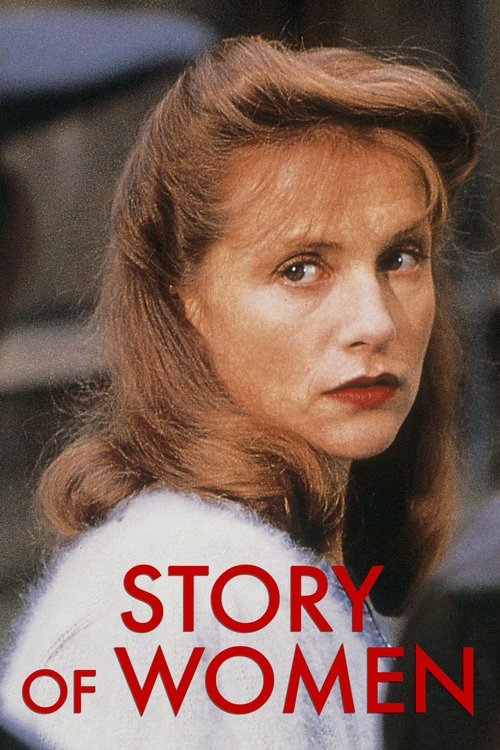
Story of Women1988
A woman facing death for a crime she claims she didn't commit, told with unflinching directness. Chabrol's investigation of female agency and legal injustice shares Thérèse's moral complexity—nothing is tidy, and that's the point.
But Grittier and more polemical. Some may find it angry where Thérèse is resigned, which can read as didactic rather than ambiguous.
Hiroshima Mon Amour1959
A woman haunted by past secrets meets a stranger; memory and desire collapse into each other. Like Thérèse, it's about female interiority and the impossibility of truly knowing another person. Duras's layered, almost musical structure will rewire your brain.
But Experimental and formally demanding. Very little plot. If you're expecting conventional narrative, this will feel like watching someone else's dream.
Not sure tonight? Get a pick in a minute, starting from Therese
The wildcard
Something you would not have found on your own.
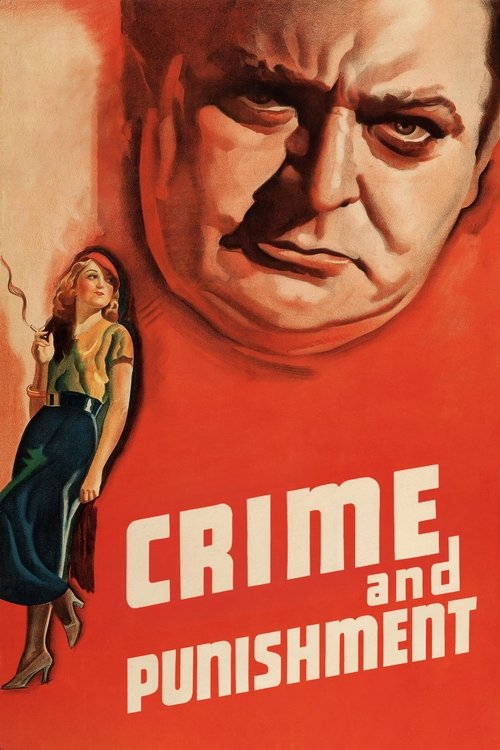
Crime and Punishment1935
Both examine the aftermath of a poison-induced crisis, and both are finally about whether redemption is possible when your own hands won't release what they've done. Neither offers absolution.
Dostoevsky's novel has the same obsessive architecture as Thérèse: a person haunted by their own act, grinding against conscience and society. This 1935 adaptation (Castellani) is ruthless and intimate, with Marthe Harell as a woman undone by knowledge. A spiritual sibling, not a remake—same engine, different register.
But Russian melodrama of a different colour than the French provincial restraint you've just watched. The psychological intensity might feel baroque. And it's hard to find in decent prints.
More like this (7)
La Haine1995
Both films trap their protagonists in spaces that mirror their psychological imprisonment. Though set in contemporary Paris, the sense of inescapable circumstance and the accumulation of small betrayals echo Thérèse's logic.
But Tonally completely different—raw, urgent, and angry where Thérèse is quiet. The social context is entirely opposed, which might feel like a false equivalence.

The Remains of the Day1993
Another masterpiece about emotional imprisonment and the poison of decorum. James Stevens doesn't pour strychnine; he poisons himself with propriety. Anthony Hopkins's stillness mirrors Riva's—the tragedy is what never gets said.
But British restraint versus French ennui. The pacing is glacial even by the standards of quiet cinema, and some find it suffocating in a way that empties rather than fills.

The Leopard1963
Another European family saga about inheritance, duty, and the collapse of an old order. Visconti's visual grandeur and Burt Lancaster's performance offer a male-centered counterpoint to Thérèse's female consciousness.
But Sweeping and operatic in a way Thérèse isn't. Three hours. If you wanted something leaner and more claustrophobic, this will feel like watching someone else's spectacle.

Bitter Lake2015
A woman in a stifling marriage contemplates desperate measures. Like Thérèse, it's interested in the gap between thought and action, fantasy and deed. Russian cinema at its most mordant.
But Obscure and rarely available. Tonally harsh in ways that might feel punitive rather than illuminating. The ending refuses to console.
The Seventh Seal1957
Bergman's meditation on death, faith, and what we can or cannot know about another person. It has Thérèse's metaphysical weight and its sense that the deepest human mysteries remain forever opaque.
But Medieval allegory and philosophical abstraction. Some find it a masterpiece; others find it overwrought. The distance from domestic poisoning to chess with Death can feel too vast.

Brief Encounter1945
Celia Johnson's performance is all glances and gestures—that same economy of expression where feeling accumulates in tiny gestures. A portrait of passion constrained by circumstance and propriety.
But British, romantic, and ultimately bittersweet rather than dark. Some may find it too refined after Thérèse's moral murk. The period style reads differently than the austere '60s frame.

Jeanne Dielman, 23, quai du Commerce, 1080 Bruxelles1976
Both are about the accumulation of small pressures—how a life becomes unliveable not through one act but through a thousand daily mortifications. Both end in rupture. One is invisible; one is criminal.
Three hours of a widow's domestic rituals: cooking, cleaning, bookkeeping, her one client upstairs. Chantal Akerman's film is Thérèse's inversion—a woman whose imprisonment is almost entirely self-constructed, and who finally obliterates the routine from within. Hypnotic and devastating.
But Glacially slow and structurally radical. No plot; almost no dialogue. Asks you to find the drama in repetition. Many find it brilliant; others find it a test of patience that reveals nothing but tedium.

People
Cast
 Emmanuelle RivaThérèse Desqueyroux
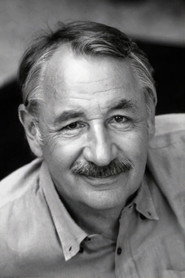 Philippe NoiretBernard Desqueyroux
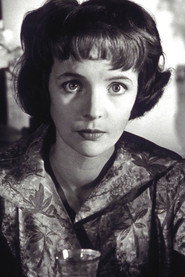 Édith ScobAnne De La Trave
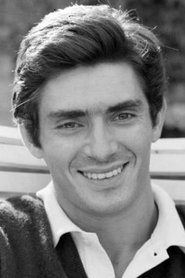 Sami FreyJean Azevedo
- Renée DevillersMme De La Trave
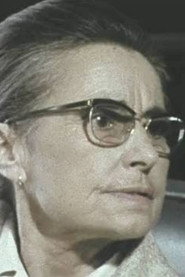 Jeanne PérezBalionte
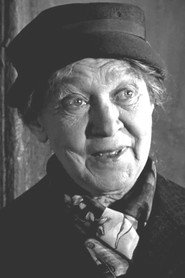 Hélène DieudonnéTante Clara
- Richard Saint-BrisHector De La Trave
- Jean-Jacques Rémyle spécialiste
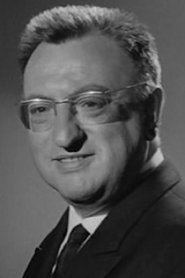 Jacques MonodMaître Duros
- Lucien NatLaroque
Directing
- Georges CasatiAssistant Director
- Georges FranjuDirector
Writing
- François MauriacNovel
- Claude MauriacWriter
- Georges FranjuWriter
Production
- Eugène LépicierProducer
- Robert VignonProduction Manager
- André ChabrolUnit Production Manager
Recommended by
Wind at My Back, The Lovers, Diary of a Chambermaid, Madame Bovary