
Film
Story of Women
Isabelle Huppert is magnetic as Marie, a French woman in occupied WWII France who performs underground abortions to survive, committing small acts of rebellion that become moral compromises. It's unflinching and intimate—Claudine Merlin's film watches her without judgment, letting ambition and necessity tangle into something you can't quite resolve. Essential for anyone interested in how ordinary people navigate impossible choices.
If you liked this
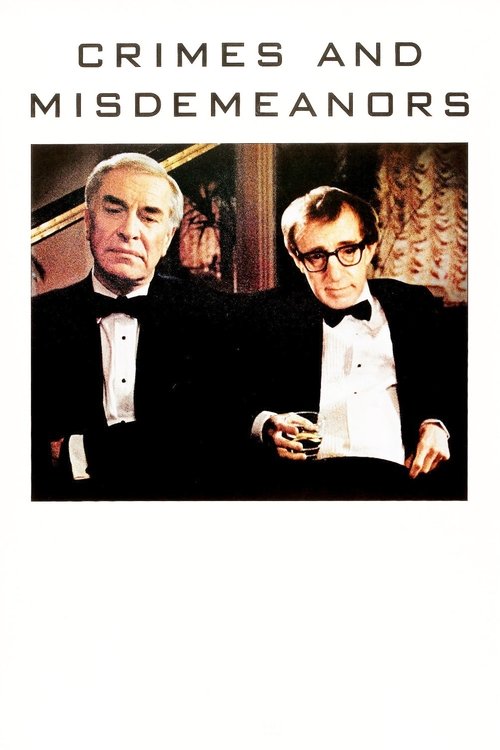
Crimes and Misdemeanors1989
Woody Allen's examination of how good people rationalize terrible acts. Features Huppert's exact moral territory: the comfortable slide from necessity into sin, and how conscience fades when nobody's watching.
But Allen's New York neurosis may feel worlds away from occupied France, and the tonal shifts between drama and comedy can feel jarring.
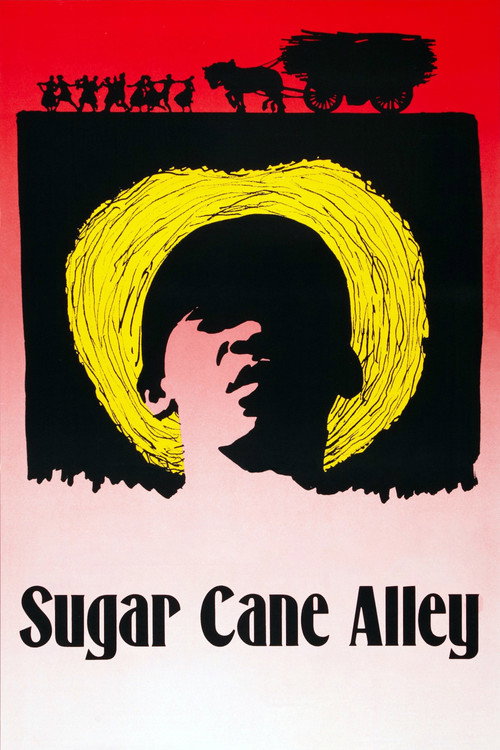
Sugar Cane Alley1983
Euzhan Palcy's film about colonialism, poverty, and the choices forced on people with no good options. Shares Story of Women's refusal to make survival morally tidy or sympathetic.
But Structured as memory and education rather than conventional drama—some find it slow-paced and didactic.
Jeanne Dielman, 23, quai du Commerce, 1080 Bruxelles1976
Chantal Akerman's three-hour observation of a woman's domestic and secret life. Like Merlin's film, it finds profound dignity and transgression in the ordinary, refusing to mythologize or judge her subject.
But It is deliberately slow. If you need plot momentum, this will test your patience severely.

Not sure tonight? Get a pick in a minute, starting from Story of Women
The wildcard
Something you would not have found on your own.
Breathless1960
Both films center women who refuse to follow the moral script society writes for them, and both directors watch them without editorializing. Merlin's film is the mirror-world version: the same freedom, anchored in desperation rather than existential swagger.
Godard's film is formally the opposite of Story of Women's naturalism, yet it's about the same thing: a woman moving through the world according to her own rules, unmoored from conventional morality, charming and selfish and alive.
But Jump cuts, non-sequiturs, and a philosophy-student tone make it feel experimental rather than dramatic. It can seem pretentious to modern eyes.

More like this (5)
Kes1970
Ken Loach's portrait of a working-class boy in industrial England. Same unflinching eye for how poverty shapes choices, same refusal to sentimentalize desperation or resistance.
But The Yorkshire dialect takes concentration, and it ends in a way that many find almost unbearably bleak.

The Seventh Seal1957
Bergman's medieval woman-centered scenes (and the whole film, really) grapple with mortality, faith, and the moral cost of survival in hostile times. Operates in similar psychological depths.
But It's deliberately philosophical and can feel remote; also, Bergman's symbolism isn't for everyone.

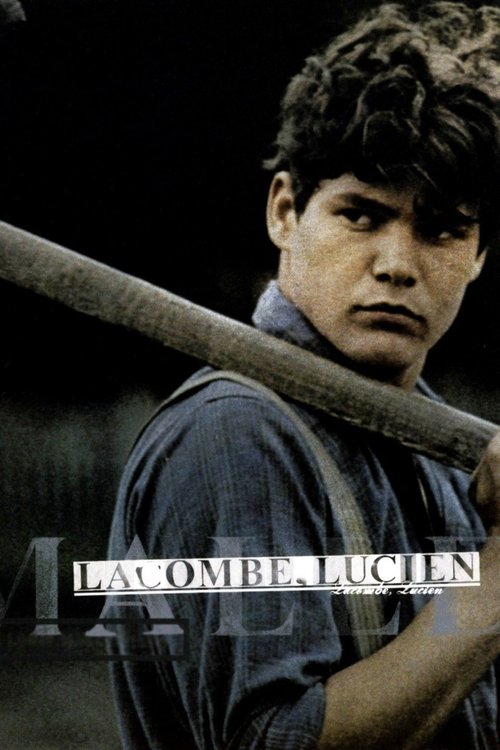
Lacombe, Lucien1974
Louis Malle's portrait of a French collaborator during WWII. Like Story of Women, it shows how ordinary people end up on the wrong side without needing them to be monsters.
But It's morally ambiguous in ways that make some viewers deeply uncomfortable—no clear heroes provides no comfort.
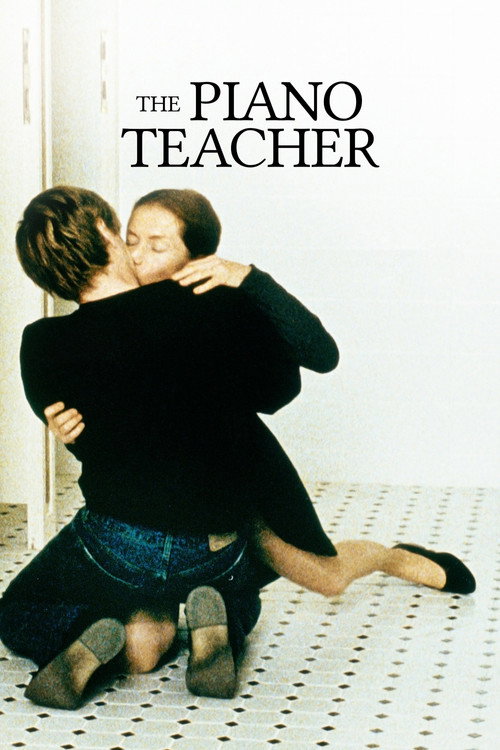
The Piano Teacher2001
Michael Haneke's portrait of a brilliant woman whose interior life is unmoored from her public performance. Huppert in a different role but the same psychological terrain.
But It is genuinely difficult to watch—sexual and violent—and the film offers no redemption or resolution.
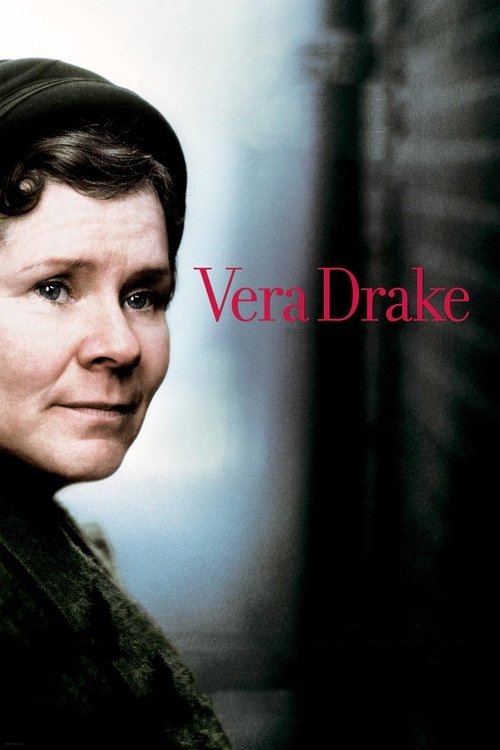
Vera Drake2004
Identical premise, opposite interpretation. Vera Drake treats abortion as an act of love; Story of Women treats it as an act of survival mixed with profit and power. Watching them together lets you see how a film's sympathies completely reshape what you think you're watching.
Mike Leigh's film about an older woman who performs illegal abortions out of compassion in 1950s London. It's the spiritual sibling to Story of Women—same crime, different country and era, but the film's moral geometry is inverted.
But Where Merlin shows Marie's amoral energy, Leigh's Vera is almost saintly. If you're coming from Story of Women expecting the same moral ambiguity, you won't find it.
People
Cast
 Isabelle HuppertMarie Latour
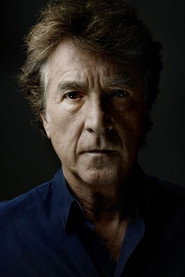 François CluzetPaul Latour
 Nils TavernierLucien
 Marie TrintignantLulu / Lucie
- Guillaume FoutrierPierrot 1
- Nicolas FoutrierPierrot 2
- Aurore GauvinMouche 1
 Lolita ChammahMouche 2
 Marie BunelGinette
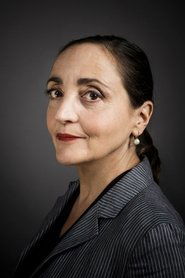 Dominique BlancJasmine
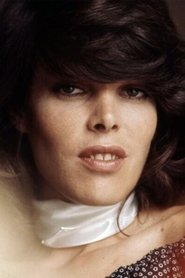 DaniLoulou
 Evelyne DidiFernande
Directing
- Alain WermusAssistant Director
- Michel DupuyAssistant Director
- Claude ChabrolDirector
Writing
- Francis SzpinerBook
- Claude ChabrolWriter
- Colo Tavernier O'HaganWriter
Production
- Marin KarmitzProducer
- Yvon CrennProduction Manager