
Film
Lacombe, Lucien
- Drama
- Very dark
Louis Malle's unflinching 1974 study of complicity and moral drift follows a rural French teenager who turns Nazi collaborator after petty rejection, then stumbles into love with a Jewish woman. It's austere and unforgiving, refusing easy answers or moral comfort. For viewers who can sit with historical ugliness and want to understand how ordinary people become monstrous.
Should you watch it?
Watch it if you are drawn to character studies that stay with an unlikable, ordinary young man and refuse to explain him, and you can sit with moral discomfort without being handed a verdict.
Skip it if you need a clear moral line or a story that drives forward, since this one is patient, observational and lingers on ordinary routine for long stretches across 138 minutes.
What it asks of you: Nearly two and a half hours unfold at a measured, unhurried pace, with menace arriving through glances and small routines rather than set pieces, so stay alert to what goes unsaid.
Not sure? Find tonight's pick in a minute.
If you liked this
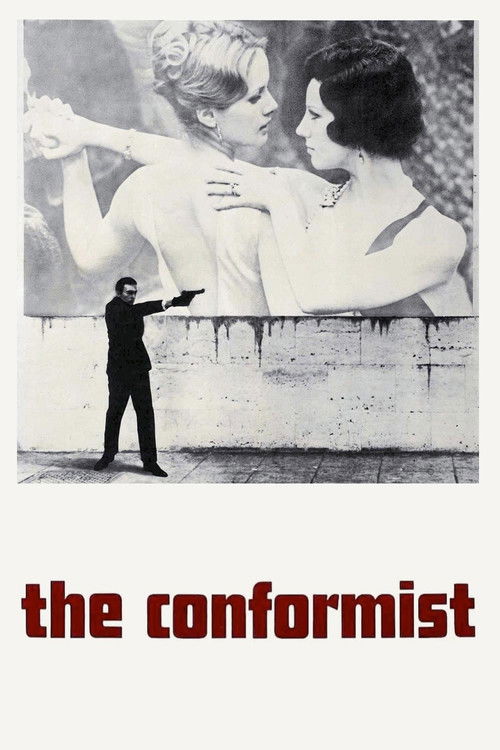
The Conformist1971
Bertolucci's masterpiece traces another young man's seduction by fascism with equal visual sophistication and moral clarity. Like Lacombe, it argues that evil wears the costume of normalcy and that charm can coexist with cruelty.
But Structurally intricate and paced for contemplation rather than momentum. The eroticism may feel distant or clinical to some viewers.
Come and See1985
Elem Klimov's Russian film follows a boy's initiation into WWII horror with unflinching brutality. It shares Lacombe's refusal to sentimentalize youth or offer redemptive arcs; both watch innocence curdle into something worse.
But Viscerally harrowing. Not a film that lets you sit comfortably. Genuinely difficult to endure.

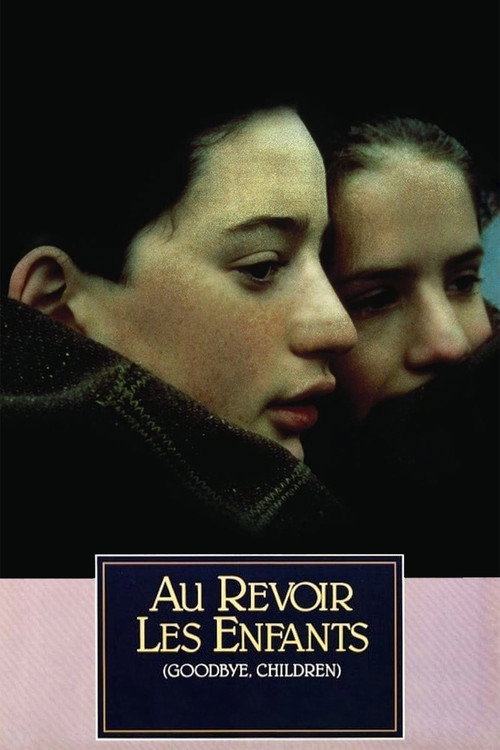
Au Revoir les Enfants1987
Malle's own later film revisits occupied France through a child's perspective, examining complicity and betrayal with the same unflinching eye. More tender than Lacombe, but equally honest about moral ambiguity.
But The elliptical ending may frustrate viewers seeking clear emotional resolution. It's as much meditation as story.
Not sure tonight? Get a pick in a minute, starting from Lacombe, Lucien
The wildcard
Something you would not have found on your own.
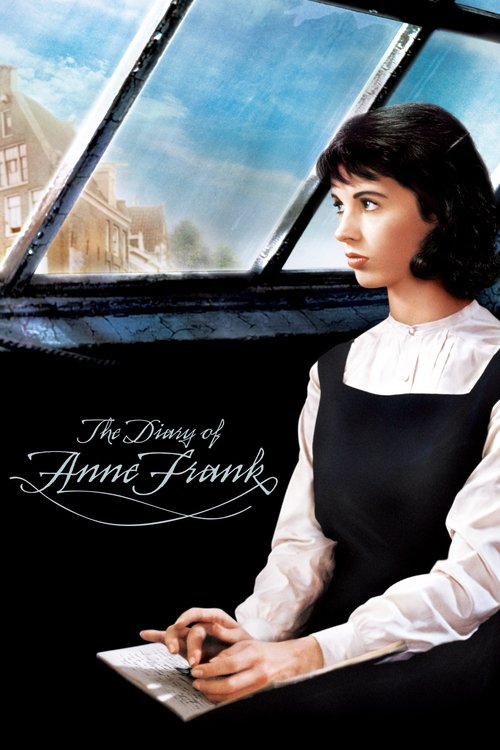
The Diary of Anne Frank1959
Both pivot on the enforced intimacy between Jews and gentiles under Nazi occupation. One film shows hiding; the other shows the system that makes hiding necessary. Together they complete the moral picture.
George Stevens' film follows the Frank family in hiding—the exact circumstances Lucien's romance attempts to navigate. Watching it after Lacombe transforms both: Stevens shows the hunted, Malle shows the hunter, and the moral distance collapses.
But Respectful and emotionally direct in ways that can feel dated. Some viewers find its earnestness didactic rather than moving.
More like this (6)
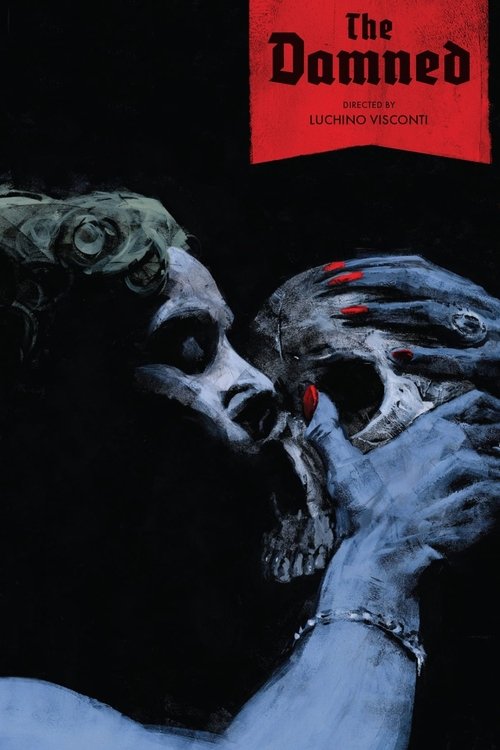
The Damned1969
Visconti's operatic tragedy follows a wealthy German family's moral collapse under Nazism. Like Lacombe, it shows how ideology and desire entangle, and how convenience becomes complicity.
But Extremely long, visually baroque, and sexually transgressive. The register is melodrama, not naturalism, which distances some viewers.
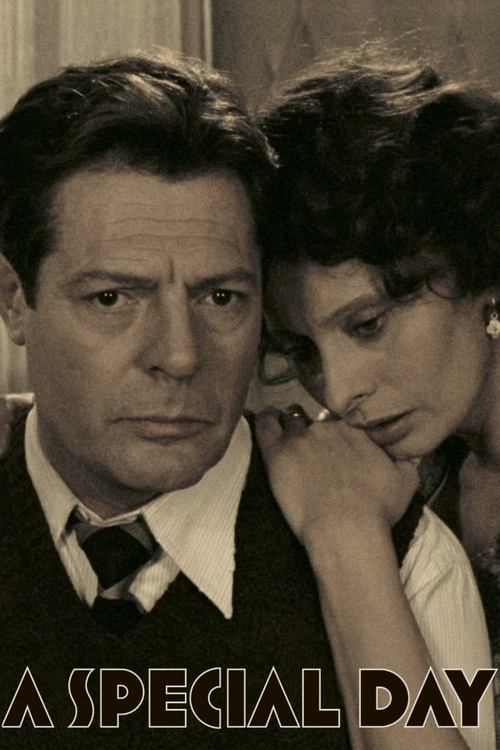
A Special Day1977
Scola's intimate film shows a fascist and an anti-fascist finding unlikely connection under Mussolini's regime. It argues, as Lacombe does, that systems corrupt individuals regardless of ideology.
But Slight by comparison with heavier war dramas. The romance risks feeling sentimental to those seeking moral punishment.
Kes1970
Loach's Yorkshire film about a rejected boy finding dignity through a hawk shares Lacombe's attention to how systems crush youth. Different context, identical emotional truth about powerlessness and the hunger for control.
But Set in 1960s England, not occupied France—the connection requires patience. Working-class British accents and slang may be initially opaque.

Stalker1979
Tarkovsky's metaphysical slow-burn shares Lacombe's mistrust of easy answers and certainty. Both films ask what we desire and why, without offering comfort.
But Ninety minutes of philosophical rumination on desire feels abstract next to Lacombe's brutal specificity. The pace will test most viewers.

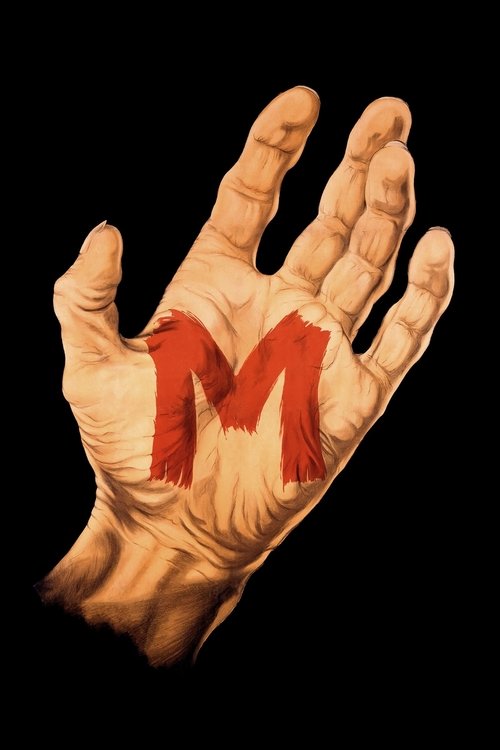
M1931
Fritz Lang's Weimar masterpiece about a serial killer hunted through Berlin examines how individuals are shaped by systems and circumstance. Pre-Nazi, but prophetic about how societies enable evil.
But Silent-era pacing and German Expressionist style feel very distant. The argument is philosophical rather than intimate.
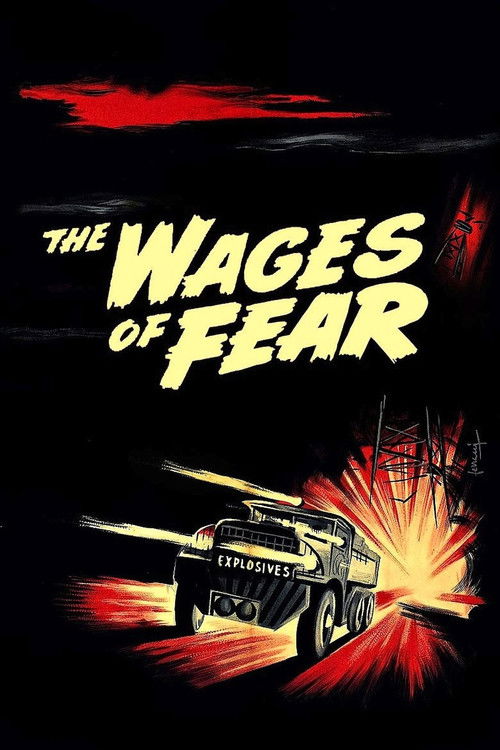
The Wages of Fear1953
Both films refuse to separate the personal from the political, and both argue that systemic pressure—occupation, poverty, rejection—shapes individuals more than conscience does. Lucien joins Vichy; the men in Wages transport explosives. Same surrender, different costume.
Clouzot's thriller about men transporting nitroglycerin through South America examines how desperation and circumstance strip away ethics. Like Lacombe, it shows ordinary men making terrible choices—not from ideology but from immediate need and weakness.
But The political critique is embedded in action rather than stated. Viewers seeking moral clarity about the characters' choices may find it ambiguous to the point of frustration.
People
Cast
 Pierre BlaiseLucien Lacombe
 Aurore ClémentFrance Horn
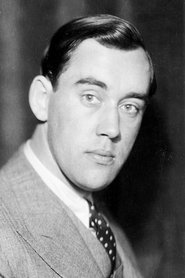 Holger LöwenadlerAlbert Horn
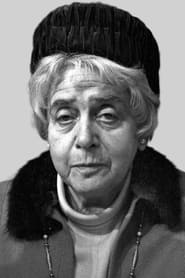 Therese GiehseLa Grand-mère
 Stéphane BouyJean-Bernard
 Loumi IacobescoBetty Beaulieu
 René BoulocFaure
 Jean RougerieTonin
 Pierre DecazesAubert
 Jacqueline StaupMelle Chauvelot
- Cécile RicardMarie
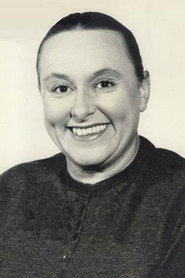 Ave NinchiMme Georges
Directing
- Jean-Pierre DionAssistant Director
- Marc GrunebaumAssistant Director
- Louis MalleDirector
- Sylvette BaudrotScript Supervisor
Writing
- Louis MalleWriter
- Patrick ModianoWriter
Production
- Catherine VernouxCasting
- Claude NedjarProducer
- Louis MalleProducer
- Paul MaigretProduction Manager
- Simone ClementProduction Secretary
- Jean-Pierre PessozUnit Manager
- Roland ThénotUnit Manager
Recommended by
Un village français, Gone to Earth, Samson and Delilah, The Last Metro, Murmur of the Heart, Story of Women, Maid in Sweden, From Hell to Victory