
Film
The Diary of Anne Frank
The 1959 stage-to-screen adaptation of Anne Frank's diary, shot in near real-time confinement, all creak and hush and stolen light. It's stagier than later versions—theatrical blocking, black-and-white grandeur—but the confinement itself does the work: eight people, one attic, years compressed into scenes. For anyone who wants the introduction to this story before the harder truths, told with restraint rather than spectacle.
If you liked this
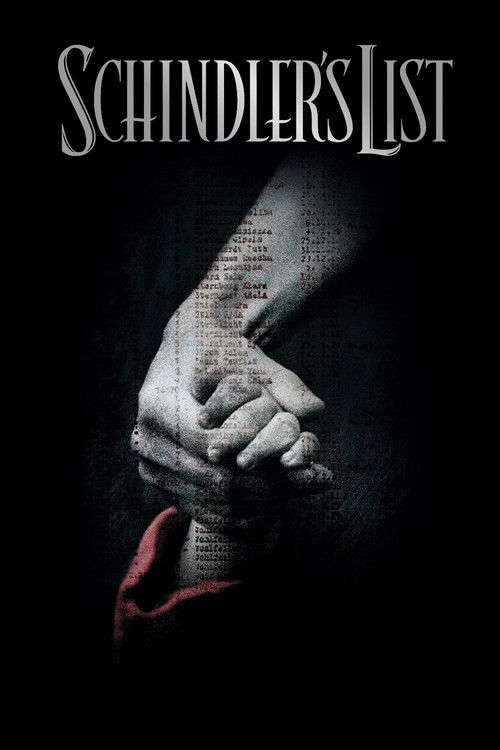
Schindler's List1993
Spielberg's monumental telling of the same catastrophe, following one man's slow shift from profiteer to protector. It's the film against which almost every Holocaust story gets measured.
But Three hours of black-and-white devastation; it demands stamina and won't let you look away when you want to.
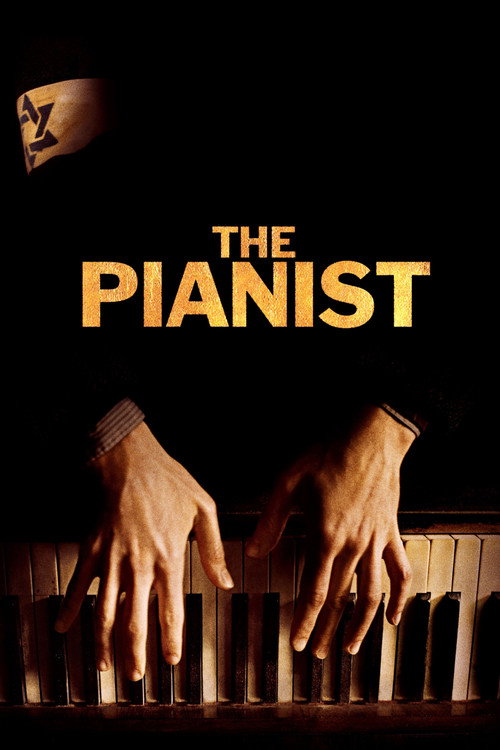
The Pianist2002
Adrien Brody's Oscar-winning performance follows a Polish-Jewish musician hiding and starving through the Warsaw ghetto's destruction—unflinching, exact, and quietly devastating.
But Bleaker and more solitary than Anne's story; little warmth, mostly hunger and hiding, right to its bitter end.
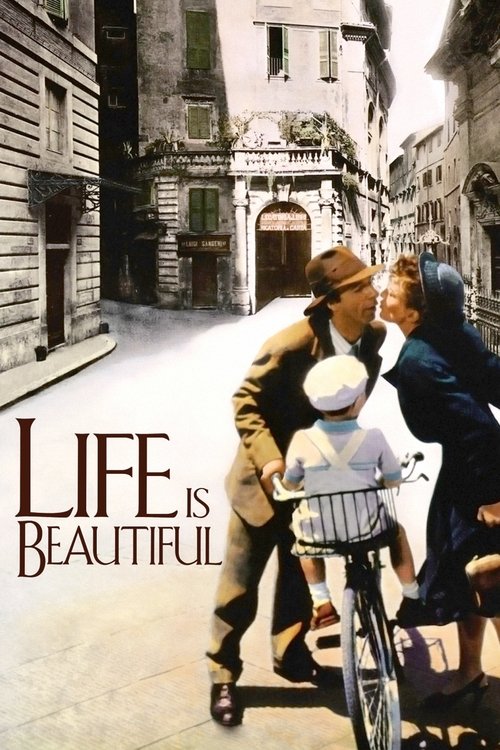
Life Is Beautiful1997
An Italian father invents a game to shield his son from the truth of the camp they're in—funny, then unbearably sad, sometimes in the same breath.
But The tonal swing from comedy to horror upsets some viewers; it can feel like a trick played on you.
The wildcard
Something you would not have found on your own.
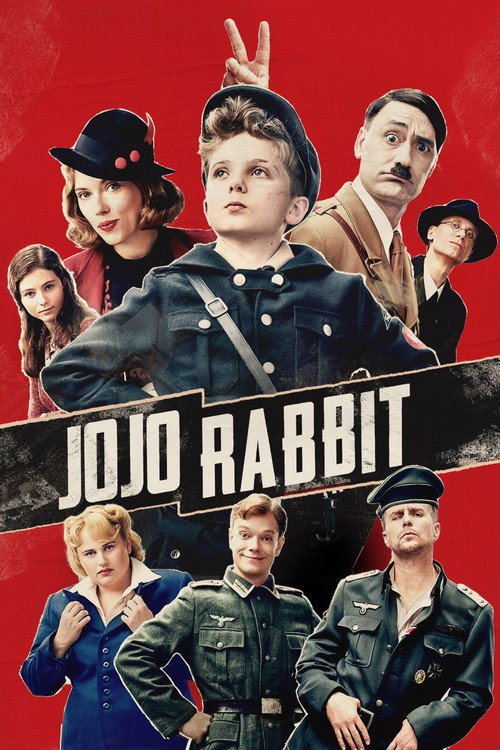
Jojo Rabbit2019
Both stories filter the incomprehensible scale of Nazi persecution through a child's imagination—Anne's diary as a private world she builds to survive, Jojo's imaginary Hitler as a coping mechanism that curdles into truth.
Taika Waititi's satire imagines a lonely German boy's invisible friend as a buffoonish Hitler, until the real war and a girl hidden in his walls crack his fantasy apart.
But The comedy is broad and the tonal whiplash into grief is deliberate and brutal; some find the satire too glib for the subject.
More like this (8)
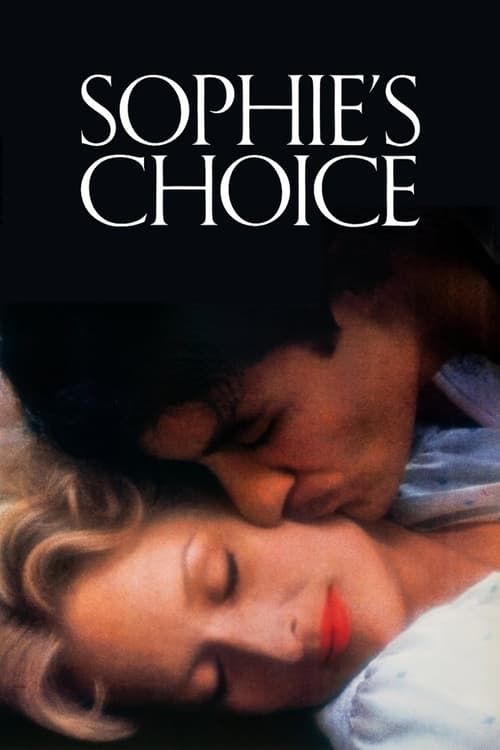
Sophie's Choice1982
Meryl Streep as a Holocaust survivor unravelling in postwar Brooklyn, carrying a secret so terrible the film builds its entire structure around delaying it.
But Slow-burning and literary, with a payoff so harrowing some viewers wish they'd never asked.
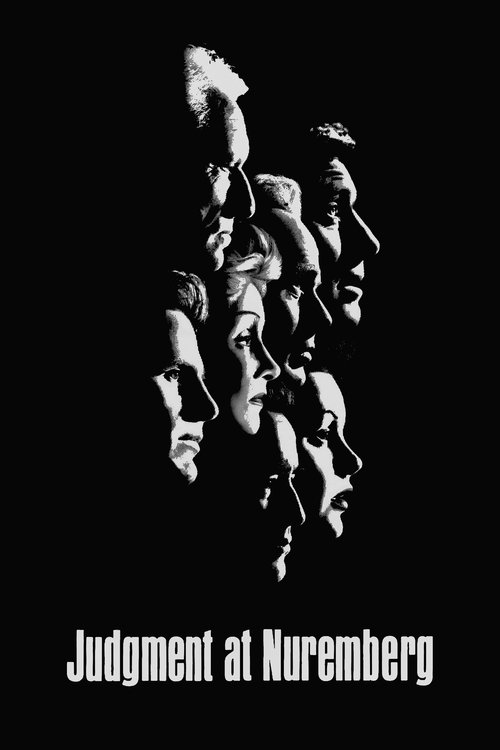
Judgment at Nuremberg1961
A courtroom epic asking who's guilty when an entire nation looked away—made two years after this film, with the same moral seriousness and a starrier cast.
But Talky and long at three hours; more legal argument than drama, though the arguments are gripping.
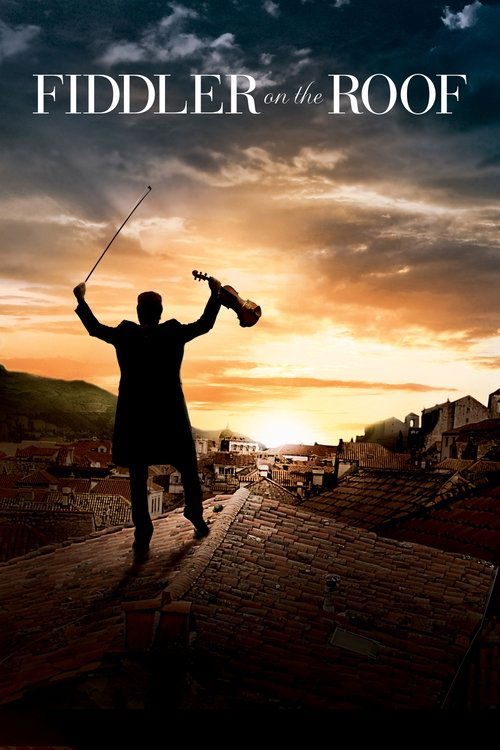
Fiddler on the Roof1971
A warmer, funnier vision of Jewish family life under threat, with songs instead of whispers, tracing a community forced from its home by rising persecution.
But It's a musical, tonally miles from Anne's attic; the joy makes the eventual loss land differently.
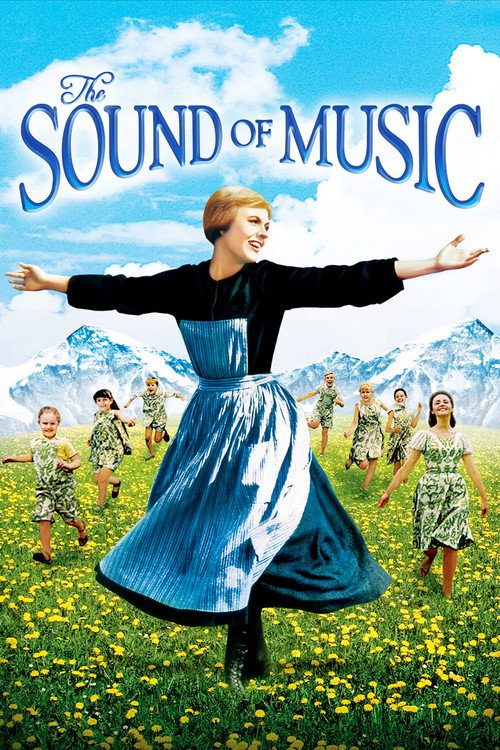
The Sound of Music1965
Another family fleeing the Nazis, another true story softened for the screen—if you want the hiding-and-escape story with music and a happier ending.
But Glossy and sentimental where Anne Frank's story is grim; some will find the contrast almost disrespectful.
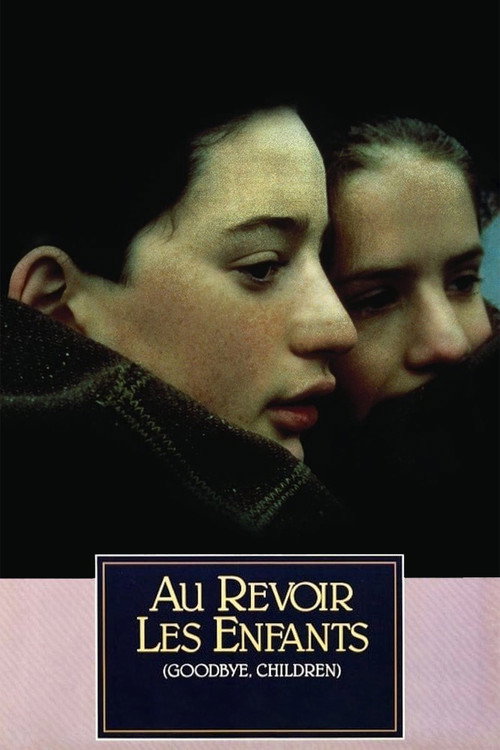
Au Revoir les Enfants1987
Louis Malle's autobiographical French drama about boys hidden in a Catholic boarding school, one of them Jewish—tender, specific, quietly devastating in the end.
But Subtitled and slow-paced, its power creeps up rather than announces itself; patience required.
Sarah's Key2010no page yet
A modern journalist uncovers a hidden Holocaust story tied to her own apartment, weaving present-day guilt with wartime horror across two timelines.
But The dual-timeline structure can feel schematic, and the contemporary half is thinner than the wartime one.
Night and Fog1956
Where the 1959 film gives you a family's private world before catastrophe, this unflinching French documentary shows what the camps themselves actually looked like—the fact underneath the story.
A 32-minute documentary essay, narrated over footage shot at the camps a decade after liberation, it is one of the first and most direct confrontations with what actually happened.
But There's no character, no comfort, no narrative distance—just fact and atrocity, deliberately hard to sit through.
The Man in the High Castle2015
A speculative what-if where the Nazis won channels the same dread of surveillance, hidden identity, and the knock at the door that defines Anne's story, staged instead as a thriller across an entire alternate world.
Adapted from Philip K. Dick's novel, this series imagines an America divided between Nazi and Japanese rule, following ordinary people forced to hide who they are just to survive.
But Genre trappings—resistance plots, alternate-history worldbuilding—sit oddly next to real historical horror; some find the premise queasy rather than illuminating.

People
Cast
 Millie PerkinsAnne Frank
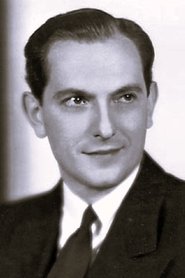 Joseph SchildkrautOtto Frank
 Shelley WintersPetronella Van Daan
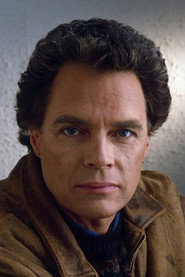 Richard BeymerPeter Van Daan
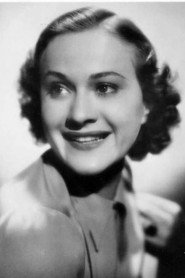 Gusti HuberEdith Frank
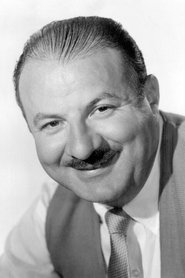 Lou JacobiHans Van Daan
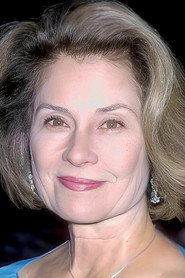 Diane BakerMargot Frank
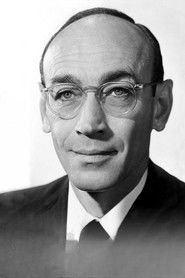 Douglas SpencerKraler
 Dody HeathMiep Gies (as Dodie Heath)
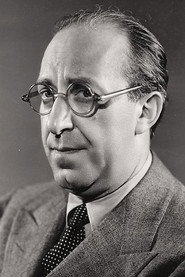 Ed WynnAlbert Dussell
- Robert BoonSS Man (uncredited)
- Delmar EricksonSS Man (uncredited)
Directing
- David S. HallAssistant Director
- George StevensDirector
- Garson KaninStage Director
Writing
- Anne FrankNovel
- Albert HackettScreenplay
- Frances GoodrichScreenplay
- Albert HackettTheatre Play
- Frances GoodrichTheatre Play
Production
- George Stevens Jr.Associate Producer
- George StevensProducer
Recommended by
Hotel Rwanda, Life Is Beautiful, Au Revoir les Enfants, The Boy in the Striped Pyjamas, The Sound of Music