
Film
Sarah's Key
- Drama
- Very dark
Sarah's Key weaves together two timelines: the 1942 Vel' d'Hiv Roundup, when Paris police arrested thousands of Jews, and a modern journalist's investigation into a hidden family secret. It's a handsome, emotionally direct drama about complicity, survival, and the cost of silence. For those who connect with historical trauma stories that demand reckoning.
Should you watch it?
Watch it if you want a historical drama that moves between the 1942 roundup and a present-day investigation, and you're happy letting a quiet mystery build around a difficult past.
Skip it if you want a brisk pace or a fresh angle on the Holocaust, since this is a slow, earnest film that leans on familiar sorrow and hard emotional beats.
What it asks of you: Two timelines run side by side at a deliberate pace, with long, quiet passages and a running time of under two hours that never rushes its grief.
Not sure? Find tonight's pick in a minute.
If you liked this
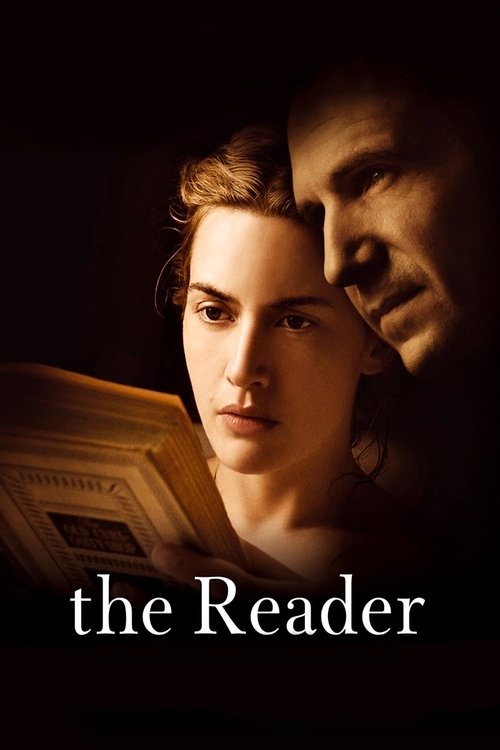
The Reader2008
Another story about postwar secrets and moral compromise, where a woman must confront uncomfortable truths about someone she loves. Kate Winslet delivers a performance of devastating restraint.
But The central relationship is morally murky in ways that can feel uncomfortable rather than clarifying. Some find the parallel timelines less engaging than the historical thread.
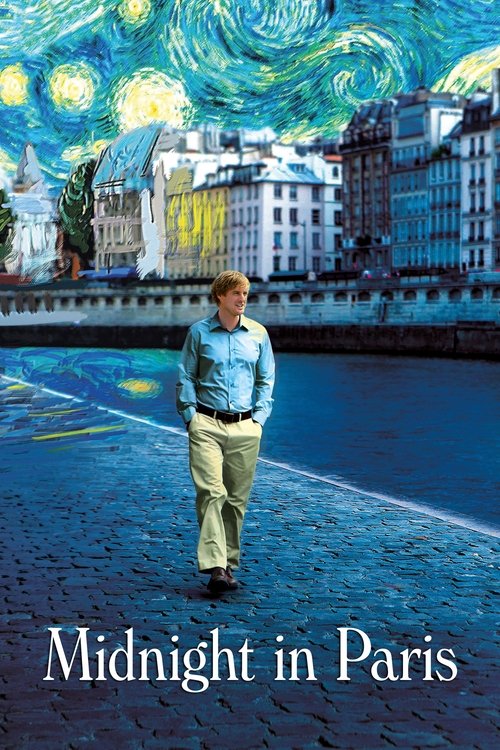
Midnight in Paris2011
Also set in Paris with an American grappling with the city's layered history, but lighter in touch. It captures that specific enchantment of discovering what a place has been underneath what it appears to be.
But It's whimsical where Sarah's Key is grave. The fantasy element might feel trifling if you're in the mood for something heavier.
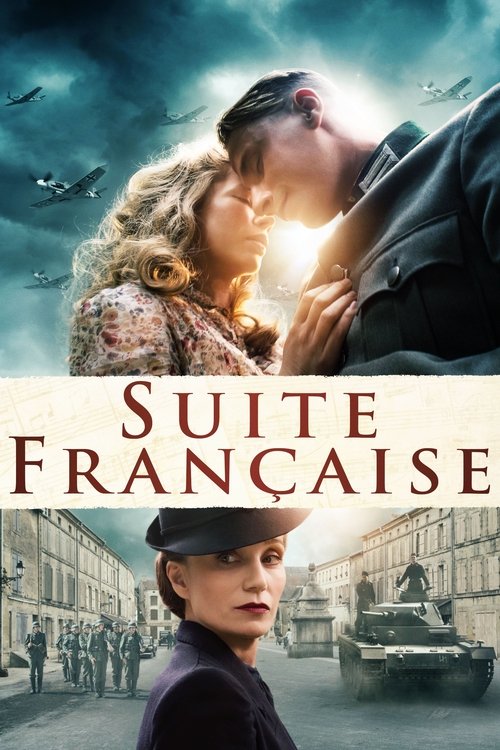
Suite Française2015
Another Kristin Scott Thomas film set in occupied France, this time as a woman navigating love and survival during the Nazi occupation. Michelle Williams and Tom Hiddleston anchor a quietly devastating romance.
But The pacing is deliberate to the point of stillness. It prioritises mood and restraint over plot momentum, which costs it momentum.
Not sure tonight? Get a pick in a minute, starting from Sarah's Key
The wildcard
Something you would not have found on your own.
The Art of Losing2014
Both follow someone inheriting a stolen home and the moral weight of living in someone else's dispossessed space. Both ask: what do we owe to the erased?
An Israeli woman discovers her family's apartment in Paris was seized from a Jewish family during the war. It's structured like Sarah's Key—present-day reckoning with historical dispossession—but from the opposite angle, refusing easy moral positions.
But It's quieter and far less polished than Sarah's Key. The ambiguity will frustrate anyone looking for clear villains or resolution.
More like this (8)
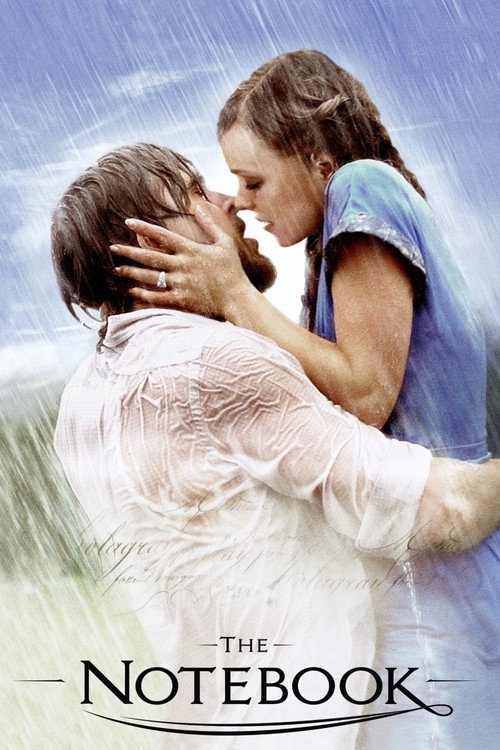
The Notebook2004
Like Sarah's Key, it uses dual timelines to build emotional weight—though this one frames itself as a love story. Rachel McAdams and Ryan Gosling have genuine chemistry beneath the melodrama.
But It leans into sentiment in ways that tip toward the manipulative. The present-day framing feels slight compared to the past.
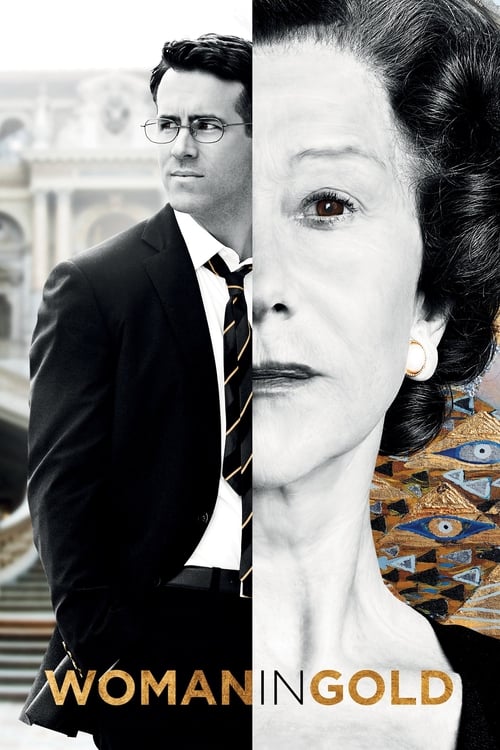
Woman in Gold2015
Helen Mirren as an elderly woman reclaiming a stolen Klimt painting and, with it, her own history. Another investigation into Nazi-era theft and family trauma, but with a sharper legal-procedural edge.
But The modern-day scenes feel like they're happening in a lawyer's brochure. Ryan Reynolds's charm can't quite offset the paint-by-numbers structure.
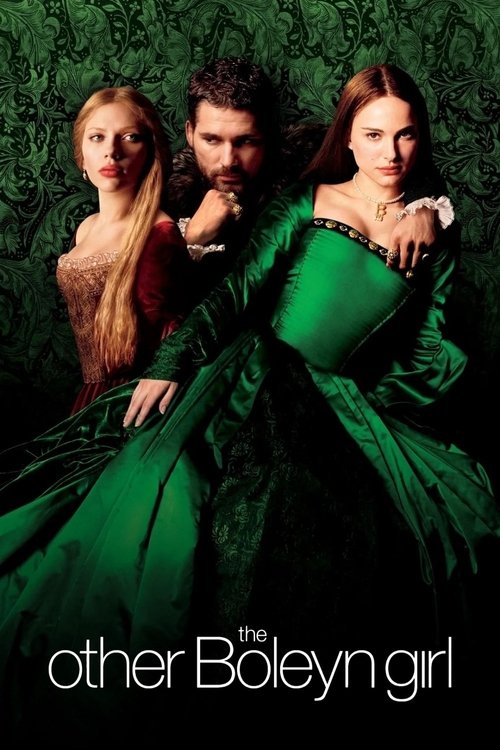
The Other Boleyn Girl2008
Another dual-perspective story of women navigating impossible circumstances under state power. Natalie Portman and Scarlett Johansson spark off each other with real friction and intelligence.
But It takes considerable liberties with history. The glamour sometimes overwhelms the stakes—you're watching costumes as much as characters.
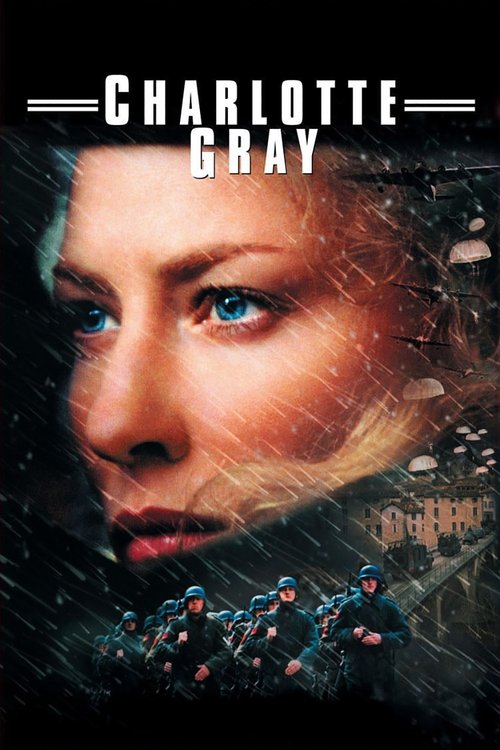
Charlotte Gray2001
Saoirse Ronan's character is a Scottish woman working for British intelligence in occupied France. It has the same postwar-secrets-and-personal-compromise DNA as Sarah's Key, with beautiful cinematography.
But The plot meanders. By the final act, the emotional through-line has gotten lost in the procedural details.
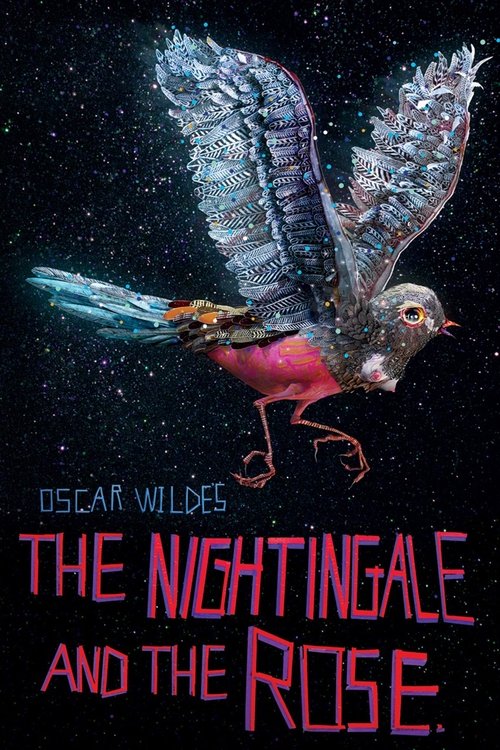
Oscar Wilde's the Nightingale and the Rose2015
Two French sisters navigate occupation and resistance. It's grittier than Sarah's Key, less interested in redemption, more invested in the minute-to-minute calculus of survival and collaboration.
But It's bleak without much release. The film offers moral clarity rather than comfort—which is honest, but not always cathartic.
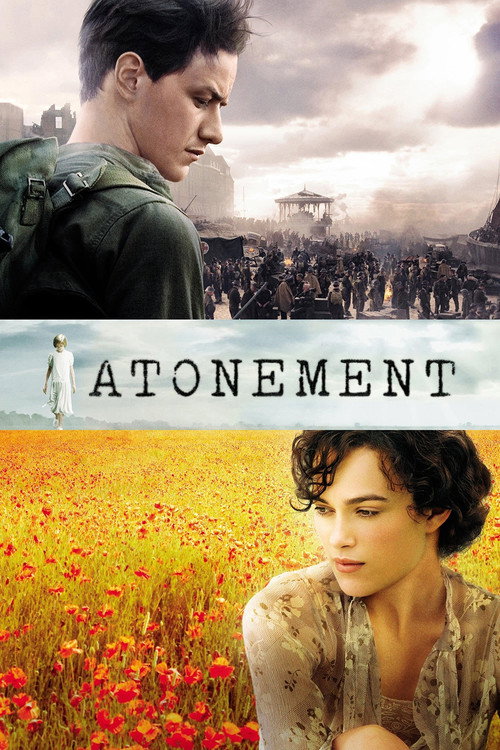
Atonement2007
A single false accusation ricochets across decades, destroying lives. Saoirse Ronan's performance as a girl whose lie echoes through history carries the weight of irrevocable harm and the impossibility of atonement.
But The ending veers into ambiguity in a way that can feel like a betrayal. Some find the structure clever rather than moving.
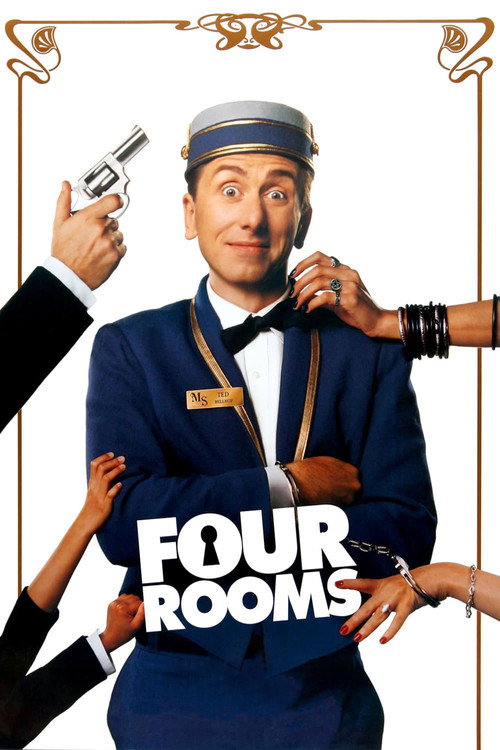
Four Rooms1995
Both excavate family secrets. Sarah's Key does it with elegance; Four Rooms does it with a crowbar and gasoline. But both understand that the past doesn't stay buried—it just waits.
A real detour: this trashy, ambitious comedy about a bellhop's night in a hotel is structured around unraveling secrets and festering resentments within families. It's fever-dream energy and terrible decisions, not Holocaust drama—but it shares Sarah's Key's obsession with what people hide.
But It's messily directed (by the Safdie Brothers and others), wildly uneven, and sometimes feels like a stunt. The tonal chaos will feel pointless if you're not into its particular brand of chaos.
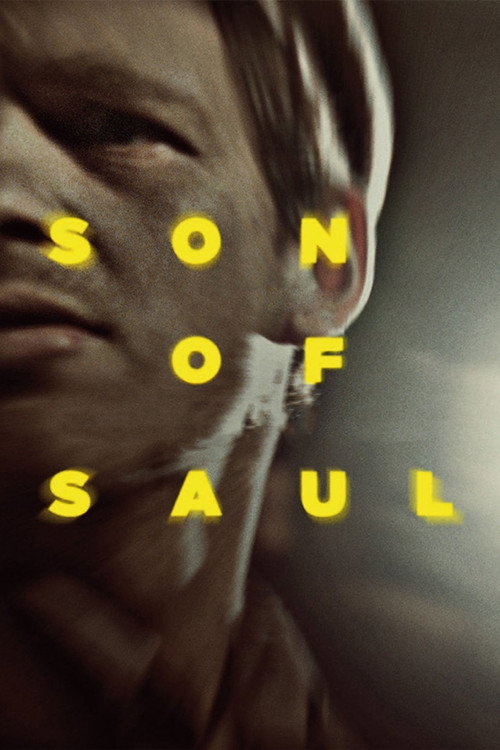
Son of Saul2015
Both center a single act of preservation—Sarah locking her brother away, Saul protecting his son's dignity—as a gesture of love against systematic annihilation. Both ask what remains human under inhuman pressure.
A Hungarian Jewish man working as a Sonderkommando in Auschwitz attempts to find his son a proper burial. Shot in narrow frames that force you into unbearable proximity to horror. It's unflinching in ways most films aren't—and absolutely necessary.
But It is the opposite of Sarah's Key's humane distance. This is immersion in atrocity without reprieve. It's one of the most difficult films ever made.
People
Cast
 Kristin Scott ThomasJulia Jarmond
 Mélusine MayanceSarah Starzynski, child
 Niels ArestrupJules Dufaure
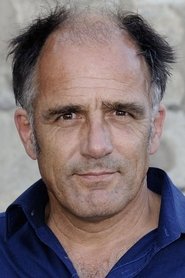 Frédéric PierrotBertrand Tezac
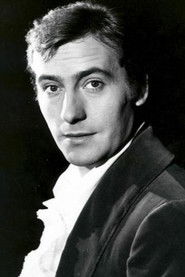 Michel DuchaussoyEdouard Tezac
 Dominique FrotGenneviève Dufaure
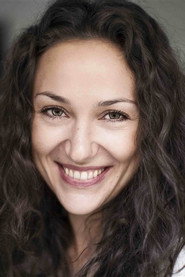 Natasha MashkevichRywka Starzynski
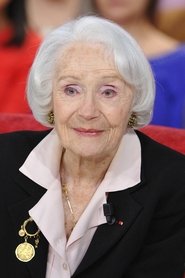 Gisèle CasadesusMamé Tezac
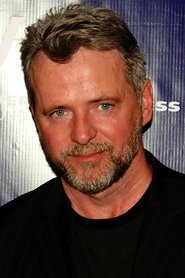 Aidan QuinnWilliam Rainsferd
 Sarah BerRachel
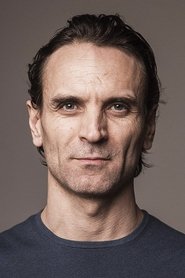 Arben BajraktarajWladyslaw Starzynski
 James GerardMike Bambers
Directing
- Gilles Paquet-BrennerDirector
Writing
- Tatiana De RosnayNovel
- Gilles Paquet-BrennerScreenplay
- Serge JoncourScreenplay
Production
- Gwendale SchmitzCasting
- Lina ToddCasting
- Frédérique Dumas-ZajdelaProducer
- Stéphane MarsilProducer