
Film
The Last Metro
Truffaut's love letter to theater and Paris under Nazi occupation. Catherine Deneuve moves through a world of backstage intrigue, hidden identities, and romantic tension with such grace that the film becomes less about the horror outside than the small human dramas within. A film about art as resistance, told with warmth and style.
Should you watch it?
Watch it if you like backstage drama where the theatre itself becomes a pressure cooker, and you're happy to sit with grown-up romance tangled up in danger and small daily lies.
Skip it if you want the wartime story to hit hard and fast, since this is a leisurely, talky film that takes its time over rehearsals and romance and runs past two hours.
What it asks of you: A long, unhurried evening of quiet talk and real patience, with tension carried through looks and omissions rather than set pieces.
Not sure? Find tonight's pick in a minute.
If you liked this
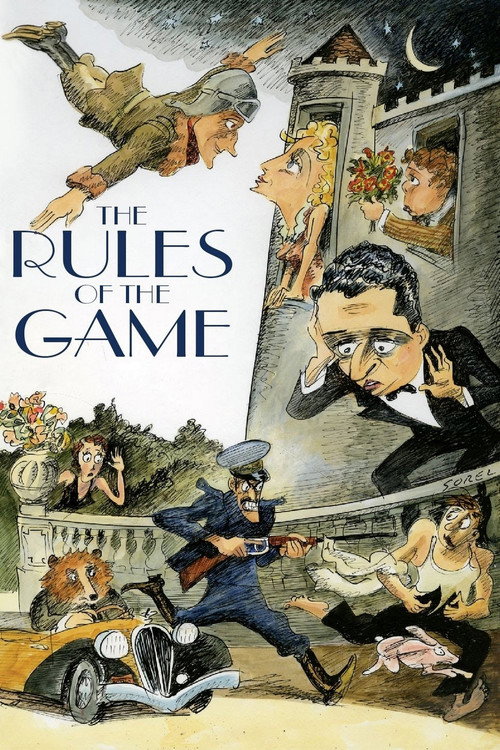
The Rules of the Game1939
Renoir's masterpiece about a French country estate on the eve of war shares The Last Metro's obsession with social performance, hidden truths, and the way personal desire moves through historical crisis. Essential viewing.
But At over two hours with a large cast and intricate plotting, it can feel glacial if you're not attuned to Renoir's rhythms. Patience required.
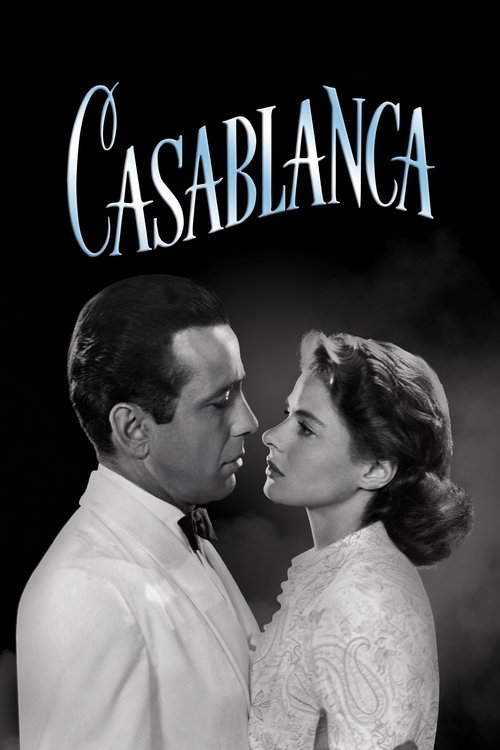
Casablanca1943
The ultimate occupied-territory romance: secrets, loyalties tested, lives risked in a café where everyone performs. The same moral clarity wrapped in Hollywood glamour that Truffaut admired and riffed on.
But It's so canonical that it can feel like watching a monument rather than a living film. The seams show if you've seen it too many times.
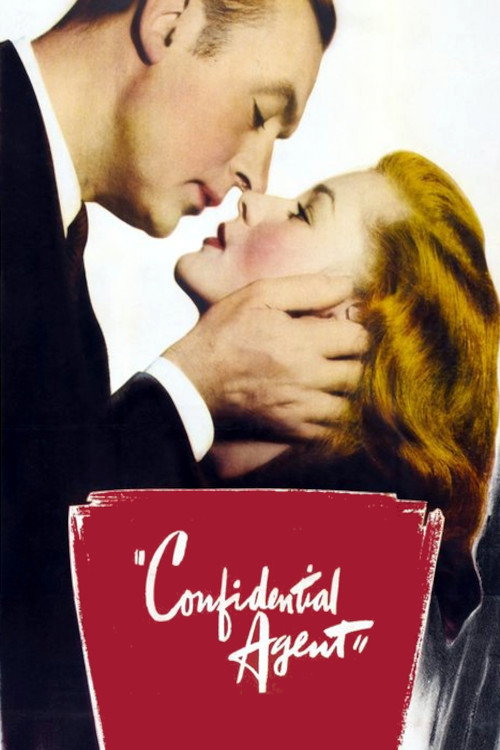
Confidential Agent1945
Graham Greene adaptation set during the Spanish Civil War. Like The Last Metro, it's about a woman sheltering a man of principle while surrounded by fascists and spies. Lean, tense, underrated.
But Charles Boyer is charismatic but the film's plot can feel creaky. It's more interested in mood than logic.
Not sure tonight? Get a pick in a minute, starting from The Last Metro
The wildcard
Something you would not have found on your own.
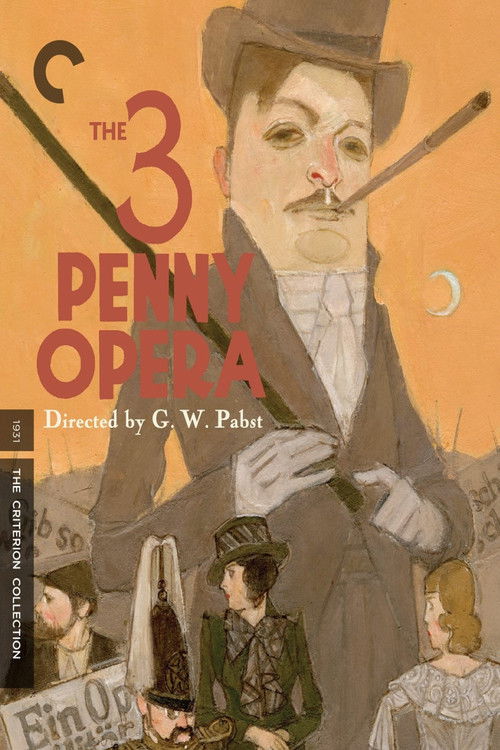
The Threepenny Opera1931
Both films understand that theater is where you see who people really are—and that under totalitarianism, the stage becomes the only place where truth can hide in plain sight.
Pabst's film of Brecht's masterpiece: theater within cinema, Berlin at the edge of fascism, moral corruption and survival through performance. The spiritual ancestor of everything Truffaut learned about mixing art and politics.
But It's in German, choppy by modern standards, and Brecht's didacticism can feel heavy-handed. The sound quality is rough.
More like this (8)
Singin' in the Rain1952
The greatest film about theater and performance ever made. Like Truffaut, it understands that the stage is where people become themselves most fully. Pure joy, but earned through craft.
But If you're allergic to musicals, or to Gene Kelly's particular brand of male earnestness, nothing here will convince you.

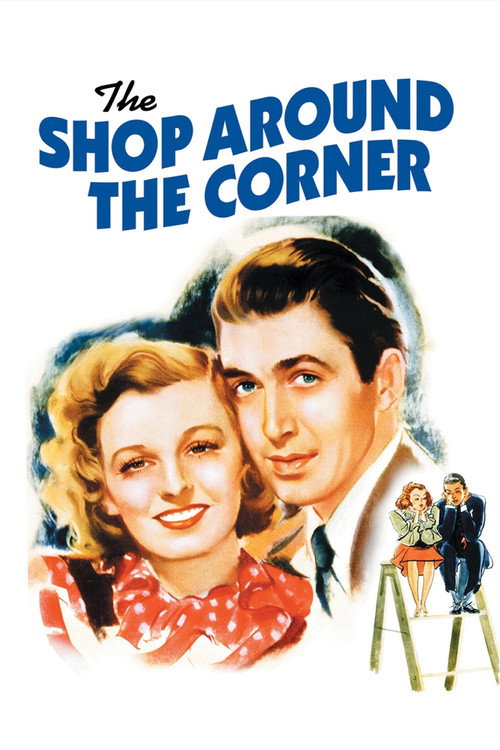
The Shop Around the Corner1940
Lubitsch's Vienna on the brink of war, with secret identities and romance blooming in a small shop. The emotional ancestor of Truffaut's approach: sophisticated, melancholy, tender.
But It moves slowly and the love story requires patience. Some will find it precious rather than touching.
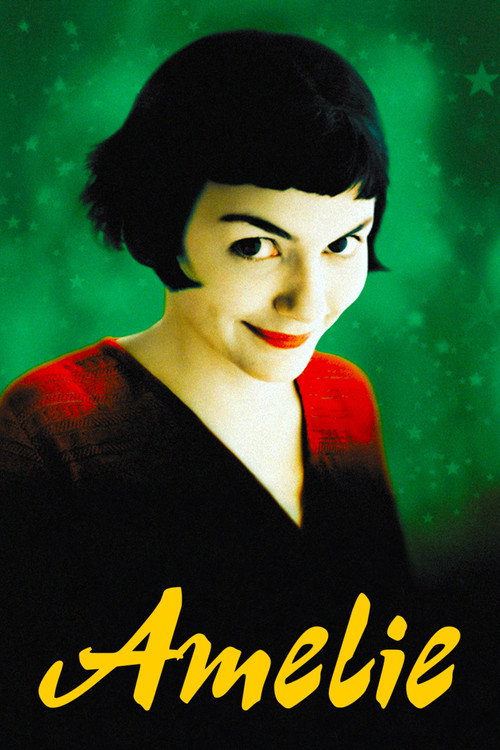
Amélie2001
A contemporary French film that shares The Last Metro's Paris-as-character sensibility and its belief in romance and small acts of defiance as meaningful resistance. Lighter in tone but the same spirit.
But Its whimsy can feel suffocating. The film believes in magic more than most people do, and some find that exhausting.
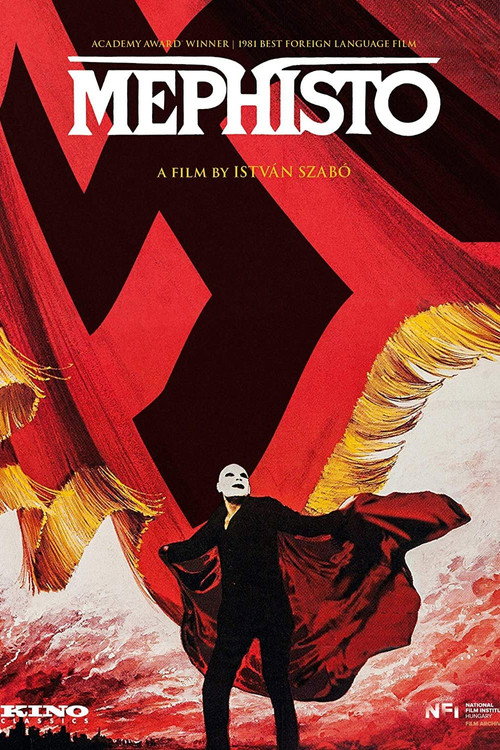
Mephisto1981
István Szabó's film about an actor navigating Nazi Germany through charisma and moral compromise. A darker reflection on the same theme—what theater becomes under fascism, what it costs to survive.
But It's bleaker than Truffaut and less romantic about art's redemptive power. The protagonist is harder to love.
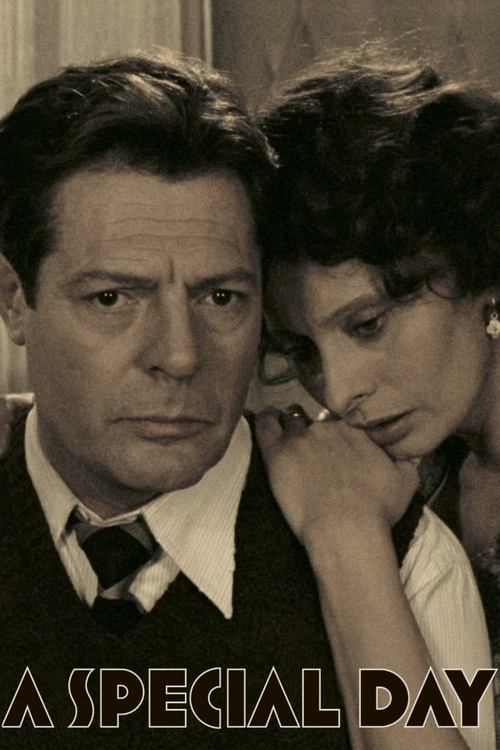
A Special Day1977
Ettore Scola's film about two strangers meeting in Rome on the day of Hitler's visit to Mussolini. Intimate, quietly radical, about how private life persists in the face of history.
But Very European in its pacing. The film trusts you to sit with long silences and unresolved feeling.
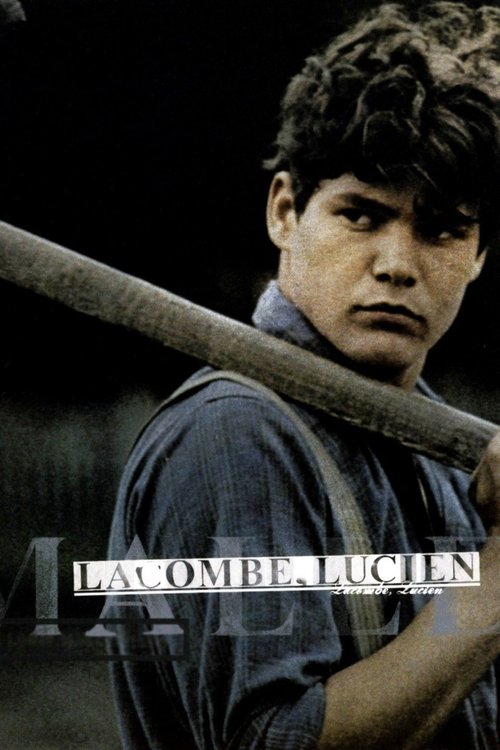
Lacombe, Lucien1974
Louis Malle's unsettling portrait of a young collaborator in occupied France. It asks harder questions than The Last Metro about complicity and how ordinary people drift into darkness.
But It refuses moral clarity and can feel morally ambiguous in ways that disturb rather than intrigue. The protagonist is not sympathetic.
Hiroshima Mon Amour1959
Both grapple with how private love survives (or doesn't) when history tries to erase it. But where Truffaut says love persists, Resnais suggests it's only ever a ghost of itself.
Alain Resnais and Marguerite Duras made this about memory, erasure, and a love affair during wartime that cannot be recovered. Experimental, fragmentary, devastating. The anti-naturalist approach to the same themes Truffaut explores.
But It's a poem, not a plot. If you need narrative momentum and clear storytelling, this will frustrate you deeply.
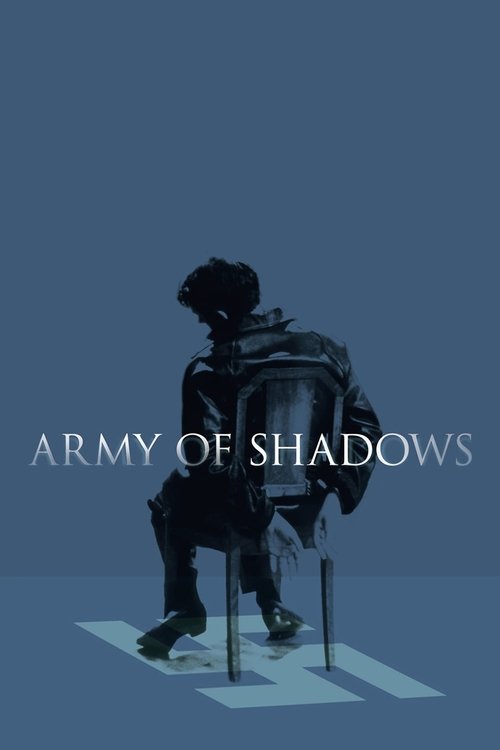
Army of Shadows1969
Both are about Paris under occupation, but Melville shows what Truffaut's theater hides: the actual brutality beneath the elegance, the real price of resistance.
Melville's masterpiece about the French Resistance is The Last Metro's moral opposite: no romance, no theater, no grace—only exhaustion, betrayal, and the grinding violence of underground survival. A corrective, a shadow version.
But It's long, slow, and pitilessly bleak. Melville finds no comfort in art or love, only in duty and its cost. Some will find it unbearably grim.
People
Cast
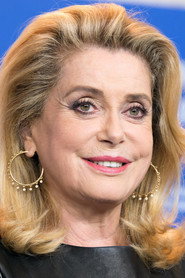 Catherine DeneuveMarion Steiner
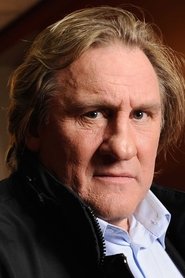 Gérard DepardieuBernard Granger
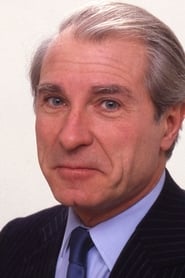 Jean PoiretJean-Loup Cottins
 Andréa FerréolArlette Guillaume
 Paulette DubostGermaine Fabre
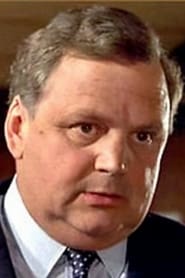 Jean-Louis RichardDaxiat
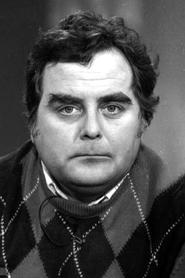 Maurice RischRaymond Boursier
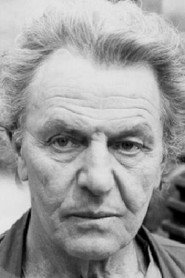 Heinz BennentLucas Steiner
 Sabine HaudepinNadine Marsac
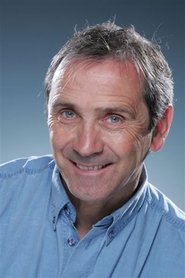 Christian BaltaussLucien Ballard, Bernard's Replacement
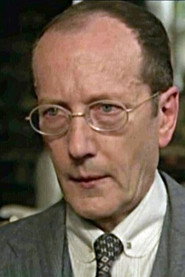 Pierre BelotDesk Clerk
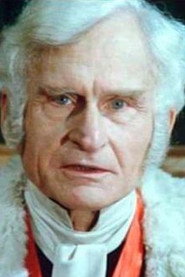 René DupréValentin
Directing
- Suzanne SchiffmanAssistant Director
- François TruffautDirector
- Emmanuel ClotSecond Assistant Director
Writing
- François TruffautDialogue
- Jean-Claude GrumbergDialogue
- Suzanne SchiffmanDialogue
- François TruffautScreenplay
- Suzanne SchiffmanScreenplay
Production
- Roland ThénotAssistant Production Manager
- François TruffautProducer
- Jean-José RicherProduction Manager