
Film
Mephisto
- Period drama
- Very dark
A German actor's Faustian ascent during the Nazi rise. Mephisto tracks how ambition and moral compromise feed each other, as professional success becomes complicity. Klaus Maria Brandauer gives a performance of terrible grace—you watch a man trade his soul incrementally, never quite believing he has. For anyone interested in how ordinary talent becomes a collaborator.
Should you watch it?
Watch it if you love character studies about compromise, where the drama lives in a man's small daily choices and in the cost of being admired by the wrong people; it has the hush and precision of a Bergman-era European film.
Skip it if you want the Nazi period to arrive as spectacle or as a clear moral battle, since this one treats it as a slow, creeping pressure on a vain performer's conscience and often stays in rooms rather than the street.
What it asks of you: Nearly two and a half hours of patient, talky scenes, with much of the weight carried by one face and long stretches of quiet, so settle in and give it your full attention.
Not sure? Find tonight's pick in a minute.
If you liked this
The Third Man1949
Post-war Vienna, moral ambiguity crystallized into every frame, and Orson Welles stealing a film in twenty minutes. A masterpiece about how charm and corruption are often the same thing.
But Deliberately paced and filmed in deep shadow. If you need bright clarity and forward momentum, this will frustrate you.

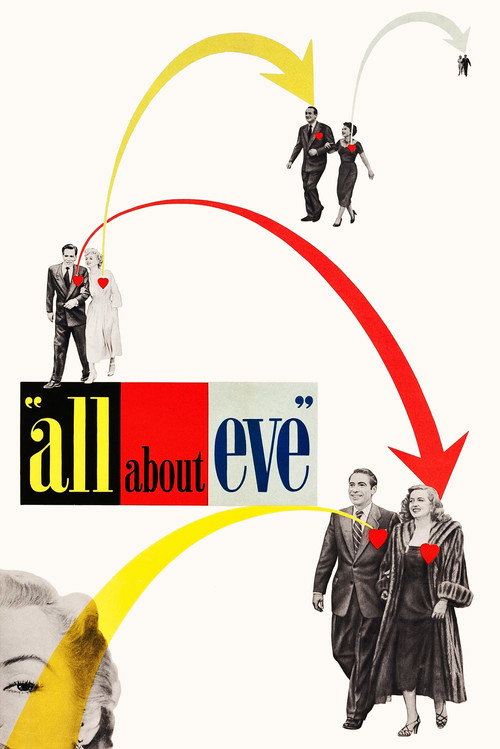
All About Eve1950
Bette Davis, theatrical obsession, and a script that understands ambition as a kind of hunger that devours everyone nearby. Wickedly entertaining and psychologically sharp.
But It's a drama about theatre people, which means stylized dialogue. Some find that affected rather than clarifying.
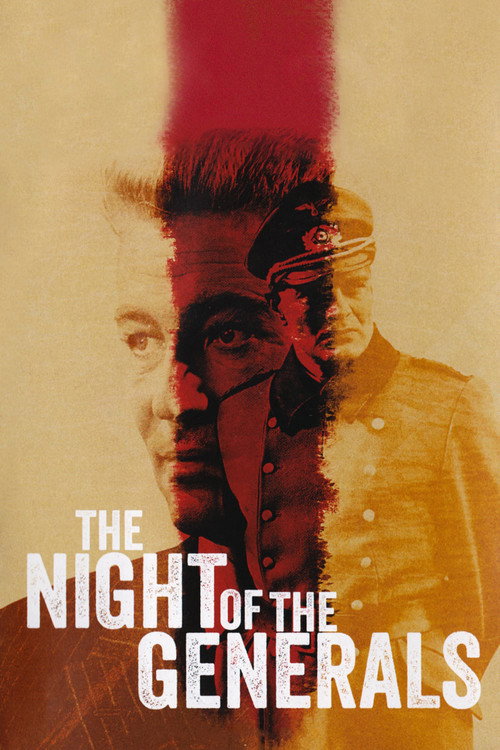
The Night of the Generals1967
A WWII mystery about a general suspected of murder, but really about how power and privilege make men untouchable. Peter O'Toole as a man whose rank has corroded his conscience.
But Sprawling and sometimes meandering. It takes its time, and the mystery isn't the point—the moral investigation is.
Not sure tonight? Get a pick in a minute, starting from Mephisto
The wildcard
Something you would not have found on your own.
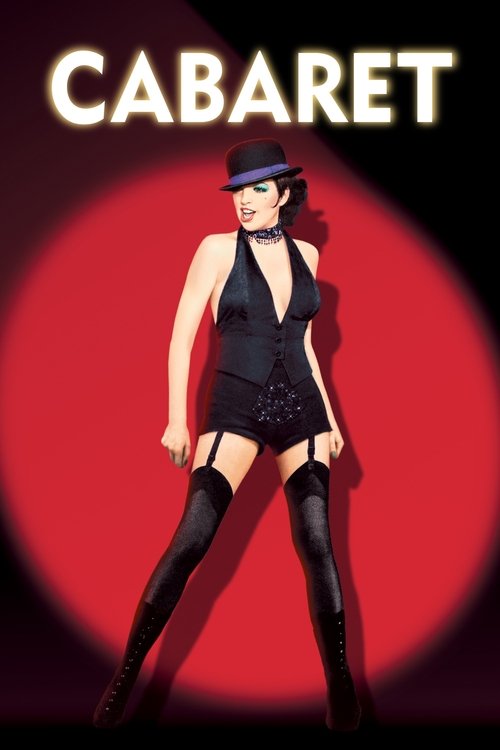
Cabaret1972
Both films use performance and spectacle as the mechanism of complicity. In both, the stage—whether literal or social—becomes a mirror for fascism. The actor/performer is not a victim of the system but its collaborator, seduced by applause.
A Berlin nightclub, the Weimar collapse, and Joel Grey's MC as the spirit of moral vacancy itself. It's a musical that refuses to let spectacle excuse anything. You watch beauty and corruption dance together.
But A musical. If you've decided musicals aren't for you, the fact that it's brilliant won't change your mind. And it's ruthless—no catharsis, no redemption.
More like this (8)
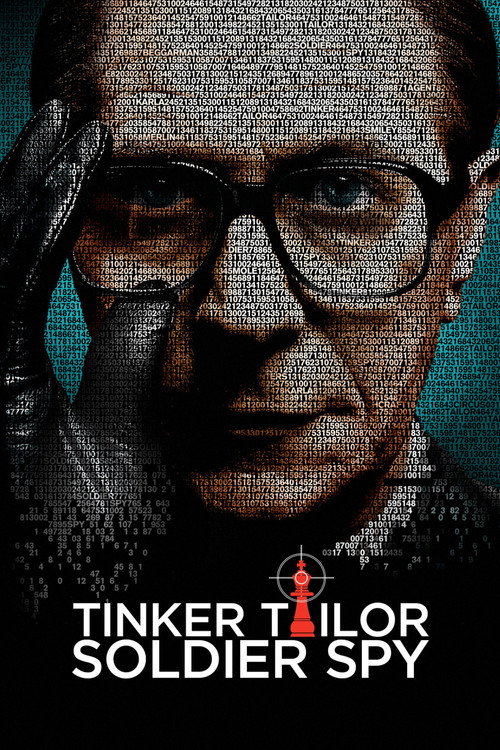
Tinker Tailor Soldier Spy2011
Le Carré's novel about a Soviet mole in British intelligence, adapted with absolute precision. Slow-burn espionage that trusts the audience. Every shot and line matters.
But Glacially paced. If you need plot to move you through a film, this will feel like watching paint dry.
The Remains of the Day1993
Anthony Hopkins as an English butler who served a Nazi sympathizer, reflecting on a life spent in service to the wrong people. About dignity, regret, and the cost of restraint.
But Emotionally muted by design. The whole film is about feelings unexpressed, which can feel distant.

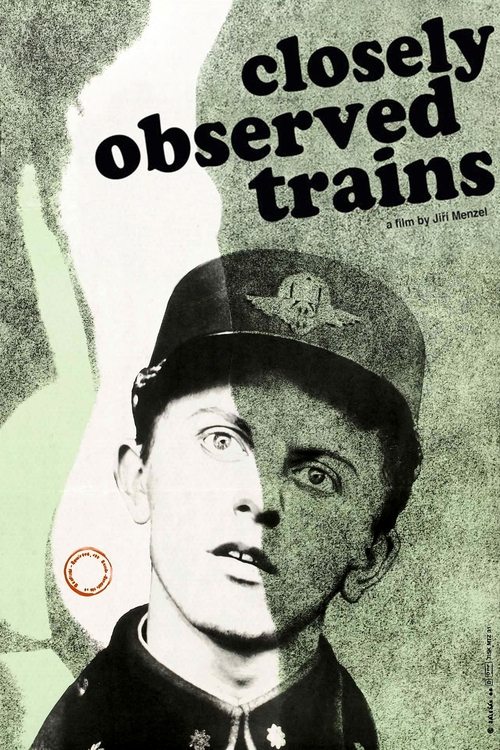
Closely Watched Trains1966
A Czech railway worker under Nazi occupation, a tender and darkly funny film about small resistance and coming of age under oppression. Humanity survives in the margins.
But Subtitled, and the tone shifts between comedy and genuine darkness. That tonal whiplash isn't for everyone.
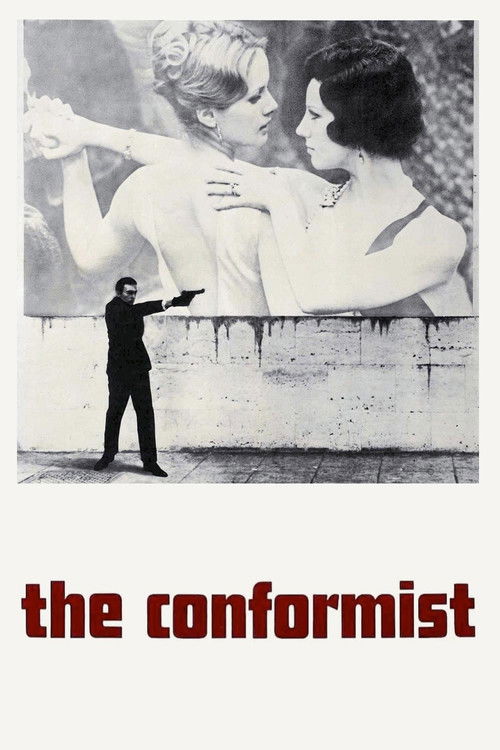
The Conformist1971
Bertolucci's portrait of a man who joins the fascists to belong, shot in deep reds and shadows. Visually intoxicating exploration of how ideology seduces the lonely.
But Deliberately obscure in places and philosophically dense. It doesn't explain itself or spell out its meaning.
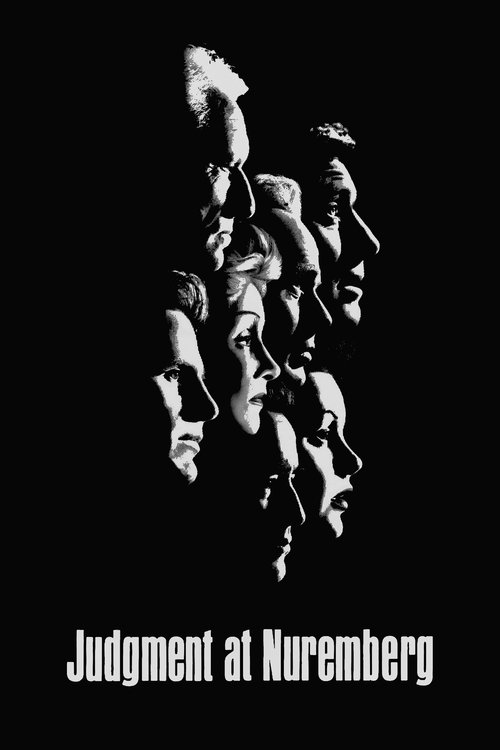
Judgment at Nuremberg1961
A trial film about Nazi judges and lawyers defending their actions. Serious, patient examination of complicity and the banality of evil. Spencer Tracy and Maximilian Schell.
But Three and a half hours long, and it's a courtroom drama—lots of speeches and arguments rather than plot momentum.
The Lives of Others2006
A Stasi informant in East Berlin begins to doubt the regime he serves. Quietly devastating about surveillance, loyalty, and the moment your conscience finally speaks.
But Deliberately restrained performance style. If you prefer actors who show you what they're feeling, this will seem cold.

A Dangerous Man: Lawrence After Arabia1992
Both are portraits of men who became larger than themselves—transformed by their own mythology into something they no longer control. Both examine the psychological price of being a symbol.
A three-hour television film (British) about T.E. Lawrence after the war, dealing with fame, betrayal, and the impossibility of living as a legend. Deeply introspective, visually stunning for television.
But A lesser-known TV film made for the BBC. Finding it requires work. And it's slow, philosophical, almost a meditation on failure and regret.

The Seventh Seal1957
Both films are about a man negotiating with forces larger than himself—whether history or death—and both use performance and ceremony as a way to impose meaning on chaos. Both ask: what do you do when the world becomes monstrous?
Bergman's knight plays chess with Death while plague ravages Sweden. A film of ideas made visible: about faith, craft, mortality, and what we owe to the world. Unforgettable.
But Swedish, 1957, openly philosophical. It demands something from you. If you want entertainment, this will seem like pretentious punishment.

People
Cast
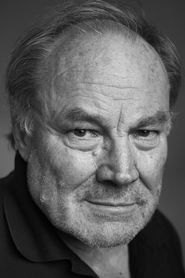 Klaus Maria BrandauerHendrik Höfgen
 Krystyna JandaBarbara Bruckner
 Ildikó BánságiNicoletta von Niebuhr
 Rolf HoppeTábornagy
 Karin BoydJuliette Martens
 György CserhalmiHans Miklas
 Péter AndoraiOtto Ulrichs
 Christine HarbortLotte Lindenthal
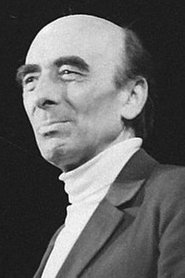 Tamás MajorOskar Kroge, színigazgató
 Ildikó KishontiDora Martin, primadonna
- Mária BisztraiMotzné, tragika
 Sándor LukácsRolf Bonetti, bonviván
Directing
- István SzabóDirector
Writing
- Klaus MannNovel
- István SzabóScreenplay
- Péter DobaiScreenplay
Production
- Manfred DurniokProducer