
Film
Confidential Agent
A wartime spy thriller set during the Spanish Civil War, where a coal-buying diplomat is drawn into murder and espionage. Bogart and Bacall's onscreen chemistry was legendary; here Charles Boyer carries the intrigue with elegant paranoia. It's a tense, atmospheric ride that moves like a coiled spring—the kind of noir where everyone's lying and the stakes stay murky until the final scene.
Should you watch it?
Watch it if you enjoy wartime intrigue where moral compromise and quiet romance tangle, and you don't mind old-studio talk and shadowy rooms that favor atmosphere over action.
Skip it if the pace is talky and the politics murky, so if you want clear heroes and brisk set pieces, its slow, low-key dialogue will test your patience.
What it asks of you: At roughly two hours it moves unhurriedly, building tension through glances and conversation rather than action, so you need to stay attentive to who is lying.
Not sure? Find tonight's pick in a minute.
If you liked this
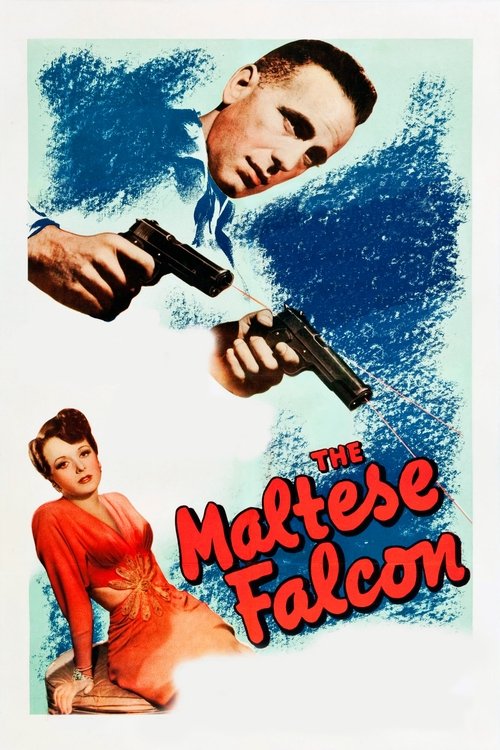
The Maltese Falcon1941
Dashiell Hammett's detective masterpiece: Bogart as a man caught between desperate factions, each with their own claim on a priceless MacGuffin. A template for all spy thrillers to follow.
But The pacing is deliberate, almost stately by modern standards. If you want action, you'll be disappointed—this is about talk and betrayal.
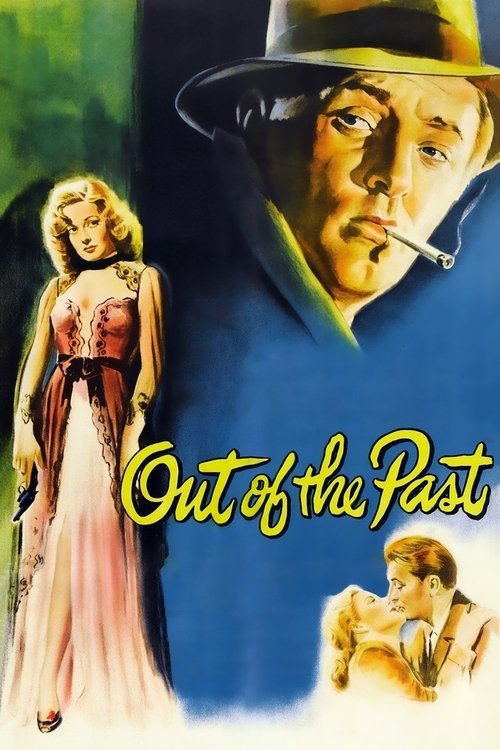
Out of the Past1947
Robert Mitchum in the definitive noir: a man trying to escape his past, trapped by a femme fatale and the criminal underworld. Moral ambiguity, gorgeous shadows, a plot that never stops twisting.
But It assumes you'll follow a complex web of deception without spelling anything out. The ending is bleak and offers no comfort.
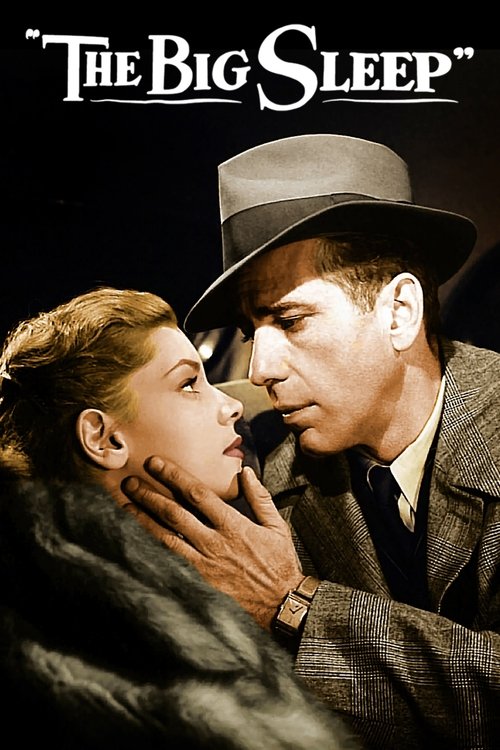
The Big Sleep1946
Bogart and Bacall's chemistry was so electric the studio kept pairing them. A Raymond Chandler adaptation where the plot barely matters—you're watching for the wit, the tension, the way they spar.
But The actual mystery is famously convoluted and almost impossible to follow. It doesn't matter much, but that can be irritating if you want coherence.
Not sure tonight? Get a pick in a minute, starting from Confidential Agent
The wildcard
Something you would not have found on your own.
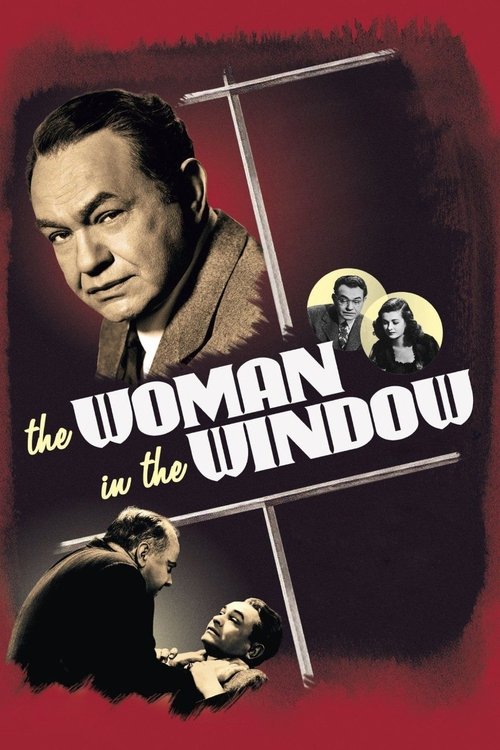
The Woman in the Window1944
Both are tense, morally murky espionage tales where the protagonist is entangled by circumstance rather than choice. Both use the mise-en-scène—shadows, geometric framing—to make the city itself feel like a threat.
Fritz Lang again, but this time a respectable professor sees a murder and is drawn into a nightmare of blackmail and desire. It's *Rear Window* before Hitchcock made it, and it's stranger and more perverted. Startlingly modern in its psychology.
But The twist ending divided audiences then and divides them now. Some find it brilliant; others feel cheated. It's also deeply misogynistic by any modern standard.
More like this (8)
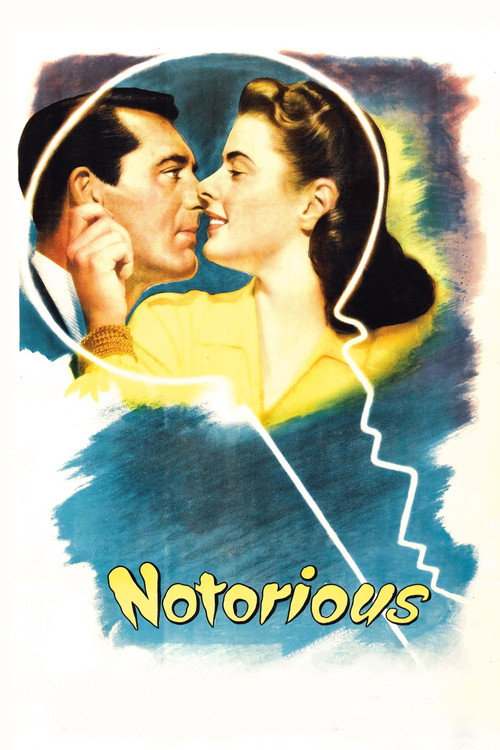
Notorious1946
Hitchcock at the height of his powers: espionage, seduction, and poison in Rio de Janeiro. Cary Grant and Ingrid Bergman locked in a cold war of wills. Masterful suspense with a moral centre.
But The romantic element might feel dated to some viewers. Also: it's glacial in places, building dread rather than delivering thrills.
The Third Man1949
Post-war Vienna, black market intrigue, a mysterious death. Joseph Cotten searching for an old friend (Orson Welles) who may be the villain. Zither music, bombed-out architecture, moral rot. Unforgettable.
But It's deliberately artificial—Carol Reed treats the city as a character itself. If you want realism, this isn't it. The ending is cold comfort.

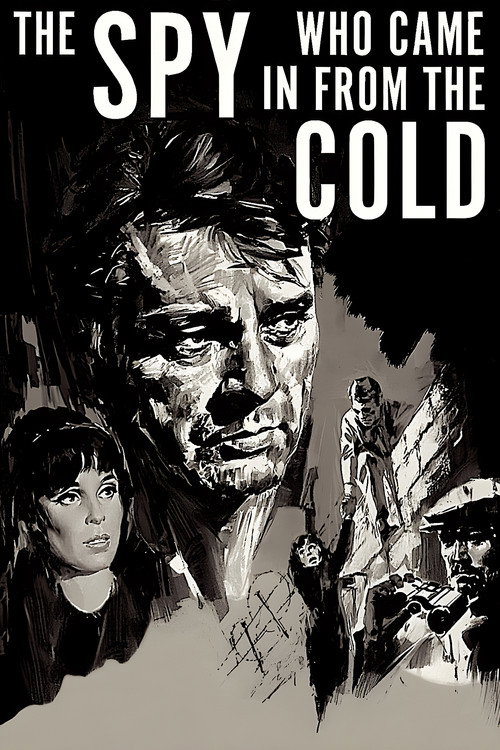
The Spy Who Came In from the Cold1965
John le Carré's Cold War masterpiece: a burned-out agent sent on one last mission that might destroy him. Richard Burton as a man with nothing left to lose. Bleak, adult, and profoundly pessimistic about espionage.
But There's no glamour here, just bureaucracy and moral compromise. It moves slowly and ends badly. Not a crowd-pleaser.
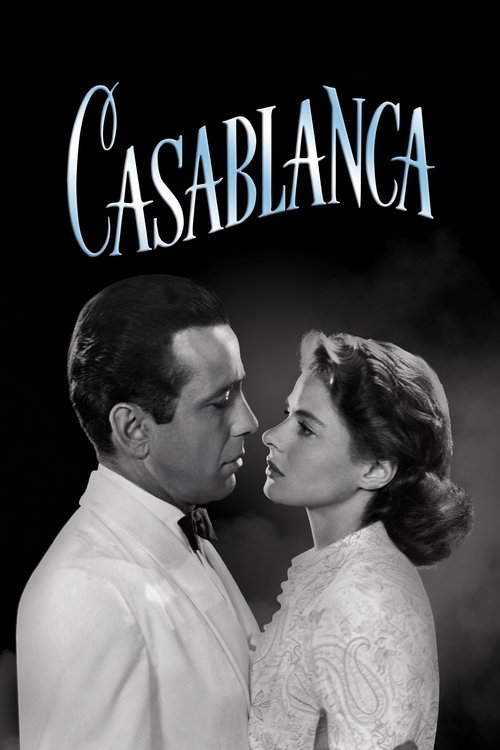
Casablanca1943
The wartime thriller that defined the genre: Bogart, Bergman, Rains, and Lorre in a desperate game of love and politics in occupied Morocco. Every scene crackles with stakes and longing.
But It's been quoted and homaged so much it can feel familiar even on first viewing. Some may find it overrated simply because of its cultural weight.
In a Lonely Place1950
Humphrey Bogart as a violent, alcoholic screenwriter accused of murder. A noir that's interested in how suspicion corrodes love and identity. Dark, deeply human, and heartbreaking.
But Bogart plays a genuinely unlikeable man. The film takes his capacity for cruelty seriously, which is uncomfortable. No redemption is offered.

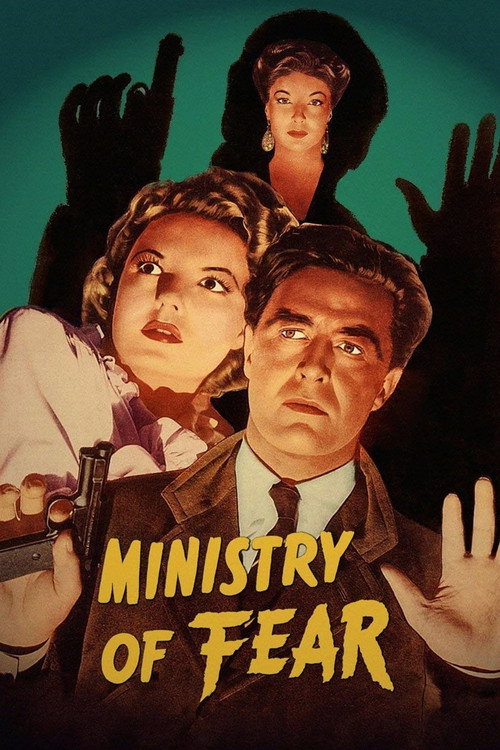
Ministry of Fear1944
Fritz Lang's wartime psychological thriller: an innocent man entangled in Nazi espionage in London. Paranoia, mistaken identity, the thin line between victim and perpetrator. Visually stunning.
But The plot is baroque and occasionally confusing. Lang prioritizes mood over clarity, which can frustrate those wanting straightforward narrative.
The Lives of Others2006
Both explore how ordinary men become entangled in the machinery of power and espionage. Both ask: what happens to your humanity when you're forced to lie professionally? Both end in moral ambiguity rather than triumph.
Stasi agent in Cold War Berlin surveils a playwright and becomes morally compromised. A meditation on guilt, surveillance, and the human cost of ideology. Phenomenally acted, gorgeously shot, heartbreaking.
But It's in German with subtitles. It's also a slow burn—patient, meditative, without action set pieces. If you need external excitement, keep moving.

Rififi1955
Like *Confidential Agent*, it's a thriller about acquiring something valuable while navigating betrayal and cross-purposes. Both trust visual storytelling over exposition. Both move like chess games where the pieces aren't always sure whose side they're on.
A heist film—but structurally it's a spy thriller: careful planning, rival factions, a job that goes wrong, everyone watching everyone. Twenty-five minutes nearly wordless. Utterly gripping, visually revolutionary.
But It's a French-Italian co-production with a patchwork cast and a plot that's almost secondary to technique. The first half is setup and can feel slow. Subtitles throughout.

People
Cast
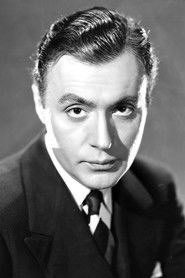 Charles BoyerLuis Denard
 Lauren BacallRose Cullen
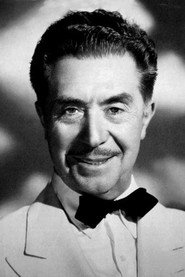 Victor FrancenLicata
 Wanda HendrixElse
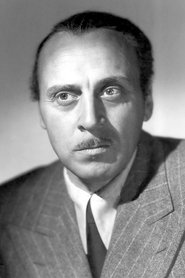 George CoulourisCaptain Currie
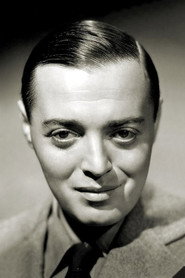 Peter LorreContreras
 Katina PaxinouMrs. Melandez
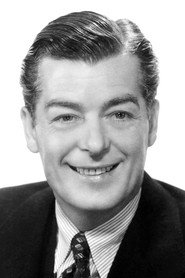 John WarburtonNeil Forbes
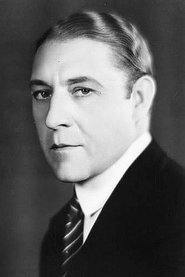 Holmes HerbertLord Benditch
- Dan SeymourMr. Muckerji
- Art FosterChauffeur
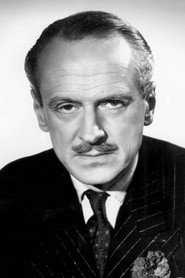 Miles ManderMr. Brigstock
Directing
- Herman ShumlinDirector
Writing
- Graham GreeneNovel
- Robert BucknerScreenplay
Recommended by
The Last Metro, O.S.S., Northern Pursuit, Appointment in Berlin, Paris Calling, The Four Just Men