
Film
O.S.S.
A 1946 OSS spy thriller following a covert team infiltrating Nazi-occupied France to steal military secrets. Alan Ladd leads a tense, compact wartime adventure that plays like a procedural heist wrapped in espionage—all brisk pacing and practical tradecraft rather than glamour. Perfect for anyone who loves vintage spy craft and the particular texture of immediate postwar cinema.
Should you watch it?
Watch it if you like wartime espionage done as brisk, workmanlike suspense, where the pleasure is in covert missions, false identities and tense close calls more than in romance or moral agonizing.
Skip it if you want the spy story to feel grounded and fresh; this is a 1946 studio picture with conventional staging, stock wartime melodrama and a plot that leans on coincidence and familiar genre beats.
What it asks of you: It runs about an hour and forty-seven minutes and moves at a steady clip, asking you to follow a lot of cloak-and-dagger maneuvering without much time spent lingering on quiet character work.
Not sure? Find tonight's pick in a minute.
If you liked this
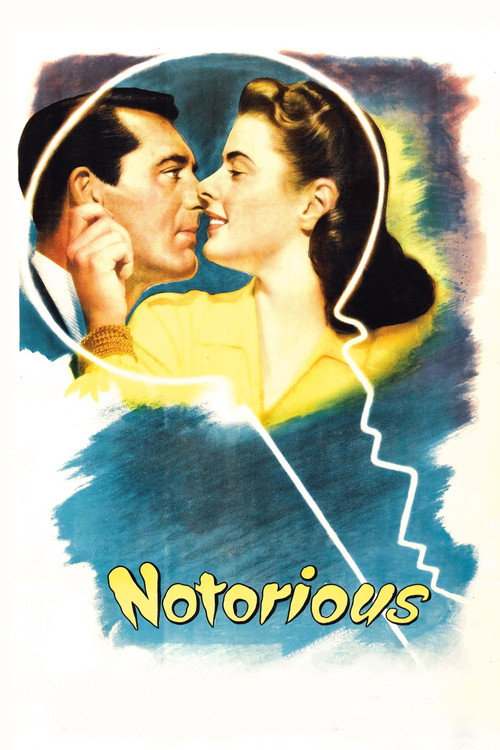
Notorious1946
Hitchcock's masterpiece of espionage and moral compromise, with Cary Grant and Ingrid Bergman as agents entangled in a dangerous seduction. A study in how betrayal and loyalty can look identical from certain angles.
But The pacing demands patience; long stretches play as intimate drama rather than action. Some find the sexual politics uncomfortable by modern standards.
The Third Man1949
Reed's Vienna-set thriller about black market intrigue after WWII, with Orson Welles and Joseph Cotten in a maze of moral ambiguity. Every frame is composed like a puzzle box—visually and narratively unsolvable until the end.
But Shot in stark, expressionist black-and-white that some find austere. The zither score is divisive—hauntingly beautiful or aggressively whimsical depending on your tolerance.

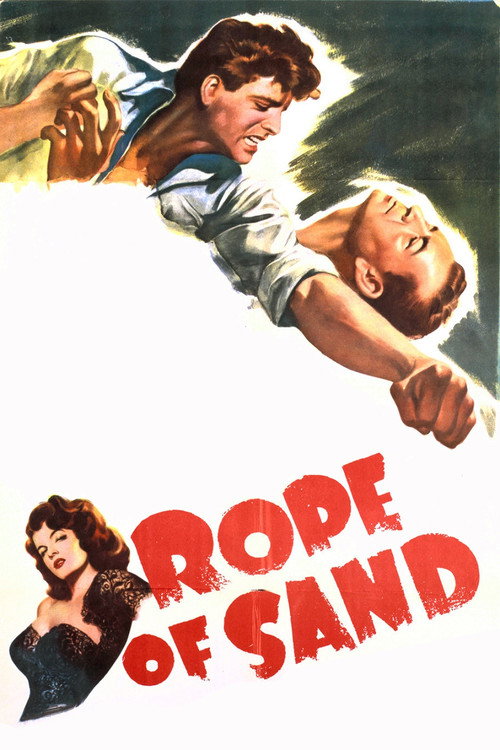
Rope of Sand1949
Burt Lancaster in a postwar thriller about a man caught between intelligence agencies and his own past in a diamond-mining town. Lean, efficient, with genuine moral stakes and Lancaster's charisma at full burn.
But The plot mechanics feel slightly creaky by modern standards. Peter Lorre's performance, while committed, can feel theatrical to contemporary viewers.
Not sure tonight? Get a pick in a minute, starting from O.S.S.
The wildcard
Something you would not have found on your own.
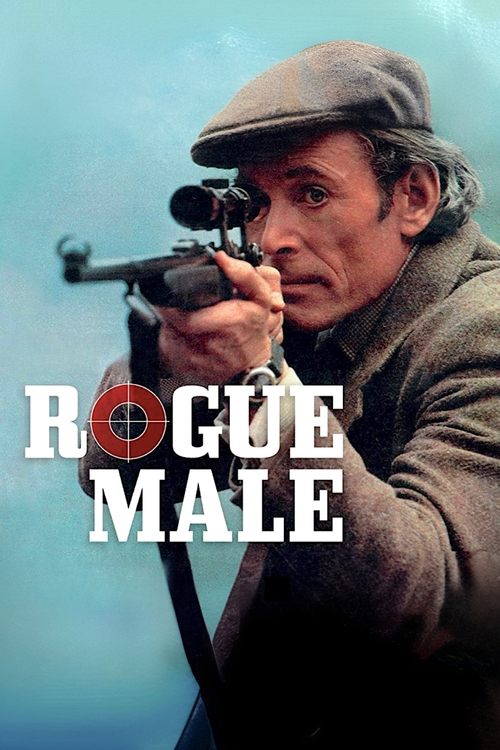
Rogue Male1976
Both are taut, unglamorous spy work focused on the mechanics of staying alive and passing information rather than heroic spectacle. Both trust procedural precision over character revelation.
A BBC Television play—a single, concentrated two-hour story of a man hunted across the English countryside after a failed assassination. Claustrophobic, psychological, and technically resourceful in ways only British television could be in 1976. The paranoia is suffocating.
But Resolutely interior and paced like a play, not action cinema. Long scenes of a man alone with his thoughts. The BBC's budget shows in ways that now read as period charm but require patience to penetrate.
More like this (8)
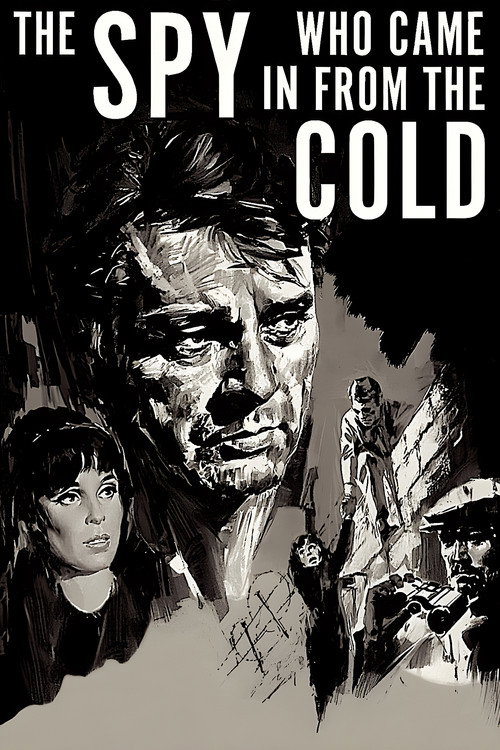
The Spy Who Came In from the Cold1965
Le Carré's bleak Cold War novel adapted with Richard Burton as a tired agent facing one last betrayal. Unglamorous, ungraceful, and absolutely absorbed in the moral exhaustion of the espionage trade.
But Nearly plotless and deliberately ugly—no heroism, no satisfaction, just the slow corrosion of idealism. Not a comfort watch in any register.
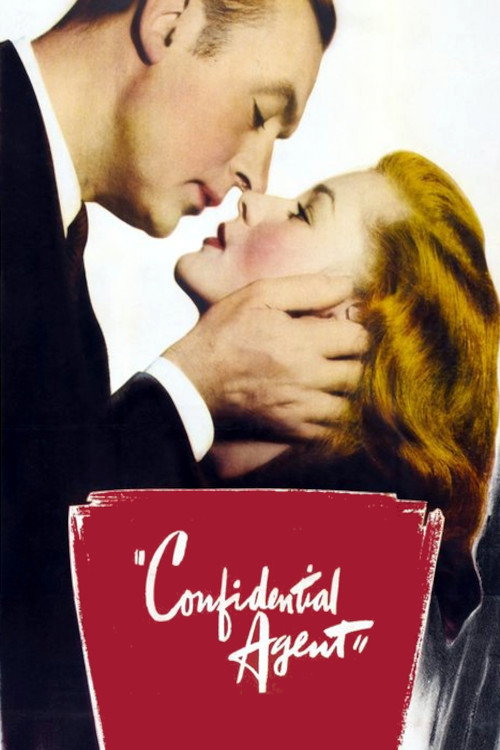
Confidential Agent1945
Graham Greene adapted, Charles Boyer as a Spanish Republican agent on a desperate mission in wartime Britain. Claustrophobic, paranoid, with the queasy atmosphere of not knowing who to trust.
But Low budget shows—the production is constrained and sometimes stiff. Pacing stutters in places; it's a minor work even for its era.
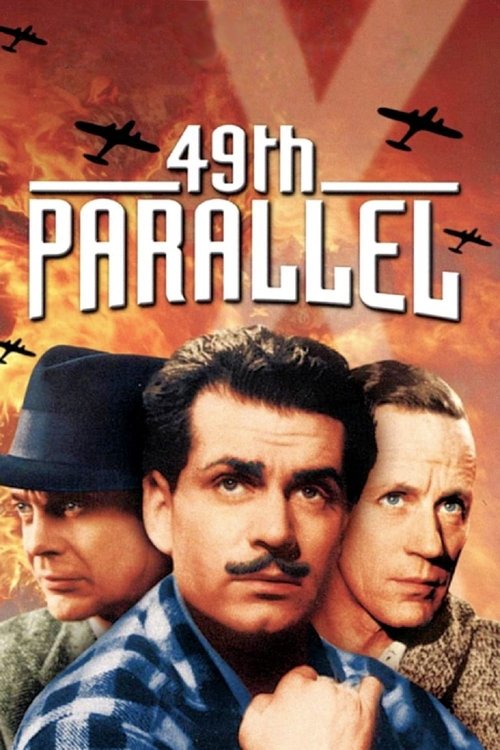
49th Parallel1941
Michael Powell's wild, ambitious chase film following escaped U-boat crew across Canada, with Eric Portman commanding every frame. A wartime adventure that never settles into formula, always surprising.
But Episodic structure—each stretch of Canada feels like a different film. Some vignettes land better than others, and the tone swings can feel jarring.
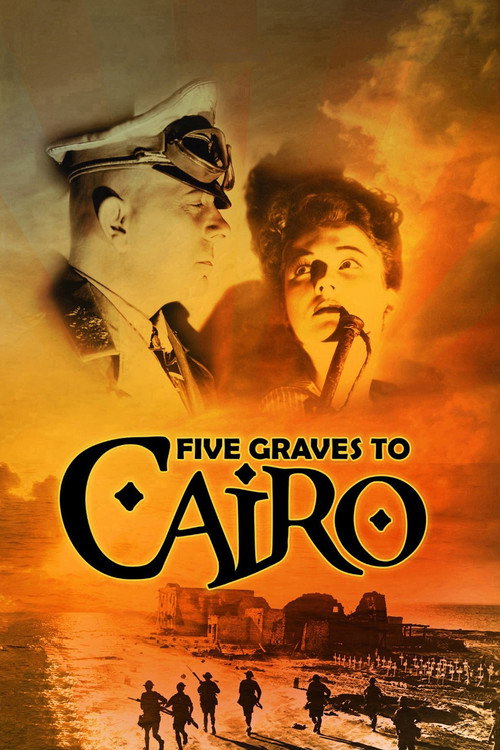
Five Graves to Cairo1943
Wilder's elegant WWII thriller with Franchot Tone and Anne Baxter trapped in a desert hotel, spinning a conspiracy to survive. Witty, tense, expertly constructed—Wilder doing American cinema at its canniest.
But Staginess to the setting; most of it unfolds in confined rooms. The central gimmick, if guessed early, drains some tension.
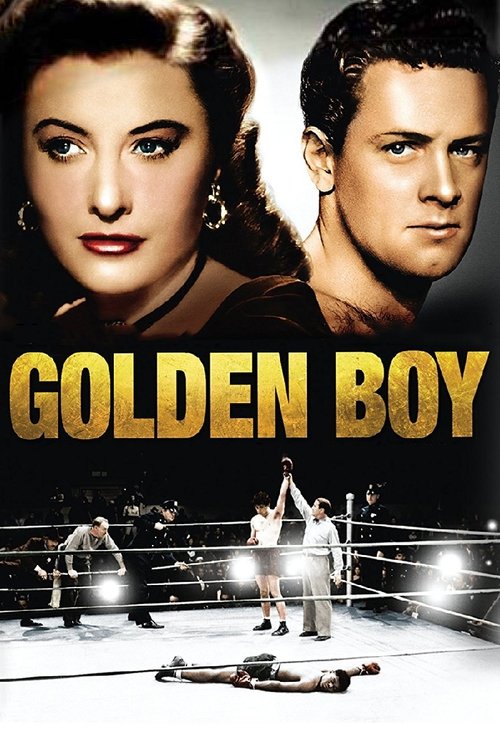
Golden Boy1939
Barbara Stanwyck and William Holden in Rossen's portrait of ambition and corruption in prewar America. The corruption is moral rather than political, but the machinery of coercion and compromise runs identical.
But The boxing sequences feel quaint now. Romance subplot competes with the main moral argument and sometimes wins by mistake.
Escape Route1952
A lean British thriller about smuggling a scientist out of Eastern Europe during early Cold War tensions. Minor and forgettable, but competent—the kind of thing that played well on double bills and hasn't dated badly.
But Genuinely minor work; little distinguishes it from dozens of similar postwar espionage programmers. Functional rather than inspired.
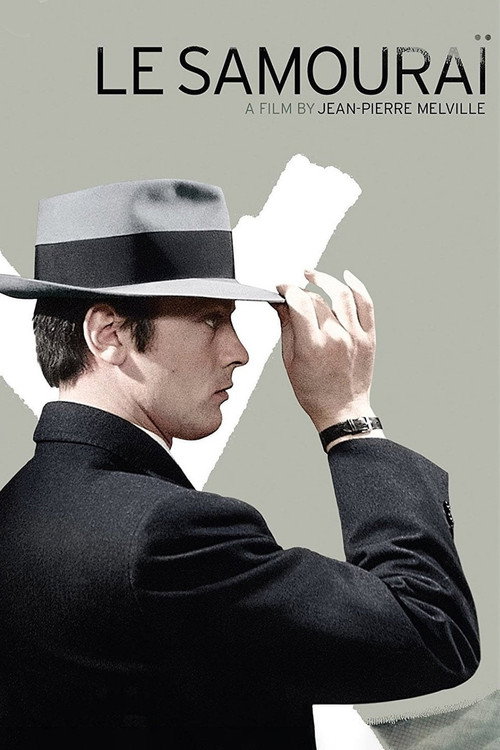
Le Samouraï1967
Both construct elaborate spy operations through overlapping identities and compartmentalized information—each player knows only what they need to. But where O.S.S. plays this for tension, Melville plays it as tragedy.
Melville's Tokyo-set assassin film with Alain Delon as a contract killer caught in a labyrinth of loyalty and betrayal. Entirely unlike an American spy thriller in register and pacing—cool, geometric, almost silent, moving through rooms like a chess problem.
But The plot is thin and deliberately secondary to atmosphere and aesthetics. If you're watching for what happens next, it will frustrate you. Style subsumes story entirely.
Battleship Potemkin1925
Both are fundamentally about how groups navigate impossible circumstances through compartmentalization and coordinated action. One is wartime espionage, the other is revolution, but the choreography of survival is identical.
Eisenstein's Soviet montage masterpiece about mutiny and social rupture. Nothing like O.S.S. in any conventional sense, but the same engine: how do ordinary people coordinate against overwhelming institutional power? How does information move through a trapped system?
But Silent film, revolutionary cinema theory made flesh. The Odessa Steps sequence is famous; the rest is structural experimentation that can feel austere. Requires active viewing—it will not ease you along.

People
Cast
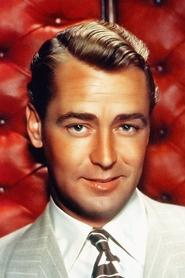 Alan LaddJohn Martin / Lt. (j.g.) Philip Masson, U.S.N.R. / Philippe Martine
 Geraldine FitzgeraldMiss Ellen Rogers / Madame Elaine Duprez
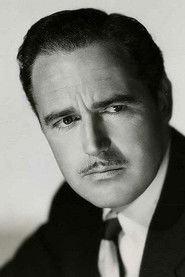 Patric KnowlesCmdr. Brady
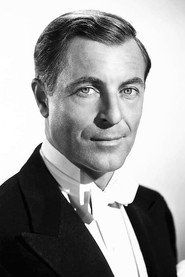 John HoytCol. Paul Meister
 Gloria Saunders(W)omen's (A)rmy (C)orps Radio Operator Mary
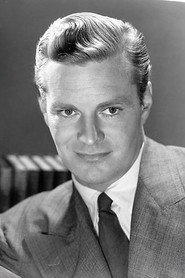 Richard WebbFrank Schmidt (O)perational (S)upport (P)ackages, (M)aterial, Maintenance, Management, U.S.N.R. / Parker
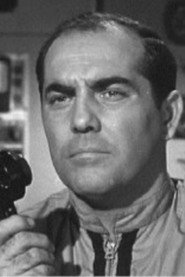 Richard BenedictRobert Bouchet, Tech Sgt., A.U.S. / Albert Bernardi
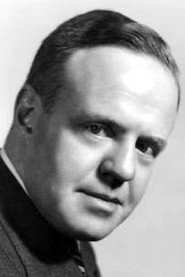 Harold VermilyeaAmadeus Brink
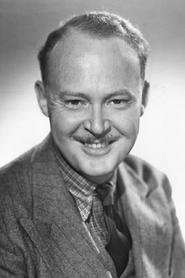 Don BeddoeRodney "Gates" Parrish / Raoul Josse
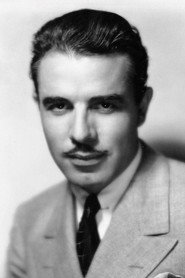 Onslow StevensField
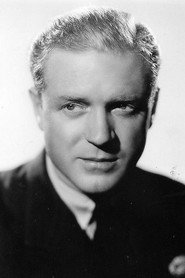 Gavin MuirCol. Crawson
 Egon BrecherMarcel Aubert
Directing
- John Francis MurphyAssistant Director
- Irving PichelDirector
Writing
- Robert ThoerenScreenplay
Production
- Richard MaibaumProducer