
Film
Five Graves to Cairo
A 1943 wartime thriller where a British soldier infiltrates Rommel's headquarters disguised as a waiter, caught between assassination and espionage in the North African desert. Taut, visually inventive, and gleefully willing to toy with its audience—Wilder's control of tension is masterful. For anyone who loves intelligent spy craft over spectacle.
If you liked this
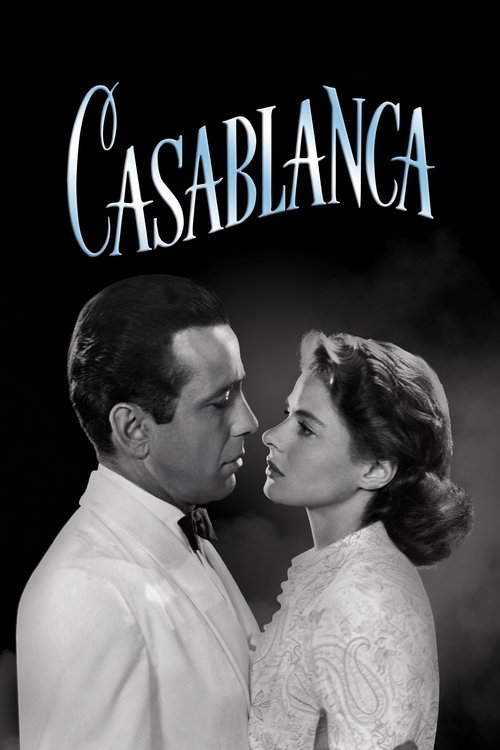
Casablanca1943
Sets the gold standard for wartime intrigue: atmosphere so thick you can taste it, moral ambiguity that refuses easy answers, and performances that make every glance matter. The template Wilder learned from.
But If you've seen it a dozen times, revisiting it feels like homework. Its iconic status can work against it—nothing surprises you anymore.
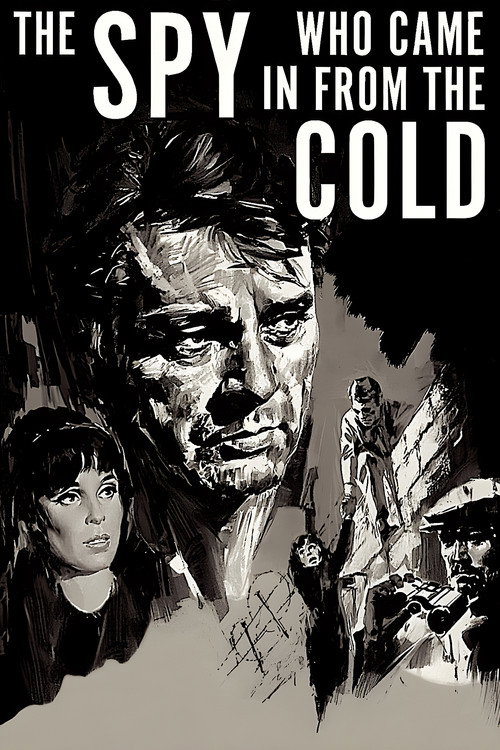
The Spy Who Came In from the Cold1965
Adapts John le Carré with glacial precision: espionage as bureaucratic drudgery, not glamour. Cold, credible, and deliberately unglamorous—the thinking person's spy film about a man morally ground down by his work.
But Deliberately slow and unglamorous. If you want action or satisfaction, you won't get it. It ends in bleak resignation.
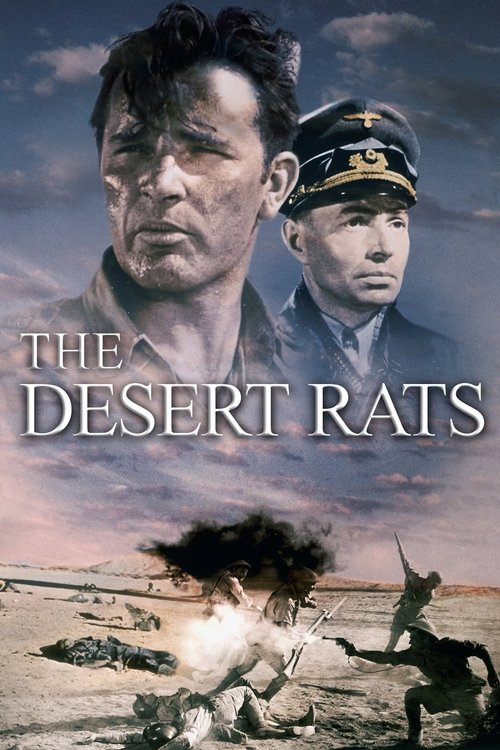
The Desert Rats1953
Another North African campaign film, but this one lives in the grunt's perspective—mud, sand, exhaustion, and the enemy as a distant threat. Neorealist war cinema that trusts its audience's intelligence.
But Lacks the narrative drive of Five Graves. It's more interested in texture and endurance than plot momentum, which can feel slack.
Not sure tonight? Get a pick in a minute, starting from Five Graves to Cairo
The wildcard
Something you would not have found on your own.
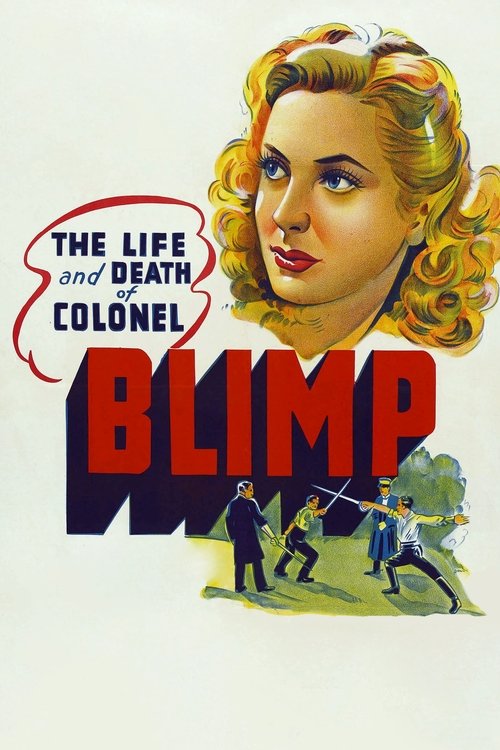
The Life and Death of Colonel Blimp1943
Both are 1943 films about British soldiers navigating honor, identity, and moral compromise in wartime. Both refuse to simplify their characters or questions, using genre conventions as vessels for something more complex.
Released the same year as Five Graves, Powell and Pressburger's kaleidoscopic epic spans decades and continents, following a British officer from the Boer War through WWII. Wildly theatric, gorgeously shot in Technicolor, structurally audacious—it uses fantasy and flashback to ask what loyalty and honor actually mean.
But Three hours long, structurally dizzy, and tonally unstable—it shifts between whimsy, melodrama, and genuine tragedy. The camp aesthetic can obscure its serious questions.
More like this (8)
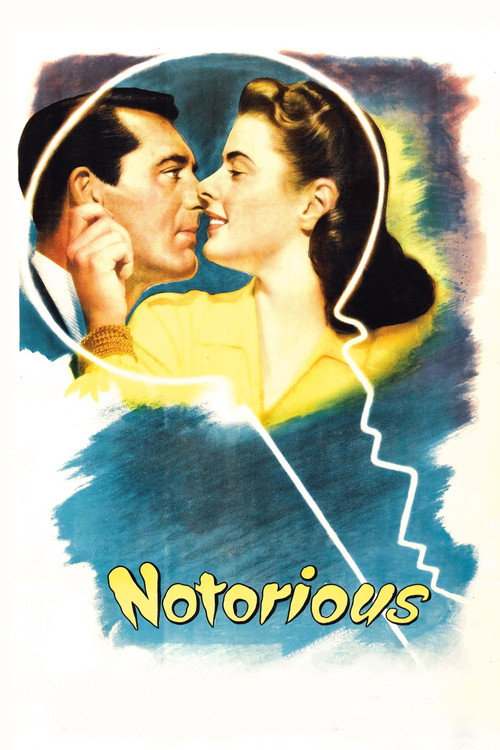
Notorious1946
Hitchcock's masterpiece of infiltration and seduction. A woman goes undercover as a lover in a Nazi household—close, claustrophobic, and morally radioactive. Every scene crackles with dread.
But The romantic subplot can feel incongruent with the espionage stakes. Some find the gender politics uncomfortable by modern standards.
The Third Man1949
Carol Reed's Vienna-based noir about betrayal and moral compromise in a divided city. The zither score, the shadows, the sewers—atmosphere so rich it's practically another character.
But Deliberately ambiguous about who to trust and what to believe. If you want clarity, you won't get it. Some find it remote.

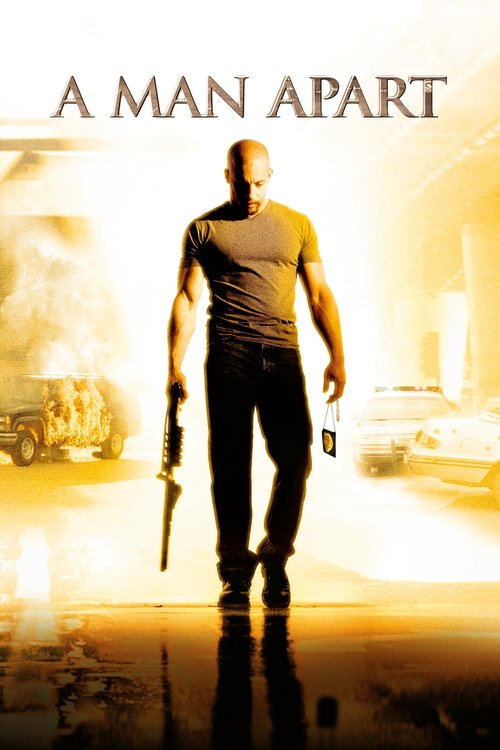
A Man Apart2003
Undercover DEA agent infiltrates a drug cartel while his real identity dissolves. Modern, visceral, and genuinely interested in the psychological cost of living a lie.
But Vin Diesel as the lead is divisive. The action sequences, while effective, sometimes overwhelm the quieter psychological exploration.
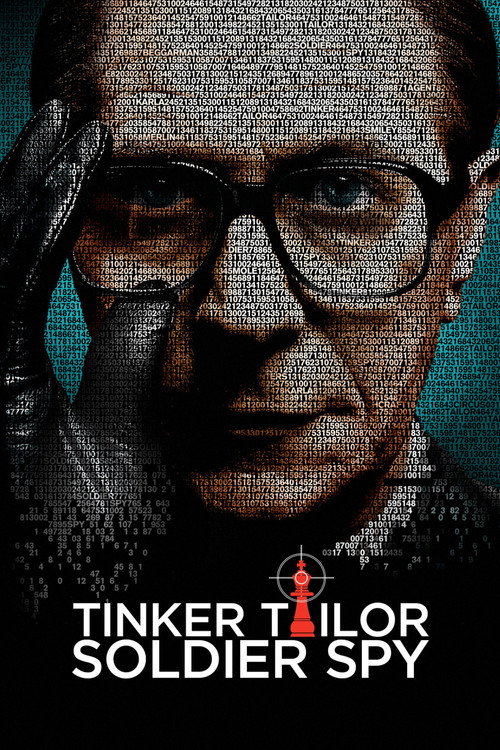
Tinker Tailor Soldier Spy2011
Le Carré again, this time directed by Tomas Alfredson. A mole hunt through Cold War fog: methodical, elliptical, textured with detail and meaningful silences. Gary Oldman as Smiley is a masterclass.
But Deliberately cryptic plotting can feel impenetrable on first viewing. You're expected to keep up without hand-holding.
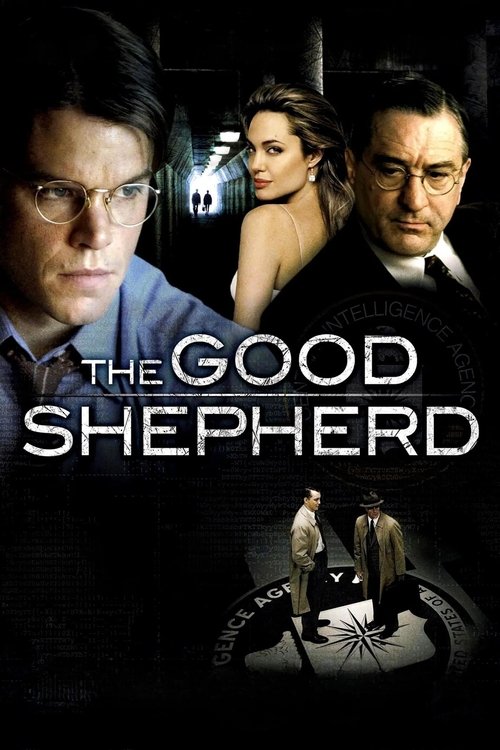
The Good Shepherd2006
Robert De Niro's meditation on the CIA's early years and one man's life consumed by service. Epic in scope but intimate in its attention to the personal cost of loyalty.
But Nearly three hours, and plotted like a puzzle that takes patience to follow. The pacing sprawls; some find it indulgent.
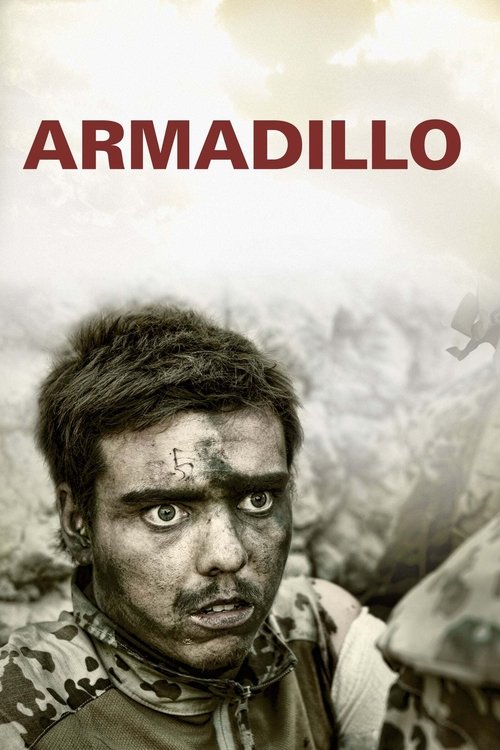
Armadillo2010
Danish documentary following soldiers through the Afghan campaign. Unflinching, intimate, and horrifyingly human—the cost of combat stripped of rhetoric.
But Real footage of combat trauma and moral compromise. Difficult viewing, and without the narrative arc of fiction. Requires emotional readiness.
The Battle of Algiers1966
Both films understand that war is about information and ideology as much as guns. Both make espionage and deception the real theater, and both refuse sentimentality about either side.
A documentary-style reconstruction of the Algerian uprising against French colonial rule. Shot in stark black and white with radical immediacy, it follows both the FLN insurgents and the French military occupiers—refusing to choose between them, demanding you understand both.
But Formally challenging and politically uncompromising. It treats terrorism and counter-terrorism with equal moral clarity, which disturbs people wanting easier answers. Some find the aesthetic coldness alienating.

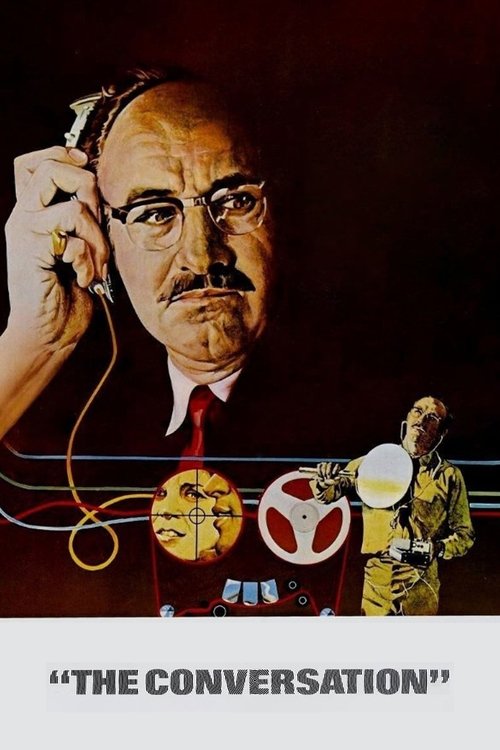
The Conversation1974
Like Five Graves, it's ultimately about a man whose cover—professional detachment—disintegrates under pressure. Both understand that the real war is internal, and the hardest battle is staying human when your work requires you to pretend you aren't.
Coppola's paranoid masterpiece about a surveillance expert slowly consumed by his own work. Gene Hackman gives one of cinema's great performances—watched, guilty, and progressively unmoored. It's about the moral weight of knowledge and the impossibility of staying clean.
But Deliberately slow and interior. Plot resolves into philosophical dread rather than action. If you want answers, this film offers only questions.
People
Cast
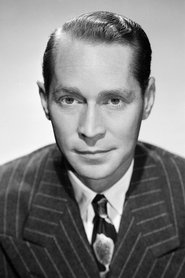 Franchot ToneCpl. John J. Bramble / Paul Davos
 Anne BaxterMouche
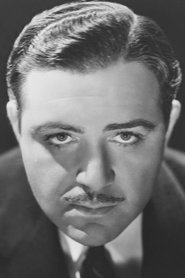 Akim TamiroffFarid
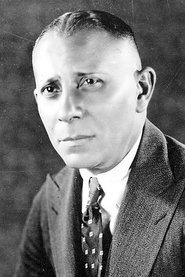 Erich von StroheimField Marshal Erwin Rommel
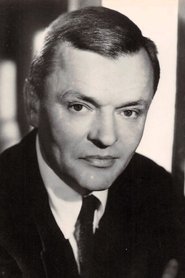 Peter van EyckLt. Schwegler
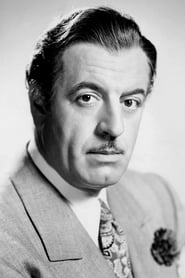 Fortunio BonanovaGen. Sebastiano
- Philip AhlmSecond Soldier (uncredited)
- Roger CreedFourth Soldier (uncredited)
- Hans MoebusThird Soldier (uncredited)
- Leslie DenisonBritish Captain (uncredited)
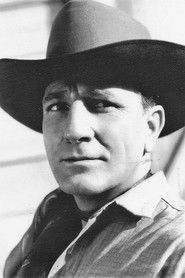 Bud GearyEnglish Tank Commander (uncredited)
- Frederick GiermannGerman Sergeant (uncredited)
Directing
- Charles C. ColemanAssistant Director
- Henry S. KeslerAssistant Director
- Herbert ColemanAssistant Director
- Billy WilderDirector
Writing
- Billy WilderScreenplay
- Charles BrackettScreenplay
- Lajos BiróTheatre Play
Production
- Charles BrackettAssociate Producer
- Buddy G. DeSylvaExecutive Producer
- Norman LaceyLocation Manager
- Hugh BrownUnit Manager
- Sidney StreetUnit Manager
Recommended by
Night Train to Munich, Hotel Berlin, Sundown, O.S.S., SOS Pacific, Appointment in Berlin, Paris Calling, Moonlight in Hawaii