
Film
Moonlight in Hawaii
- Comedy
- Light-hearted
A 1941 musical comedy about a singer-turned-tour-guide shepherding rich tourists through Hawaii while his bandmates sneak along for the ride. It's lightweight, cheerful, and built around musical numbers and romantic misunderstandings. The kind of film designed to make you want a tropical vacation while the orchestra plays.
If you liked this
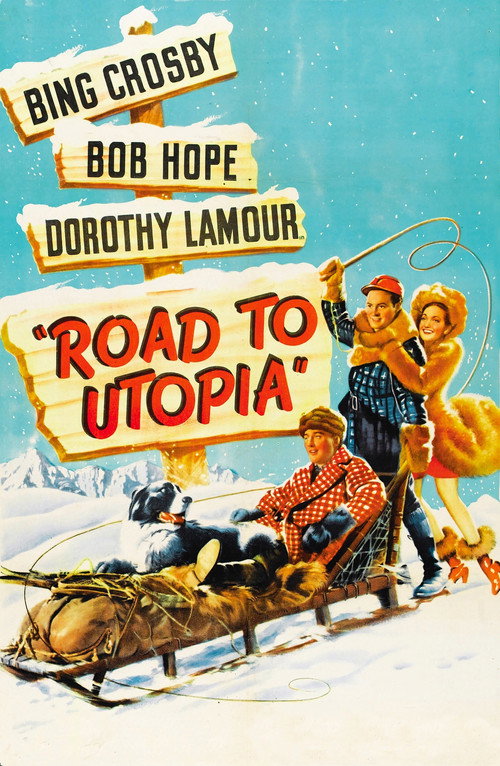
Road to Utopia1946
Bing Crosby and Bob Hope trade insults and ad-libs across Alaska and the Yukon in this riotous road picture. The chemistry is effortless, the gags come fast, and it's genuinely funny—not just historically amusing.
But The humour is very much of its era, with some ethnic and racial jokes that landed differently then. If you need comedy to feel timeless, this will date.
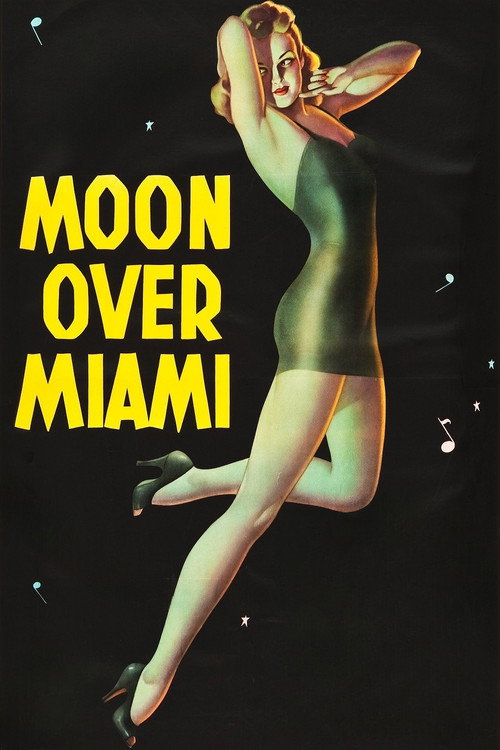
Moon Over Miami1941
A contemporary musical about gold-digging sisters in Miami with Don Ameche and Betty Grable. Glossy, tuneful, full of period glamour, and surprisingly sharp about its own mercenary characters.
But It's a thin plot hung on musical numbers. If you want narrative momentum or emotional depth, you're watching the wrong year.
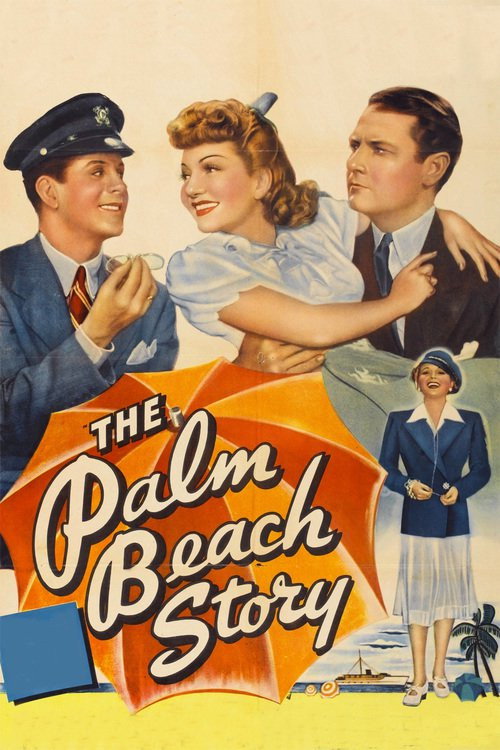
The Palm Beach Story1942
Preston Sturges directs Joel McCrea and Claudette Colbert through a screwball masterpiece about a marriage on the rocks and a trip to Florida. The dialogue is brilliant, the timing immaculate, and it's genuinely inventive.
But The pacing is very fast and the plot deliberately nonsensical. If you prefer stories that make sense or characters who behave logically, this will frustrate you.
Not sure tonight? Get a pick in a minute, starting from Moonlight in Hawaii
The wildcard
Something you would not have found on your own.
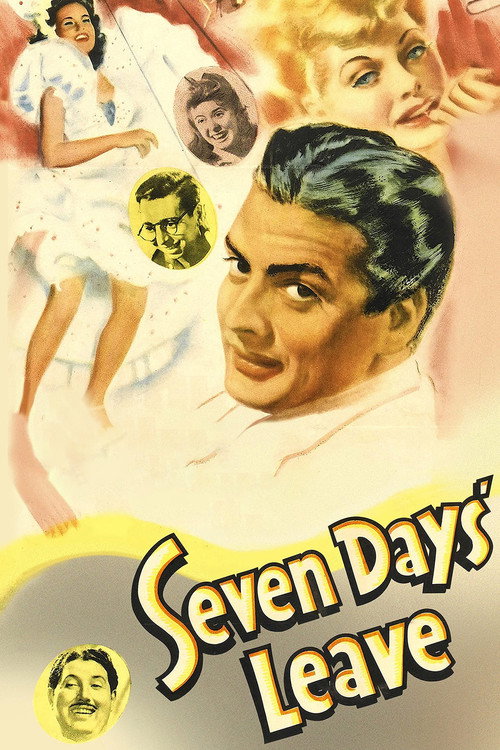
Seven Days' Leave1942
Both are 1941-era musicals built on loosely-connected musical and comedic scenes rather than tight plots; both prioritize the spectacle and romance of vacation locales over narrative coherence.
A soldier on leave falls for a war-bond sales clerk, and the whole film is structured as a series of musical and comedic vignettes. Flexible narrative, lots of musical talent (including a young Freddy Martin orchestra), and a gentler rhythm than most musicals.
But It's even thinner on plot than the mainstream picks. The episodic structure means nothing builds—it just ambles along.
More like this (7)
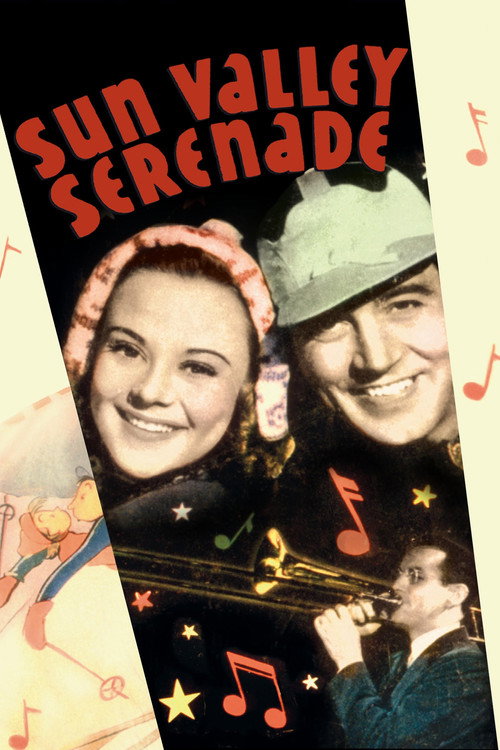
Sun Valley Serenade1941
Glenn Miller's orchestra steals a musical romance about a pianist and a Norwegian refugee at a ski resort. The band sequences are spectacular and the whole film glows with period colour and romance.
But The plot exists only as a clothesline for musical numbers. Real character development or stakes are not the point here.
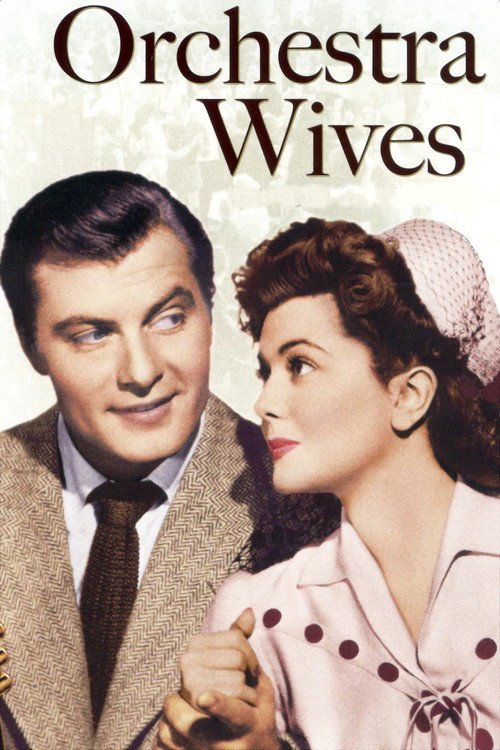
Orchestra Wives1942
Another Glenn Miller showcase, this time about the lives and loves of bandmembers' wives. The music is terrific, the ensemble cast has genuine charm, and it's a good-natured look at a vanished world.
But The whole film runs on nostalgia and musical setpieces. If the premise doesn't appeal, the flimsy plot won't hold you.
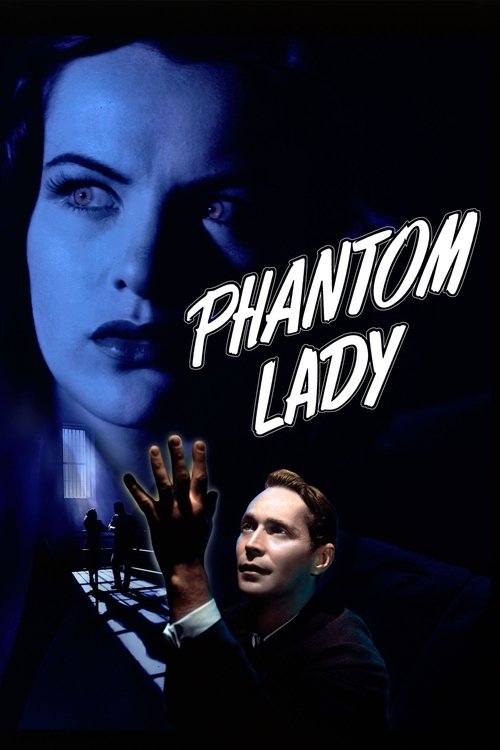
Phantom Lady1944
Cornell Woolrich's noir about a woman trying to clear her husband of a murder charge. It's tense, atmospheric, and features one of the best night-club sequences ever filmed—Ella Raines and the orchestra player is mesmerizing.
But It's genuinely dark and violent for its era. The lightness you want from a 1941 musical is nowhere present.
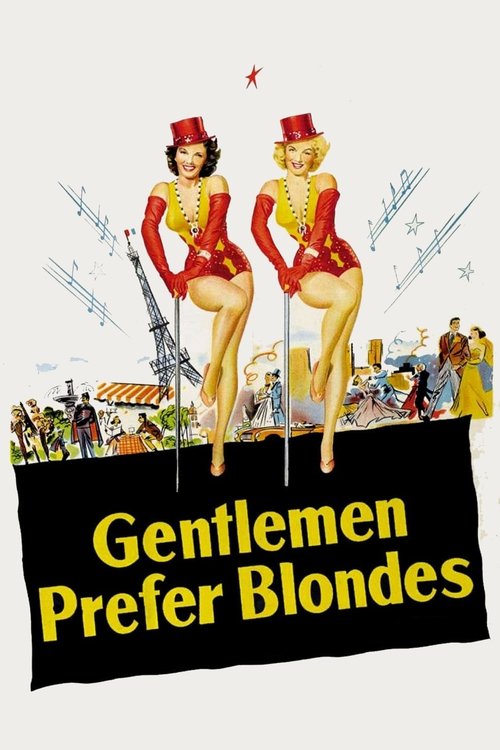
Gentlemen Prefer Blondes1953
Marilyn Monroe and Jane Russell on an ocean voyage, singing, dancing, and flirting with rich men. It's a perfectly constructed comedy musical with two stars who seem to be having the time of their lives.
But The satire is sometimes broad and the plot is gossamer-thin. Some will find it dated; others will find that exactly the point.
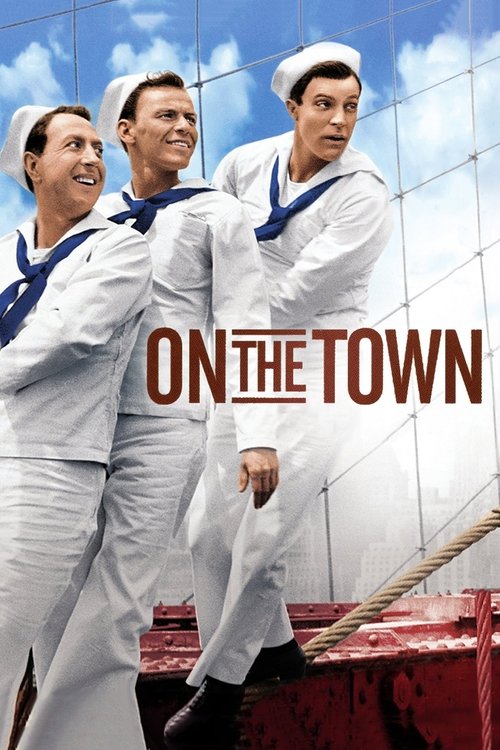
On the Town1949
Gene Kelly, Frank Sinatra, and Jules Munshin as sailors on shore leave in New York, singing and dancing through the streets. It's exuberant, playful, and shot on actual locations with infectious joy.
But The female characters exist mainly to be chased. And if you don't connect with the musical-theatre energy, the film will feel indulgent.
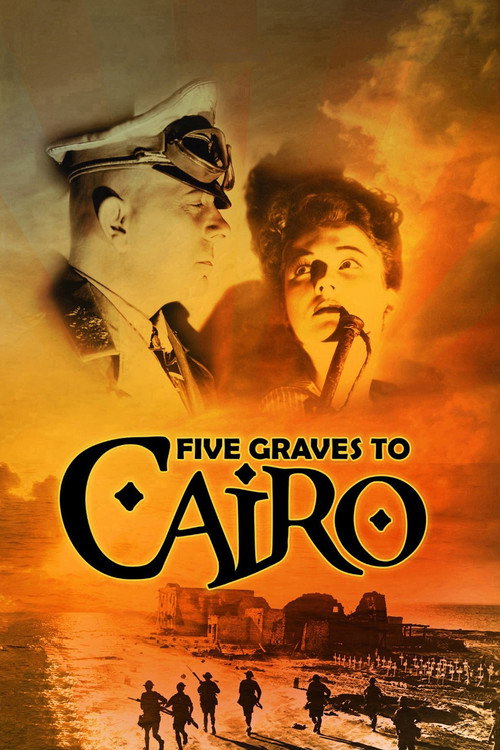
Five Graves to Cairo1943
A different use of the same era and resources: the exotic wartime setting, the disguise and mistaken identity, the romantic entanglement—but stripped of music and comedy, transformed into something suspenseful.
Billy Wilder directs Franchot Tone and Anne Baxter in a wartime thriller about a soldier pretending to be a hotel employee in Egypt. It's taut, clever, and proves that a 60-minute runtime can hold real tension and wit.
But It's a serious wartime spy story, not a comedy. The tropical setting and period glamour mask something genuinely tense and morally murky.
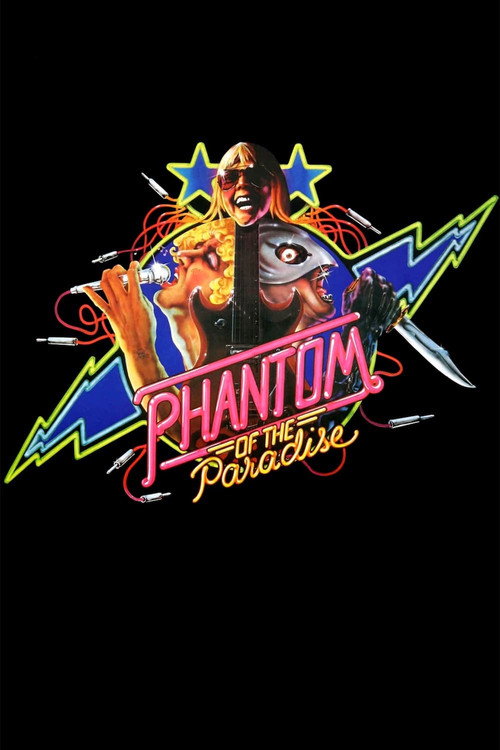
Phantom of the Paradise1974
Both use music as the backbone of a loose, romantic plot; both find comedy and spectacle in the world of entertainment and performance; but Phantom shows what happens when you take the same structure into the 1970s—darker, weirder, sexual, and operatic in register.
Brian De Palma's wild operatic rock horror-comedy about a composer sold to the devil and a glitzy rock-music venue. It's visually dazzling, full of genuine songs, and ricochets between horror, satire, and sincerity.
But It's genuinely dark and violent in ways a 1941 film couldn't be. The tone shifts constantly and nothing is treated with reverence—it might feel chaotic or even tasteless.
People
Cast
 Jane FrazeeToby Spencer
 Leon ErrolWalter Spencer
 Mischa AuerClipper Canovan
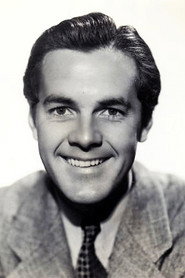 Johnny DownsPete Fleming
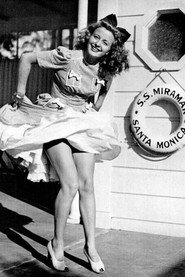 Sunnie O'DeaGloria
 Maria MontezIlani
 Marjorie GatesonEffie Floto
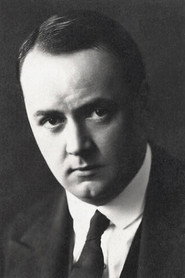 Charles ColemanButler
 Richard CarleLawton
- Judd McMichaelOllie Barrett
- Ted McMichaelRed Simpson
- Joe McMichaelBeans Smith
Directing
- Charles LamontDirector
Writing
- Erna LazarusScreenplay
- James GowScreenplay
- Morton GrantScreenplay
- Eve GreeneStory
Production
- Ken GoldsmithAssociate Producer