
Film
On the Town
- Comedy
- Light-hearted
- Relentless
A gleeful explosion of colour, music and movement. Three sailors tear through 1949 New York with 24 hours to find love, romance and adventure. It's pure joy—a musical that feels like watching people discover they can fly. For anyone who loves optimism, dancing and the idea that strangers become soulmates by midnight.
Should you watch it?
Watch it if you love musicals shot on real city streets, where the dancing spills out of subway cars and taxi rides and feels like the most natural thing in the world.
Skip it if you find old-fashioned studio musical numbers and cheerful, rapid-fire romantic mix-ups more tiresome than charming, since the film keeps its energy high throughout.
What it asks of you: Under ninety-nine minutes, it moves briskly and rarely pauses, so you need to be happy to be carried along by song and motion rather than sitting back for quiet character moments.
Not sure? Find tonight's pick in a minute.
If you liked this
Singin' in the Rain1952
The pinnacle of the Hollywood musical. Gene Kelly at his absolute peak, doing things with his body that still seem impossible. A story so charming it barely exists, because the dancing and singing are the point.
But If you're not moved by virtuoso physical performance and infectious joy, the thin plot won't hold you. It's unapologetically lightweight.

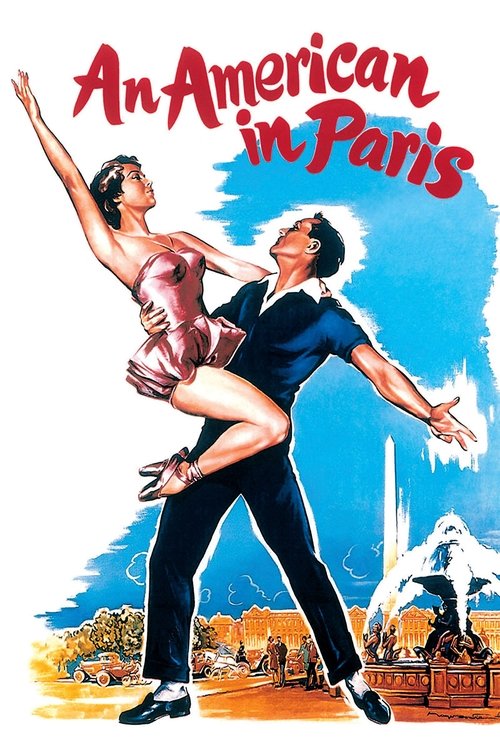
An American in Paris1951
Technicolor romance and ambition. Gene Kelly again, dancing through Paris with style and genuine pathos underneath. Leslie Caron is radiant. The climactic ballet is genuinely breathtaking.
But The middle sags before that finale. Some will find the romantic drama heavy-handed compared to the musical numbers.
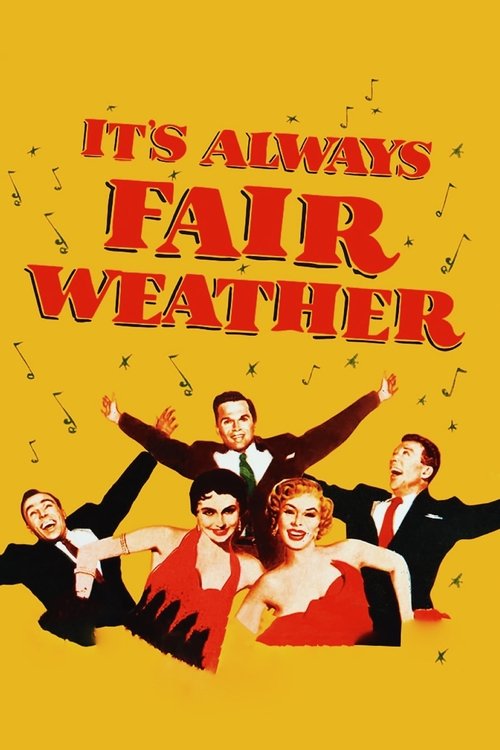
It's Always Fair Weather1955
Three sailors reunite after the war—a sly darker cousin to On the Town. Kelly, Dan Dailey and Michael Kidd are spectacular, and the cynicism underneath makes the optimism matter more. Skating on roller skates to fight feels surreal and right.
But It's messier and less innocent than On the Town. The sentimentality of postwar America can feel dated if you're not in the mood.
Not sure tonight? Get a pick in a minute, starting from On the Town
The wildcard
Something you would not have found on your own.
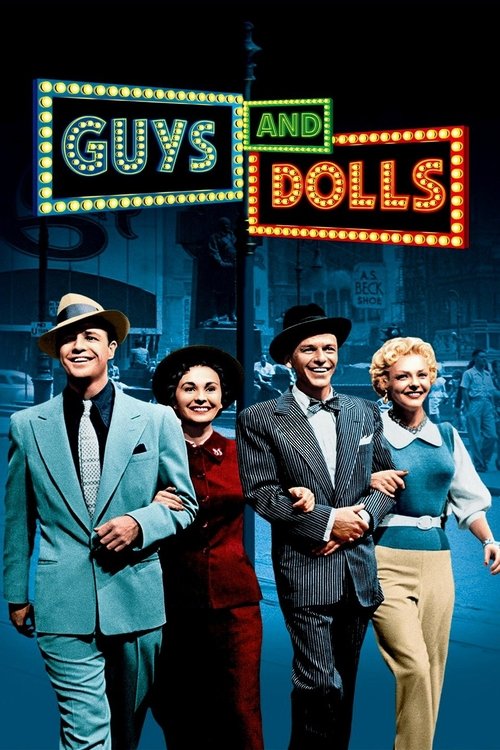
Guys and Dolls1955
Both are about soldiers/sailors and New York; both treat romance as a search and a game; both find something real underneath the musical hijinks. Guys and Dolls asks what happens when the jest becomes sincere.
Frank Sinatra again, but this time opposite Marlon Brando in Loesser's masterpiece. The mission hall scene alone justifies the film. It's about faith, love and gambling with real emotional weight under the comedy.
But Brando's singing is famously imperfect. The tonal shifts from comedy to genuine romance to spiritual crisis can feel jarring. Some find the show-within-a-show staging cluttered.
More like this (8)
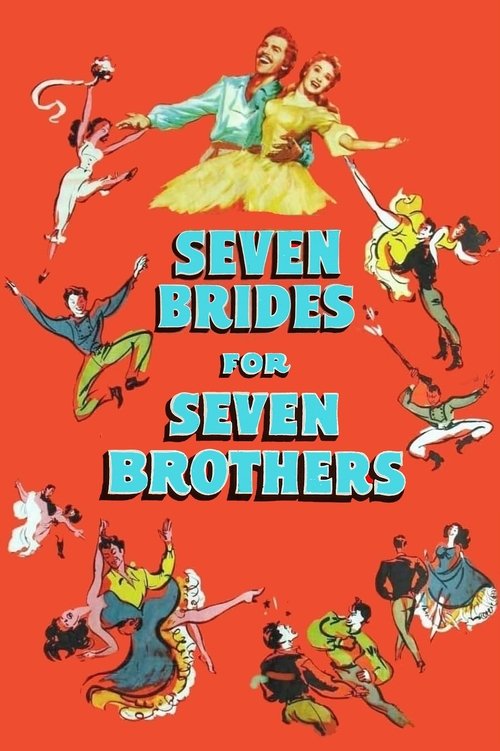
Seven Brides for Seven Brothers1954
Riotous energy and genuine storytelling. The dance sequences feel less like interruptions and more like the characters finding the only language big enough for what they feel. Jane Powell shines opposite Howard Keel's charm.
But The gender dynamics are of their era and can grate. The central conceit—bride-shopping, essentially—is hard to unsee as problematic.
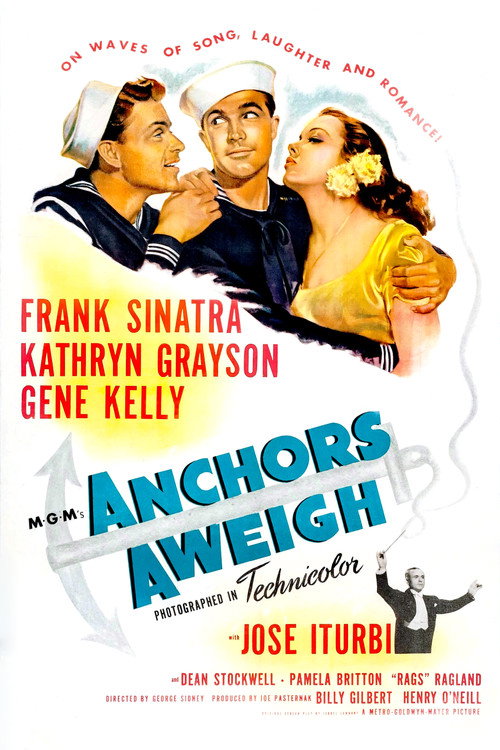
Anchors Aweigh1945
Kelly and Frank Sinatra as sailors on shore leave, the template On the Town would perfect. Gene Kelly dancing with a cartoon Jerry the mouse remains astonishing. Pure wartime escapism done with real craft.
But It's looser and slightly more chaotic than its successor. Some bits have aged awkwardly, and Sinatra's crooning won't appeal to everyone.
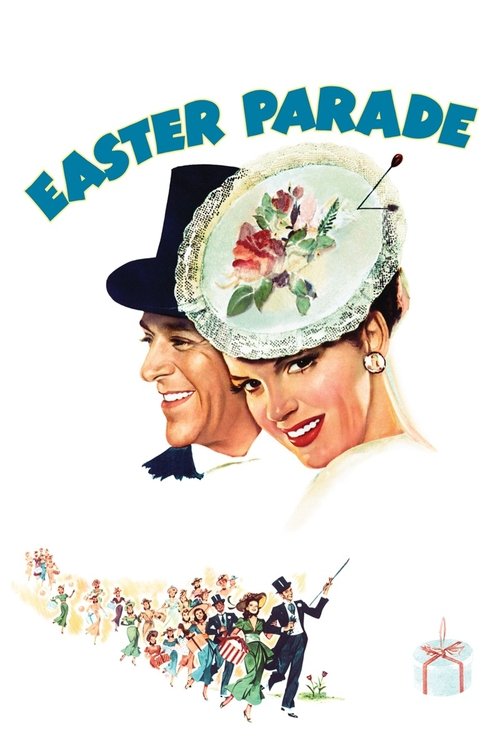
Easter Parade1948
Fred Astaire and Judy Garland in a love-hate romance built around dance and music. Irving Berlin's songs are impeccable. Light as meringue, but with real heart and two of the greatest dancers ever filmed together.
But The plot is negligible. If you need character depth or narrative momentum, this will feel like filler between numbers.
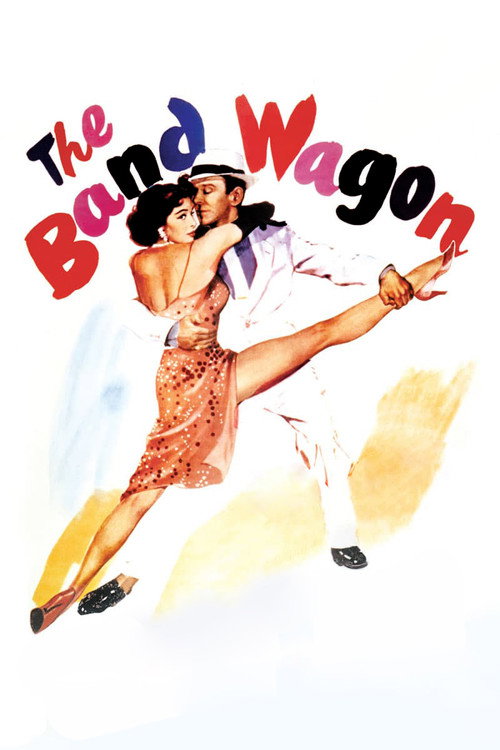
The Band Wagon1953
Fred Astaire dancing on roller skates down a street, and that's just one number. A musical within a musical, clever and utterly confident. Cyd Charisse is magnificent. The Astaire-Charisse dances are pure seduction.
But It's somewhat self-referential and showbiz-insular. If backstage Hollywood politics don't intrigue you, the stakes feel thin.
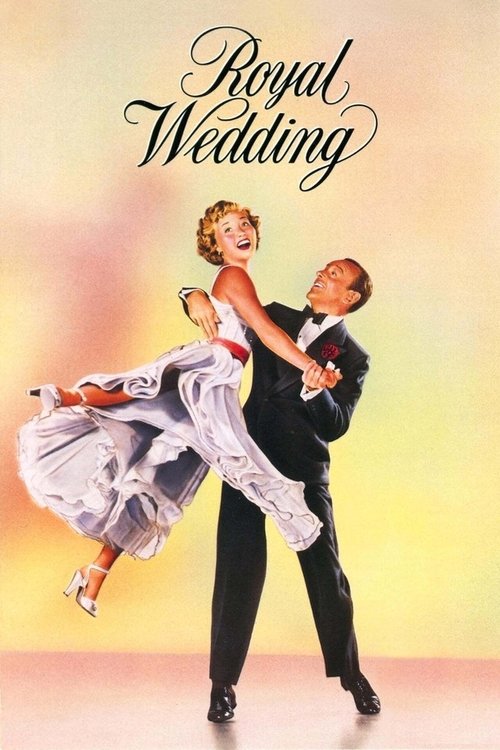
Royal Wedding1951
Fred Astaire in London for the royal wedding, mostly using it as an excuse to dance with Jane Powell and dazzle in increasingly impossible ways. A famous routine where he dances up the walls and across the ceiling.
But The romance plot is genuinely thin. Some numbers feel indulgent rather than integrated into the story.
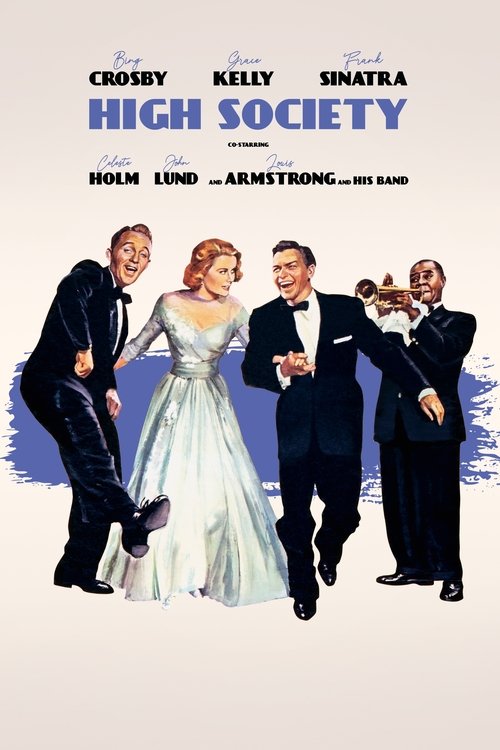
High Society1956
Grace Kelly, Bing Crosby and Frank Sinatra in Cole Porter songs. Glamorous, witty, and Sinatra's voice in Porter's material is sophisticated pleasure. Jazz standards played by real musicians on screen.
But It's more jazzy cabaret than kinetic musical spectacle. If you came for dancing, you'll mostly get singing. The plot is gossamer-thin and rather smug.
West Side Story1961
Both are New York stories where youth, energy and music collide with the city's geography. On the Town finds romance in the streets; West Side Story finds tragedy there. Same city, opposite outcomes—the difference between innocence and its loss.
The musical perfected. Bernstein and Sondheim at their peak. Urbane, violent, heartbreaking and set in contemporary New York City. The dancing is integrated into the storytelling so completely it becomes the story. Technically breathtaking.
But It's heavy and tragic where On the Town is light. If you want optimism and joy, this tears your heart out with genuine purpose. The dated social commentary can feel patronising.
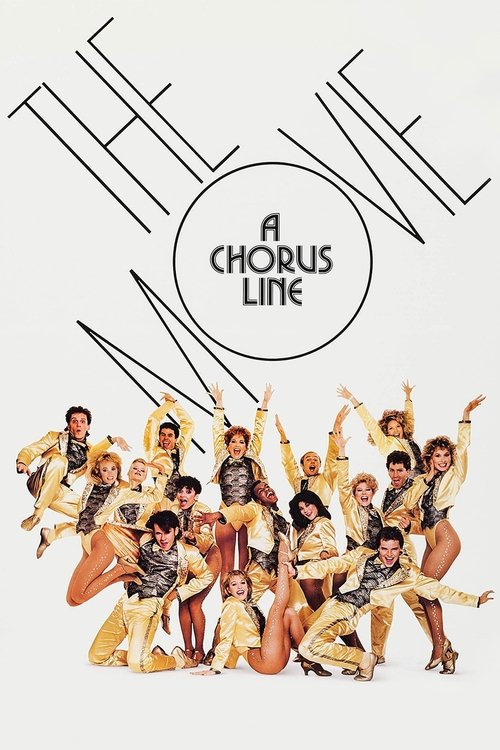
A Chorus Line1985
Both centre dancers and the world they inhabit; both use the musical form to celebrate movement. But A Chorus Line asks what it costs to be a dancer, while On the Town celebrates the cost as part of the dream.
Dancers auditioning for a Broadway show, each revealing their lives in song. It's the inverse of On the Town—not a fantasy about dancers, but dancers' actual lives, their desperation and hunger. Surprisingly moving and unsentimental.
But The film adaptation is considered inferior to the legendary stage version. The tone is melancholic and self-aware where On the Town is ecstatic. If you want unironic joy, this gives you ambition and compromise instead.
People
Cast
 Gene KellyGabey
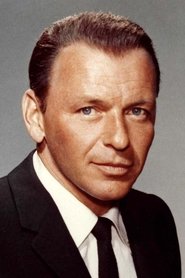 Frank SinatraChip
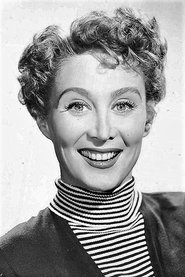 Betty GarrettBrunhilde Esterhazy
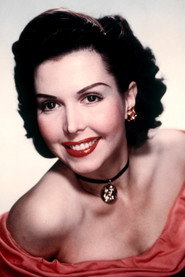 Ann MillerClaire Huddesen
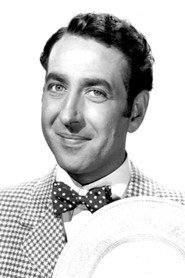 Jules MunshinOzzie
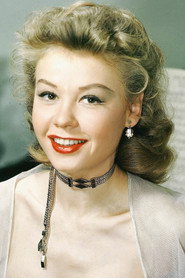 Vera-EllenIvy Smith
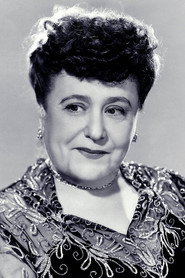 Florence BatesMadame Dilyovska
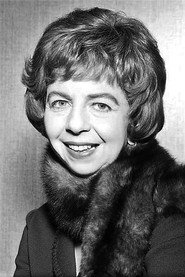 Alice PearceLucy Schmeeler
 George MeaderProfessor
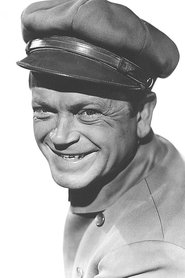 Murray AlperCab Company Owner (uncredited)
- Bette Arlen"Day in New York" Ballet Dancer (uncredited)
- Anne BeckNightclub Patron (uncredited)
Directing
- Jack GertsmanAssistant Director
- Gene KellyDirector
- Stanley DonenDirector
Writing
- Jerome RobbinsIdea
- Adolph GreenLyricist
- Betty ComdenLyricist
- Adolph GreenMusical
- Betty ComdenMusical
- Leonard BernsteinMusical
- Adolph GreenScreenplay
- Betty ComdenScreenplay
Production
- Roger EdensAssociate Producer
- Arthur FreedProducer
Recommended by
Hello, Dolly!, Kiss Me Kate, Guys and Dolls, The Pajama Game, It's Always Fair Weather, Anchors Aweigh, Pagan Love Song, Neptune's Daughter, Summer Holiday, Moonlight in Hawaii