
Film
Night Train to Munich
A 1940 spy thriller set as Nazi Germany invades Czechoslovakia. Rex Harrison and Margaret Lockwood are at their most charming, sparring and scheming across Europe while hunting a refugee inventor. It moves like a train itself—swift, elegant, and full of the wit and menace that make British wartime cinema so addictive.
Should you watch it?
Watch it if you like a tight, old-fashioned espionage chase where suspense is built from ordinary train compartments and a sly, bantering pair of British gentlemen.
Skip it if you want the grim weight of war itself; this is a brisk, lighter entertainment whose wartime stakes get a playful touch and a studio-bound polish.
What it asks of you: Brisk and compact at about an hour and a half, it moves in a steady run of chases and close calls, rewarding attention rather than patience.
Not sure? Find tonight's pick in a minute.
If you liked this
The Third Man1949
Carol Reed's masterpiece of post-war Vienna. Orson Welles and Joseph Cotten navigate moral ambiguity and betrayal with the same sophisticated ease as Night Train's leads, in a city made as much a character as the spies moving through it.
But It's deliberately cold and baroque in style. If you want warmth or clarity of plot, this will frustrate you.

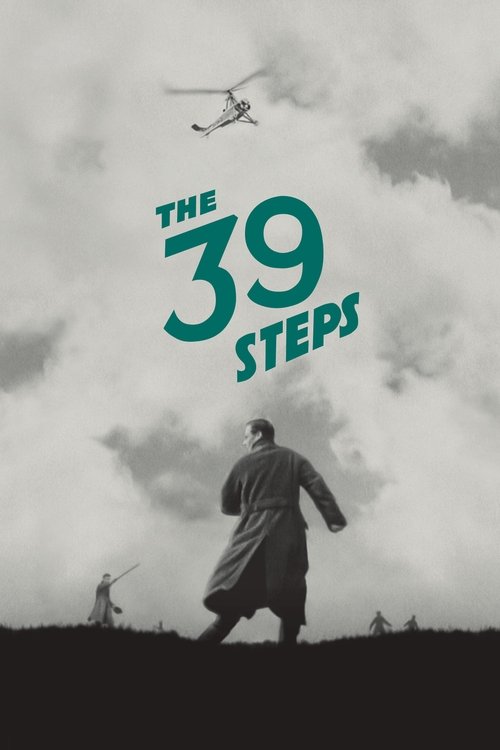
The 39 Steps1935
Hitchcock's earlier spy chase through Britain and Scotland has the same giddy momentum and wronged-man energy. Robert Donat carries it with grace. The template Night Train refines is here—and it's thrilling.
But Pacing that feels theatrical, not cinematic. Some scenes feel broader than you'd expect from a thriller.
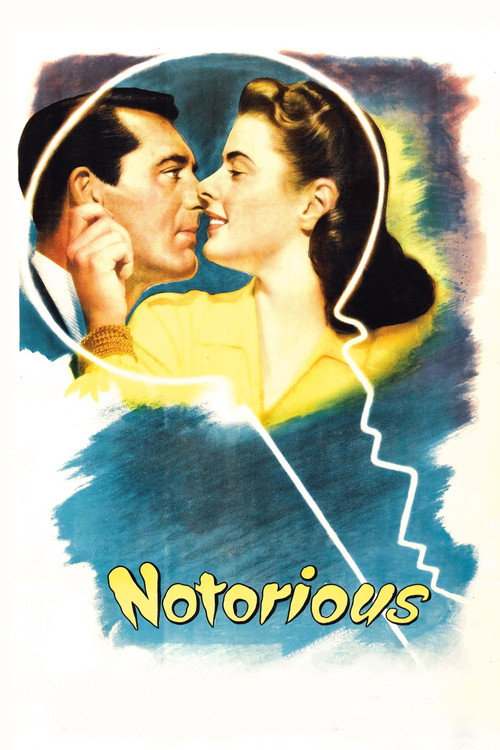
Notorious1946
Cary Grant and Ingrid Bergman in a Hitchcock spy romance where attraction and duty tangle fatally. The psychological pressure mounts like clockwork. Bergman's vulnerability against Grant's cool charm mirrors what makes Night Train sing.
But The plot hinges on some shaky logic that will bother you if you're thinking critically rather than swept along.
Not sure tonight? Get a pick in a minute, starting from Night Train to Munich
The wildcard
Something you would not have found on your own.
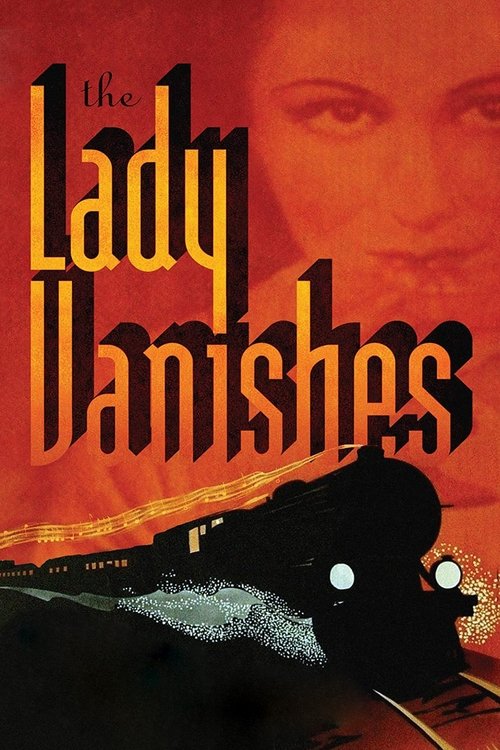
The Lady Vanishes1938
Both center on a train journey across Europe during wartime, both use comic British characters as foils for danger, and both ask whether you can trust the person sitting across from you. Lockwood is the constant.
Hitchcock's earlier film, also set on a train across Europe, also about spies and confusion and English charm under pressure. Margaret Lockwood appears here too. But this time the machinery of Hitchcock's technique is even more visible—you feel the wheels turning, which is thrilling in a different way.
But It's less slick than Night Train and more obviously theatrical in construction. If you want seamless narrative, you'll see the artifice.
More like this (7)
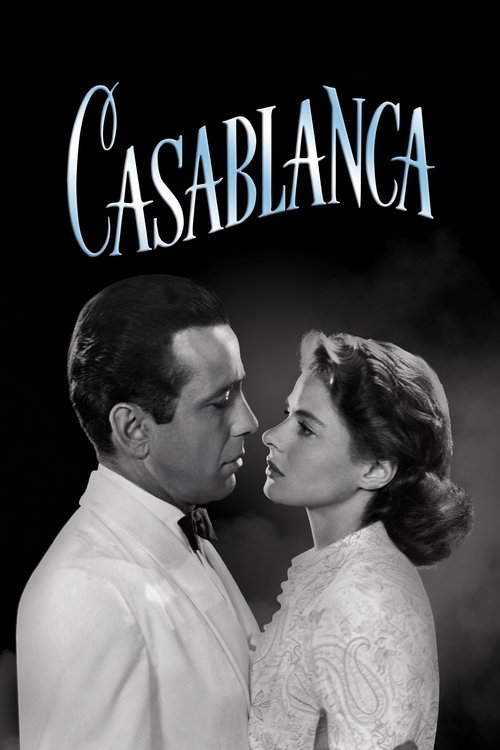
Casablanca1943
Humphrey Bogart and Ingrid Bergman in the gold standard of wartime intrigue. Wit, romance, and moral stakes collide perfectly. It has the same elegant desperation—characters trying to outwit each other while the world burns.
But It's beloved precisely because it's the definitive version of this story. Watching other attempts in the genre can feel like pale echoes.
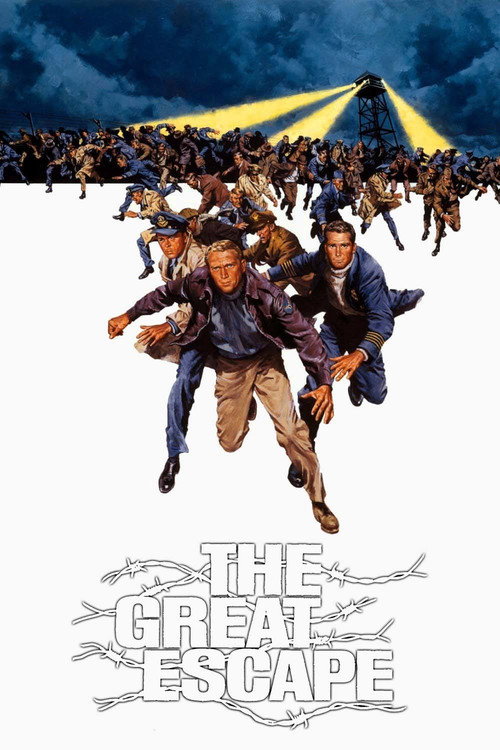
The Great Escape1963
Steve Reeves and an ensemble cast in what becomes a heist film disguised as a POW escape. The ingenuity, the camaraderie, the layered planning—it has the same pleasure of watching clever people stay three moves ahead.
But It's two and a half hours and moves with deliberate confidence. Modern filmmaking is faster and more impatient.
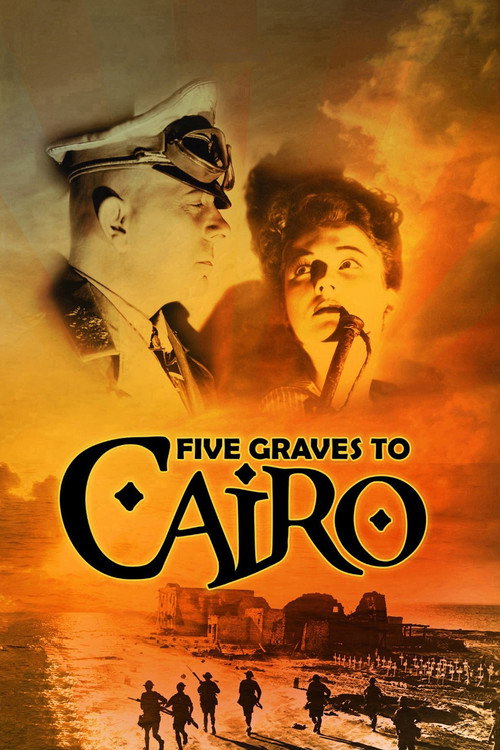
Five Graves to Cairo1943
Billy Wilder's North Africa-set spy thriller about a soldier pretending to be a spy. The deception, the cat-and-mouse interrogations, the brittle humor under pressure—it's remarkably similar in spirit and structure to Night Train.
But It's less polished than the cream of this genre. The print quality can be poor, and the pacing drags slightly in the second act.
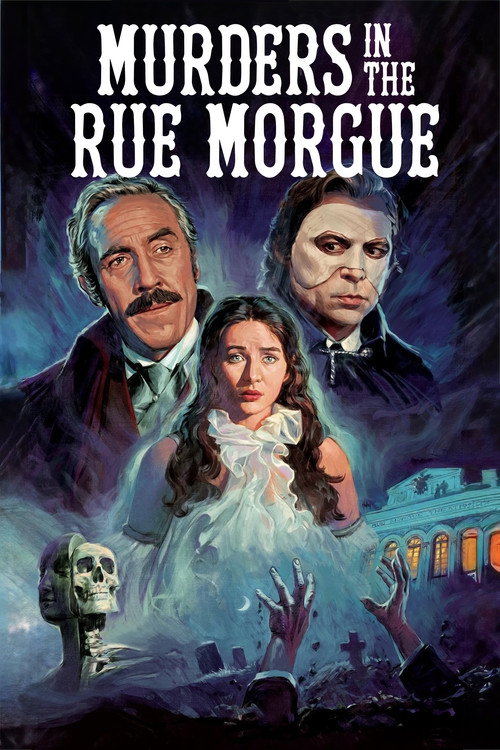
Murders in the Rue Morgue1971
Wait—actually, The Woman in Green. Basil Rathbone as Holmes in a wartime thriller where espionage and mystery collide. Basil Radford (who's wonderful in Night Train) here plays against type. It's lighter, clever, and deeply satisfying for fans of the era.
But It's a Sherlock Holmes film, which means it lives in that particular house style. If you don't enjoy that formula, nothing here will change your mind.
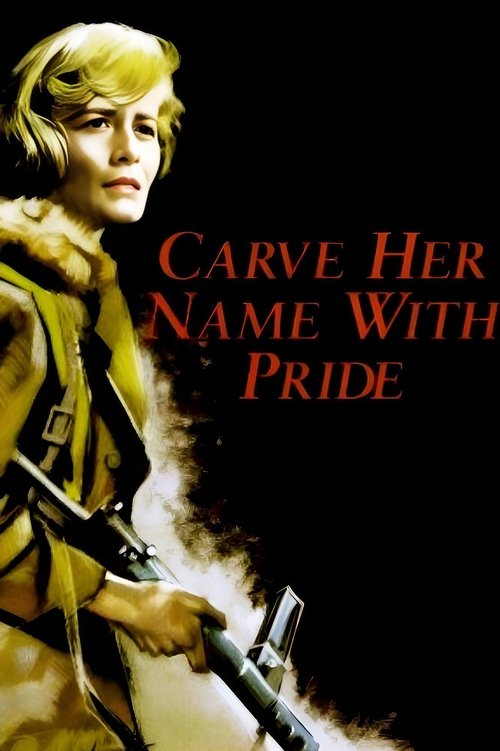
Carve Her Name with Pride1958
Virginia McKenna in a true-story spy drama about a woman agent in occupied France during WWII. It has Night Train's intelligence and pace, but grounds itself in real stakes and real loss. The tension is earned.
But The tone is graver and less playful. This is about sacrifice, not a game—it's beautiful but heavier.
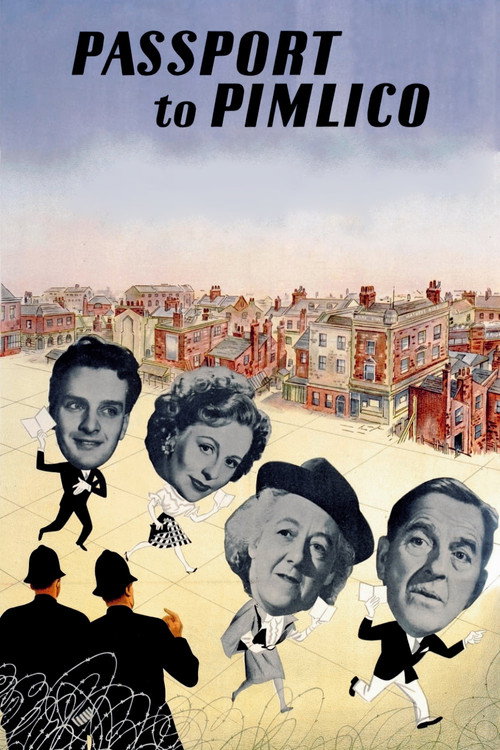
Passport to Pimlico1949
A Ealing comedy where bureaucracy and scheming replace espionage, but the structure—outsiders versus authority, wit as a weapon—mirrors Night Train's pleasure. It's joyful and clever in a very British way.
But Comedy doesn't have the stakes or momentum of thriller. If you're watching for suspense, this will feel trivial.
Dangerous Moonlight1941
Both feature protagonists fleeing Nazi occupation and falling in love while doing so, both use music as emotional shorthand, both are British wartime dramas that blur the line between thriller and romantic melodrama. But this one is all heart where Night Train is all nerve.
Anton Walbrook as a Polish pianist who becomes a pilot fighting the Nazis, and Sally Gray as the woman he loves—a wartime romance caught between duty and survival. It has zero of Night Train's wit, but absolute command of its melancholy. The famous 'Warsaw Concerto' score is almost a character itself. It's a film that trusts emotion over plot.
But It prioritizes feeling over momentum. The plot is thin and sometimes nonsensical; you have to surrender to the mood entirely or you'll resent the slowness.
People
Cast
 Margaret LockwoodAnna Bomasch
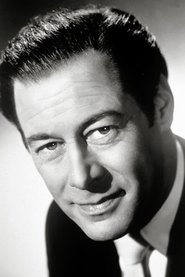 Rex HarrisonGus Bennett
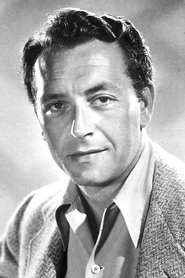 Paul HenreidKarl Marsen
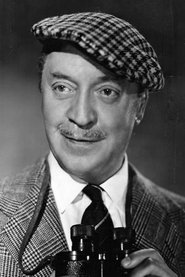 Basil RadfordCharters
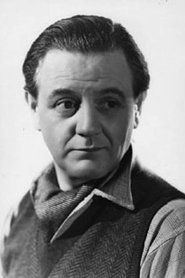 Naunton WayneCaldicott
 James HarcourtAxel Bomasch
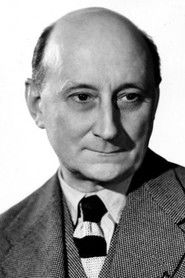 Felix AylmerDr. Fredericks
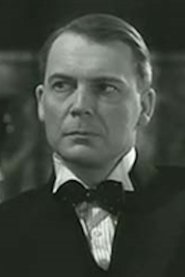 Wyndham GoldieDryton
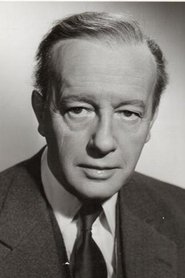 Roland CulverRoberts
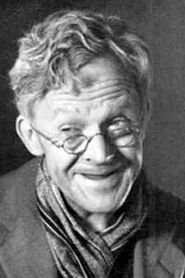 Eliot MakehamSchwab
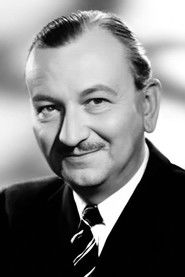 Raymond HuntleyKampenfeldt
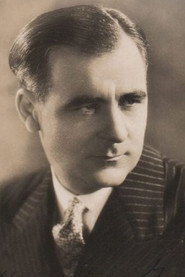 Austin TrevorCapt. Prada
Directing
- Carol ReedDirector
- Roy Ward BakerSecond Unit Director
Writing
- Gordon WellesleyNovel
- Frank LaunderScreenplay
- Sidney GilliatScreenplay
Production
- Edward BlackProducer
- Maurice OstrerProduction Manager
Recommended by
The Lady Vanishes, Contraband, The Small Back Room, Q Planes