
Film
The Lady Vanishes
Hitchcock's giddy, elegant thriller-comedy follows a young Englishwoman who insists a kindly old lady existed on her train—only for every other passenger to swear otherwise. It moves like a screwball romance crossed with a spy plot, all wit and clipped nerve, until the shooting starts. Perfect for anyone who wants menace served with manners, and proof Hitchcock could charm before he learned to terrify.
If you liked this
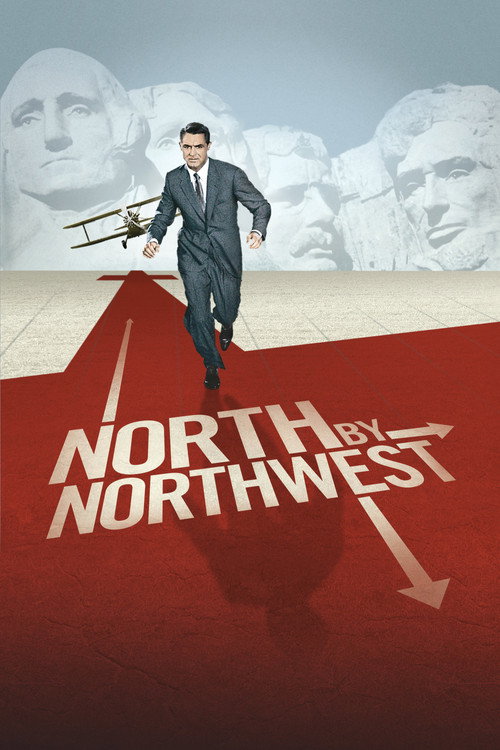
North by Northwest1959
Hitchcock at his most confident: an ordinary man mistaken for a spy, hurtled across America by forces he can't outrun. Same wrongful-identity engine as Lady Vanishes, louder and glossier, with Cary Grant at his most effortlessly charming.
But It trades the train's hothouse intimacy for spectacle — crop-dusters and Mount Rushmore instead of a single claustrophobic carriage.
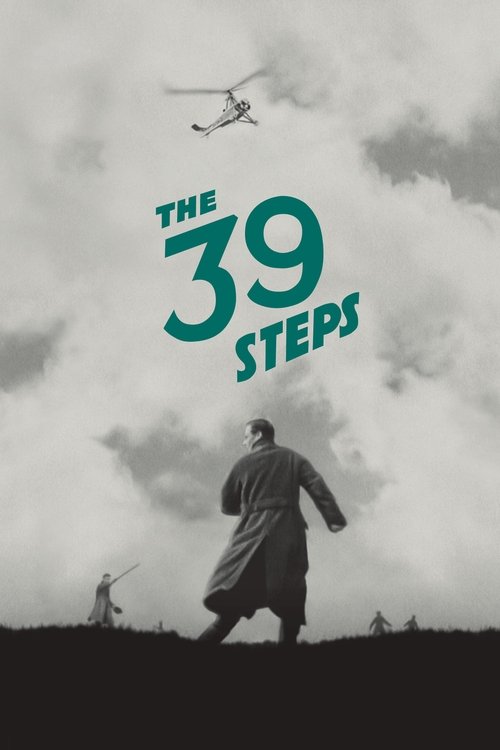
The 39 Steps1935
Hitchcock's own dry run for this kind of chase-thriller: a stranger wrongly accused, a train, a woman who doesn't believe him at first, wit sharpened to a blade. Its direct ancestor.
But The pacing and effects feel more theatrical than cinematic by modern standards — stagier than you'd expect.
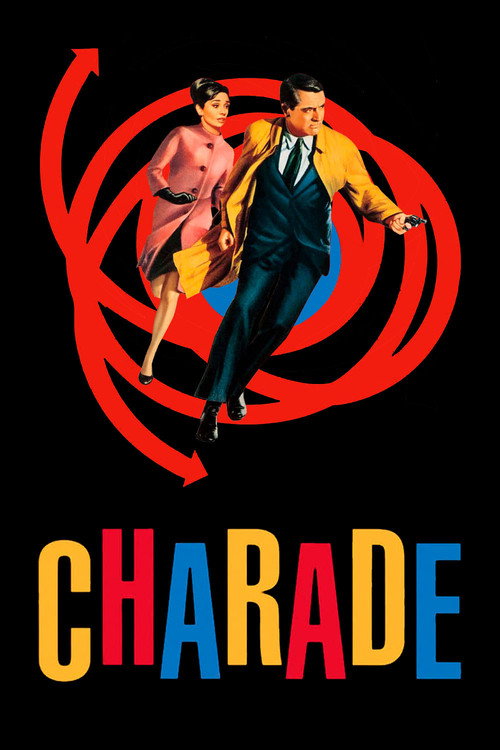
Charade1963
Audrey Hepburn adrift in Paris, unsure who around her is lying, borrowing Hitchcock's tricks and adding Cary Grant's comic ease. Same blend of romance, danger, and nobody-believes-her dread.
But It's glossier and more Technicolor-pretty than the original's black-and-white nerve — less menace, more sparkle.
The wildcard
Something you would not have found on your own.
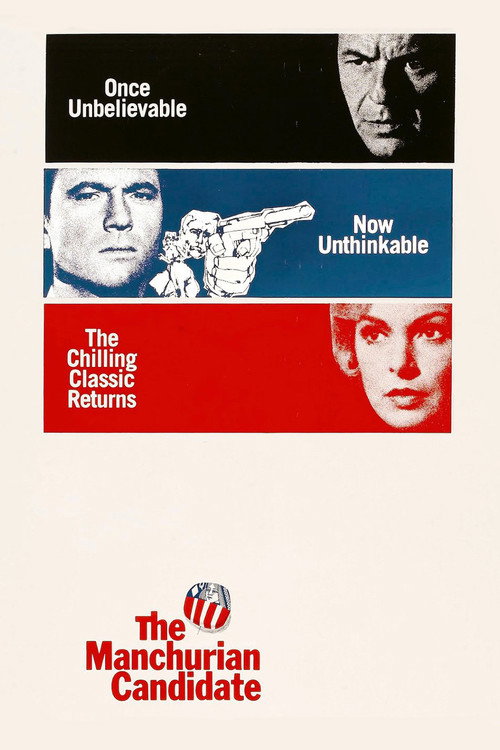
The Manchurian Candidate1962
Both hinge on a lone witness to a conspiracy the world refuses to acknowledge; Hitchcock's parlour-game menace becomes here a full-blown Cold War nightmare.
Swap the train for Cold War Washington and Miss Froy for a brainwashed war hero, and you've got the same nightmare: someone sees a conspiracy everyone else insists doesn't exist. Angela Lansbury is chilling.
But It's a much colder, angrier film — no romance, no comic double act, just dread and political paranoia.
More like this (8)
Bunny Lake Is Missing1965no page yet
A mother insists her daughter exists; everyone she asks says there was no child. The same slow horror of being disbelieved, pushed into a colder, more paranoid register.
But It trades charm for dread almost entirely — little of the comic relief that makes Lady Vanishes so buoyant.
Flightplan2005no page yet
Jodie Foster's daughter disappears mid-flight and no one aboard admits she was ever there — essentially Lady Vanishes at 30,000 feet, stripped of period charm and dosed with modern paranoia.
But A blunter, more mechanical thriller — the twists are less clever, the wit almost entirely absent.
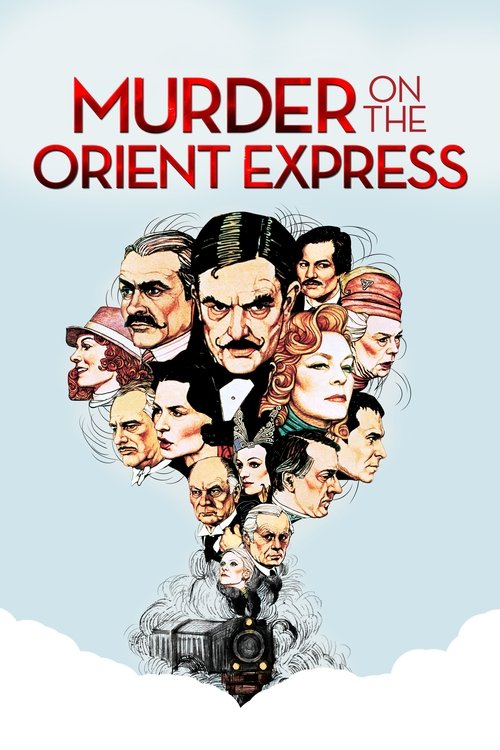
Murder on the Orient Express1974
Another glamorous train packed with suspects and secrets, though here the mystery gets solved rather than hidden. Same confined-carriage tension, same starry ensemble having a marvelous time.
But It's a puzzle-box whodunit rather than a chase — the stakes are intellectual, not personal or romantic.
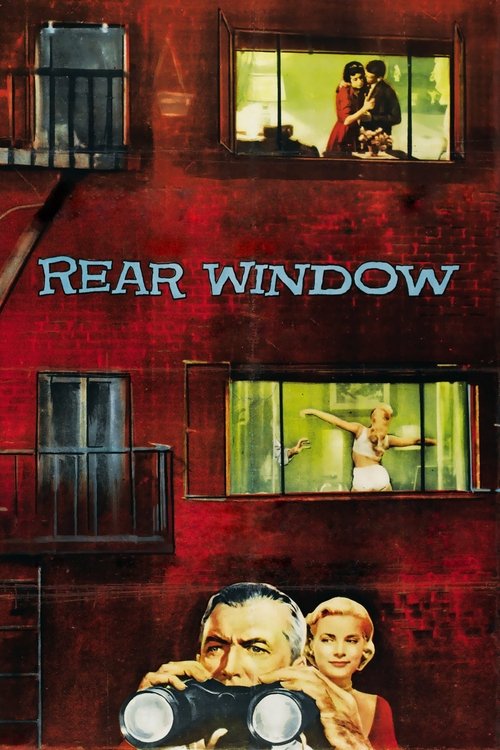
Rear Window1954
Hitchcock again, sharper and older: a man convinced he's witnessed a murder, disbelieved by everyone around him, forced to prove it alone. Same anxiety of being the only one who sees the truth.
But It's static by design — almost the whole film happens from one apartment, which some find claustrophobic rather than thrilling.
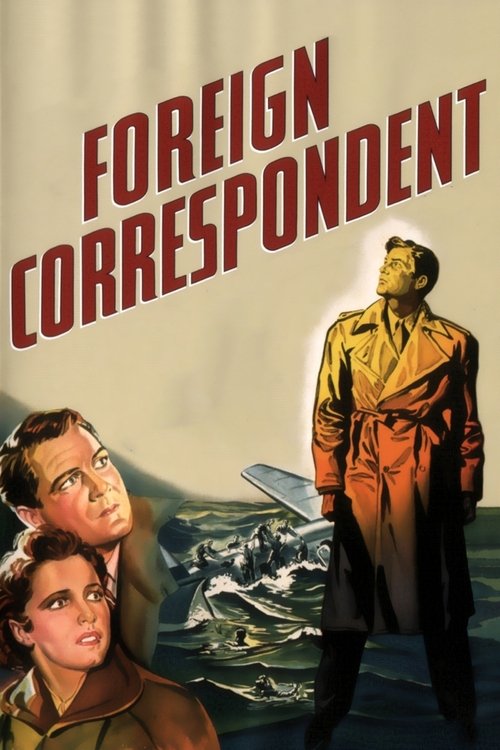
Foreign Correspondent1940
Hitchcock's other prewar spy romp: a reporter stumbles into a European conspiracy as war looms, mixing comedy, romance and real dread about the gathering storm. Same light touch over a darkening backdrop.
But It's baggier and less tightly plotted than Lady Vanishes, and the propaganda-heavy ending feels dated and a touch heavy-handed.
Night Train to Munich1940no page yet
Margaret Lockwood again, on another train, in another prewar spy caper — made two years later by a different director quite openly trying to catch the same lightning.
But It's a lesser cousin: the wit is thinner, the romance more perfunctory, and it never escapes its resemblance to the original.
The Imposter2012
Miss Froy's disappearance and every character's flat denial become, in documentary form, an unbearable true story about identity, deception, and a family choosing to believe a lie.
A real disappearance, a real family, and a real impostor who convinced almost everyone he was someone he wasn't — told with the same slow dawning dread of realising nobody around you is telling the truth.
But There's no charm here, no romance, no resolution that feels satisfying — just the queasy reality that this actually happened.

Rome Express1932no page yet
It's the direct ancestor of the confined-train-full-of-secrets formula Hitchcock would perfect a few years later — same carriage, same claustrophobia, less polish.
Six years before Hitchcock's train ran, this brisk British thriller packed a Paris-to-Rome express with jewel thieves, a killer, and a stolen painting — proof the genre was clattering along the tracks before he climbed aboard.
But It's rougher and thinner than the film that followed it — early-talkie stiffness, less wit, and a cast nobody remembers now.
People
Cast
 Margaret LockwoodIris Matilda Henderson
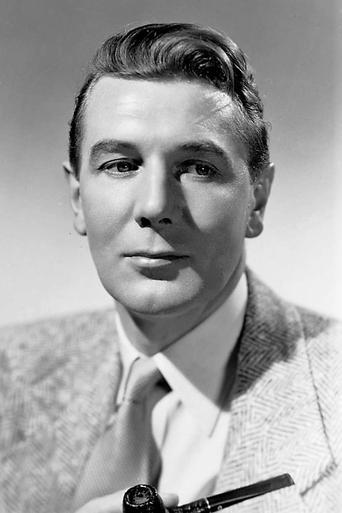 Michael RedgraveGilbert Redman
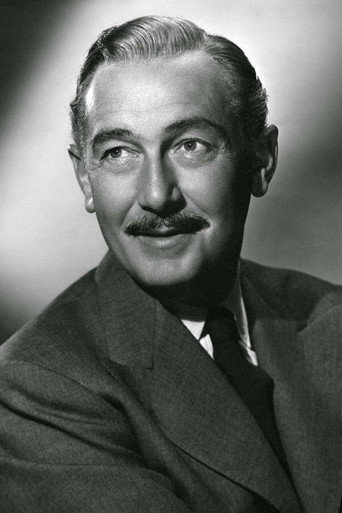 Paul LukasDr. Hartz
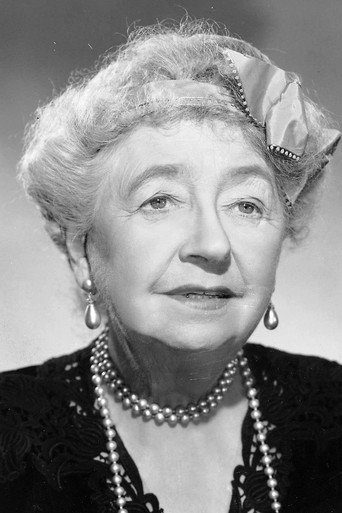 May WhittyMiss Froy
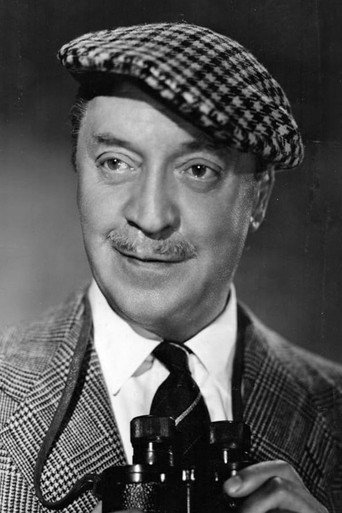 Basil RadfordCharters
 Naunton WayneCaldicott
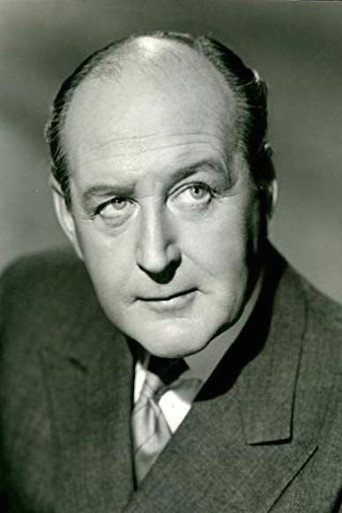 Cecil ParkerEric Todhunter
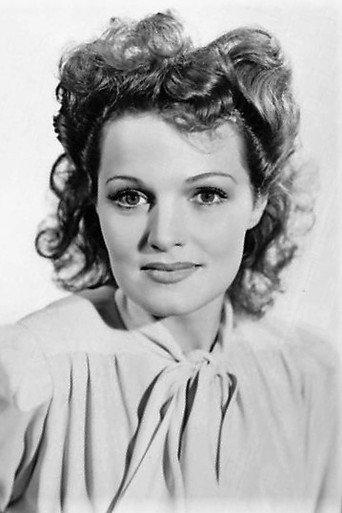 Linden Travers'Mrs.' Margaret Todhunter
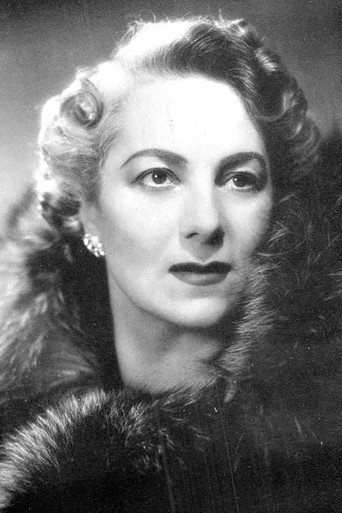 Mary ClareBaroness Isabel Nisatona
- Emile BoreoBoris the Hotel Manager
 Googie WithersBlanche
- Sally StewartJulie
Directing
- Roy Ward BakerAssistant Director
- Alma RevilleContinuity
- Alfred HitchcockDirector
- Tom D. ConnochieFirst Assistant Director
Writing
- Ethel Lina WhiteNovel
- Frank LaunderScreenplay
- Sidney GilliatScreenplay
Production
- Edward BlackProducer
Recommended by
Charade, The 39 Steps, Murder on the Orient Express, The Avengers, Foreign Correspondent