
Film
Rome Express
A 1932 thriller set aboard a luxury train where a stolen painting sparks murder and intrigue. Smart, propulsive, and gleeful about its confined-space plotting, *Rome Express* treats the overnight journey as a locked-room mystery with wheels. Perfect for anyone who loves the ingenuity of old-fashioned whodunits and doesn't need modern pacing to feel the tension.
Should you watch it?
Watch it if you enjoy a snug, claustrophobic whodunit where the suspects are packed into one moving carriage and the pleasure is in the tangle of alibis and sidelong glances.
Skip it if the early-1930s staging is stagey and talky, with long stretches of dialogue and creaky sound-era pacing that can drag if you want modern momentum.
What it asks of you: Its running time is a brisk ninety-four minutes, and it settles into its suspects gradually, so give it your full attention through the crowded corridors and overlapping conversations.
Not sure? Find tonight's pick in a minute.
If you liked this
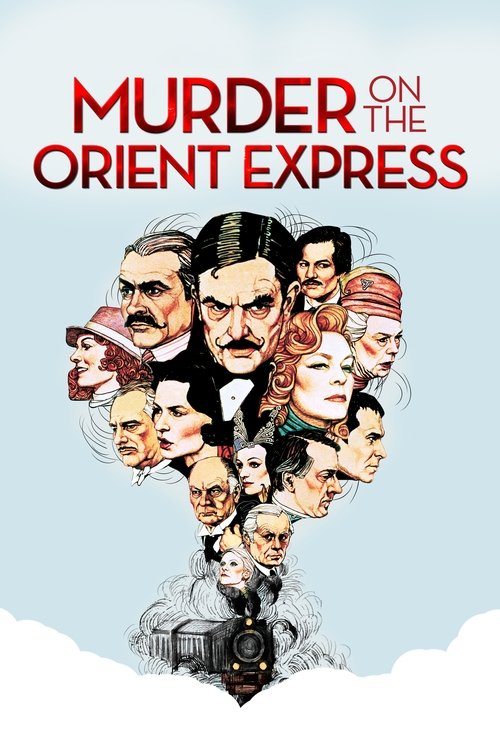
Murder on the Orient Express1974
Agatha Christie's masterpiece of train-bound intrigue: a murdered passenger, a snowbound setting, and a detective with nowhere to run. Hercule Poirot's methodical genius unfolds in claustrophobic perfection across two hours.
But It's a period piece that announces itself as such, and the solution relies on you accepting certain genteel conventions of loyalty and class that may feel quaint or frustrating.
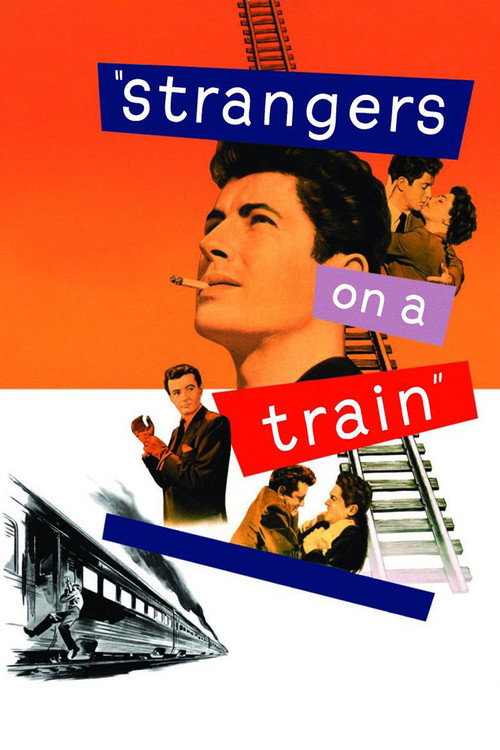
Strangers on a Train1951
Hitchcock's sick-brilliant variation on the stranger-in-transit plot. Two men meet on a train; one proposes a deadly bargain. Tense, devious, with that particular Hitchcock enjoyment of the morally compromised.
But The film shifts focus halfway through in ways that can feel unbalanced, and some of the psychology is dated. The climax, while memorable, relies on spectacle over suspense.
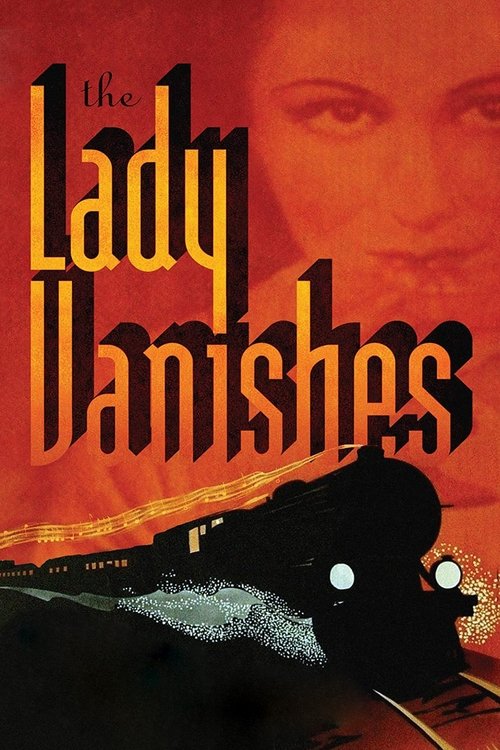
The Lady Vanishes1938
Another train mystery, this one with Hitchcock's lighter touch. A woman disappears mid-journey; a young couple must uncover the truth before the train reaches its destination. Witty, clever, supremely entertaining.
But The comedic elements, while charming, occasionally undercut the stakes. It's a film that wants you to enjoy the ride more than fear for the characters.
Not sure tonight? Get a pick in a minute, starting from Rome Express
The wildcard
Something you would not have found on your own.
Battleship Potemkin1925
Both films use the confined space of a vessel as a pressure cooker where class and morality collide; both are fascinated by what people do when escape is impossible and stakes are absolute.
A Soviet silent film about mutiny aboard a warship—a radically different cinema from *Rome Express*, but it shares the same DNA: a contained space, social hierarchy under pressure, and the architecture of rebellion. Eisenstein's montage technique remains visceral and modern.
But Silent film requires active engagement; there's no dialogue to carry you. The political ideology is unambiguous and Soviet-didactic, which will feel heavy-handed to modern sensibilities. It's also fragmentary, not a seamless narrative.

More like this (8)
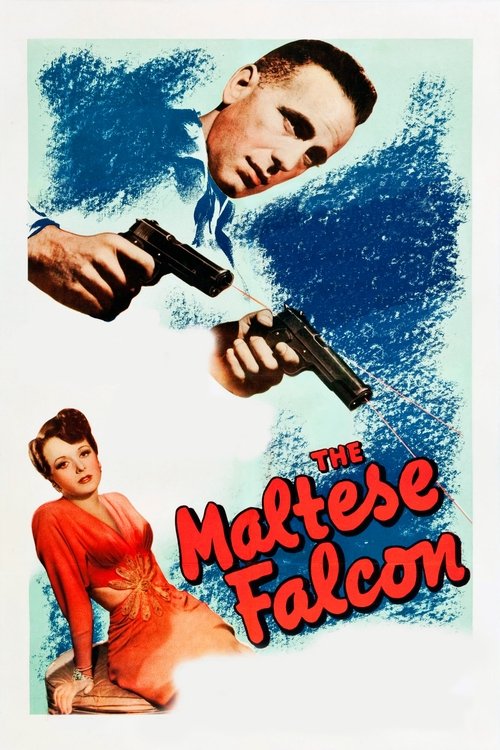
The Maltese Falcon1941
Dashiell Hammett's detective novel perfected on screen: Sam Spade surrounded by liars, thieves, and a MacGuffin everyone wants. Bogart at his best, crackling dialogue, and plot turns that still feel fresh.
But The pacing is deliberate and talky—this is a film about conversation and deception, not action. If you need things to move fast, it will test your patience.
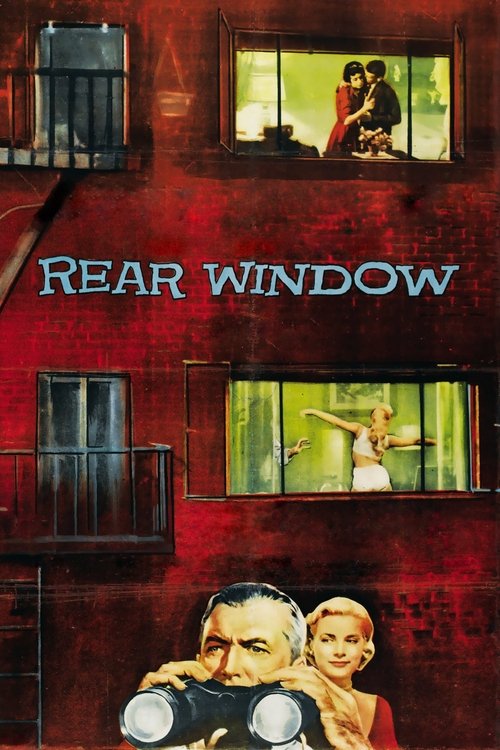
Rear Window1954
A man confined to a wheelchair watches his neighbors through a window and becomes convinced one has committed murder. Hitchcock turns voyeurism and immobility into unbearable tension across a single New York courtyard.
But Watching someone watch things isn't inherently thrilling, and the film demands you sit with discomfort and uncertainty. The resolution, while clever, can feel slightly rushed.
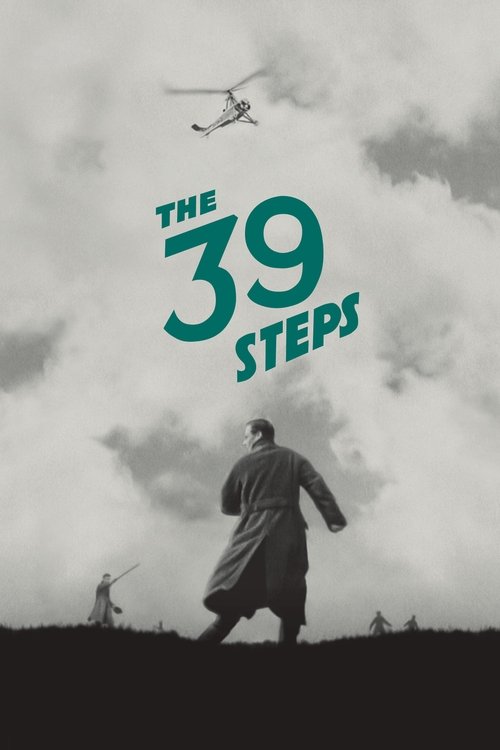
The 39 Steps1935
A man falsely accused of murder flees across Scotland pursued by both killers and police. Lean, propulsive, and dizzyingly inventive—Hitchcock at his most playful and paranoid.
But It's slight, almost a sketch of a thriller, and doesn't build the way you'd expect. The happy ending feels imposed rather than earned, which some find tonal whiplash.
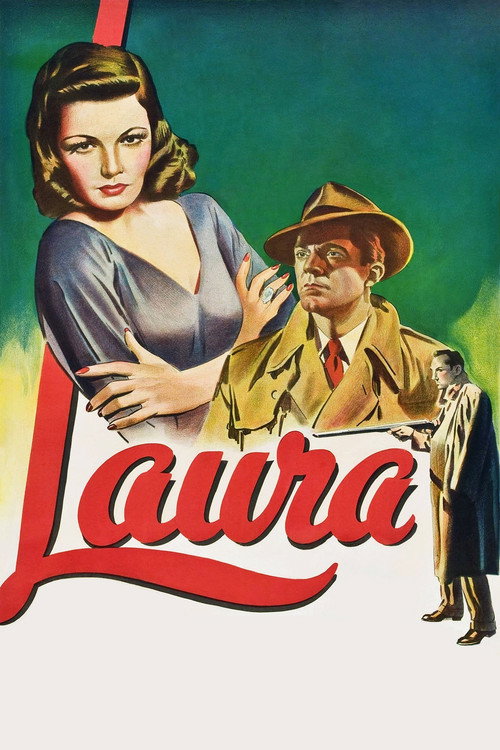
Laura1944
A detective falls in love with a murder victim he never met while investigating her death. Gorgeous, mysterious, and shot through with a melancholy that elevates it far above standard noir.
But The plot bends logic in service of romance, and if you're invested in procedural plausibility, you'll notice and resent it. The solution requires willful suspension of disbelief.
The Third Man1949
Post-war Vienna, divided by occupation, becomes the setting for a mystery about a man searching for his old friend. Morally complex, visually stunning, and suffused with genuine dread beneath its charm.
But Orson Welles barely appears, which disappoints people who come for him. The famous zither score is polarizing—some find it essential atmosphere, others find it distracting and cutesy.

In a Lonely Place1950
A Hollywood screenwriter is suspected of murder; the investigation unspools his paranoia, anger, and the toxic relationship that may destroy him. Bogart playing against type, and deeply unsettling.
But It's bleak and inward, with a protagonist you won't like. If you want clarity about guilt or innocence, the film refuses to give it. The cynicism about Hollywood can feel self-indulgent.

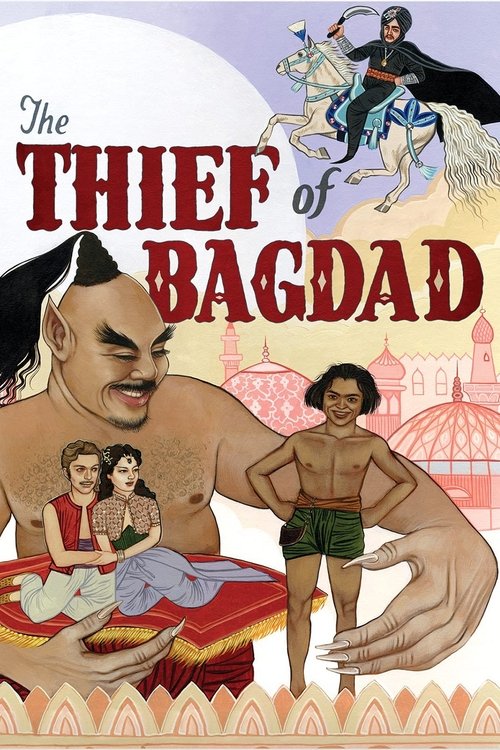
The Thief of Bagdad1940
Both films center on the theft of a precious object and the web of lies, pursuits, and reversals that follow. Both understand that the MacGuffin is less important than what it reveals about human nature under pressure.
A dazzling fantasy-adventure about theft, transformation, and desire, painted in Technicolor so vivid it hurts. It's a *Rome Express* plot—a MacGuffin, pursuit, disguises—translated into myth and magic. Pure visual storytelling, gorgeously inventive.
But It's unabashedly fantastical and plays loose with logic. The pacing meanders; it's concerned with wonder more than momentum. If you want grounded thrills, this offers none.
Rififi1955
Like *Rome Express*, it's obsessed with thieves, the objects they steal, and the collision of strangers with conflicting interests. Both films treat crime as a stage for revealing character through pressure and proximity.
A heist film that pioneered the genre: stylish, tense, and told partly without dialogue, letting action and sound design carry scenes of stunning invention. It's a thriller ancestor that proved you don't need plot clarity, just clarity of image and consequence.
But The film is French and cool in a way that can feel distancing. It's also cynical and morally murky; nobody's a hero. The 30-minute silent heist sequence, while brilliant, is repetitive if you're not wholly absorbed.

People
Cast
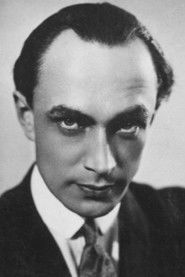 Conrad VeidtZurta
 Esther RalstonAsta Marvelle
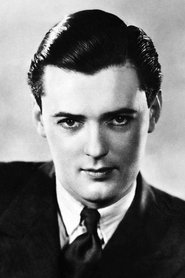 Hugh WilliamsTony
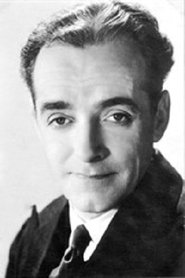 Donald CalthropPoole
 Joan BarryMrs. Maxted
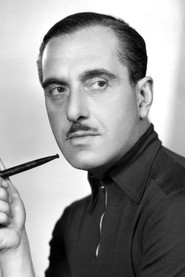 Harold HuthGeorge Grant
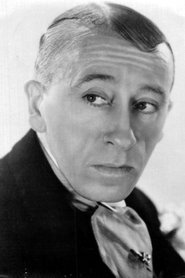 Gordon HarkerTom Bishop
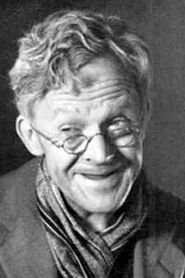 Eliot MakehamMills
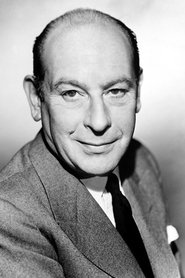 Cedric HardwickeAlistair McBane
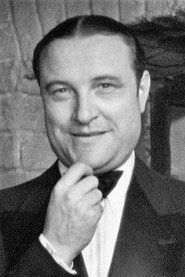 Frank VosperM. Jolif
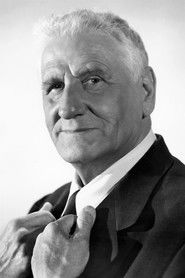 Finlay CurrieSam, Publicist
 Muriel AkedSpinster
Directing
- Pat MortonAssistant Director
- R.K. Neilson-BaxterAssistant Director
- W.J. DoddsAssistant Director
- Walter FordeDirector
Writing
- Frank VosperDialogue
- Ralph StockDialogue
- Sidney GilliatScreenplay
- Clifford GreyStory
Production
- Phil C. SamuelAssociate Producer
- Michael BalconProducer
- Victor A. PeersUnit Production Manager