
Film
Bunny Lake Is Missing
A woman desperately reports her daughter missing—but nobody can find any proof the child ever existed. Otto Preminger's 1965 thriller is a twisted puzzle that toys with you, layering doubt and paranoia until you can't trust what you're seeing. It's for anyone who loves a mystery that actively plays games with the audience.
Should you watch it?
Watch it if you enjoy slow-building paranoia in a crisp black-and-white frame, where the unease lives in small domestic details and a growing question of who to believe.
Skip it if you need brisk plotting, since this is unhurried for long stretches and its acting can feel stagy and mannered by today's standards.
What it asks of you: Its shape is unhurried: about 107 minutes of slowly accumulating dread, shot in black and white, that rewards close attention to small details.
Not sure? Find tonight's pick in a minute.
If you liked this
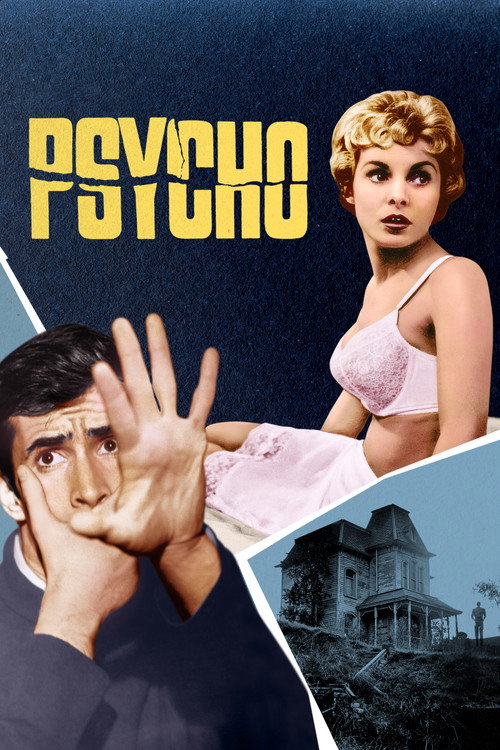
Psycho1960
Hitchcock's masterpiece shares the same DNA: a mystery that hinges on unreliable perception, mounting dread, and a twist that recontextualizes everything you've watched. Endlessly rewatchable.
But It's been deconstructed to death by film criticism. If you already know the twist, the pleasure is mostly in appreciating craft.
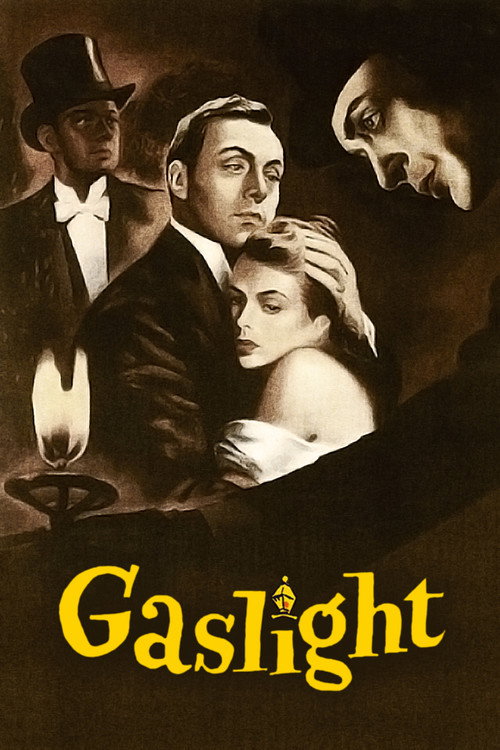
Gaslight1944
The original gaslighting thriller. A woman questions her own sanity as her husband methodically undermines her grip on reality. Same unsettling core: you're trapped inside a mind you can't trust.
But The pacing is deliberate, even by 1940s standards. It's more about psychological torment than plot momentum.
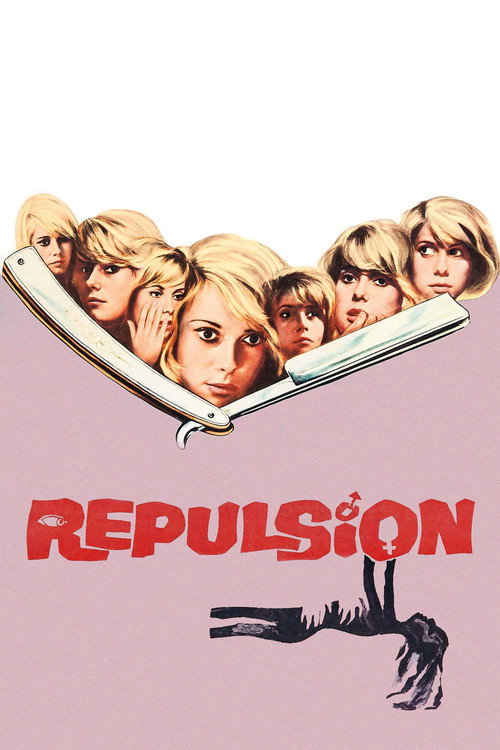
Repulsion1965
Polanski's companion piece to Bunny Lake uses a single apartment and a disintegrating mind to create pure dread. Black-and-white claustrophobia that gets under your skin and stays there.
But It's visually grotesque and deliberately unpleasant. Watching someone's sanity collapse is not a comfortable evening.
Not sure tonight? Get a pick in a minute, starting from Bunny Lake Is Missing
The wildcard
Something you would not have found on your own.
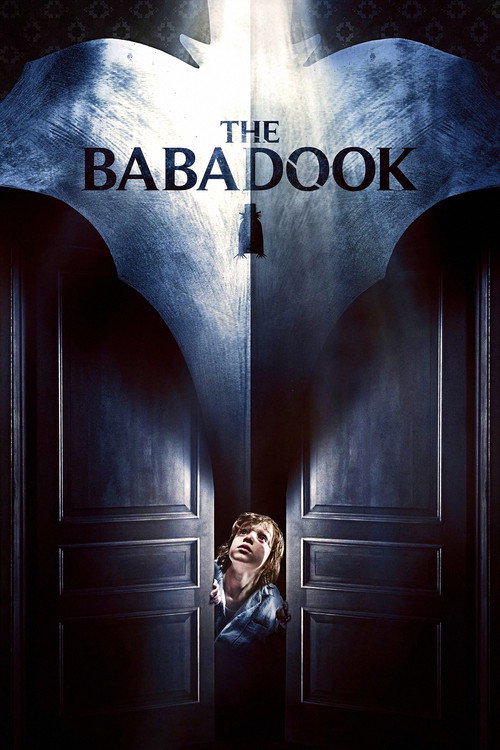
The Babadook2014
Both films weaponize ambiguity: is the missing/threatening element real, or is it a symptom of the protagonist's fractured mind? Both make that uncertainty the entire point.
A widow and her son are terrorized by a creature from a pop-up book. Like Bunny Lake, it's fundamentally ambiguous—is the threat real or a manifestation of grief and mental illness? The more you watch, the more the question matters.
But The jump scares are effective but conventional. Some viewers resent the film's refusal to give a straight answer about what's actually happening.
More like this (8)
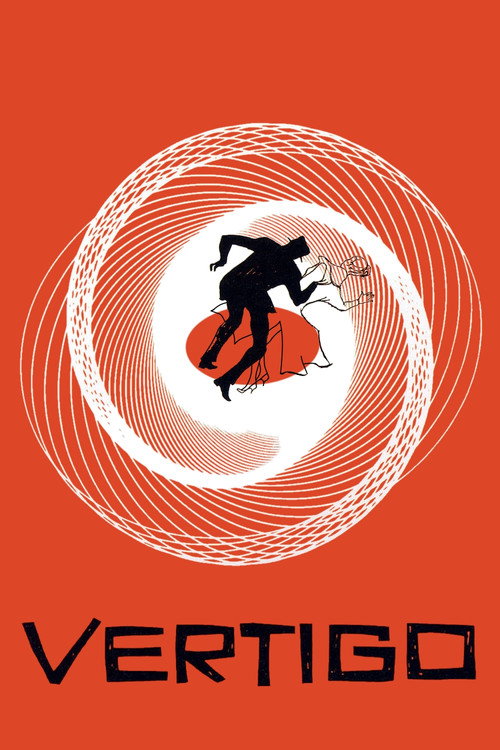
Vertigo1958
Another obsessive mystery built on perception and desire. A detective follows a woman through San Francisco, but nothing is what it seems. Hypnotic and deeply unsettling.
But It's glacially paced and repetitive by design. That's the point, but it's not for everyone.
The Killing1956
Kubrick's heist thriller told from multiple angles, each revealing new versions of the same events. Like Bunny Lake, it questions what we actually know and who we can believe.
But The fractured narrative can feel coldly intellectual. It prioritizes structure over emotional connection.

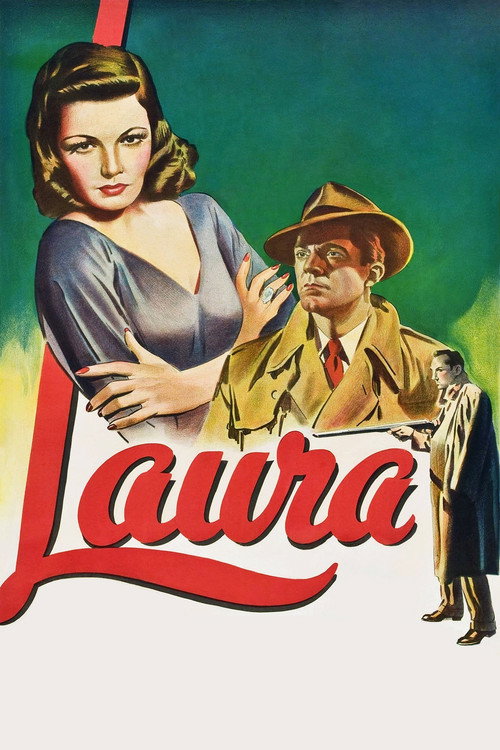
Laura1944
A detective falls in love with a dead woman he's investigating. A perfect locked-room mystery that unfolds with elegance and genuine surprise. Preminger's own earlier masterwork.
But The pacing is leisurely. Modern viewers sometimes find it slow, though that's precisely where its power lives.
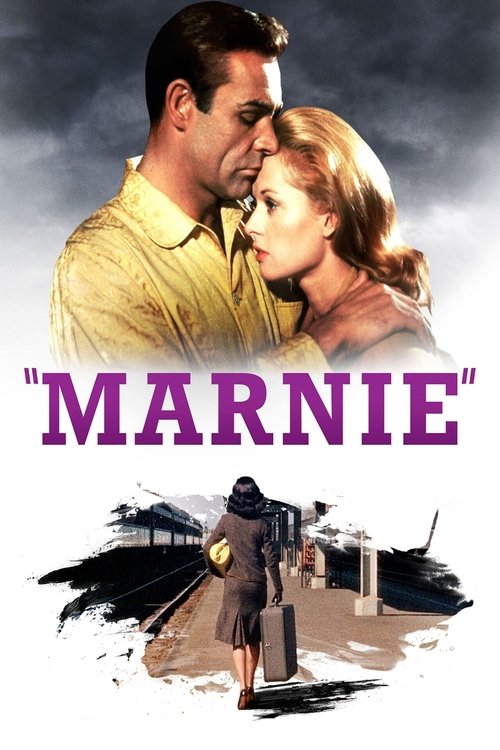
Marnie1964
Hitchcock probes the gap between appearance and reality through a compulsive liar and thief. Tippi Hedren gives a performance of stunning vulnerability beneath the surface mask.
But The psychoanalysis feels dated, and the film doesn't always sit comfortably with its own attitudes about trauma and recovery.
The Third Man1949
Post-war Vienna, shadows, doubt, and a mystery that unravels in a sewer. Carol Reed's masterpiece about men searching for a friend who may never have been who they thought he was.
But It's deliberately ambiguous in ways that can frustrate viewers wanting clear answers. The zither score divides people sharply.

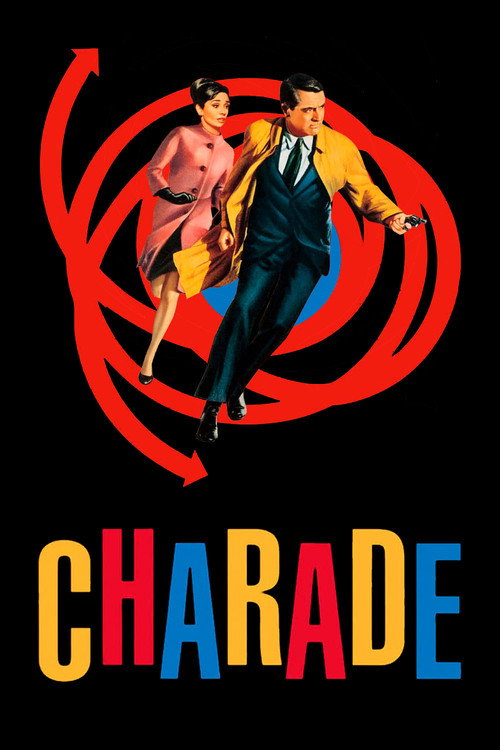
Charade1963
Donen's playful thriller with Audrey Hepburn and Cary Grant. A widow is pursued by men claiming her dead husband owed them money. Lighter than Bunny Lake but built on the same foundation of lies.
But The tonal whiplash between romance and danger doesn't always land. Some plot points strain credibility.
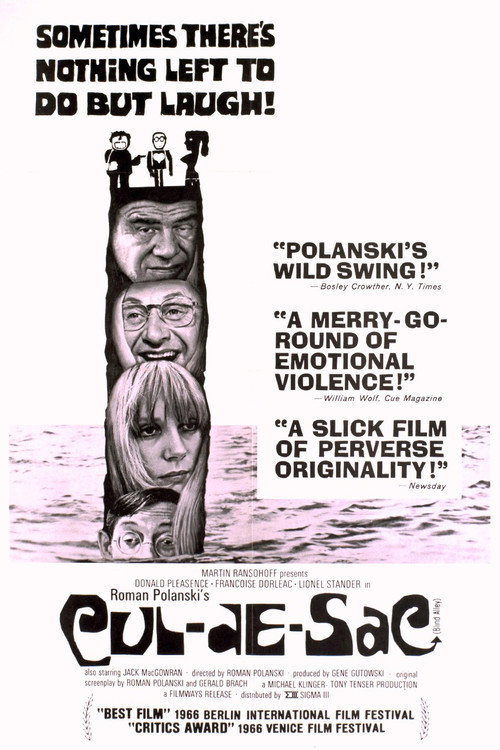
Cul-de-sac1966
Both deploy mystery as psychological torture, trapping the audience inside unreliable perspectives. Both are populated by liars who can't be trusted, making plot itself feel slippery.
Polanski's follow-up to Repulsion: a couple isolated on a tidal island is invaded by a wounded criminal. Like Bunny Lake, it's a closed-system mystery where everyone lies, perception warps, and nothing is stable.
But It's deliberately grotesque and darkly comic in ways that feel alienating. The characters are actively unlikeable, not sympathetically flawed.
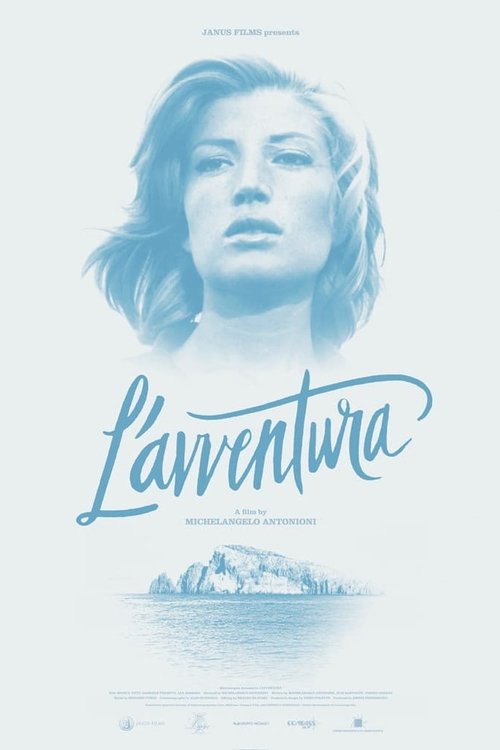
L'Avventura1960
Both treat a missing person as a philosophical problem rather than a plot engine. The real mystery isn't 'where is she?' but 'what does her absence reveal about the people left behind?'
Antonioni's haunting film: a woman vanishes during a boating trip and her boyfriend and best friend search the Italian islands for her. The longer the search continues, the more everyone stops caring—and the more unsettling it becomes.
But It's a slow-burn meditation, not a thriller. Plot momentum almost disappears as the film becomes a study of indifference. Many find it glacial.
People
Cast
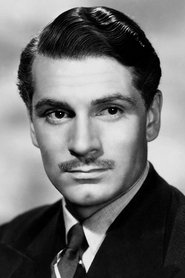 Laurence OlivierNewhouse
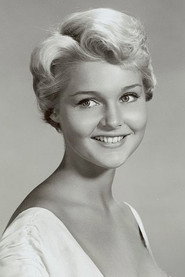 Carol LynleyAnn
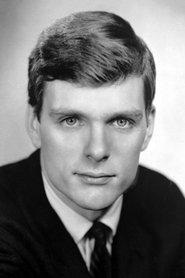 Keir DulleaSteven
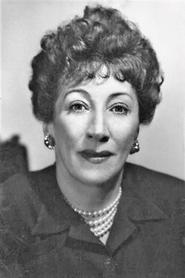 Martita HuntAda Ford
 Anna MasseyElvira
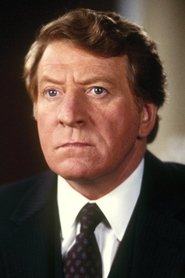 Clive RevillAndrews
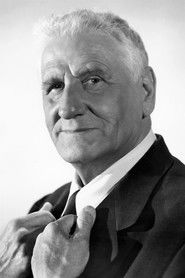 Finlay CurrieDoll Maker
 Lucie MannheimCook
 Noël CowardWilson
 Rod ArgentThe Zombies
- Paul AtkinsonThe Zombies
- Colin BlunstoneThe Zombies
Directing
- Bernard WilliamsAssistant Director
- Bryan CoatesAssistant Director
- Otto PremingerDirector
Writing
- Marryam ModellAuthor
- John MortimerScreenplay
- Penelope MortimerScreenplay
Production
- James LiggatCasting
- Martin C. SchuteProducer
- Otto PremingerProducer
- Douglas PeirceProduction Manager
- Eva MonleyProduction Manager
- Noreen HipwellProduction Secretary