
Film
Signpost to Murder
A taut 1964 thriller about an escaped mental patient who hides in a rural woman's home, playing a clever game of psychological cat-and-mouse. Joanne Woodward carries the film with intelligence and nerve, making it a character study wrapped in suspense. Lean and efficient—74 minutes of mounting dread, not a wasted moment.
Should you watch it?
Watch it if you enjoy small-scale suspense built on a single isolated house and a nervous, watchful mood, the way older psychological thrillers trade on atmosphere over gore.
Skip it if you crave fast twists or modern shocks; this is a modest, old-fashioned piece that runs on dread rather than surprise, so it may feel thin to some.
What it asks of you: Seventy-odd minutes, unhurried in its build, with stretches of quiet watchfulness that reward staying still rather than checking your phone.
Not sure? Find tonight's pick in a minute.
If you liked this
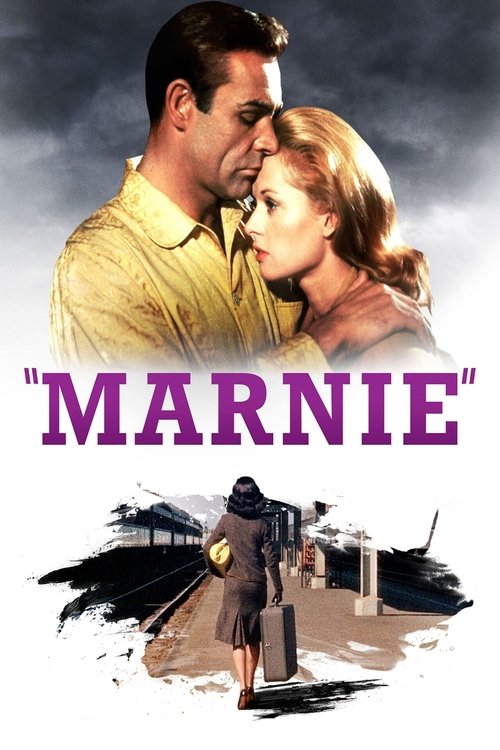
Marnie1964
Tippi Hedren as a compulsive thief with a fractured past, hunted by a man determined to possess her. Hitchcock at his most baroque and psychologically intricate, gorgeously shot, morally queasy.
But The gender dynamics are deeply uncomfortable, and not in a way the film critically examines. Some find the psychology schematic.
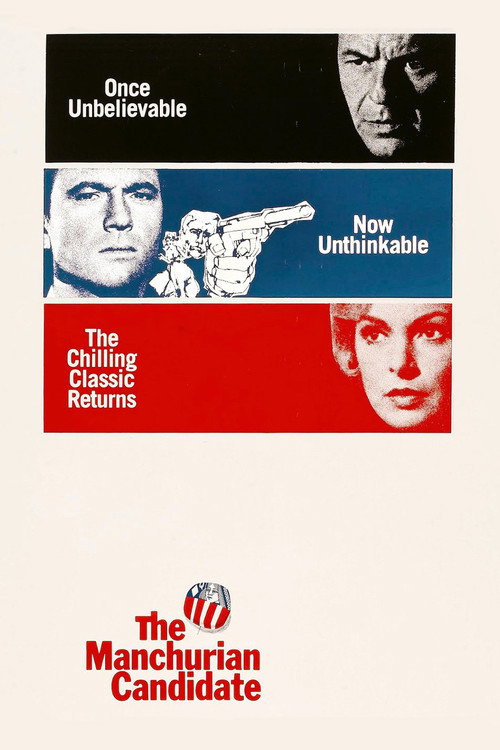
The Manchurian Candidate1962
A man returns from war with no memory of what happened to him, caught between a domineering mother and his own fractured mind. Political thriller meets psychological horror. Sinatra has never been better.
But The plot gets baroque and the ending divides people. Pacing is uneven in the middle hour.
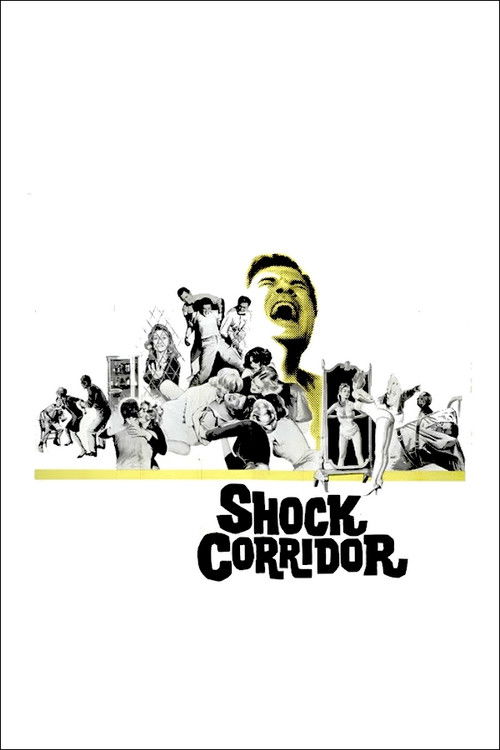
Shock Corridor1963
A journalist fakes insanity to enter an asylum and solve a murder, but the line between performance and reality dissolves. Sam Fuller's film is visually audacious, genuinely disorienting, and utterly committed to its fever dream logic.
But It's crude and sensationalistic about mental illness. The style overwhelms narrative coherence. Some scenes feel exploitative.
Not sure tonight? Get a pick in a minute, starting from Signpost to Murder
The wildcard
Something you would not have found on your own.
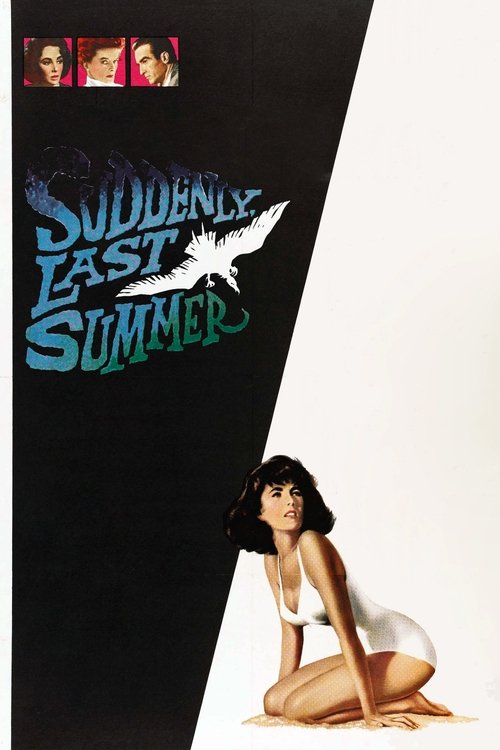
Suddenly, Last Summer1959
Both are claustrophobic psychological thrillers where a stranger's presence forces hidden violence and madness to the surface, and the question of who's actually sane hangs unresolved.
Elizabeth Taylor and Katharine Hepburn locked in a mansion as a psychiatrist unearths unspeakable family trauma. It's Tennessee Williams' darkest work adapted by Joseph L. Mankiewicz—Gothic, sexual, and genuinely disturbing about what families hide.
But It's deeply queasy about homosexuality and mental illness in ways that haven't aged well. The hysteria can read as overwrought. The material is genuinely bleak, not everyone wants that.
More like this (8)
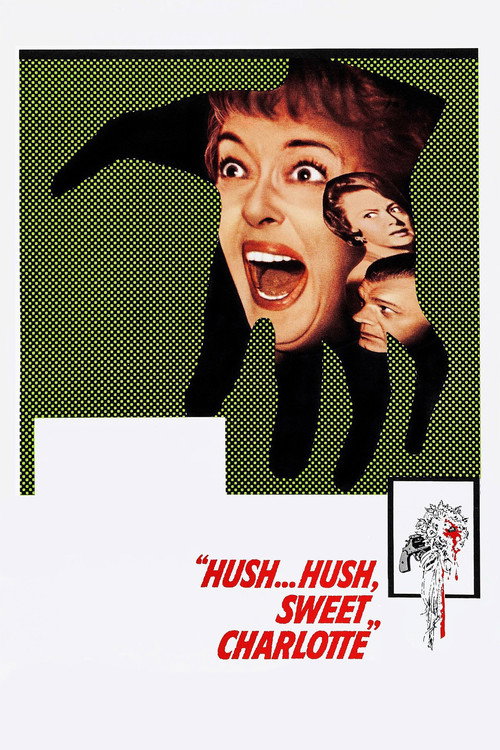
Hush... Hush, Sweet Charlotte1964
Bette Davis as a woman haunted by a murder from her past, slowly unraveling as a stranger moves into her decaying mansion. Grand guignol melodrama with real menace lurking beneath the camp.
But It's overwrought and occasionally unintentionally funny. The twist is visible from considerable distance away.
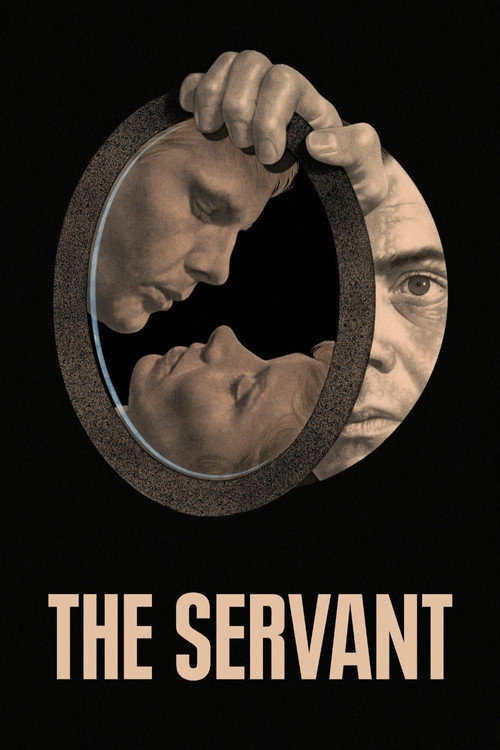
The Servant1963
A servant worms his way into his employer's life, inverting the power dynamic with sly, creeping evil. Joseph Losey's masterpiece of class anxiety and sexual manipulation, shot in stark black and white. Profoundly unsettling.
But It's slow and deliberately glacial. The moral murk may frustrate viewers wanting clearer stakes. Very British in its restraint.
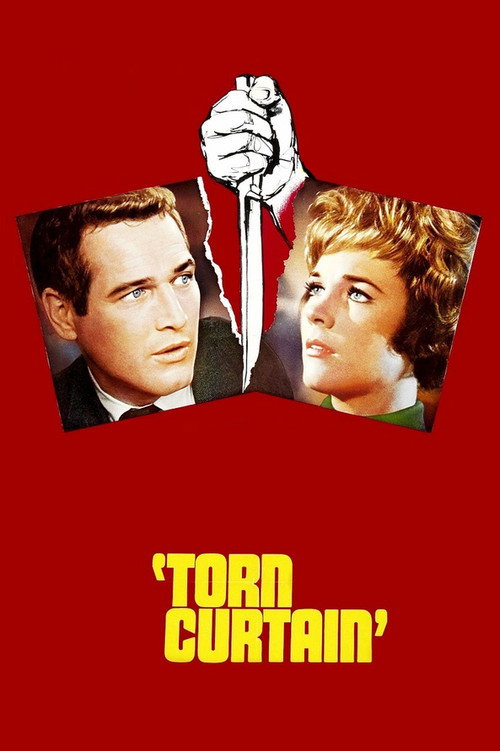
Torn Curtain1966
A physicist and his wife are caught in Cold War espionage after he defects. Hitchcock builds paranoia from plausible circumstances, and Paul Newman makes a superb everyman trapped in a nightmare.
But It lacks the visual invention of Hitchcock's best work. The story meanders in the second act. Some found it thin on arrival, and age hasn't entirely redeemed it.
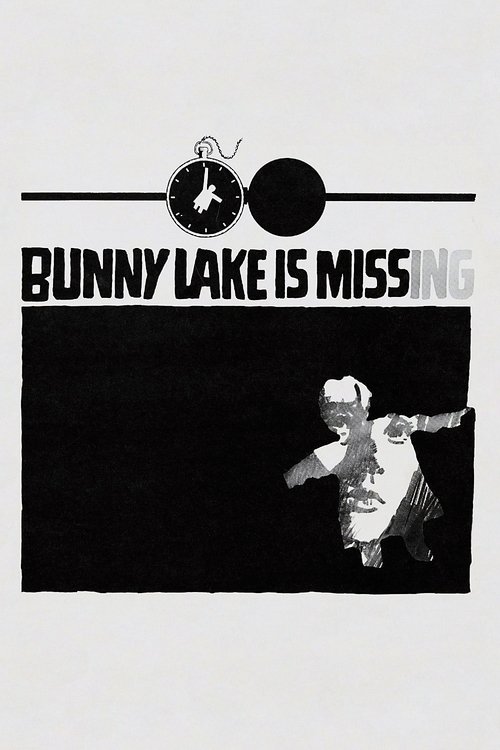
Bunny Lake Is Missing1965
A woman's young daughter vanishes in London and no one believes the girl ever existed. Otto Preminger constructs psychological suspense from ambient London alienation, with Laurence Olivier as a skeptical superintendent.
But It's glacially paced by modern standards. The resolution, while clever, feels remote. The film asks you to stay patient for a long time.
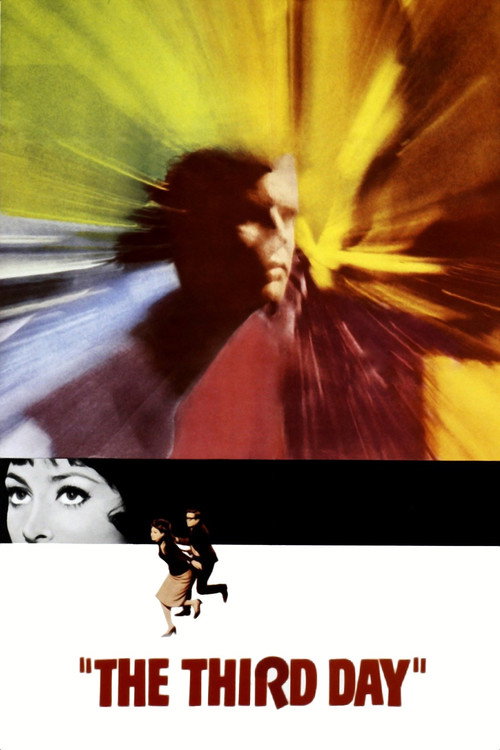
The Third Day1965
A man wakes with amnesia and tries to reconstruct his identity, unsure whether he's a victim or guilty of something terrible. George Peppard carries a lean, efficient paranoia thriller with genuine moral ambiguity.
But It's a B-picture with modest production values. The amnesia plot is well-worn. It doesn't reinvent the form.
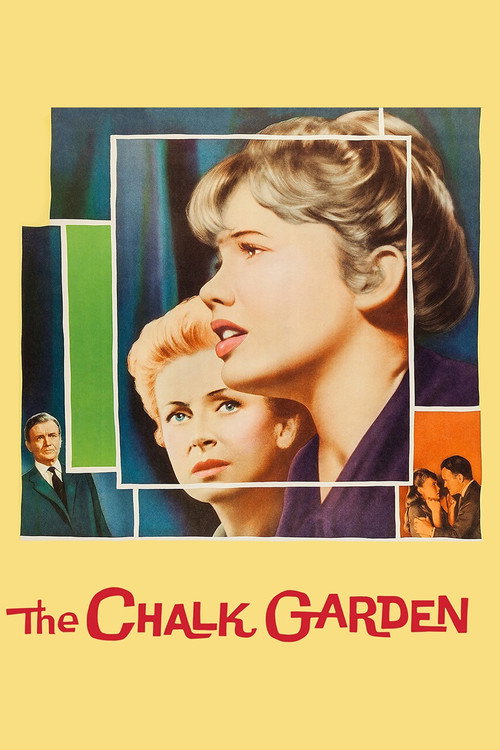
The Chalk Garden1964
A mysterious governess enters a troubled household, her past clouded and her motives unclear. Deborah Kerr and Hayley Mills face off in a psychological chamber piece about secrets and rehabilitation.
But It's stagey and talky, more interested in character than plot momentum. The artificiality of the dialogue can feel arch. It's a genteel film about genteel people.
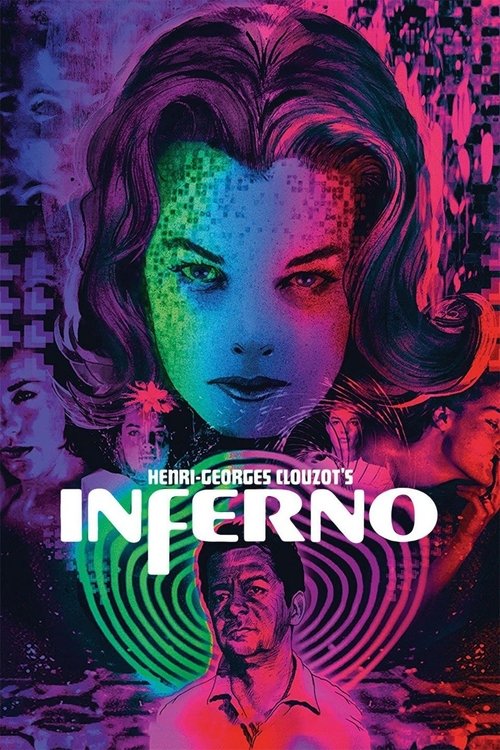
Henri-Georges Clouzot's Inferno2009
A 1964 psychological thriller about a man's fractured mind and paranoia, shot in a deliberately disorienting style that makes the audience experience the protagonist's mental dissolution.
An unfinished 1964 Clouzot thriller, lost for decades, restored and completed using archival footage. A husband tormented by jealousy spirals into obsession. Visually avant-garde, deeply weird, utterly hypnotic.
But It's fragmentary and deliberately incomplete—puzzles in the editing, gaps in the narrative. Watching requires patience with formal strangeness. Not a conventional viewing experience.
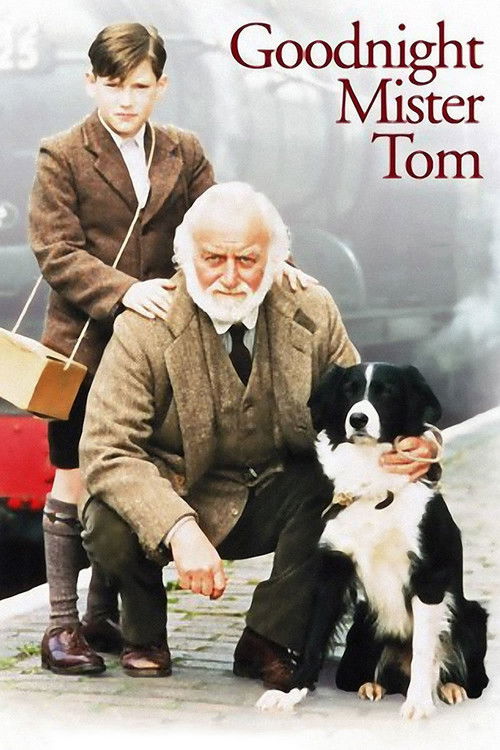
Goodnight, Mister Tom1998
Both feature a stranger arriving in isolation (rural home, isolated cottage), past trauma gradually revealed, and the psychological unfolding of whether vulnerability or danger is the real threat.
A wartime evacuation drama where an old man and an abused evacuee form an unexpected bond, with trauma emerging gradually and trust becoming redemptive. British television at its most humanely observant. Quiet, powerful, utterly devoid of sentimentality.
But It's slow and entirely interior—nothing 'happens' in plot terms. Pacing is deliberate. If you need action or momentum, this will feel static.
People
Cast
 Joanne WoodwardMolly Thomas
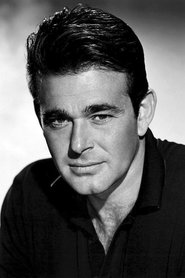 Stuart WhitmanAlex Forrester
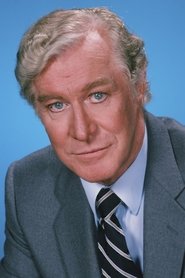 Edward MulhareDr. Mark Fleming
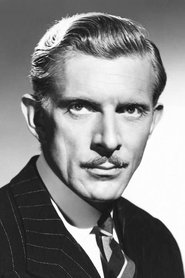 Alan NapierThe Vicar
- Joyce WorsleyMrs. Barnes
- Leslie DenisonSuperintendant Bickley
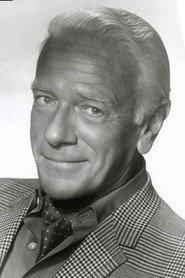 Murray MathesonDr. Graham
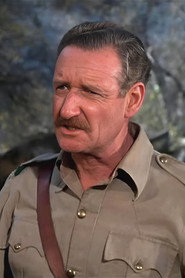 Hedley MattinglyOfficer Rogers
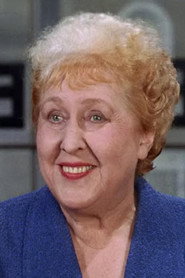 Carol VeazieAuntie
Directing
- Wallace Worsley Jr.Assistant Director
- George EnglundDirector
Writing
- Sally BensonScreenplay
- Monte DoyleTheatre Play
Production
- Lawrence WeingartenProducer