
Film
Night Train
Other titles called Night Train: the 2009 film.
A Polish masterpiece about two strangers forced to share a sleeper cabin on a train to the Baltic. What begins as awkward comedy—mistaken tickets, close quarters, a spurned lover—darkens into moral ambiguity when a murderer boards the train. Jerzy Kawalerowicz's chamber piece is claustrophobic, witty, and quietly devastating about how quickly we misjudge each other.
Should you watch it?
Watch it if you are drawn to tense, claustrophobic chamber dramas where suspicion grows out of small looks, overheard talk and cramped compartments rather than action set pieces, and you savour a mood built from silence and unease.
Skip it if you need brisk plotting and a clear hero, since the film lingers in silences and watches its characters circle one another without rushing to explain themselves.
What it asks of you: Roughly ninety-seven minutes of patient attention, with long stretches of quiet and tension that builds slowly, so it rewards staying still rather than skimming.
Not sure? Find tonight's pick in a minute.
If you liked this
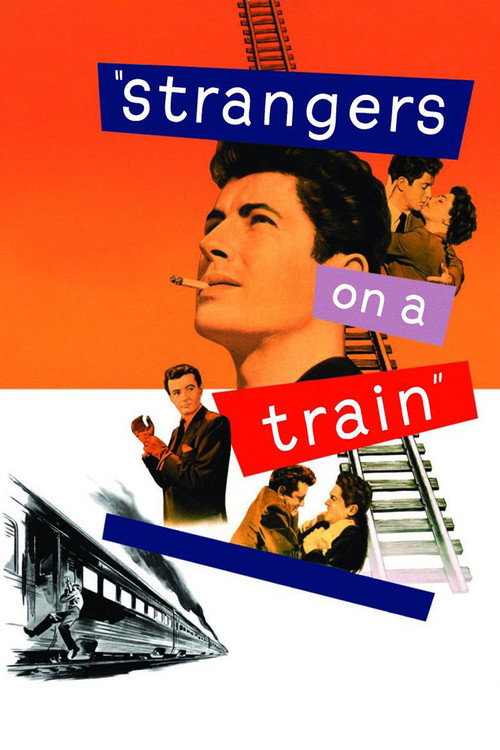
Strangers on a Train1951
Hitchcock's brilliant thriller about two men who meet on a train and become entangled in each other's crimes. Like Night Train, it traps characters in an enclosed space where casual conversation becomes deadly consequence.
But The plotting occasionally feels mechanical, and some modern viewers find the pacing deliberate where they want propulsion.
The Third Man1949
Carol Reed's Vienna-set noir about mistrust and moral compromise, where nothing is quite what it seems and friendship crumbles under pressure. Shares Night Train's interest in how ordinary people navigate extraordinary circumstances.
But Shot in black-and-white with a dissonant zither score that some find alienating rather than atmospheric.

In the Mood for Love2000
Wong Kar-wai's portrait of two neighbors who suspect each other of infidelity, told through color and restraint. Like Kawalerowicz, he builds tension from proximity and unspoken feeling, turning a small space into an entire universe.
But The narrative is deliberately oblique and the pacing hypnotic; if you want plot clarity, this will frustrate you.

Not sure tonight? Get a pick in a minute, starting from Night Train
The wildcard
Something you would not have found on your own.
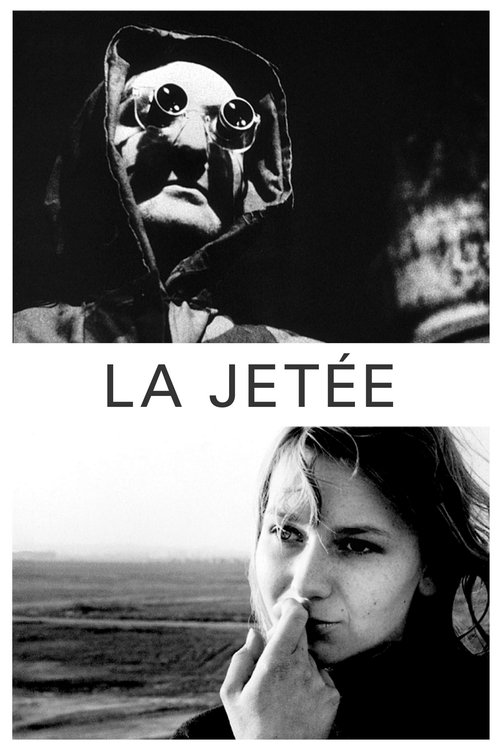
La Jetée1962
Both are chamber pieces about entrapment—one spatial, one temporal—where isolation forces characters and viewers to confront what they actually want and who they actually are.
Chris Marker's haunting science-fiction poem told almost entirely through still photographs, about a man traveling through time to save humanity. Like Night Train, it achieves profound emotional and philosophical depth within severe formal constraints, and finds tragedy in what people owe each other across time.
But It's only 28 minutes and composed of stills rather than moving images; if you need conventional cinema, this will seem experimental to the point of austerity.
More like this (8)
Ikiru1952
Kurosawa's meditation on mortality and human connection, where a dying man must reckon with how he's lived. Both films examine character under pressure and find unexpected grace in ordinary moments.
But It's slow and sorrowful; the emotional weight accumulates rather than grabs.

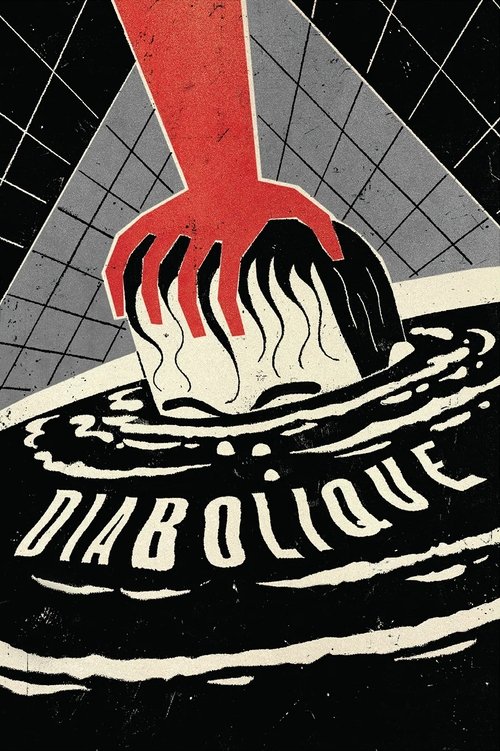
Diabolique1955
Clouzot's French thriller about two women plotting murder, building suspense through confined settings and psychological games. Shares Night Train's dark humor and willingness to wrong-foot the audience about who's guilty.
But The plotting occasionally relies on coincidence, and some of the gender dynamics feel dated.
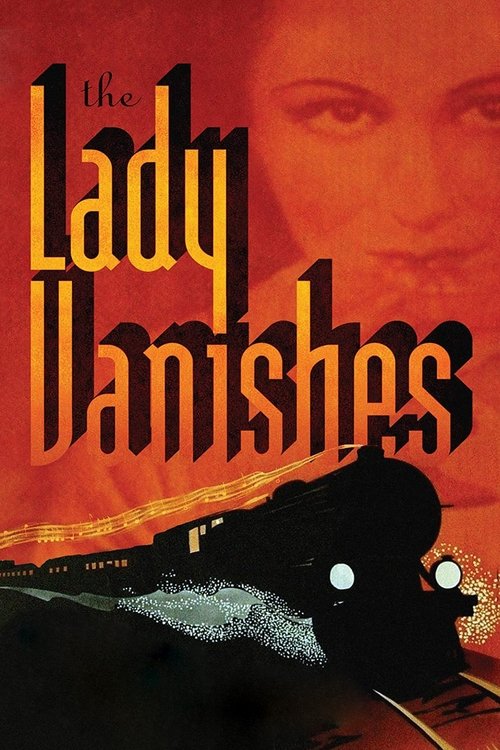
The Lady Vanishes1938
Hitchcock's train-based mystery where passengers must piece together what happened to a woman who vanished mid-journey. A more playful take on the train-as-pressure-cooker, but with real stakes beneath the wit.
But It's lighter in tone than Night Train, which some might find less dramatically satisfying.
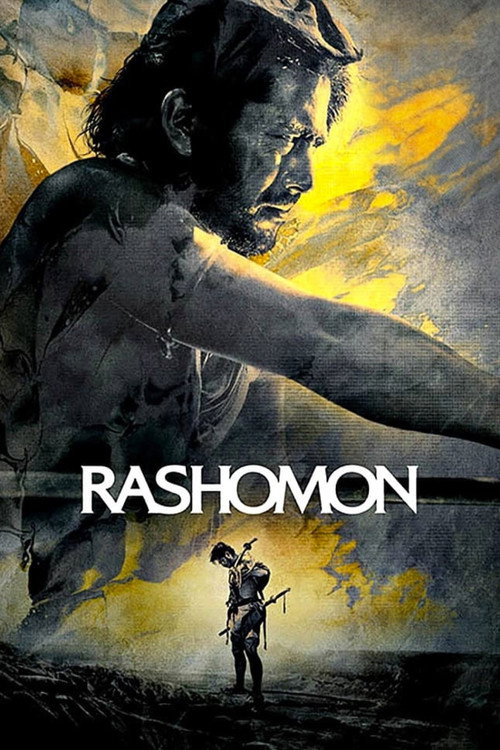
Rashomon1950
Kurosawa's Japanese landmark in which four people give conflicting accounts of the same violent crime. Like Night Train, it interrogates truth and suggests that certainty is an illusion we comfort ourselves with.
But The philosophical ambiguity bothers viewers who want narrative resolution.
The Asphalt Jungle1950
John Huston's heist noir about criminals trapped together planning a robbery. Shares Night Train's interest in how people reveal themselves under pressure and how circumstances unmask character.
But The gender representation is particularly dated, and the heist itself is less the point than character study.

Rope1948
Hitchcock's audacious single-room thriller set in real time, where two murderers host a dinner party with the body hidden in a chest. An extreme version of the locked-space tension that Night Train masters.
But The theatrical constraint feels gimmicky to some; the dialogue-heavy approach won't suit everyone.

The Battle of Algiers1966
Both present ordinary people forced into extraordinary moral circumstances where the line between victim and perpetrator blurs, and where audience sympathy is deliberately unsettled.
Pontecorvo's documentary-style thriller about the Algerian independence movement, shot as a tense political procedural. It shares Night Train's interest in moral complexity and refuses to make anyone simply right or wrong—truth becomes slippery under pressure.
But It's a political film about violence and colonialism that doesn't soften its themes for comfort; some find the documentary style cold.

Stalker1979
Both use the structure of a journey—train cabin, mysterious zone—as a framework for characters to reveal what they truly want and what that want says about them, with the external threat becoming almost secondary to internal moral revelation.
Tarkovsky's Russian science-fiction meditation on desire and faith, where a guide leads two men through a mysterious zone toward a room that grants wishes. Like Night Train, it's a journey through enclosed spaces that becomes a reckoning with self, and it trusts silence and stillness to do the work.
But It's 163 minutes of philosophical contemplation with minimal plot; if you want incident, this is purgatorial.

People
Cast
 Lucyna WinnickaMarta
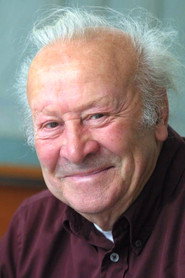 Leon NiemczykJerzy
 Teresa SzmigielównaLawyer's Wife
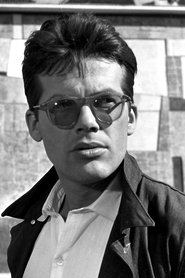 Zbigniew CybulskiStaszek
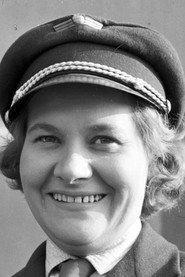 Helena DąbrowskaConductor
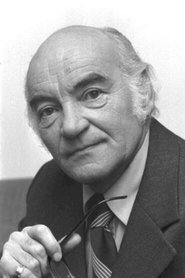 Ignacy MachowskiSleeping Car Passenger
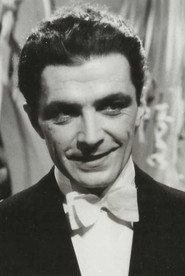 Roland GłowackiMurderer
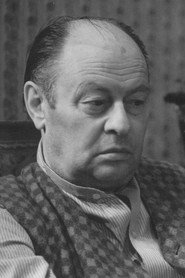 Aleksander SewrukLawyer
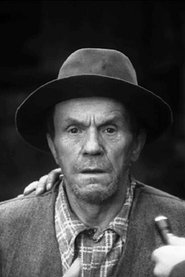 Zygmunt ZintelPassenger with Insomnia
 Tadeusz GwiazdowskiConductor
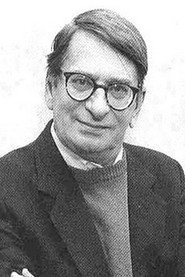 Witold SkaruchPriest
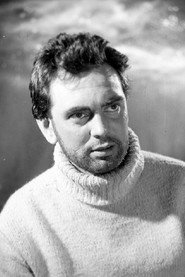 Michał GazdaPassenger flirting with the Lawyer's Wife
Directing
- Anita JaneczkowaAssistant Director
- Mieczysław WaśkowskiAssistant Director
- Jerzy KawalerowiczDirector
- Paweł KomorowskiFirst Assistant Director
Writing
- Jerzy KawalerowiczWriter
- Jerzy LutowskiWriter
Production
- Witold WawrzyniakAssistant Production Manager
- Zbigniew BrejtkopfAssistant Production Manager
- Jerzy RutowiczProduction Manager